Tag: Africa

Explore our travels around Africa on the map or check out our articles.

  • 10 Things to Do in Zanzibar, Tanzania’s Tropical Island Gem

    10 Things to Do in Zanzibar, Tanzania’s Tropical Island Gem

    Our first new country of 2026 had been on our bucket list for a good few years. As such, I was a little worried that Zanzibar wouldn’t live up to the hype (and there has been A LOT of hype recently). Happily, we had a blast, and if you pick even just a few of these suggestions, we think you will too. From blinding white sand to tropical turquoise waves and the carved doors and winding alleys of Stone Town, Zanzibar is an amazing trip for any adventurous soul. Read on for 10 awesome things to do in Zanzibar.
    This post may contain sponsored content or affiliate links that help support the blog. All opinions are our own.

    1.) Take a Stone Town Walking Tour

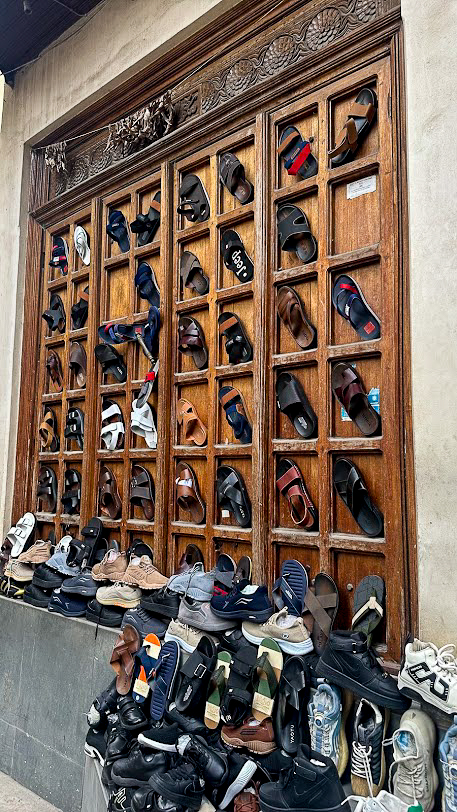
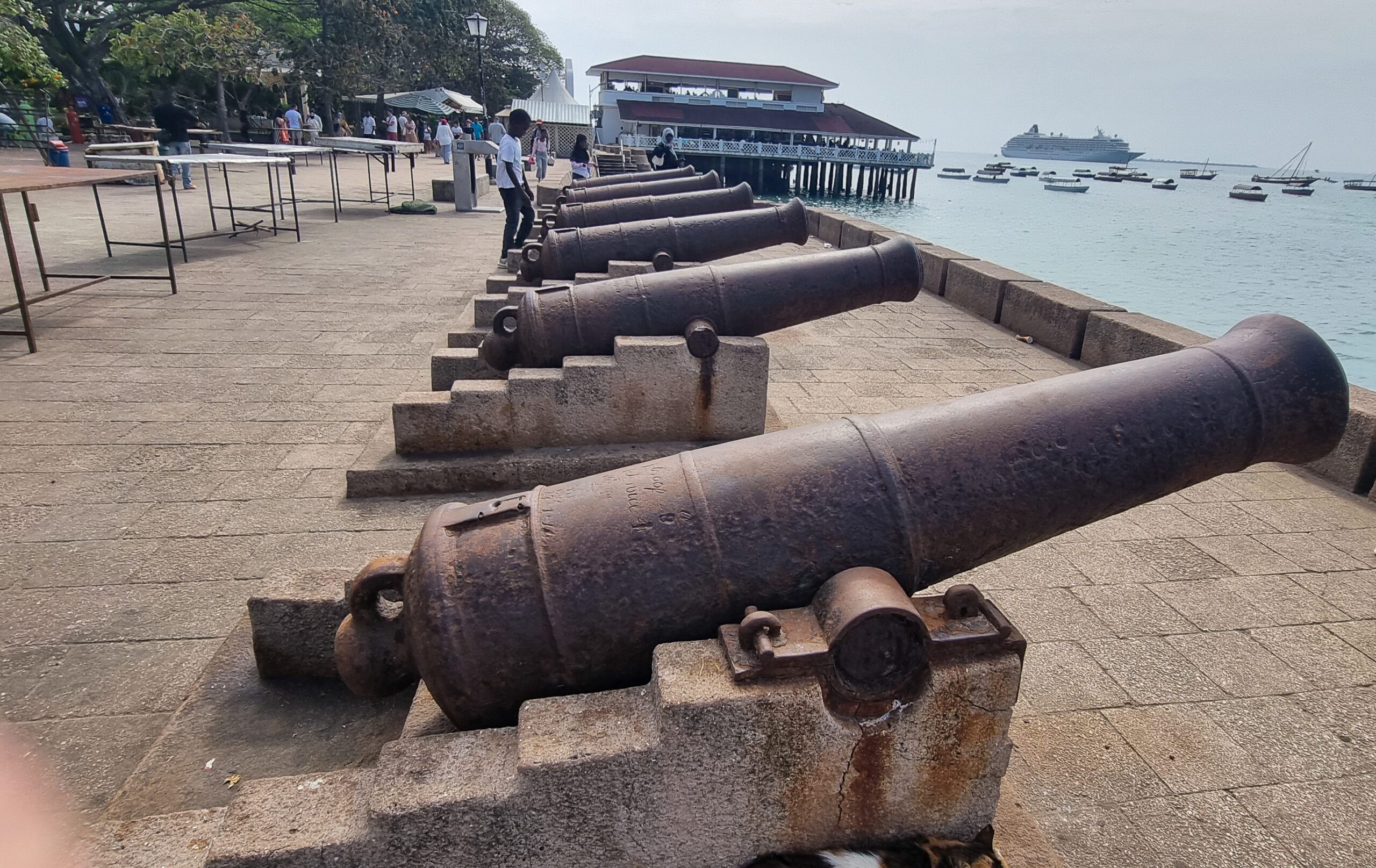
    The UNESCO World Heritage streets of Stone Town may smell more of suncream than spice these days, but somehow, they haven’t lost their magic. With each twist and turn, you can imagine the time gone by when they were full of traders, stores, and stories. In fact, at the Darajani Market fish, vegetables, spices and home goods are still sold to locals. For the most dramatic shopping, be sure to seek out the fish auctions where sea life galore is sold to the highest bidder. Most people opt for a walking tour, and it’s a great option with local guides bringing the lanes to life.
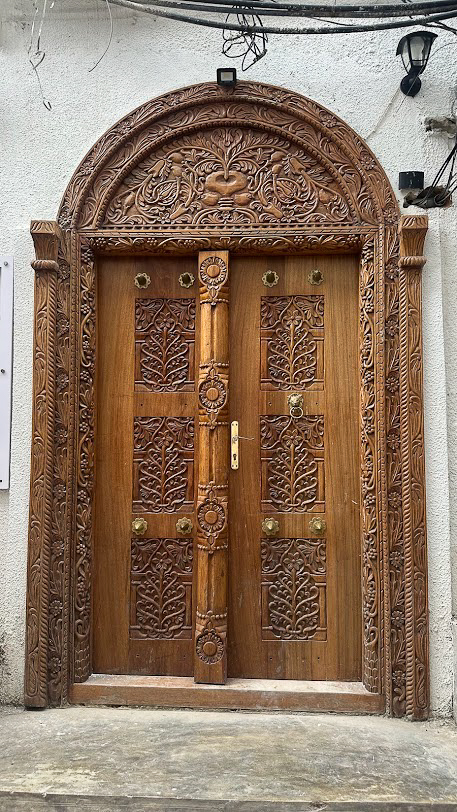
    As you wander the lanes, keep an eye out for the doors of Stone Town. This tradition, slowly being brought back to life, was introduced by the traders who moved between the Indian sub-continent and Africa. The carvings often included symbols that indicated the homeowner’s business, their status and heritage. The brass knobs are small replicas of their ancestors in india. Found on the huge doors of forts, they were designed to stop war elephants from smashing their way in.

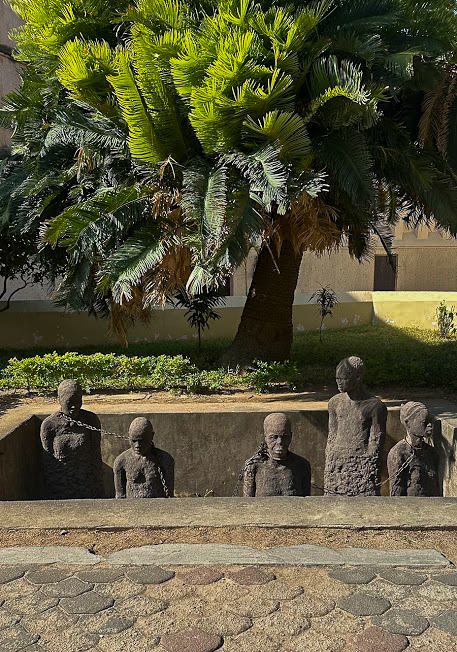
    Don’t miss the slavery museum and the former slave market location. A visit here can be harrowing, but the story is too important to the island to miss. Slavery was a huge business in Zanzibar, with hundreds of thousands of enslaved people passing through in the 300 years that it served as a major hub for the East-African slave trade. The information here is dense and is presented in two rooms of text boards. You can also find a memorial to the enslaved people, the rooms they were kept in and the Anglican Cathedral built by the British.
    2.) Visit Prison Island

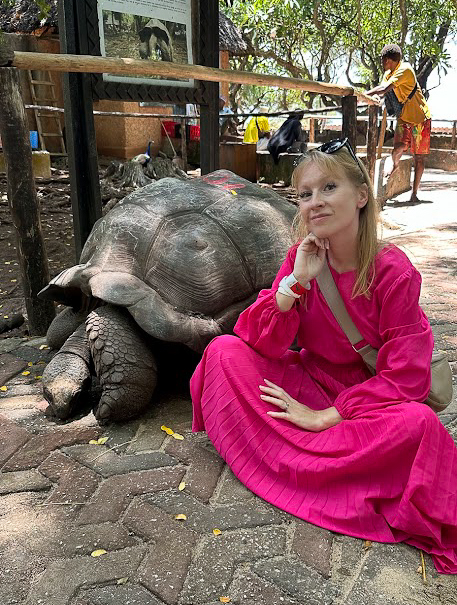
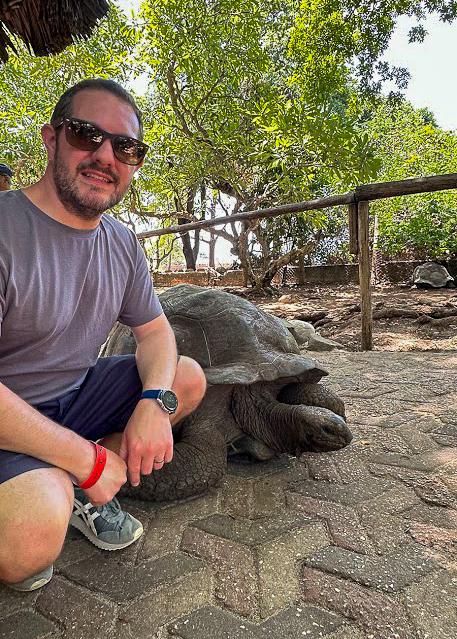
    Prison Island (Changuu Island) is just off the coast of Stone Town. Despite its name, it was never really used as a prison, it was first used for “unruly enslaved people” by the Arab traders of the town. It was then converted by the British in 1894, with many of the structures rebuilt to serve as a quarantine hospital, protecting the city from infectious diseases brought by travellers. These days, on the island, you have the chance to explore a small gem museum, a slightly overpriced bar, some of the old ruined buildings and a museum showcasing the history and has a great selection of photos. Then, of course, you can meet many giant Aldabra tortoises. Bear in mind that despite the fines not being imposed for touching them, we don’t think you should touch or step over these lovely old guys.
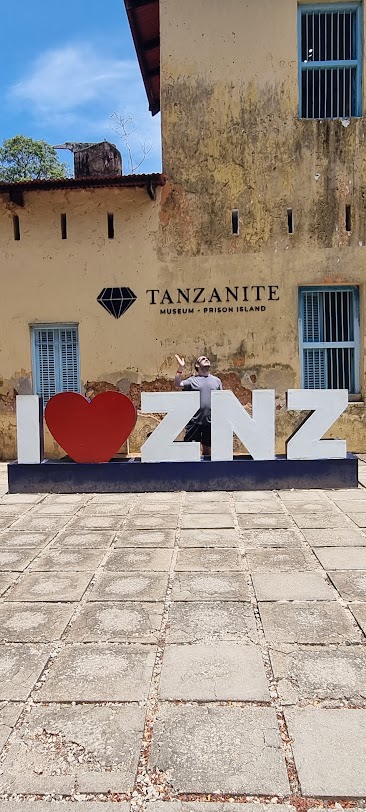
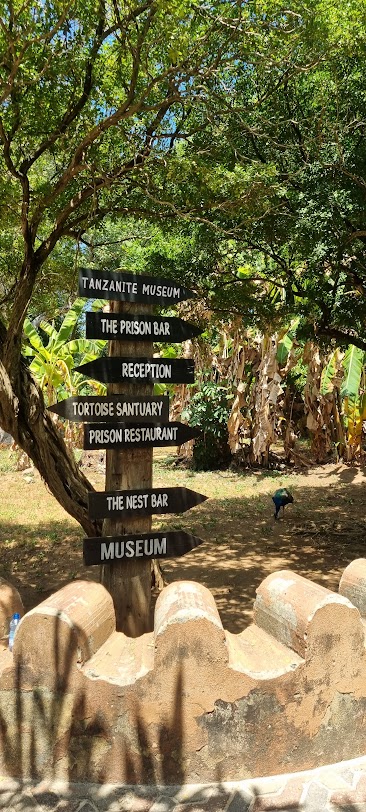
    To reach Prison Island you need to hire a boat. Walk down to the beach from Forodhani Gardens and you’ll be approached by a middleman. US$20-US$30 is the norm. We managed to get it for $20 but it wasn’t my best haggling to be honest. Many boats will combine Prison Island with a nearby sandbank, and this will bump up the price. When you reach Prison Island, you’ll need to pay the conservation fee as well as the ticket at a reception hut around to the left. It’s not a cheap day trip but if you have more than one day in town then its a great side adventure.

    <script async src="https://tpwgt.com/content?trs=256470&shmarker=471045&place=prison%20island%20stone%20town&items=3&locale=en-US&powered_by=true&campaign_id=108&promo_id=4039" charset="utf-8"></script>

    3.) Join Safari Blue

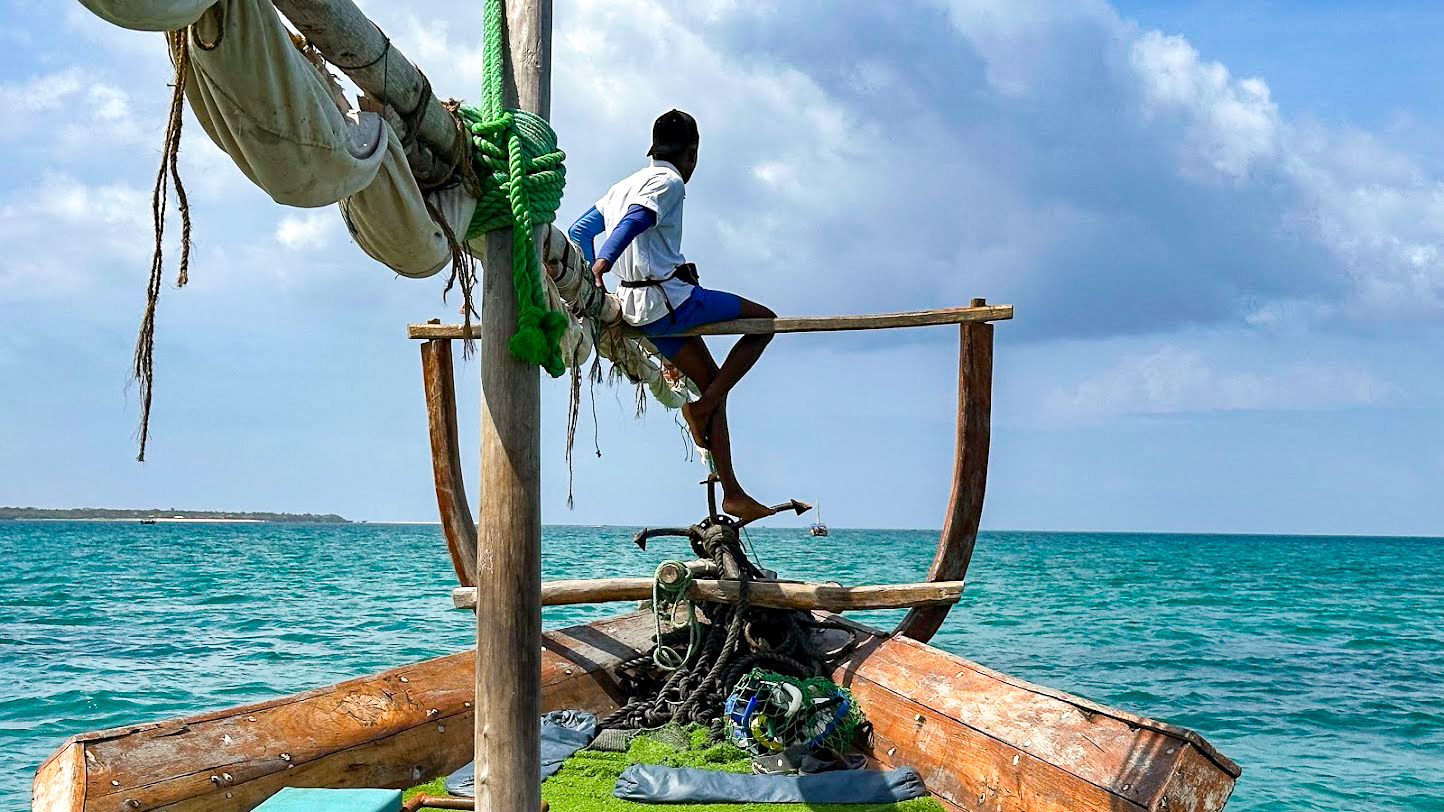
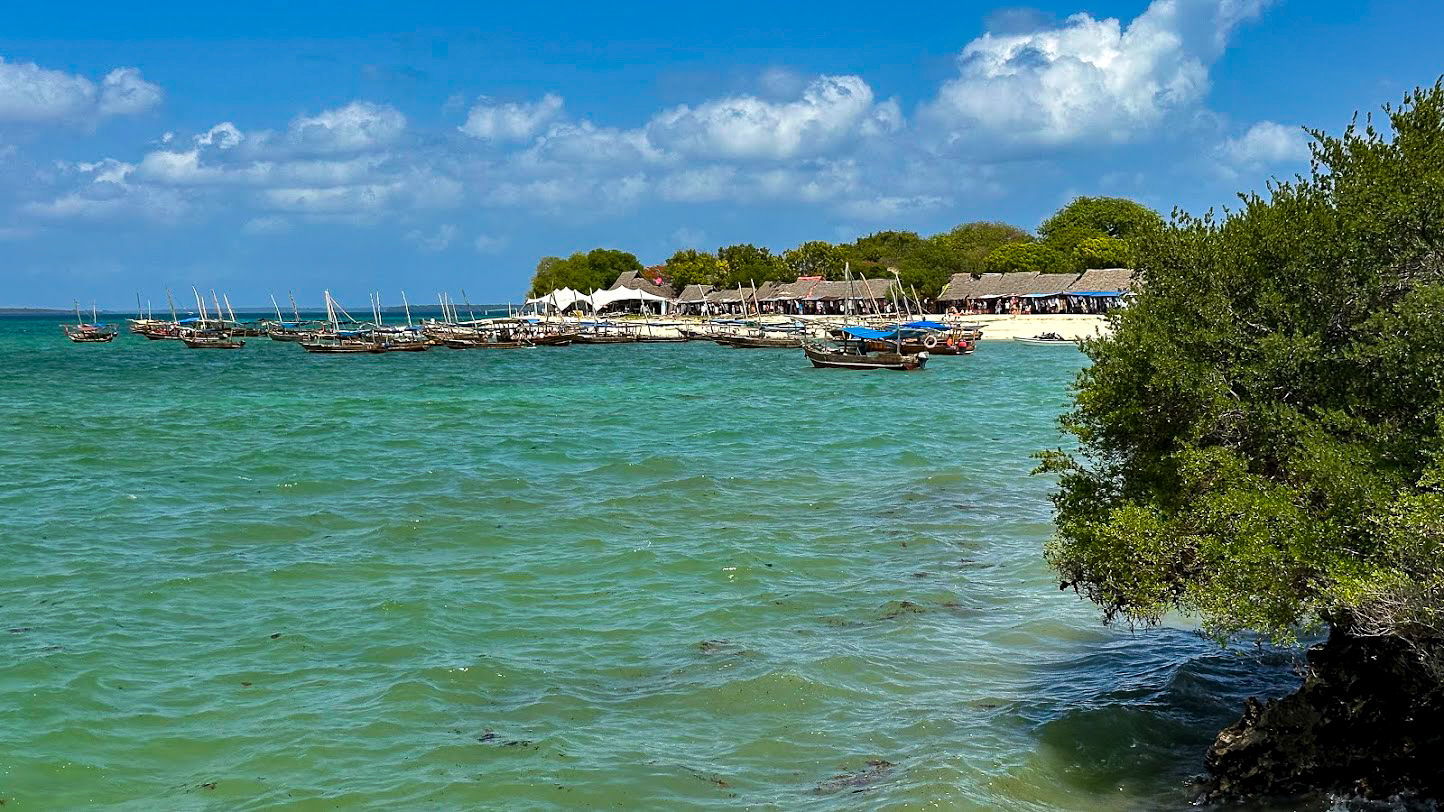
    If you only take one day trip into the crystal clear water of the Indian Ocean, make it a great one. Safari Blue is an all-day tour which takes in some of the most beautiful watery sights in Menai Bay Conservation area, which lies in the Southwest of the island. Most operators follow the same route, so it is more important that you look for a provider with the level of comfort or exclusivity that you are after. If you want any spots to yourself, you’ll need to take a private tour and ask them to go in a different order. In general, you will visit:

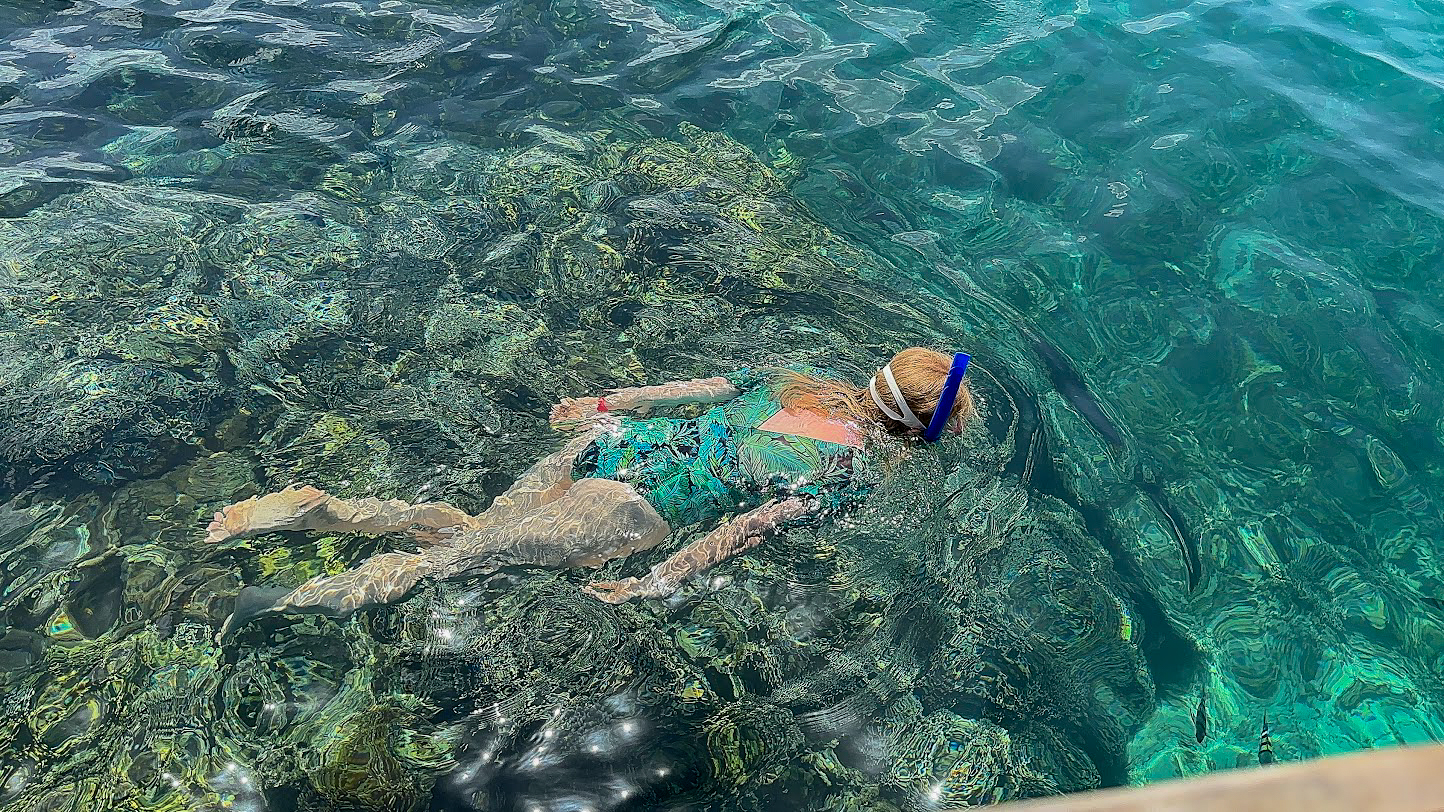
    • A Reef – Your first snorkel spot will most likely be a pretty little reef full of different fish. They can feel quite busy but swimming just a minute or two away will give you your own space. There are a couple more snoarkelling spots normally throughout the day.
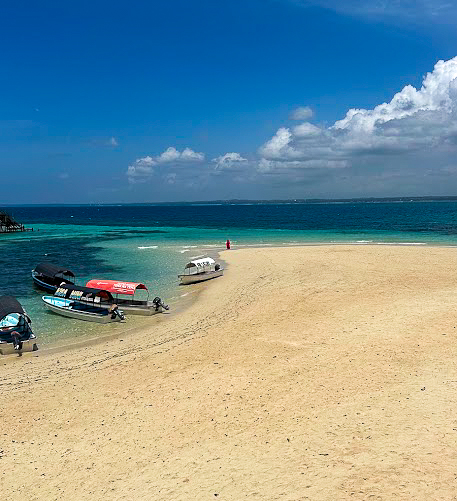
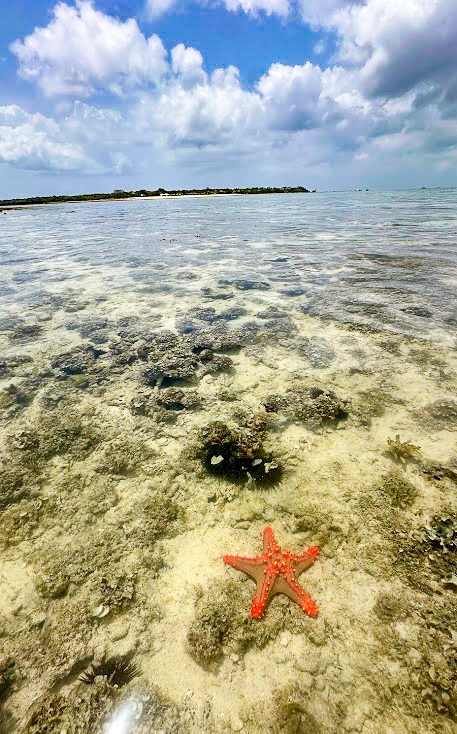
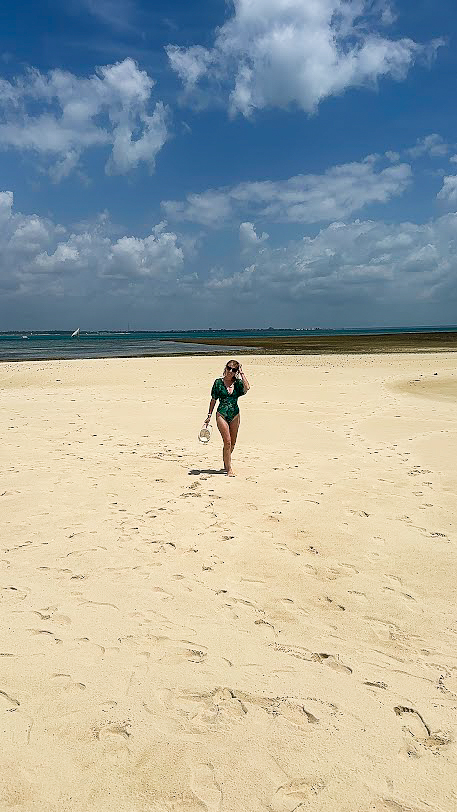
    • Kwale Sandbank – This is a huge sandbank with picture-perfect sand. You can sunbathe, swim in the beautiful blue water or go rockpooling to spot starfish.
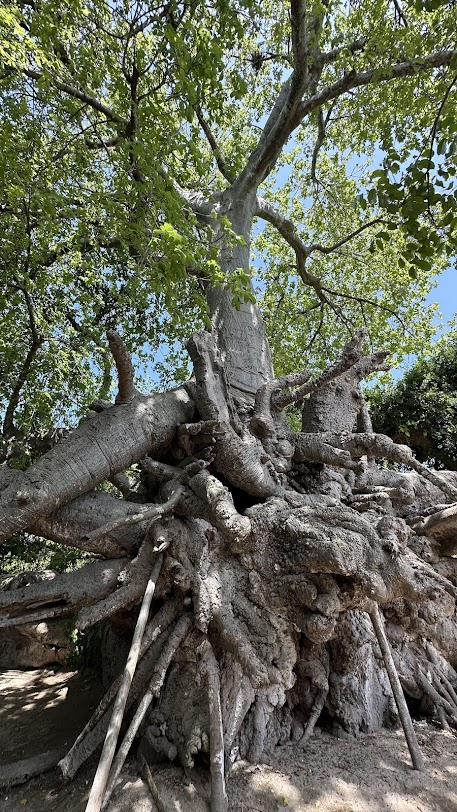
    • Kwale Island – This is where you will stop for lunch. Each company seems to have their own spot where they serve their guests a buffet lunch. A market sets up every day on the island where you can buy souvenirs, clothes or an alcoholic drink. Each group is taken to see a huge 500-year-old baobab tree which toppled over a couple of centuries ago and then continued to grow skywards.
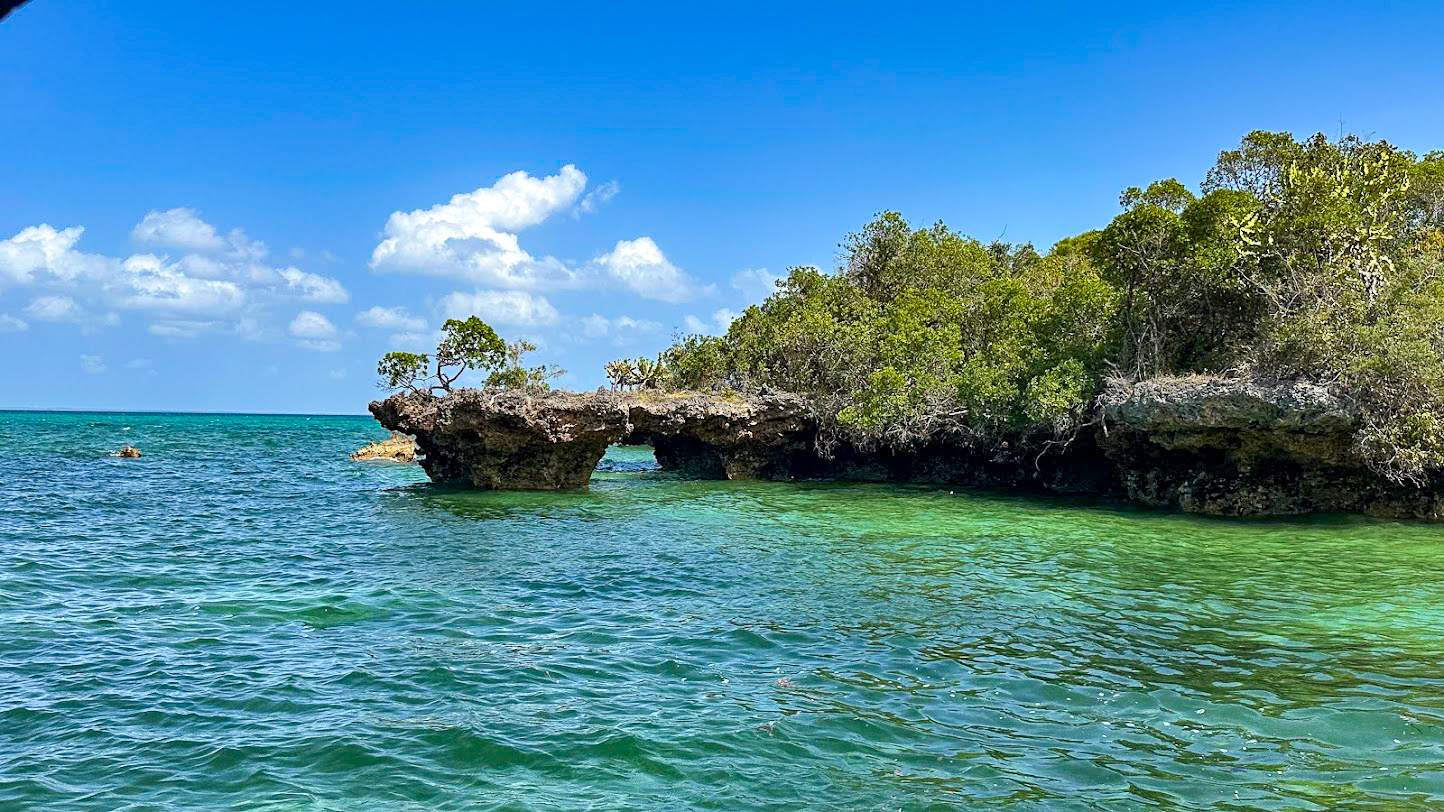
    • Mangrove Lagoon – Most people’s last stop is the mangrove lagoon located on the other side of Kwale Island. This bath-warm water is gorgeous, and although there isn’t much to see in the water the surroundings, including a small rock arch, are beautiful.

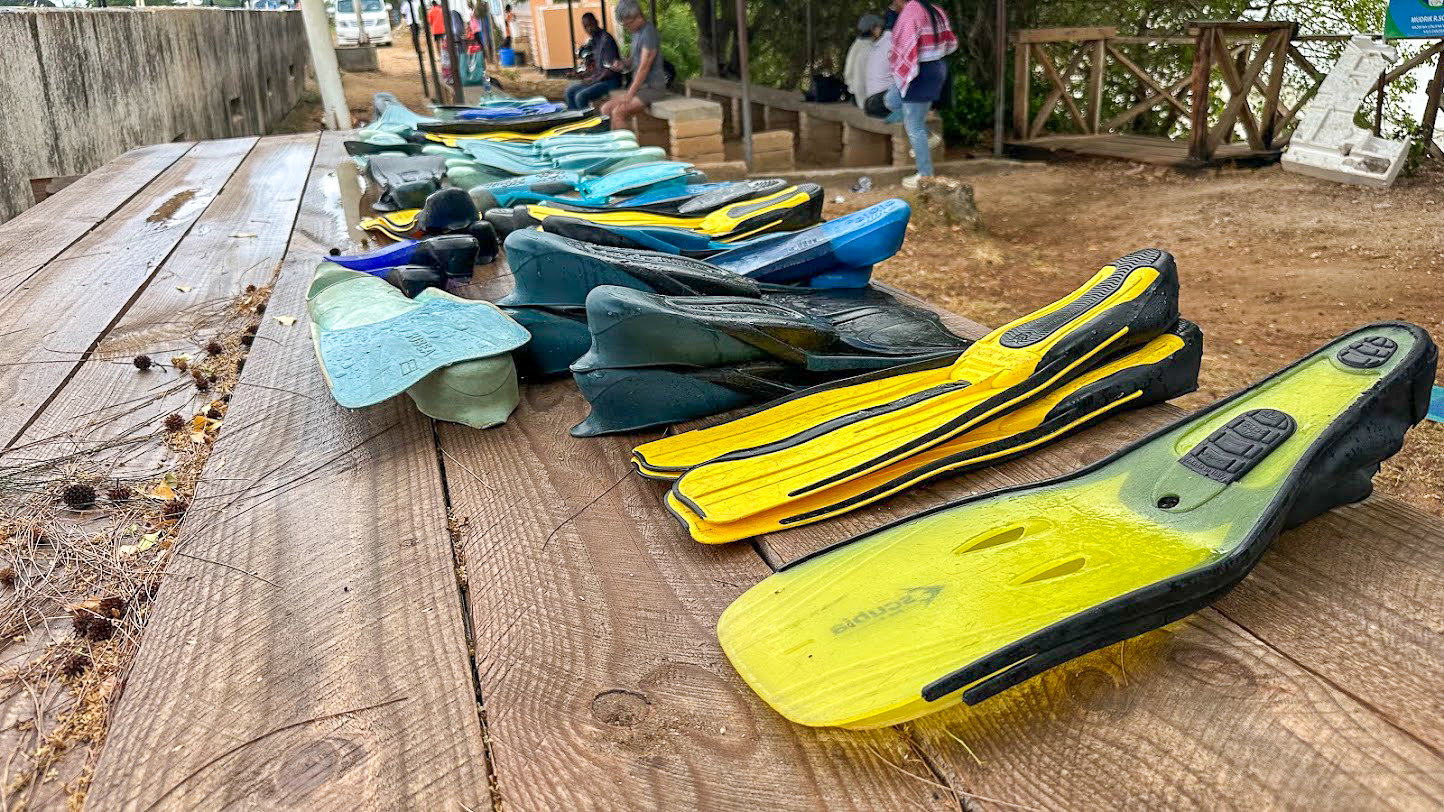
    Don’t forget your sun cream, a towel (as you’ll be hopping in and out of the water a lot) and something you can wear on the island/for lunch. Many tour operators set up temporary shelters on the sand bank, but not all of them so bring something to protect yourself from the sun. You will probably be given snorkelling gear but if you want to take your own, be sure to keep an eye on it so it doesn’t accidentally get mixed up with the company’s. To protect your feet from the sea urchins that you are likely to come across, bring decent water shoes. Finally, if you have any food allergies, you might want to bring some snacks just in case they cannot cater for your needs at your buffet lunch.
    <script async src="https://tpwgt.com/content?trs=256470&shmarker=471045&place=safari%20blue&items=3&locale=en-US&powered_by=true&campaign_id=108&promo_id=4039" charset="utf-8"></script>

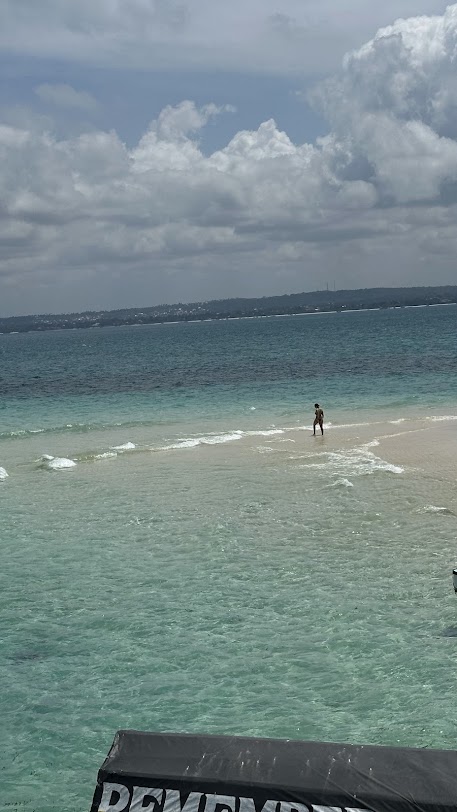
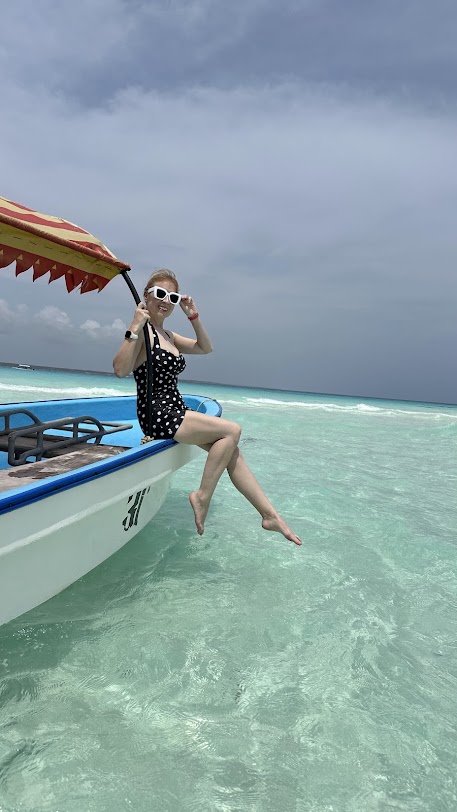
    4.) Explore a Sandbank

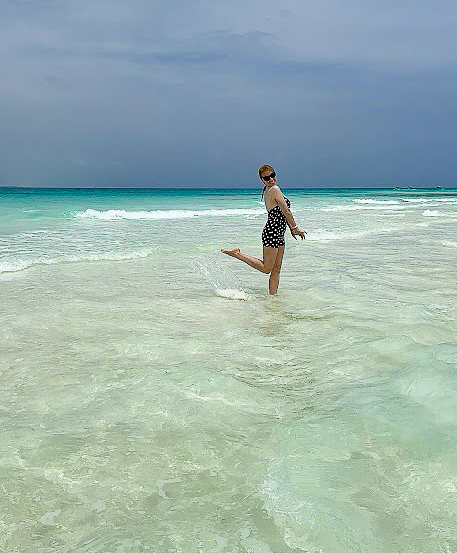
    Sitting pretty in the turquoise waters around Zanzibar are pristine, “disappearing islands”. These sandbanks are washed clean by the waves at high tide, and at low tide, the beautiful sand is left exposed, turning into a little slice of paradise. There are several popular ones that you can visit either by themselves, or bundled with other popular nearby sights. Kwale sandbank is included in the Safari Blue trip, Mnemba Atoll Sandbank is usually visited with a dolphin spotting tour and Nakupenda Sandbank is close enough to Prison Island to make it a day trip. Bring a dry bag, your camera, sun cream and plenty of water.
    5.) Visit Monkeys in Jozani Forest

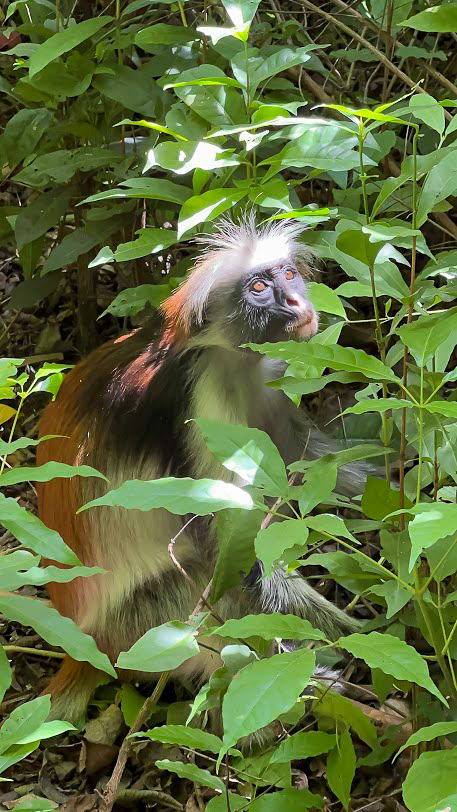
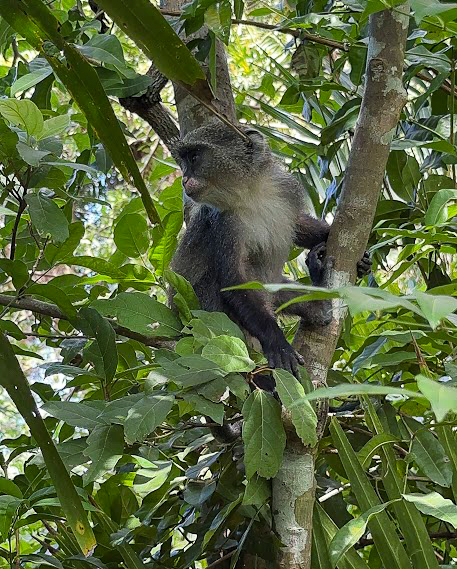
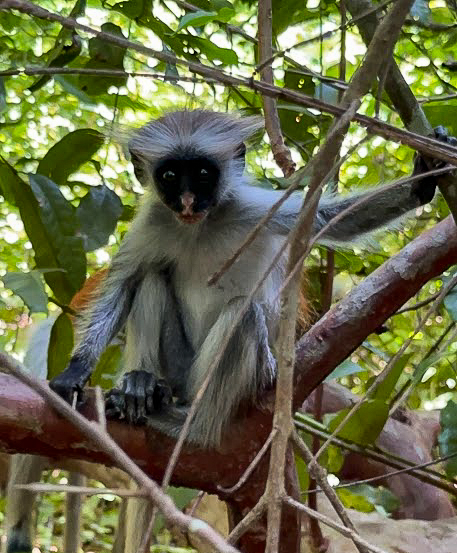
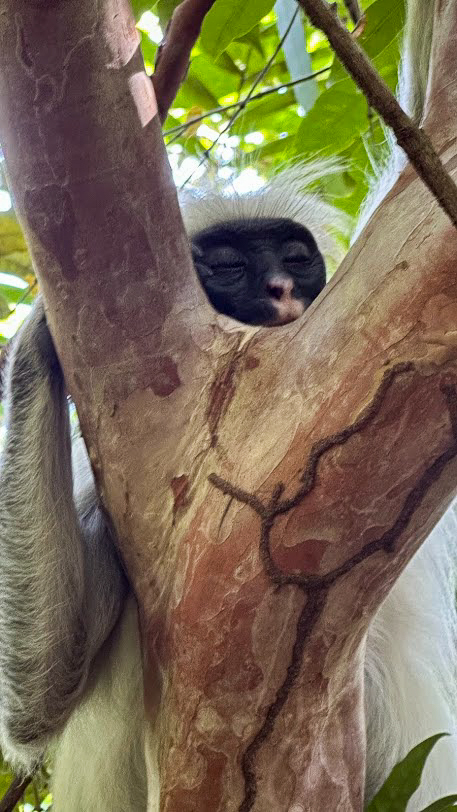
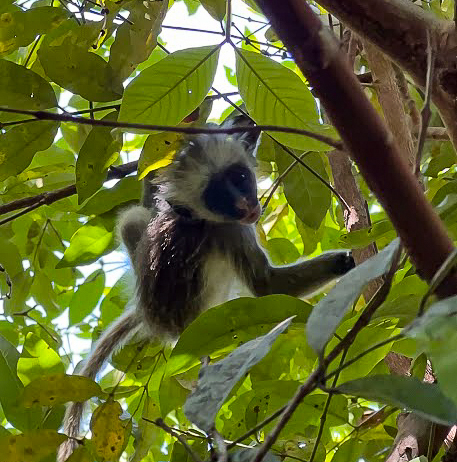
    Standing in Jozani Chwaka Bay National Park, surrounded by monkeys minding their own business, Jozani Forest should be on everyone’s bucket list. A visit here includes a guide who will take you for a walk through the forest, pointing out the species of plants and anything you spot along the way. Then, you will cross the road (see if you can spot the monkey bridge) to find one of the groups of monkeys that live here.The red Colobus and blue Syke’s monkeys that live in and around the forest are surprisingly chilled out about having human visitors. That means you can get some wonderful pictures, or just enjoy watching them as they play, eat, and relax. The final stop is a short walk through (or is that over) an area of mangroves where you can spot frogs, crabs, and fish.
    6.) Get Your Gram on at The Rock

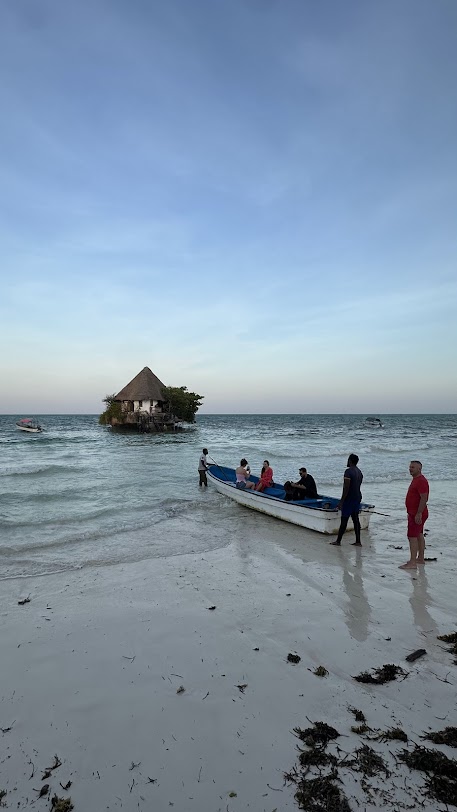
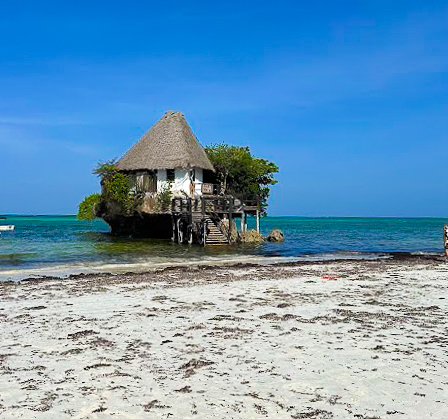
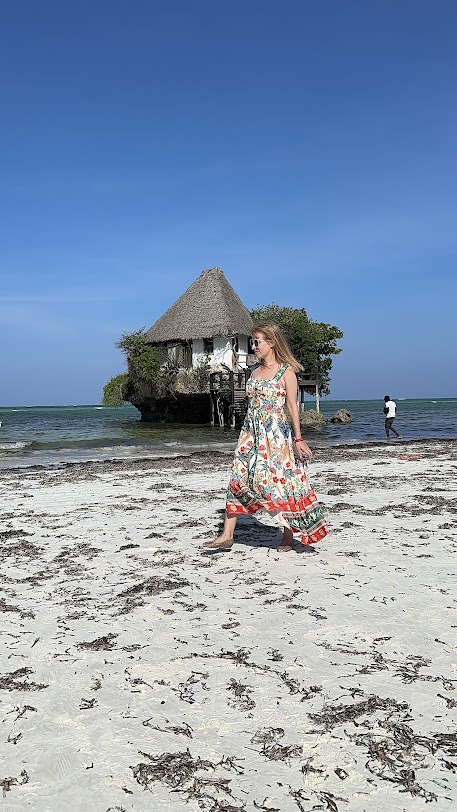
    The most iconic Instagram spot on Zanzibar has to be a restaurant called The Rock. This is a bar/restaurant which is built on a small outcrop…or…a rock. During the low tide, you can walk across the sand to the rock but as the tide rises, this becomes more and more precarious. No one wants to eat dinner with a soggy undercarriage, so take care and wear something you can hitch up. When the tide reaches its peak, there is a boat to take you across and back. When we visited, the sea reached most of the way up my thighs, but I am only five foot tall (152cm).
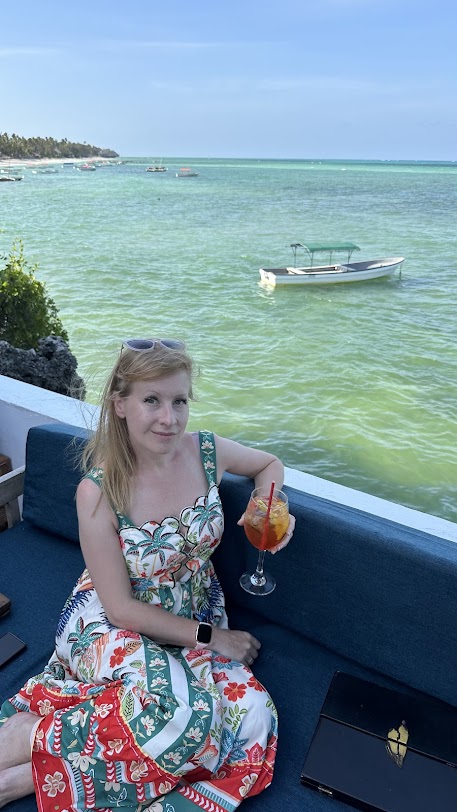
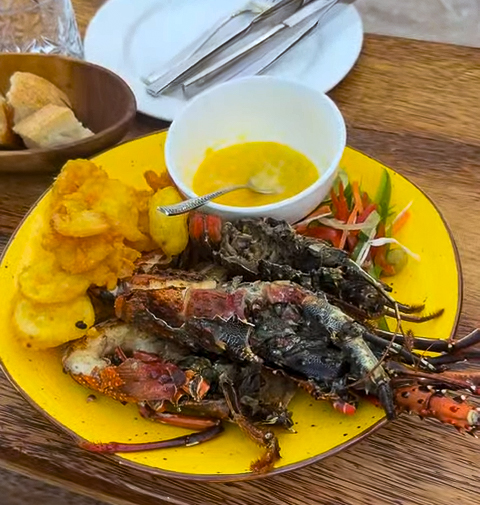
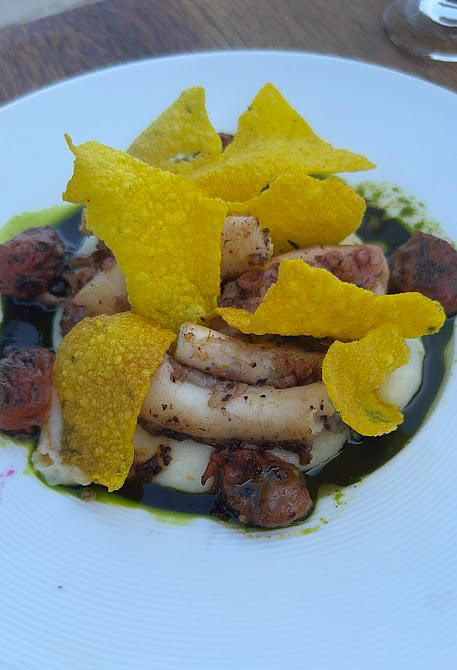
    I have seen reviews which say the food is less than stellar for the price, but we think it depends on what you order. Everything we had was fresh and delicious, starting with an octopus starter, moving onto a lobster dish which was actually bigger than we were expecting and finishing with a decent dessert. Honestly, the cocktails do leave a little to be desired, but they were just too tempting to skip them. Maybe choosing a can of beer known to you or a soft drink is a safer option.

    Yes, you are here for the gram but sometimes it just has to be done!
    7.) Meet Turtles in Nungwe

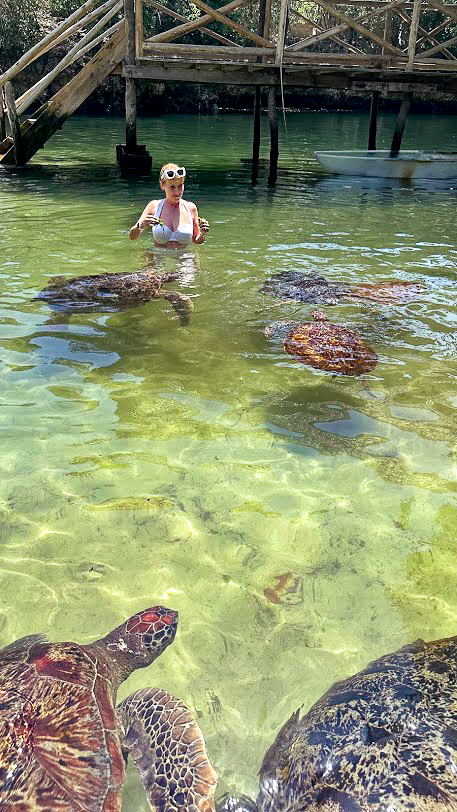
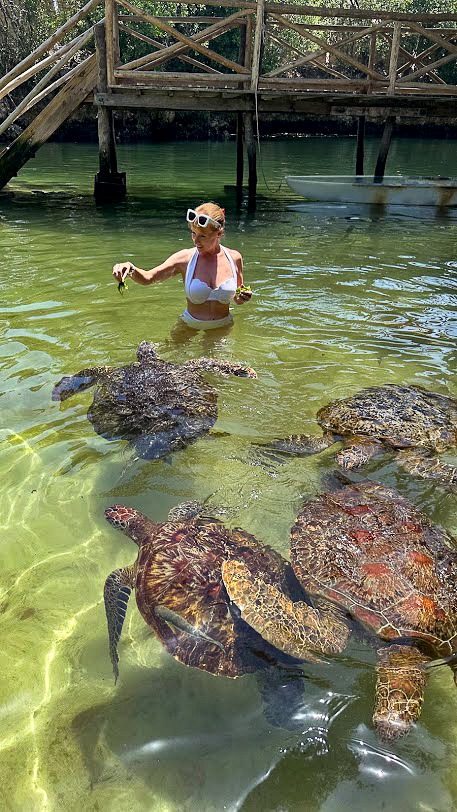
    Get up close to the creatures that are equal parts cute and cantankerous. You can meet sea turtles at the Mnarani Marine Turtles Conservation Pond, feeding them from big buckets of seaweed. You can do this from the side, ankle deep in the water on a platform, or fully in the water. This is tide-dependent so avoid the high tide if you want to swim with them. The seaweed smells distinctly coastal so if you struggle with that then maybe just watch everyone else. The guide will teach you how to feed the turtles and how to avoid getting mobbed or nibbled. Heed their advice. They also say that you can touch the turtles, but we strongly advise against it. The turtles feel everything on their shells, and they are not just there for your photos. There are other turtle experiences around the island but the Mnarani Marine Turtles Conservation Pond is the closest to an ethical turtle sanctuary. They actually release the turtles when they’re old enough to reproduce safely, but it has a long way to go when it comes to the interactions.
    8.) Hit the Beach

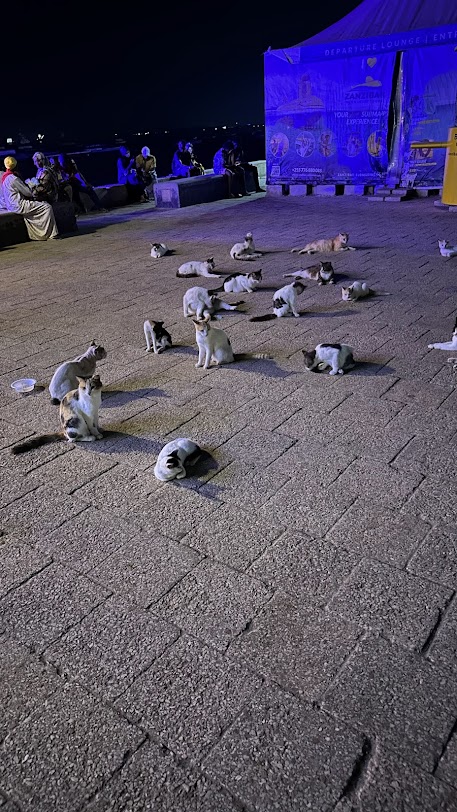
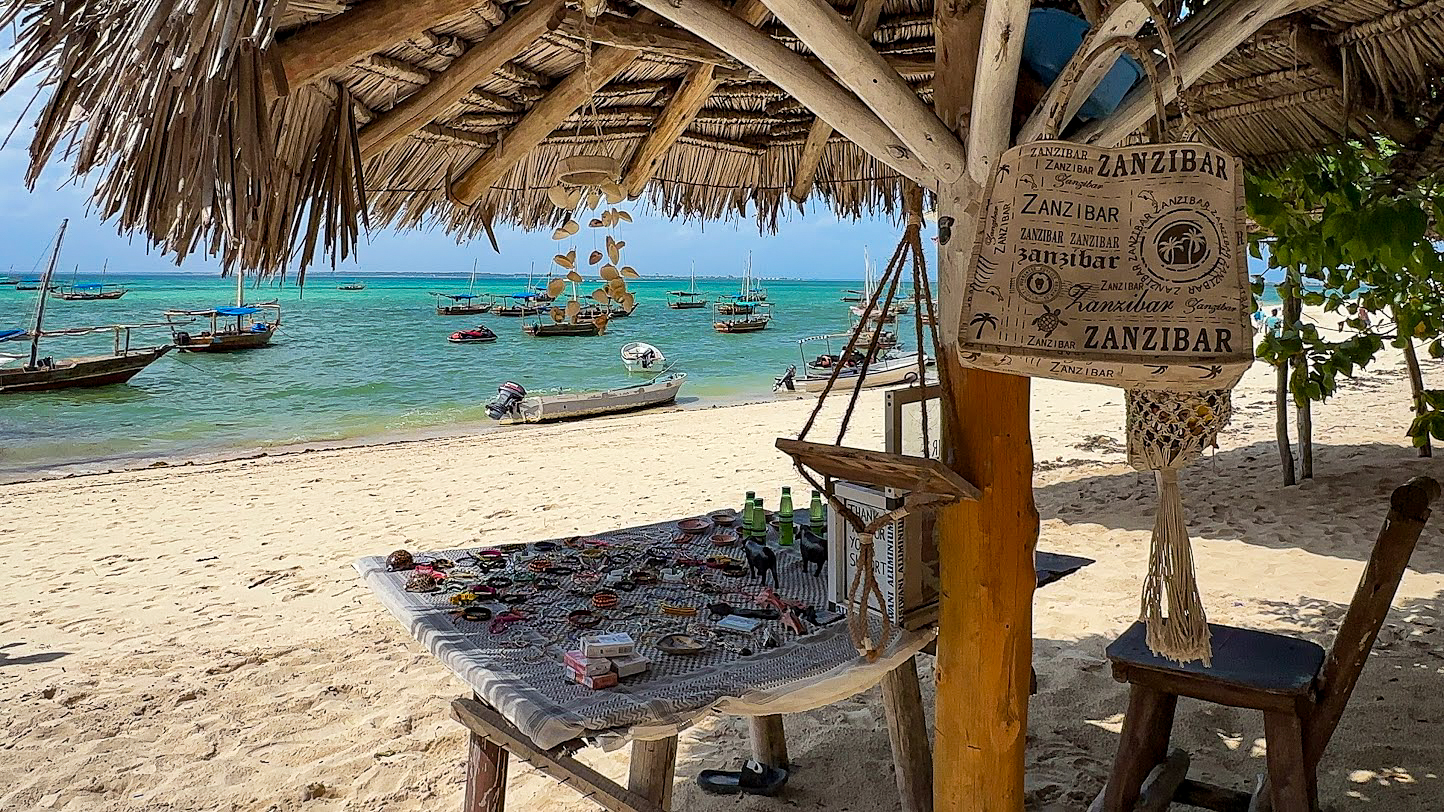
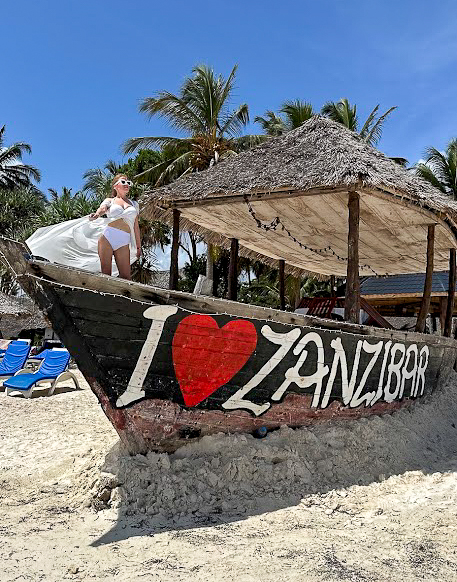
    The sand that lines Zanzibar’s shores is divine. White, powder soft and gently sloping, it is the perfect place to relax. The sea tends to be warm, calm and beautifully blue. Some resorts and beachside restaurants/bars have their own demarcated areas but you can lay a beach mat anywhere else if you aren’t staying/eating in these spots. Local traders, curious beach cats and Masai will approach you but a polite no will usually suffice. Nobody is too pushy (and you know the cats will ignore you the second you show any interest).

    • Nungwi is the most popular spot for beachgoers on Zanzibar. You’ll find plenty of bars, restaurants and watersports.
    • Kiwengwe is famous for stronger winds and more extreme tides, so it suits kitesurfers.
    • Paje is also on the east coast so is similarly great forkitesurfing but it is a little busier, with more restaurants.
    • Matemwe is long, pristine and empty.
    • Pingwe is a beautiful beach which is mostly quiet apart from the stretch opposite The Rock.

    9.) Try Some Local Cuisine at Forodhani Gardens Night Market

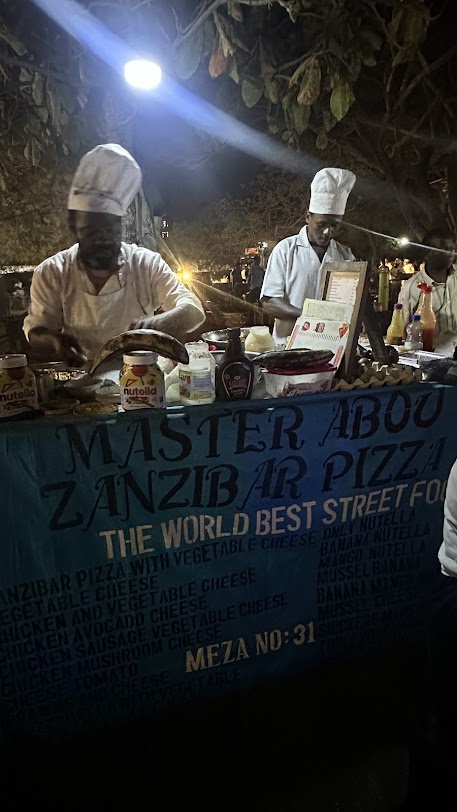
    Once the sun goes down, the Forodhani Gardens front transforms into a lively food market. It can feel a little poverwhelming, with vendors calling to you or trying to coax you over to their stalls. Get stuck in but do heed our warnings just a little. There are stalls selling seafood on sticks (amongst other be-sticked goodies). Everyone will insist that these are fresh but often they aren’t and many travellers have left with an unhappy tummy from picking a stick. Our advice is to avoid these spots and instead look for anywhere that is really popular with locals. We tried:

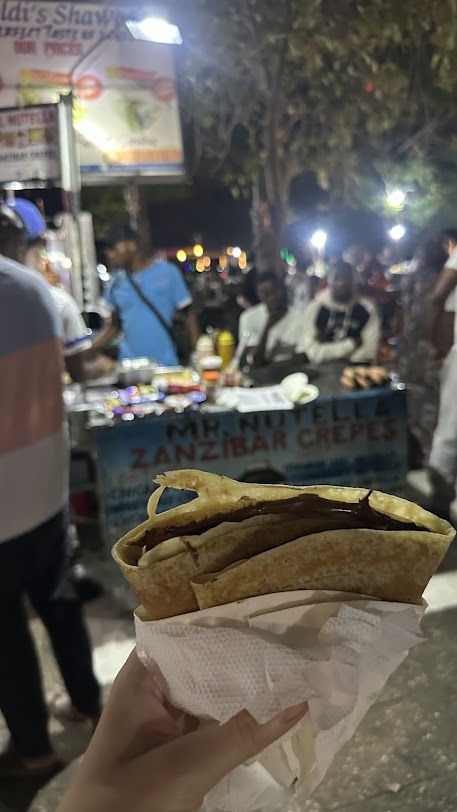
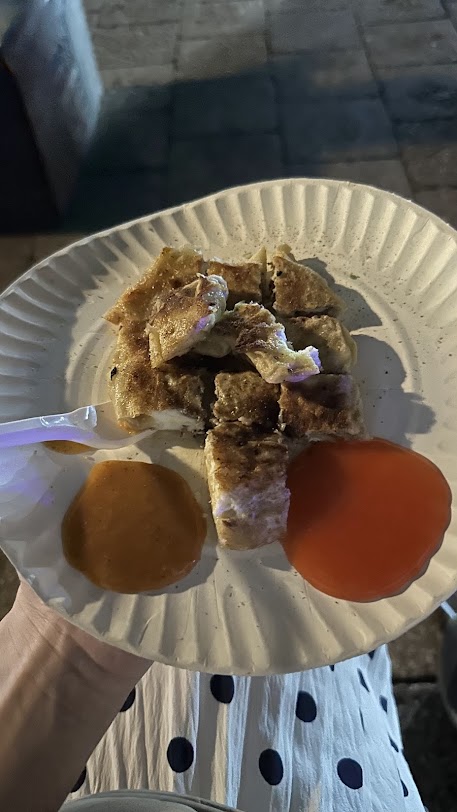
    • Zanzibar Pizza – A crepe/flatbread parcel fried in ghee and stuffed with delicious fillings. If you are ordering a savoury one you will get choices like cheese, beef mince, veggies and eggs. For a sweet one its more like nutella, banana, mango and peanut butter.
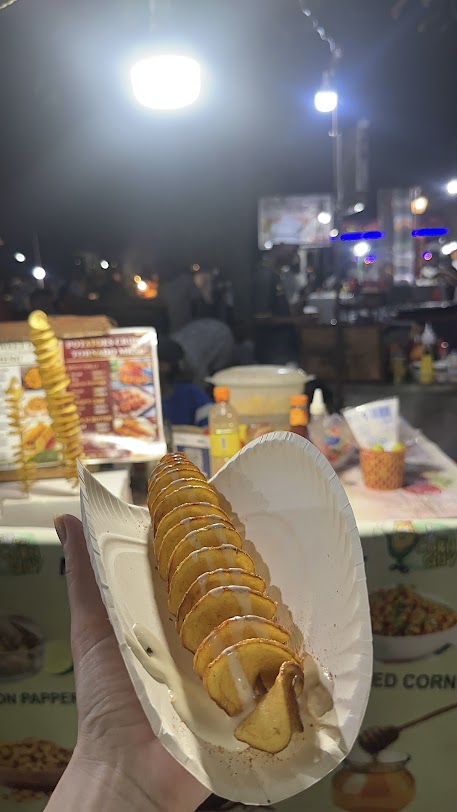
    • Potato Spiral – Not at all traditional but crispy, hot and very hard to get sock from.
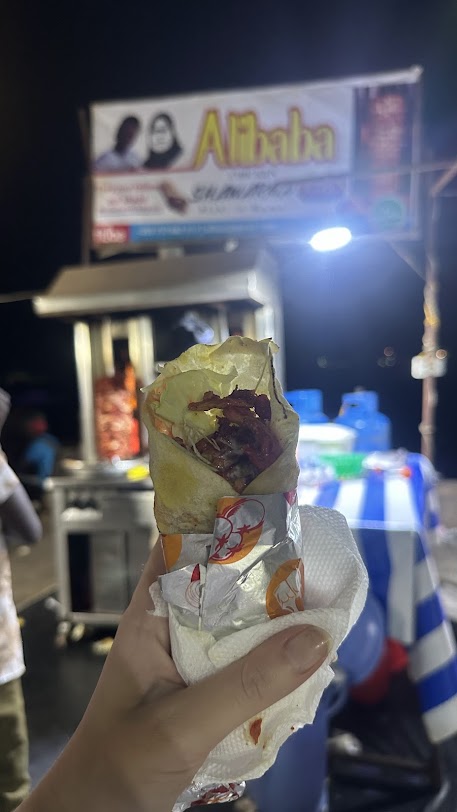
    • Chicken Schwarma – A tried and tested street food favourite, we trust them here thanks to the Omani heritage.
    • Crepes – Nutella, mango, peanut butter and bananas pair with chocolate bars and other sickly treats here. Karl opted for Nutella and Kinder Bueno…I couldn’t have more than a bite.

    Other great options to keep an eye out for include freshly squeezed sugar cane juice, fluffy coconut bread, the spicy and zingy Indian-inspired urojo soup/Zanzibar mix and chipsi mayai, a comforting blend of chips, eggs and veggies which makes for a very cheap and filling dinner. Don’t forget to check the price before you order and you can always try to haggle it down if you feel like its fair.
    10.) Take an ATV Tour

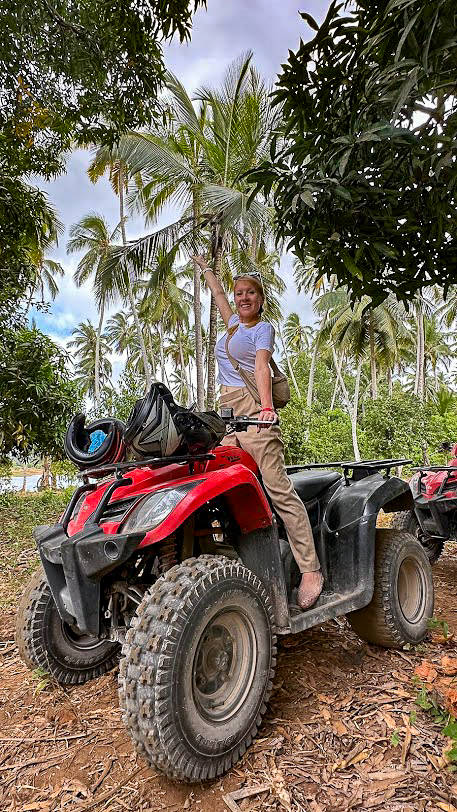
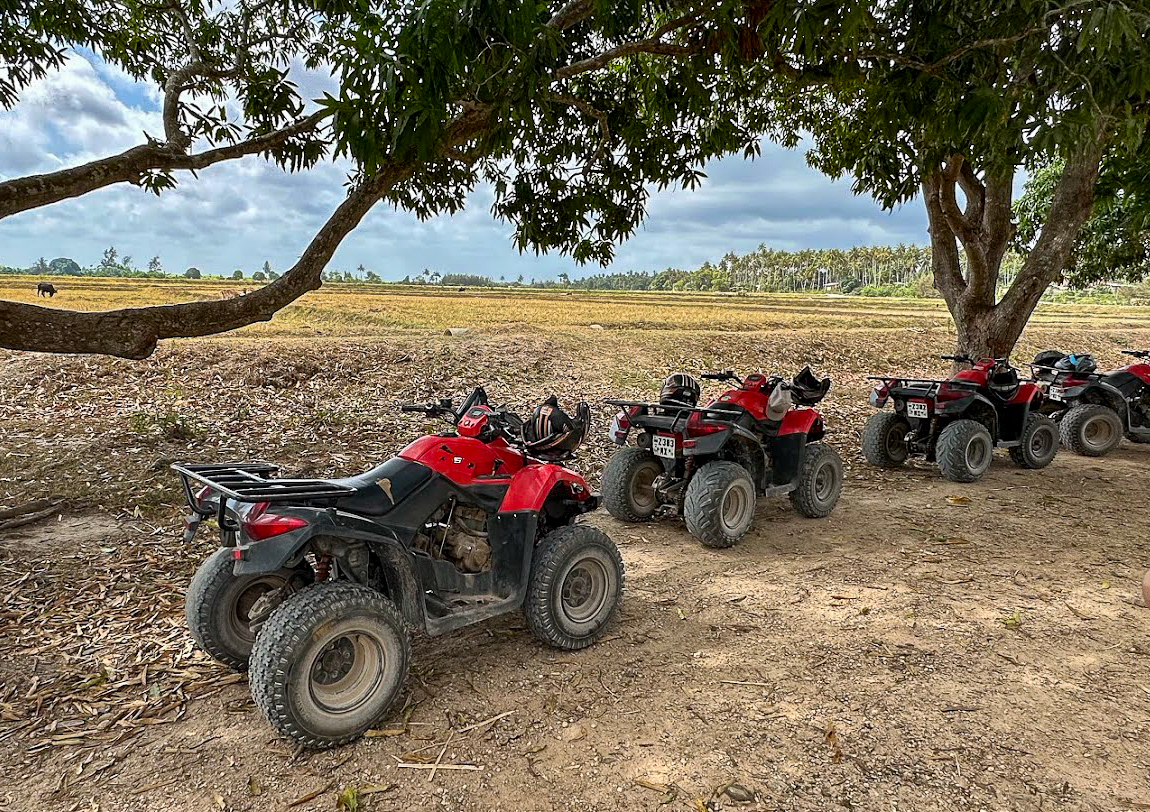
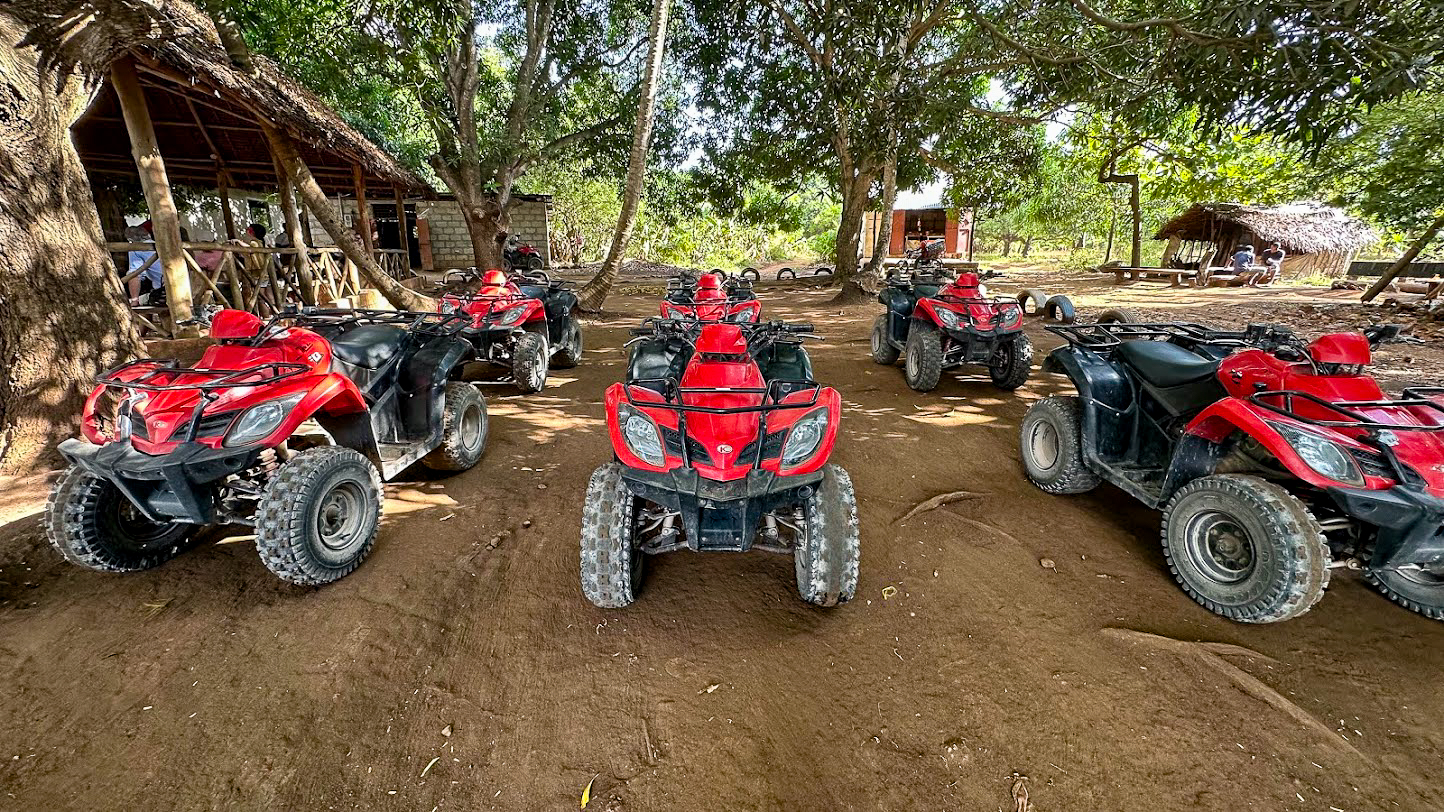
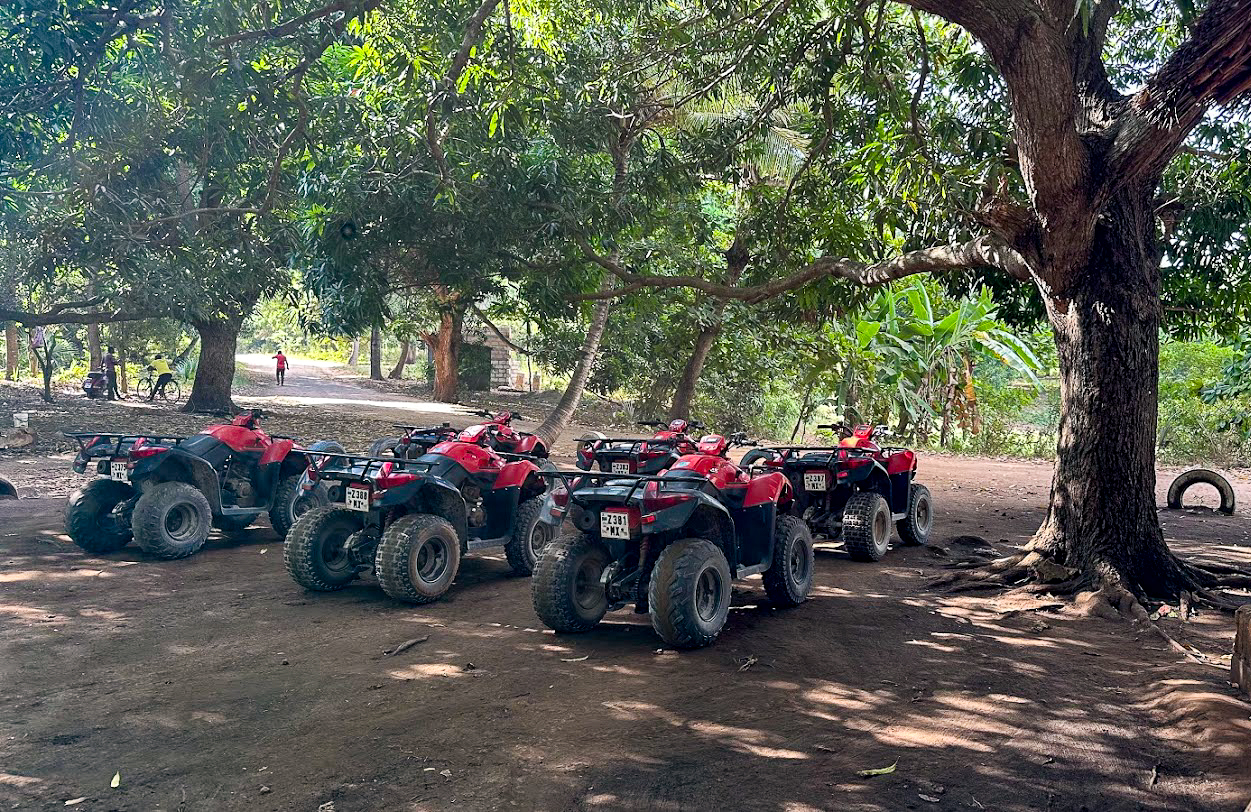
    If you are feeling the need for speed, you have to arrange an ATV tour. Known locally as “quads”, these four-wheeled, petrol-driven vehicles are so much fun. If you are feeling the need for speed, you have to arrange an ATV tour. Known locally as “quads”, these four-wheeled, petrol-driven vehicles are so much fun. After a short lesson at your quad base, tours take you out into the heart of the island, far beyond the beach resorts and into a side of Zanzibar that many visitors don’t get to see.

    Bouncing along dusty tracks, weaving through palm-lined paths and occasionally opening up the throttle on long smooth stretches, it’s equal parts adrenaline and exploration. Depending on who you tour with, you could pass through farmland, pockets of forest, quiet coastal stretches or local villages, with guides leading the way and keeping the pace comfortable for everyone.
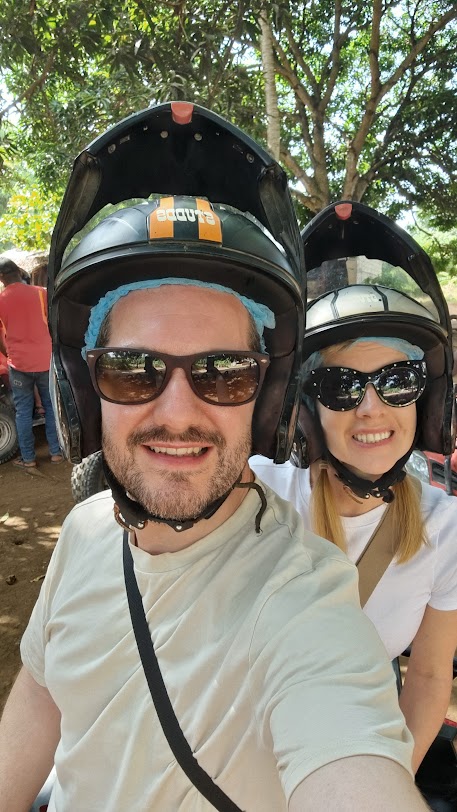
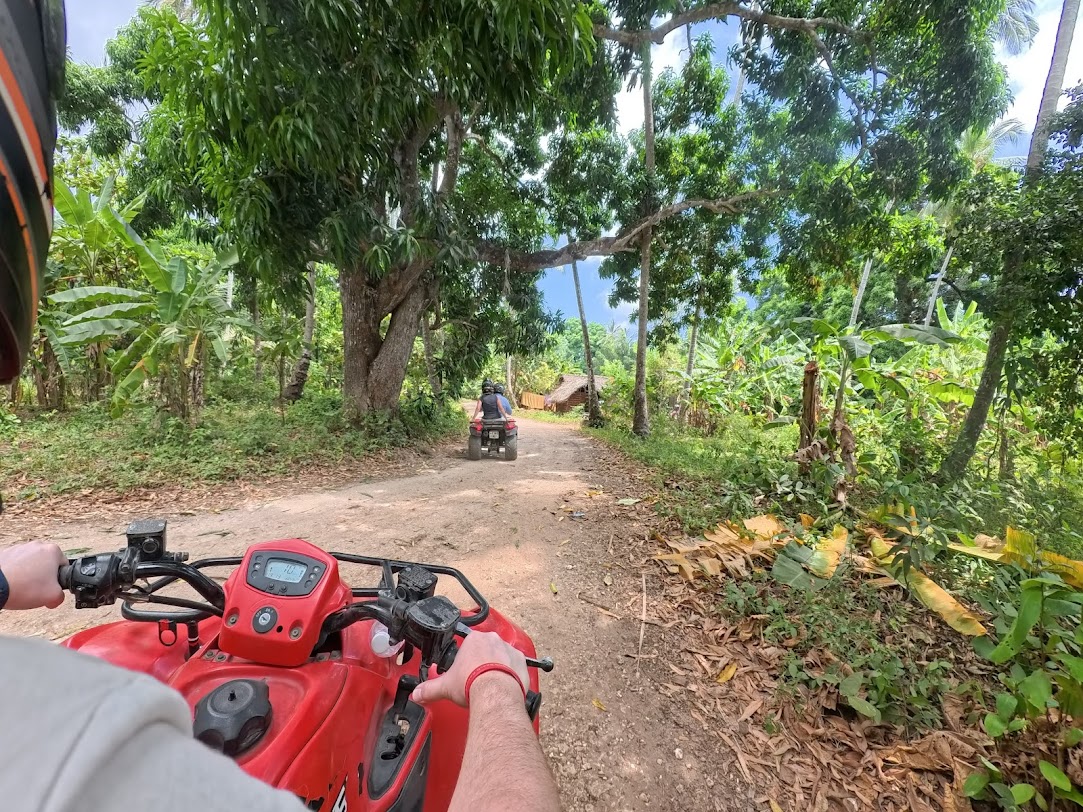
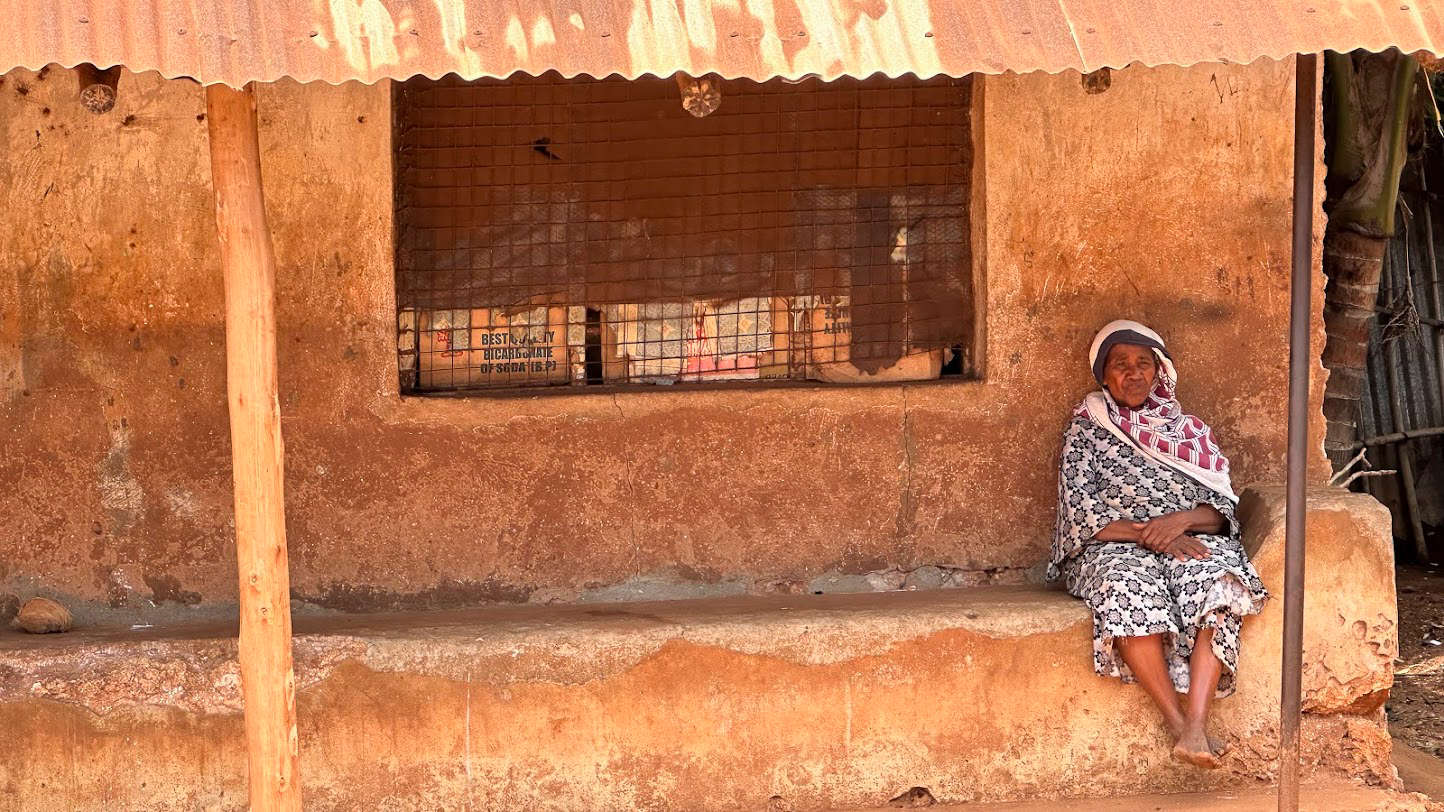
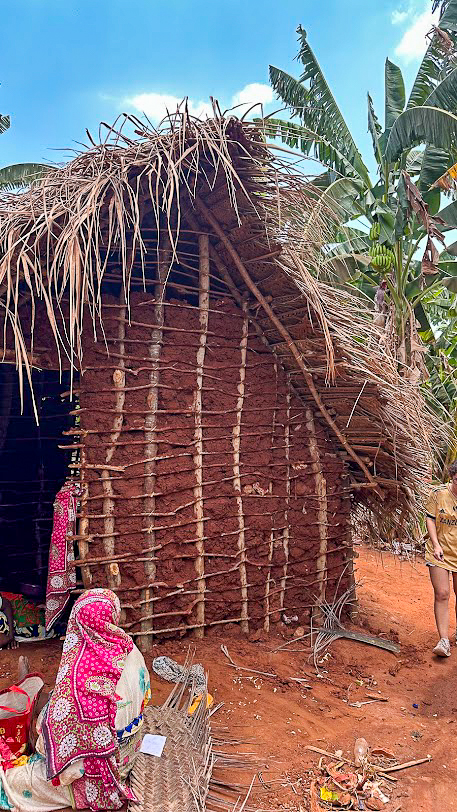
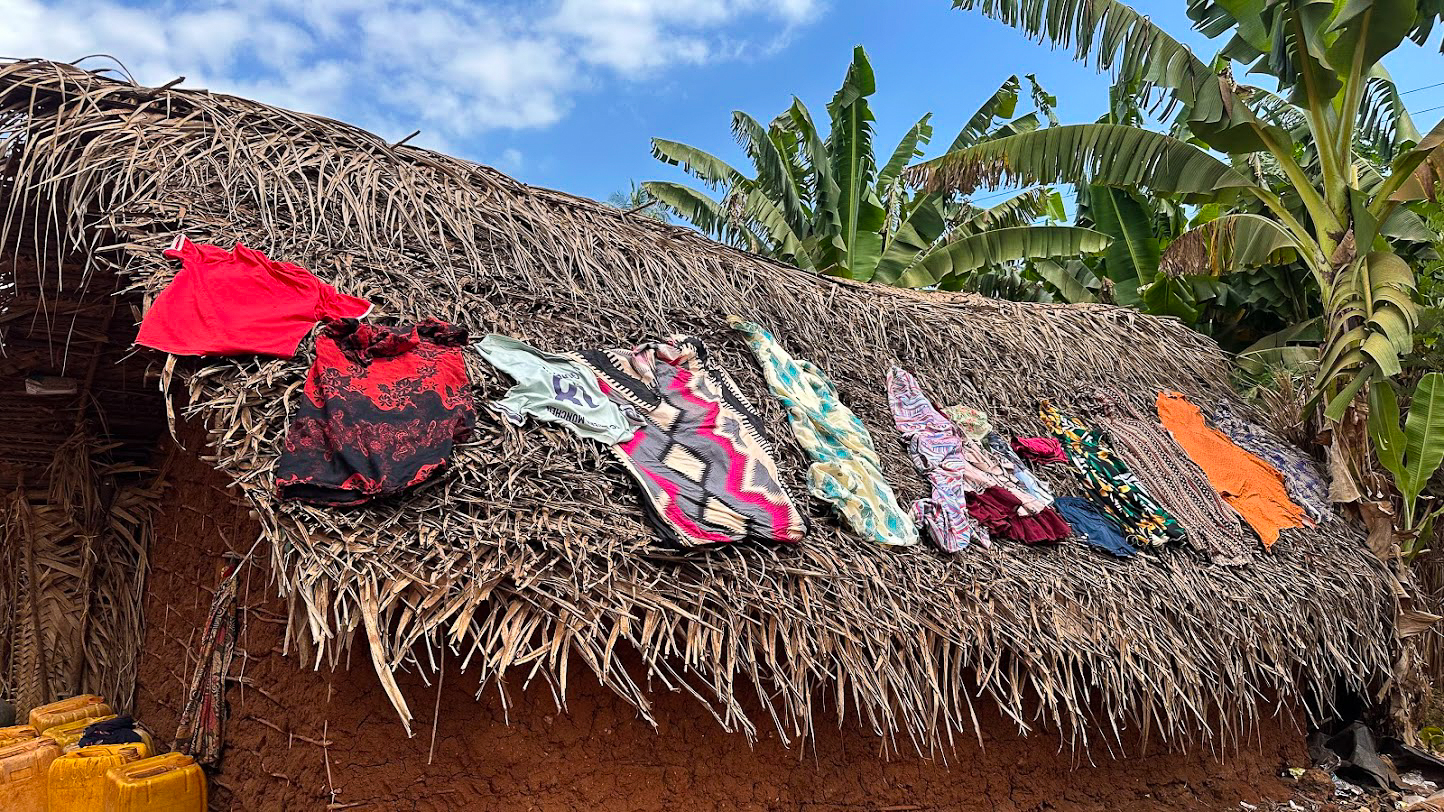
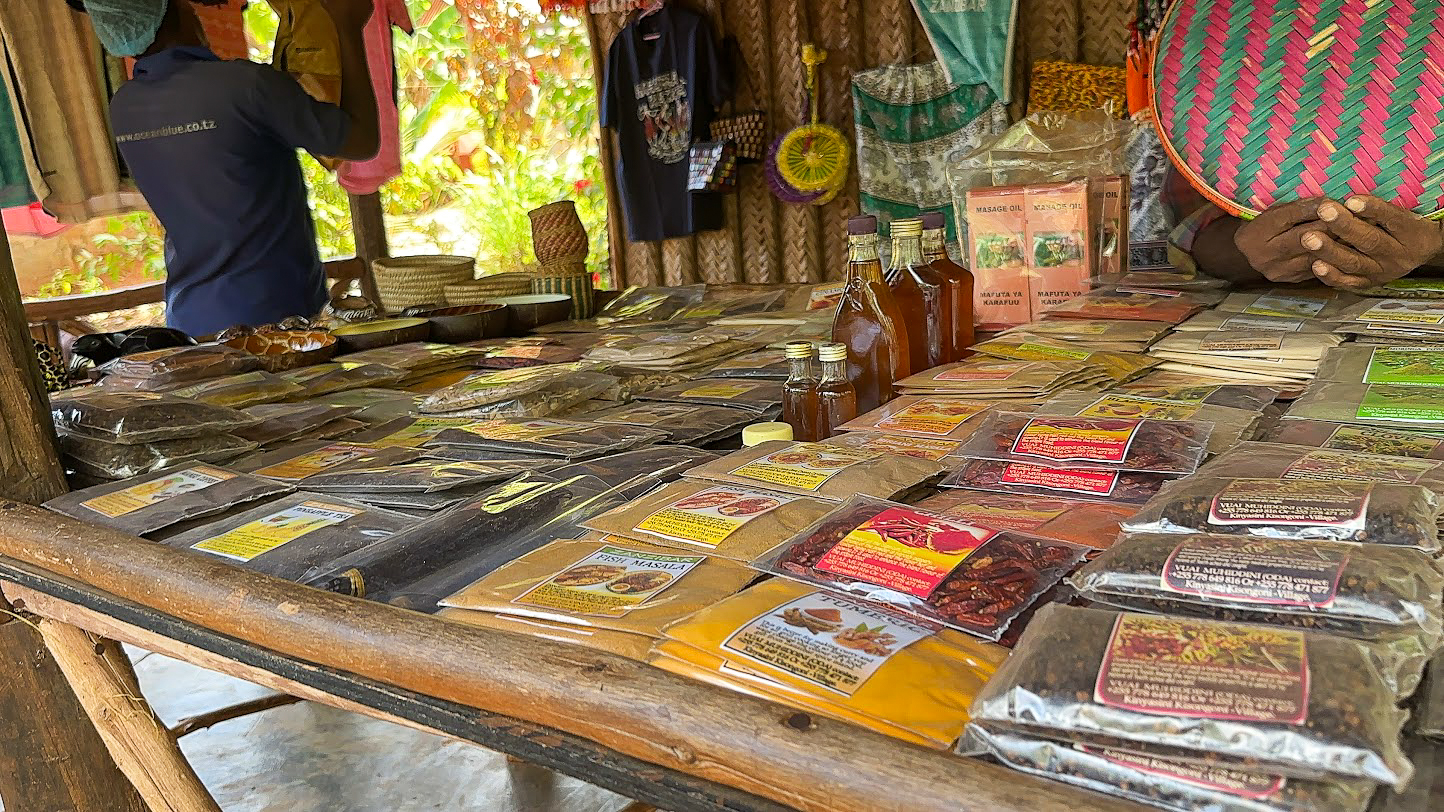
    Most tours include stops along the way, and ours took us into two local villages that work with tourism initiatives. It’s a quick glimpse into everyday life on the island. Kids waving as you pass, women chatting outside their homes, and small stalls selling handmade goods and spices. It can feel like a bit of a whirlwind, but it adds a layer of depth to the experience that you just don’t get from the coastline alone. If you’d like to give something back, you can bring small items like school supplies, or support the community by buying locally made crafts. Just be mindful and respectful, remembering that this is people’s everyday life.
    Expect to get dusty, a little windswept, and a little sweaty by the end of it.

    <script async src="https://tpwgt.com/content?trs=256470&shmarker=471045&place=atv%20zanzibar&items=3&locale=en-US&powered_by=true&campaign_id=108&promo_id=4039" charset="utf-8"></script>

    Final Thoughts on These 10 Things to Do in Zanzibar

    Zanzibar is the kind of place that lingers with you long after you leave. It’s equal parts adventure and slow island living, wrapped up in the warmest ocean breeze. Honestly, it’s somewhere we’re already dreaming about going back to. It’s not perfect, no place is, but its charm lies in that balance of beauty, history and real life ticking along in the background. What we loved most is how varied it is. You can fill your days with snorkelling trips, forest walks and quad biking adventures, or do absolutely nothing but lie on dazzling sand and watch the world drift by. Somehow, both feel equally right.
    Rosie xx

  • A Review of Tunisair A320neo Economy LGW – TUN

    A Review of Tunisair A320neo Economy LGW – TUN

    Tunisia is a year-round sunny destination that is just 2.5 hours from the UK. It feels like another world with North African food, culture and sunshine. For many, Gatwick is the gateway to this jewel on the southern edge of the Mediterranean. We flew Tunisair from London Gatwick to Tunis for our 2024 trip on one of their newest planes. Here is our review of Tunisair A320neo Economy LGW – TUN.

  • What to Do in Tozeur – Star Wars, Streams & The Sahara

    What to Do in Tozeur – Star Wars, Streams & The Sahara

    On the northern edge of the vast Sahara desert lies Tozeur, one of south Tunisia’s main cities. It sits in a huge palm oasis rich with dates and provides a welcome respite from the desert and salt lakes that surround it. Many visitors to the area arrive or leave from the airport here and if that’s your plan, make sure to give yourself at least a day in Tozeur to explore. Wondering what to do in Tozeur? Check out these 8 things to do in Tozeur for the best experience.

    This post may contain sponsored content or affiliate links that help support the blog. All opinions are our own.

    1.) Explore Mos Espa

    Start your trip by heading into the desert (or is that a galaxy far, far away)? Between two large salt lakes you’ll find an original Star Wars set strewn across a small section of desert. If you’ve seen Episode I, II & III then you might recognise it as the port city of Tatooine (not to be confused with the real life village of Tataouine which is nearby). It is best to hit this spot earlier in the day before it really heats up as there is almost no shade here.

    The domed houses look pretty convincing as an alien world from far away, but once you are truly close up and can poke your head into the dwellings, you’ll see that they are held up by a little more than papier-mâché and sticks. Still, it’s such fun to run around and play it being Jedi. There isn’t a lot of information boards so I would recommend watching (or re-watching) the first three movies (in the new order) before you go for the full immersive experience.

    Even if you aren’t that into the franchise, there are camel rides and quad bikes that you can enjoy.

    2.) Try Tunisian Fare

    Most restaurants in town serve Tunisian cuisine and there is little to choose between many of them but here are two that come highly recommended. (Just remember that no meal in Tunisia is quick, allow an hour or two for a slow feast). Restaurant le Soleil, Le Petit Prince and Restaurant Dar Deda are all top spots.

    • Couscous – A small wheat grain that plumps up with some hot water. That’s how we all know couscous but Tunisia does things a little differently, For a start, it’s called kosksi here. Full of flavour, topped with perfectly soft veggies and meat (if you like) the Tunisian cous cous is filling, super savoury and seriously moreish (or is that moorish?) The meat and vegetables are cooked in a pot and the steam rises to cook the couscous in a steamer above so it absorbs every last bit of aromatic steam.
    • Lamb – The most popular meat in Tunisia is lamb. The strong flavour makes meals pop with deliciousness and its slow cooking usually means a divine lusciousness. Keep your eye out for Koucha, lamb shoulder cooked with turmeric and smoky cayenne pepper.
    • Tajine – If you have been to other North African nations you might think you know what tajine is. Well, if you order one, what arrives at your table is going to be very different from the Moroccan stew you might be expecting. In Tunisia, tajine refers to a crustless quiche, similar to a spanish omelette or frittata. Lots of yummy ingredients, surrounded by a cheesy egg mixture and baked until solid but fluffy. This is a staple in the Flying Fluskey household and makes an excellent lunch.
    • Camel – You are in camel country so it is no wonder you’ll see it on menus. The meat is rich, red meat with a flavour that is somewhere between lamb and beef. If you are keen to try it, look out for camel steak or camel burgers on the menus of the more expensive restaurants in the city.
    • Brik – Brik is not as heavy as it sounds. Crispy malsouka pastry (similar to filo) is stuffed with a combo of these fillings: potato, tuna, chicken, anchovies, harissa, onion and if you are lucky, a nice runny egg. We had a fantastic version at Palm Beach Palace Hotel but cheap street food versions are abundant.

    But when it comes to Tozeur, brik isn’t only about food…

    3.) Check Out the Bricks

    As you travel through Tozeur, you can’t help but notice the intricate building designs. These are created by the local bricks, baked in the Saharan sun and fired by the wood of the palm trees. In summer traditional brickmakers can whip up hundreds every day, hence the abundance. The geometric patterns, hiding airy courtyards behind, are not just for decoration. The method of moving bricks forward and backward throughout the pattern not only looks good but also creates little shadows. The shadows both cool the houses by adding more dimensions for the sun to miss but also create little convection currents to cool them further. It is VERY smart (and pretty) desert engineering.

    4.) Relax (or Don’t) at Sahara Lounge

    Tucked away in Tozeur’s date palm-landed oasis, Sahara Lounge has two faces. If you just want a nice place to sip a mint tea, then claim a day bed and relax. However, if you like your tea with a side of adventure then ask about their ropes course.

    Sahara Lounge has a zipwire course which extends around the edge of the property and is surprisingly fabulous. The whole thing takes around 40 minutes and is thrilling. You’ll need some basic fitness to climb the nets between the lines but if we can do it, you can too!

    5.) Do a Little Shopping

    A wander through the Bazar or Medina is the best way to see a slice of life whilst doing some souvenir shopping. Displayed along the main Avenue Abdul Kacem Chebbi you will find a line of shops selling handicrafts, furniture and pretty homewares. However, if you venture further into the twisting medina, you will see people buying their everyday goods. Keep an eye out for basket shops. Palm leaves are woven into beautiful bags, baskets and lampshades and make wonderful reminders of your time in the oasis.

    If you want to pick up some fresh fruit, dates or just want to wander around somewhere people are doing their daily food shop, then pop into the Central Market. There are fruit and vegetable stalls in the front and & protein stalls in the cooler back section.

    6.) Take Yourself for the Perfect Date

    Nestled within the Palmeraie is Eden Palm, the date museum. You will get a guided tour of the date palm garden, explaining the date palms and other fruit trees as well as the irrigation practices. Tunisia’s history with dates is long and interesting, and the passionate guides bring it to life as you stroll through the greenery.

    Then, when you are a little warm and in need to sustenance you are taken inside. There is a tasting of all kinds of delicious date products; chutneys, syrups and preserves that you can also purchase. If you fancy sticking around and doing some more exploring, horse and carts wait outside and take tourists through the palm trees.

    7.) Hike Chebika Oasis

    Chebika desert oasis is known as a Berber village, and it once was but it severely flooded in 1969 so now, nobody lives there. However, it doesn’t make it any less wonderful to visit. When you first drive up, it could be hard to tell that you’ve arrived at an oasis, with only a steep rock face, rising from the sand. But trust me, there is water here.

    Start by heading through the buildings and up towards the goat statue you can see high on the rock. It is quite steep so make sure you have good walking shoes. Stop to catch your breath and take in the view across the desert halfway up. At the top of the hill, there is a small gap between the rocks which you should make your way through. On the other side you will see the small cluster of palms, denoting the spring.

    Head down towards the water source and if it is really hot you can pop your feet in to cool down. (Well, you can actually swim if the water is high enough and the day hot enough). The scenery is spectacular with the green pool backed by sheer rock and the lush palm trees overhanging it. It’s a lovely spot for a dip. Traversing from the pool, through the gorge gives a striking aspect that you would miss approaching from the other direction, Follow the water back towards the palm trees and up to the cafe where you can grab a quick drink.

    8.) Get Your Feet Wet at Tamerza Canyon

    Wind your way up the highway, curving around the hillsides until you come to another rush of water in the desert. In fact, this is the largest oasis in Tunisia. Tamerza Canyon is home to a river and waterfall fed by the surrounding hills.

    Make your way past the souvenir stalls selling t-shirts, camel trinkets and tea until you can see the waterfall. It is remarkable to see the contrast of bare rock, yellow sand and flowing water.

    Even at low water, it’s a beautiful spot to visit. You can walk down into the valley and right up to the falls. In fact, you can nip behind the water as long as you don’t mind getting wet feet. (All hail the JuJu Jellies).

    How to Get to Tozeur

    Tozeur is an eight hour drive from Tunis on well paved roads. It is possible to do in a day but rather hard going. The better way to reach Tozeur is to fly. Domestic flights from Tunis take just over an hour. Tozeur-Nefta Airport is only 3 miles from the centre of Tozeur so takes just 10-15 minutes in a taxi, just bear in mind that TunisAir has been known to cancel and delay flights so a plan B is handy.

    Where to Stay in Tozeur

    Tozeur doesn’t offer much in the way of nightlife so picking a great hotel is a must. The Palm Beach Palace Hotel‘s stunning lobby and fully stocked bar is a great option. There is a large outdoor pool for sunny days and summer nights and a beautifully heated indoor option for those chillier winter evenings. The cocktails are reasonably priced and the blue lagoon is top notch but they also have some local spirits which are fun to try as you sit by the waterfall.

    Check out our full Palm Beach Palace Tozeur Review

    When it’s time to sleep, the large bedrooms with their huge double beds and beautifully tiled bathrooms are modern, calming and comfortable.

    For another really cool experience, check out nearby desert camps. Sleeping under canvas, with a sky full of stars above and the golden sand below is a magical experience. Saharansky offers great packages which include food, accommodation and a camel ride too.

    How to Get Around Tozeur

    To see and do this list of things to do in Tozeur, you are going to need a driver. You could spend the whole day in town but to make the most of the surrounding area, get a 4×4 and driver. Most hotels can help arrange a private driver for a very reasonable rate. You could also opt for a tour that takes you out to these sights.

    If you plan to stay in town then you can walk between some of these sights easily. Or you could hop in one of the many horse and carts that can be found near most tourist spots.

    Check out all our travels in Tunisia

    Final Thoughts on What to Do in Tozeur

    Tozeur may not be on the normal tourist itinerary for Tunisia…but it should be! It is a world away from Hammamet & Sousse with unique desert landscapes and cool film moments. Tunisia’s beautiful oasis should be part of every Tunisian trip.

    Rosie xx

  • Your Perfect One Day Tunis Itinerary – Bardo, Bazaars and Bambalouni

    Your Perfect One Day Tunis Itinerary – Bardo, Bazaars and Bambalouni

    Tunis is the enigmatic capital of Tunisia. Fun fact, the country was named after Tunis and not the other way around. Many flights arrive at Tunis airport and busloads of tourists drive straight past the city without giving it a second glance. What a mistake! It is absolutely worth staying in the city for at least one day to take in its sights. For a quick trip, here is your perfect one day Tunis itinerary.

    This post may contain sponsored content or affiliate links that help support the blog. All opinions are our own.

    National Museum of Bardo

    The Bardo Museum in Tunis is housed within the magnificent walls of a palace originally built in the 1200s and extended in the 1700s. It is beautifully tiled and is an attraction in and of itself. Inside you will find a treasure trove of art and artefacts from across Tunisia.. The most popular exhibits feature huge Roman mosaics, full of intricate details of North African life. As you enter, marvel at the Triumph of Neptune. This was installed on the wall during a recent renovation and became the world’d largest vertical mosaic. However, the museum isn’t just about ancient history. It’s also packed with items telling the story of Tunisia’s later cultural heritage.

    Photo from Deposit Photos – efesenko

    The Bardo is a little far out of town, on its Western edge. Hop in a cab from here and ask for Monument Place de la Kasbah.

    Place de la Kasbah

    Place de la Kasbah is a big, lively public square created when the French removed the Kasbah walls in the 1950s. Around the edge you will find both the old Kasbah Mosque and newer important city buildings. The square’s importance is reflected in its use as the base for many huge protests.

    The Monument of the Kasbah at the heart of this big public square. It was designed by Abdelfattah Boussetta in 1989. It is reminiscent of Turkmen city buildings but actually memorialises several big events in Tunisian history.

    Photo from Deposit Photos – francofox

    Wander the Medina

    Walk into the Medina, a UNESCO World Heritage Site. If you have a compass on your phone (or a real compass) then make sure you are walking due east. This is the main souk of Tunis and holds everything from tourist souvenirs to wedding gowns.

    If you plan to do a little shopping, be prepared to haggle. Negotiating a price is expected and all part of the dance. Be prepared with a price you’d like to pay (and a slightly higher one that you would accept) and let the fun begin. Sticking to your guns and walking away is a very effective way of getting your desired price. However, remember that £1 might not be much for you but could be a lot to the stall holder so don’t quibble too hard. Even if you aren’t shopping, it is an interesting place to get a little lost, do some serious people-watching and to see some of the beautiful things that fill Tunisian homes.

    Just remember that most shops are shut on Sunday

    Zitouna Mosque

    Halfway along your path, you should come across Zitouna Mosque. It is not possible to visit for nonmuslims but for a glimpse inside the courtyard, head to Paronrama Medina Cafe. See if you can spot the columns, salvaged from nearby Carthage.

    Victory Square (Olace de la Victoire)

    Emerging from the Medina, you can’t miss Bab El Bhar (Porte de France). This large arch is the centrepiece of Victory Square and is backed by a fun fountain, perfect for running through on a boiling day (if you don’t mind soggy undies). This gate used to be part of a large medina wall but the walls rather side were removed by the French.

    The Victoria Royal Hotel on the edge of the square used to be the British embassy before most of the embassies moved out to the New Town. It has a faded charm and some rather fancy furniture.

    Avenue Habib Bourguiba

    Keep heading east along the large Avenue Harbib Bourguiba. This Parisian-style boulevard has a nice, pedestrianised central walkway and some nice leafy trees, perfect in summer. You could stop in one of the pavement cafes for some lunch or a coffee.

    On your left, opposite the French embassy is the Cathedral of St Vincent de Paul and St Olivia of Palermo. The Catholic cathedral’s exterior, completed in 1910, might remind you of a Spanish church and it does share Moorish design roots. Inside, the half dome that stretched nice the alter is magnificent, edged by white columns and covered in heavenly frescoes.

    Further along the road, one the right is the Théâtre Municipal de Tunis. Built in 1902, its interesting white frontage celebrates the beauty of Art Nouveau. They don’t do tours but if you check the schedule ahead of time, you may be able to get tickets for one of the ballets, concerts or theatre shows that are regularly performed here

    Hop on the TGM

    Walk to the TGM Marine Station (sometimes known as Tunis North) and grab a ticket. TGM is one of the the railway systems in Tunis and stands for Tunis – Goulette – Marsa. We will ride it to the end later in the evening. The train takes around 30 minutes and runs every 15.

    Sunset at Sidi Bou Said

    Sidi Bou Said is known as the Santorini of Tunisia. White and blue buildings wind up a steep will on one side, and cascade towards the Mediterreanean on the other. Here, artists workshops abound and it feels a world away from the busy centre of Tunis. Technically, this is a separate village but as with all cities, ubran spread mean it is now basically suburb…albeit and delightful one.

    Head up the hill from the train station and make your first stop Dar el Ennebi Museum.

    Dar el Ennebi Museum

    This house museum is maintained as a traditional Tunisian villa with plenty of space in the airy courtyard, and plenty of rooms upstairs for the wives. Make your way up to the top of the roof for a great view across the rooves. Be careful on the very top level though as there isn’t much of a railing.

    Bambalouni

    Further up the hill is the duo of bambalouni shops opposite Dar Zarrouk, that attract long lines of hungry visitors. For less that £1 you can get a hot, freshly fried doughnut called bambalouni. You can have them plain, or covered in sugar. These taste just like the doughnuts from the British seaside but they are as light as air. The shop on the left is the original but the one on the right is bigger….both are great though.

    Sunset Views with a Drink

    For a beverage with a view, there are two excellent options and one bad one (but it has booze):

    • Caffe Des Nattes – You will have to get here early to snag one of the outside tables. The best vista is from the small terrace on the right as you ascend the stairs to the entrance. You may even get lucky and have a furry, feline friend join you.
    • Cafe Des Delices – This cafe tumbles down the hillside with stellar views across the water. Ignore the waiters insistance that you sit near the top of the cafe and make your way straight down to the waterside. They will relent and you will have some of the best seats in the house. Keep your ears peeled for the singer that serenades couples. Apparently his song encourages fertility and…all that goes along with that.
    • Dar Zarrouk – If you want a cocktail then this your only option. It isn’t badly priced with cocktails around 25-35 dinars (£5-£6) but doesn’t really have a view…but needs must.

    Dinner at La Marsa

    To round out this one day Tunis itinerary, take a taxi or hop back on the train to reach La Marsa. This coastal suburb is known for its seaside promenade and dining options. If there is still some light and heat left in the day then strolling along the seaside promenade is a real pleasure and another excellent people-watching moment. Once you’ve worked up a proper appetite, enjoy some dinner at one of the local seafood restaurants like the excellent O Moules or highly rated Yabon. Their fresh, Mediterranean catch is prepared simply, cooked to perfection and considerably cheaper than fish restaurants back home!

    A Few Tips for Visiting Tunis

    • Currency – Tunisia uses the Tunisian Dinar. It cannot be converted outside of the country. Bring cash with you to exchange at the airport. Money can’t be changed back without a receipt so taking it out of a machine is a worse option. Plus, some machines have been known to swallow or clone cards so the less you use them, the better…
    • Getting Around Tunis – Utilize taxis, buses, or the Tunisian TGM (Tunis-Goulette-Marsa) train to navigate between locations.
    • Comfortable Shoes – Bring comfortable, flat shoes for walking. Pavements can be a little uneven in the Medina and the steep hill at Sidi Bou Said is a tricky business in stilettos.

    Final Thoughts on Your One Day Tunis Itinerary

    If you have an extra day, a whole weekend in Tunis, then spend a day at Carthage. It is especially handy if you are around on a Sunday as many other things shut but the site is open, This huge complex contains ruins, a museum and a huge amphitheatre. We will certainly return to Tunis one day and spend some time here but until then, the wonderful memories of our day in Tunis will have to suffice.

    Rosie xx

  • 5 Things To Do in Chefchaouen, Morocco’s Blue Jewel

    5 Things To Do in Chefchaouen, Morocco’s Blue Jewel

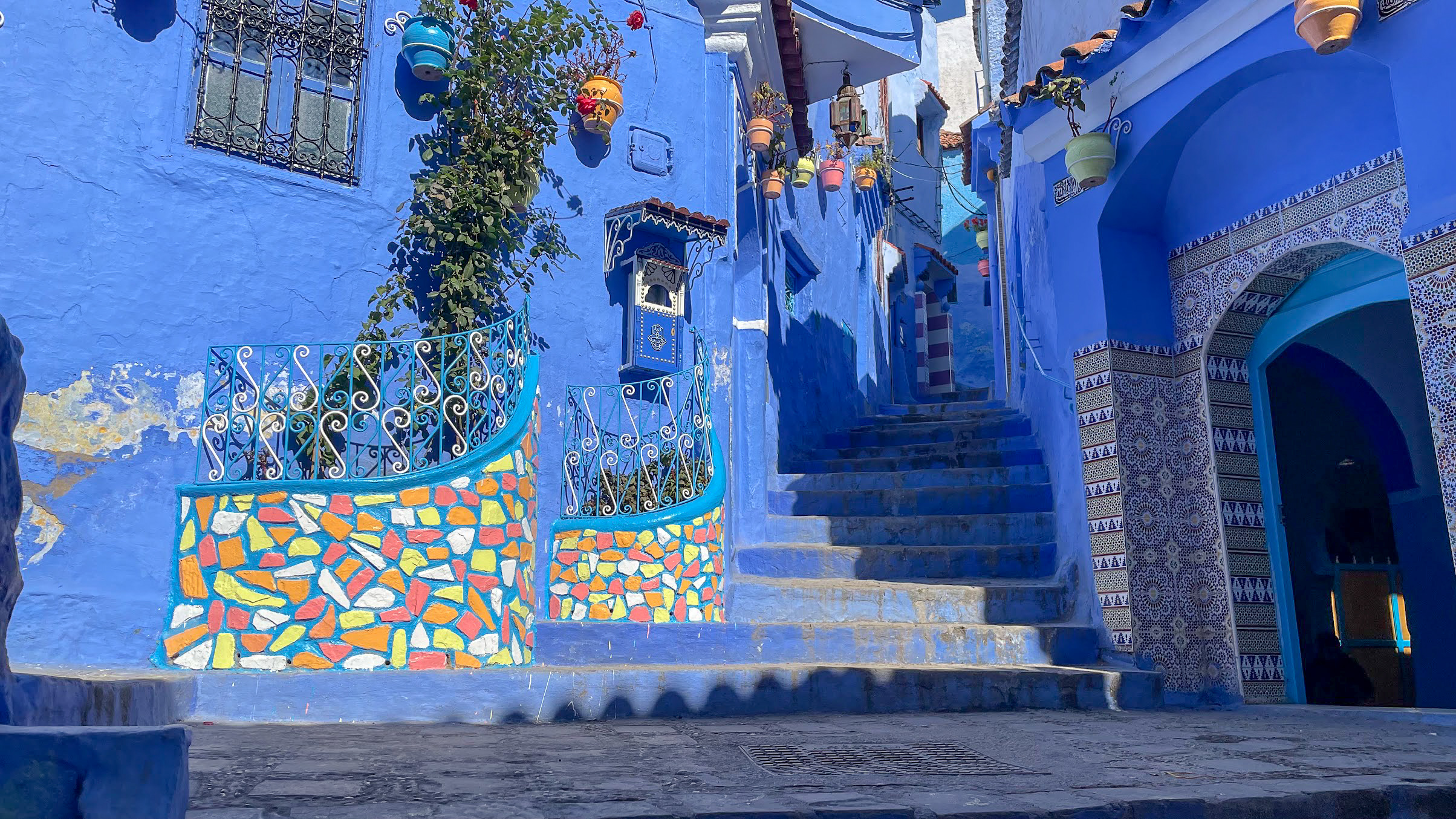
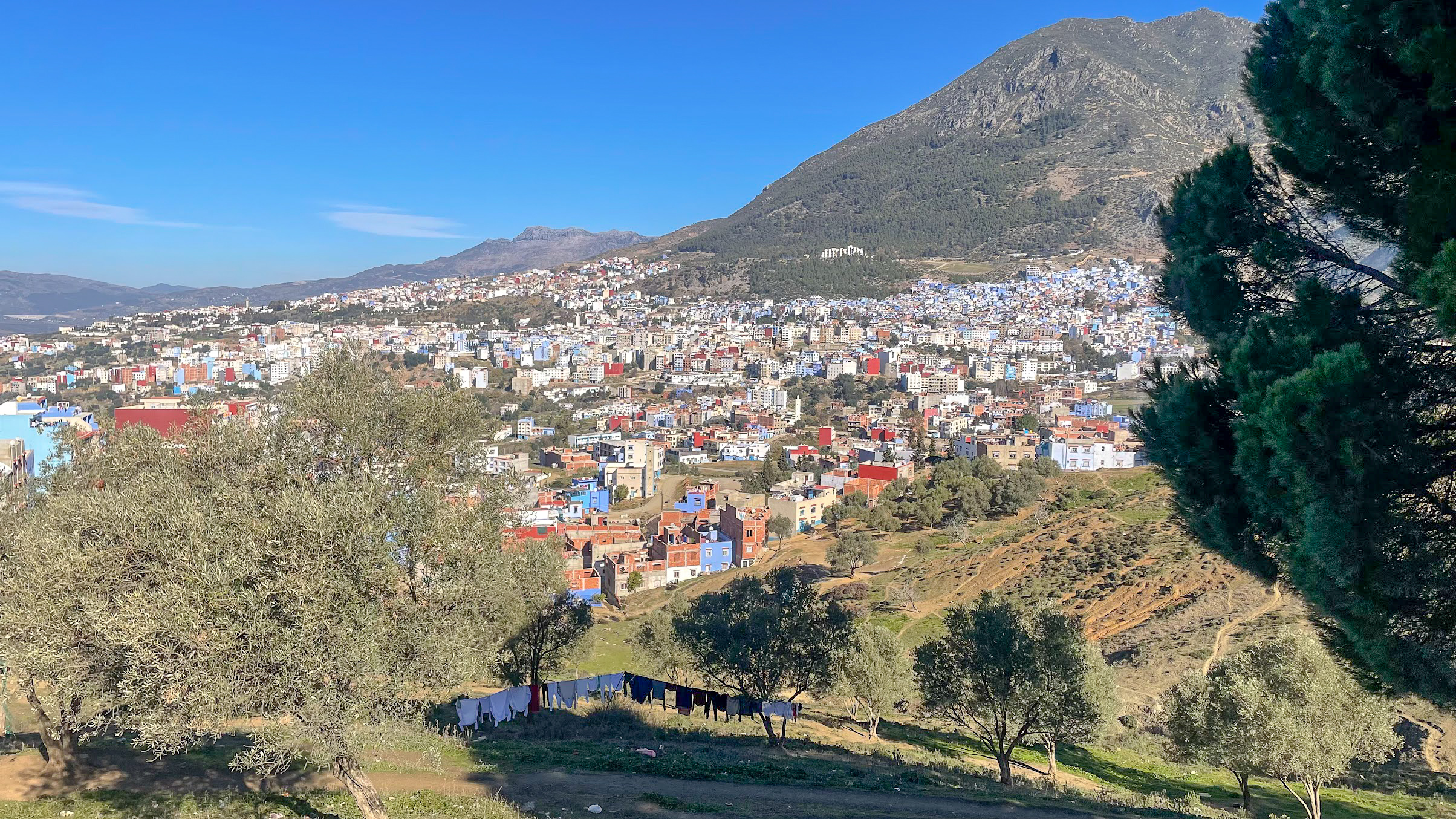
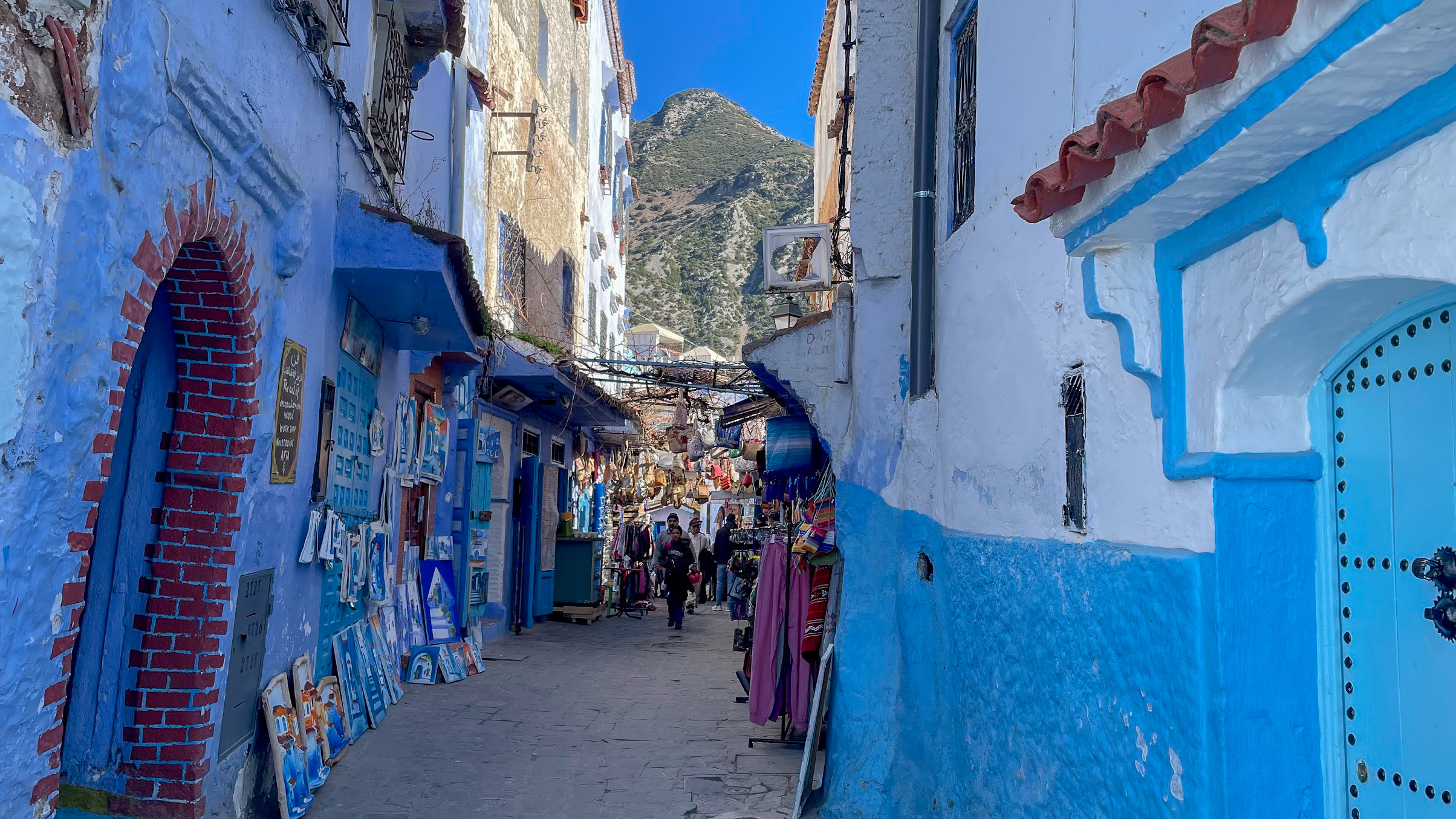
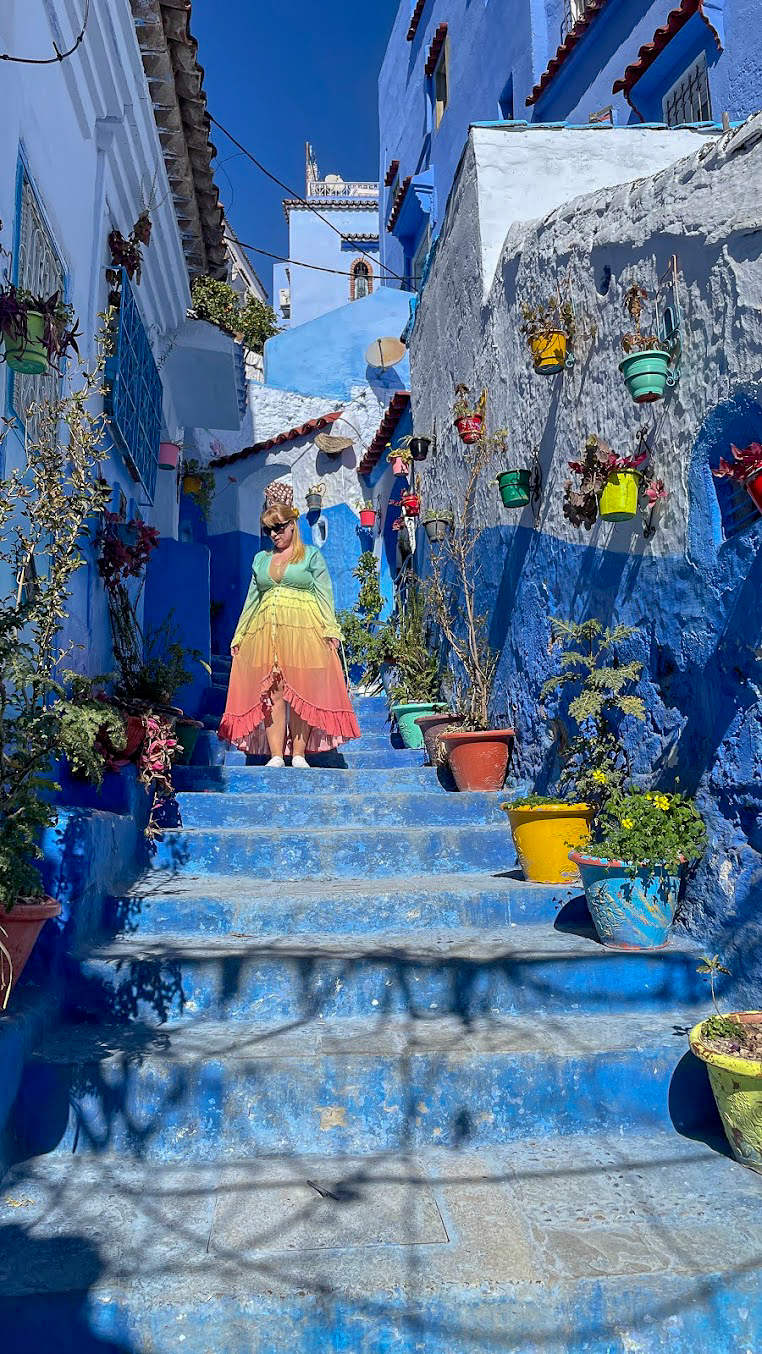
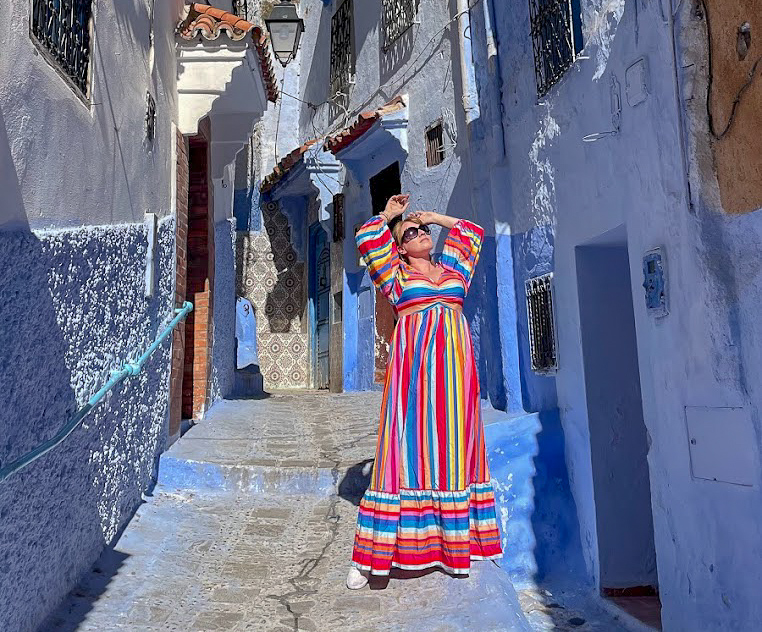
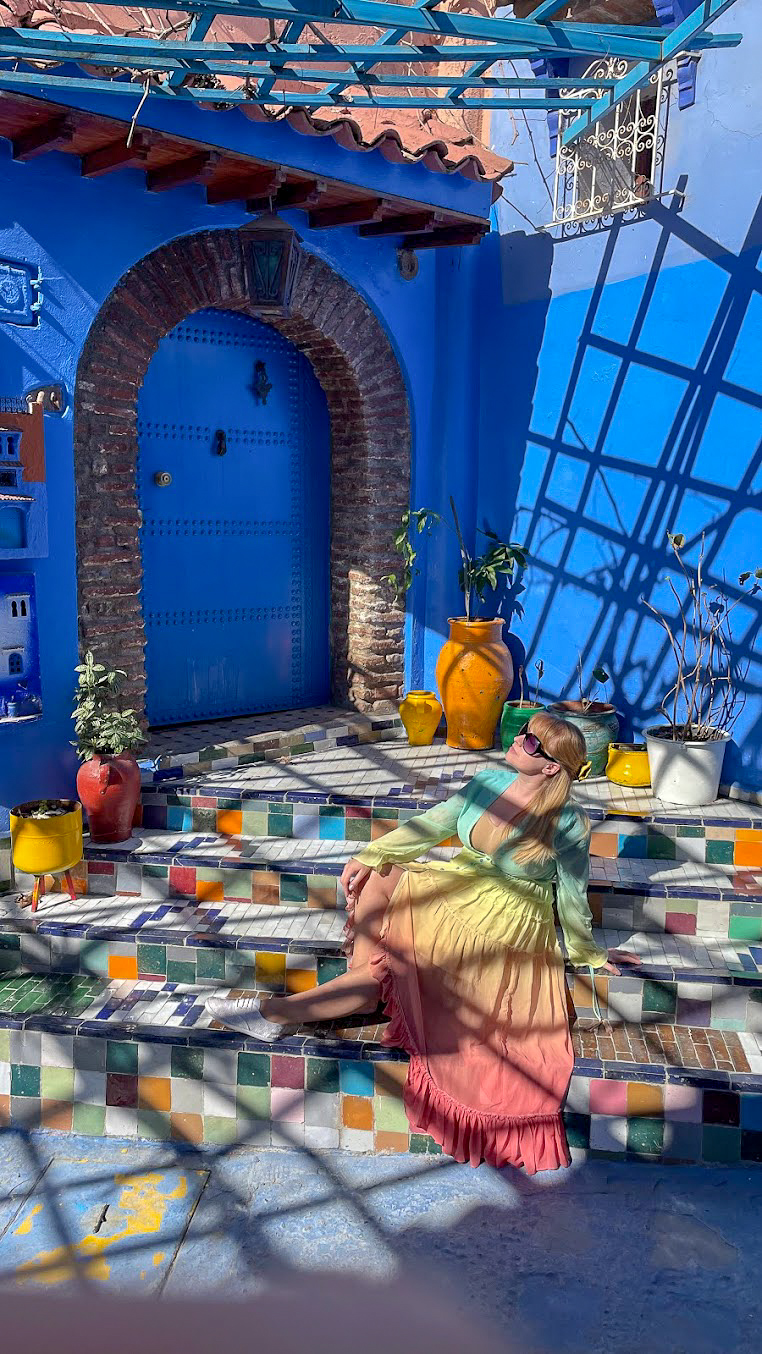
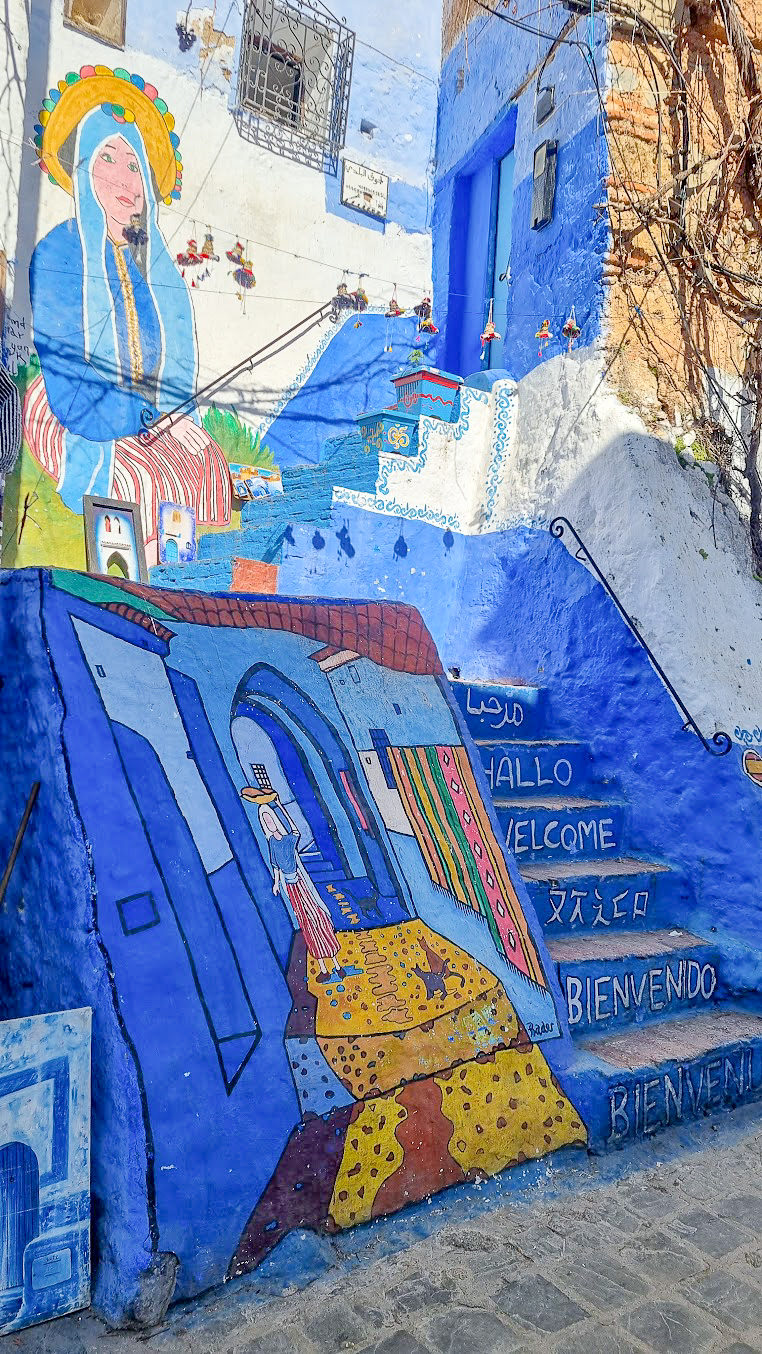
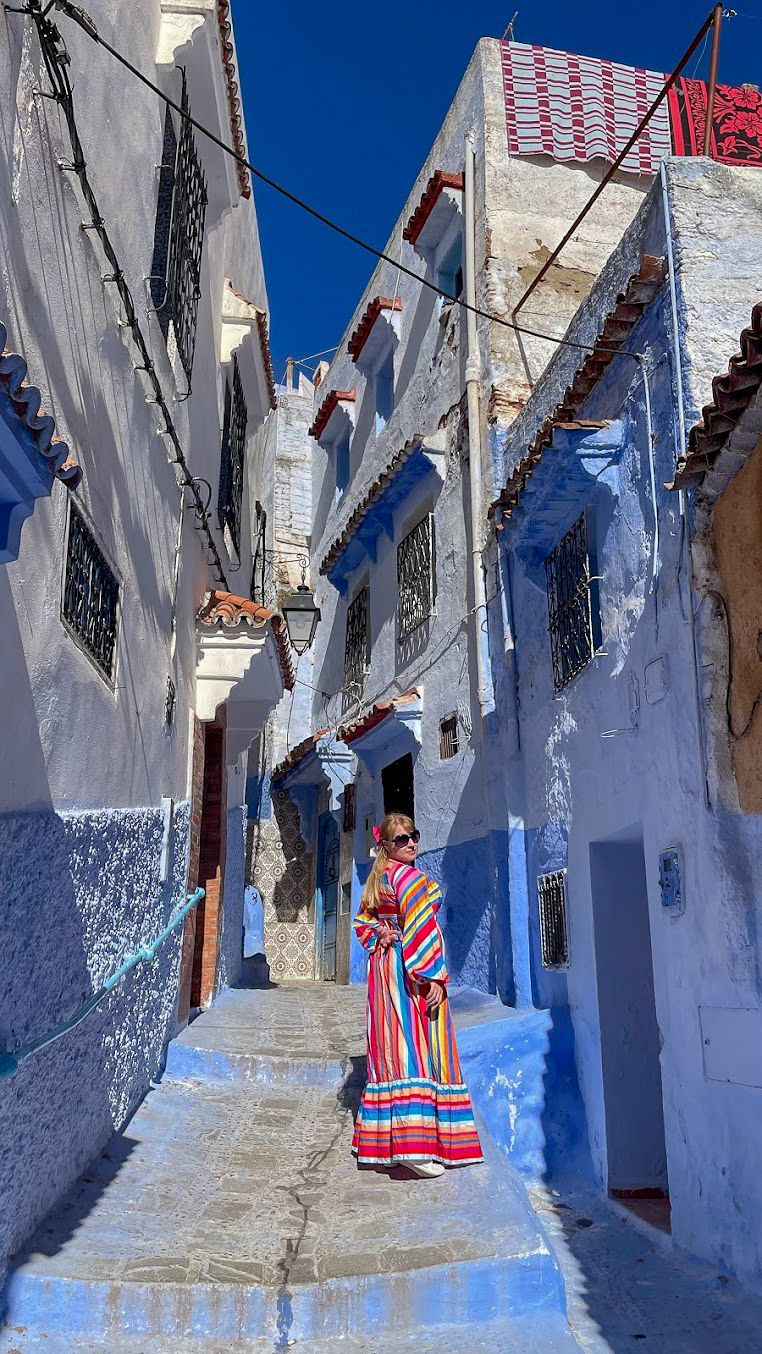
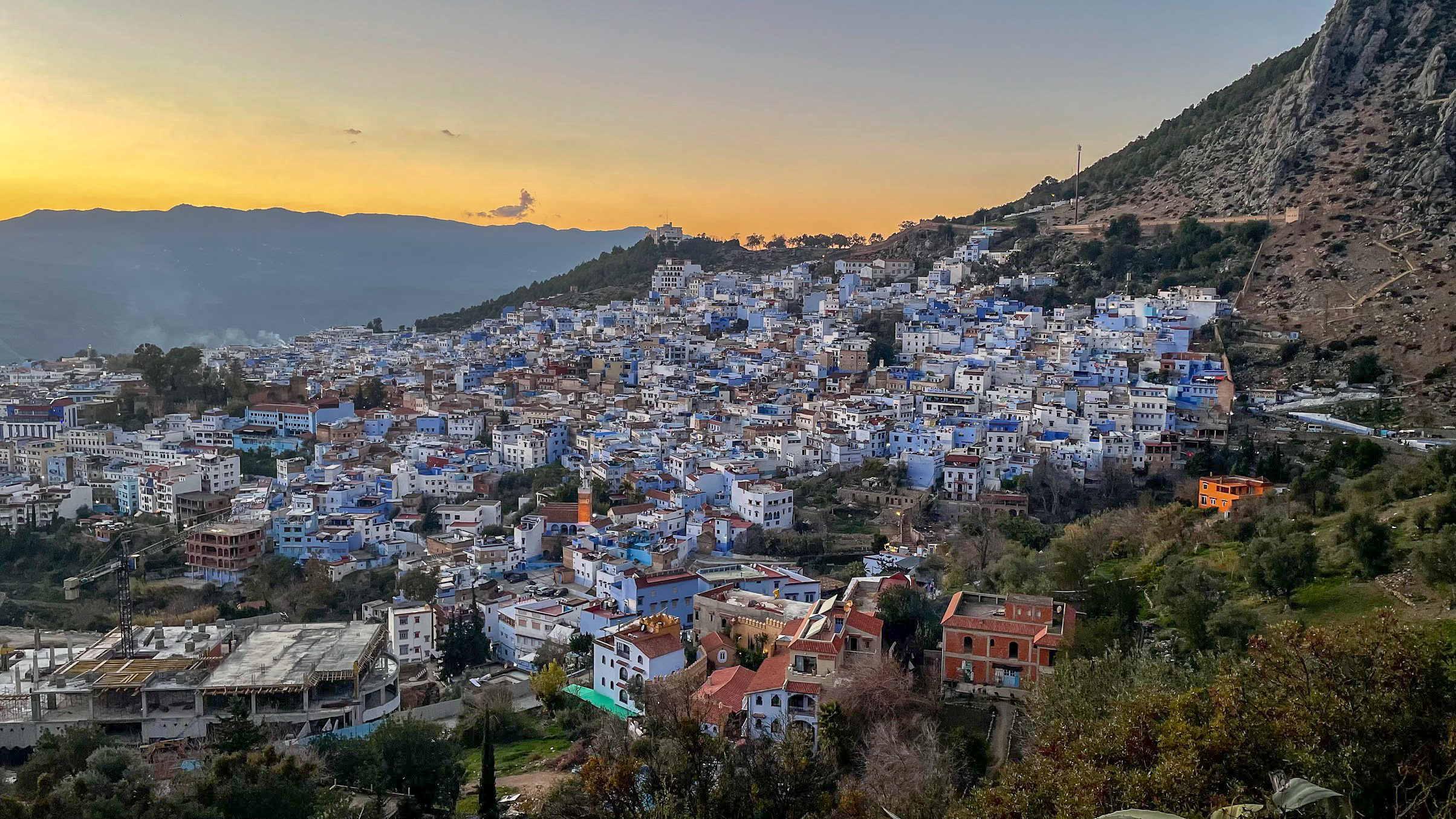
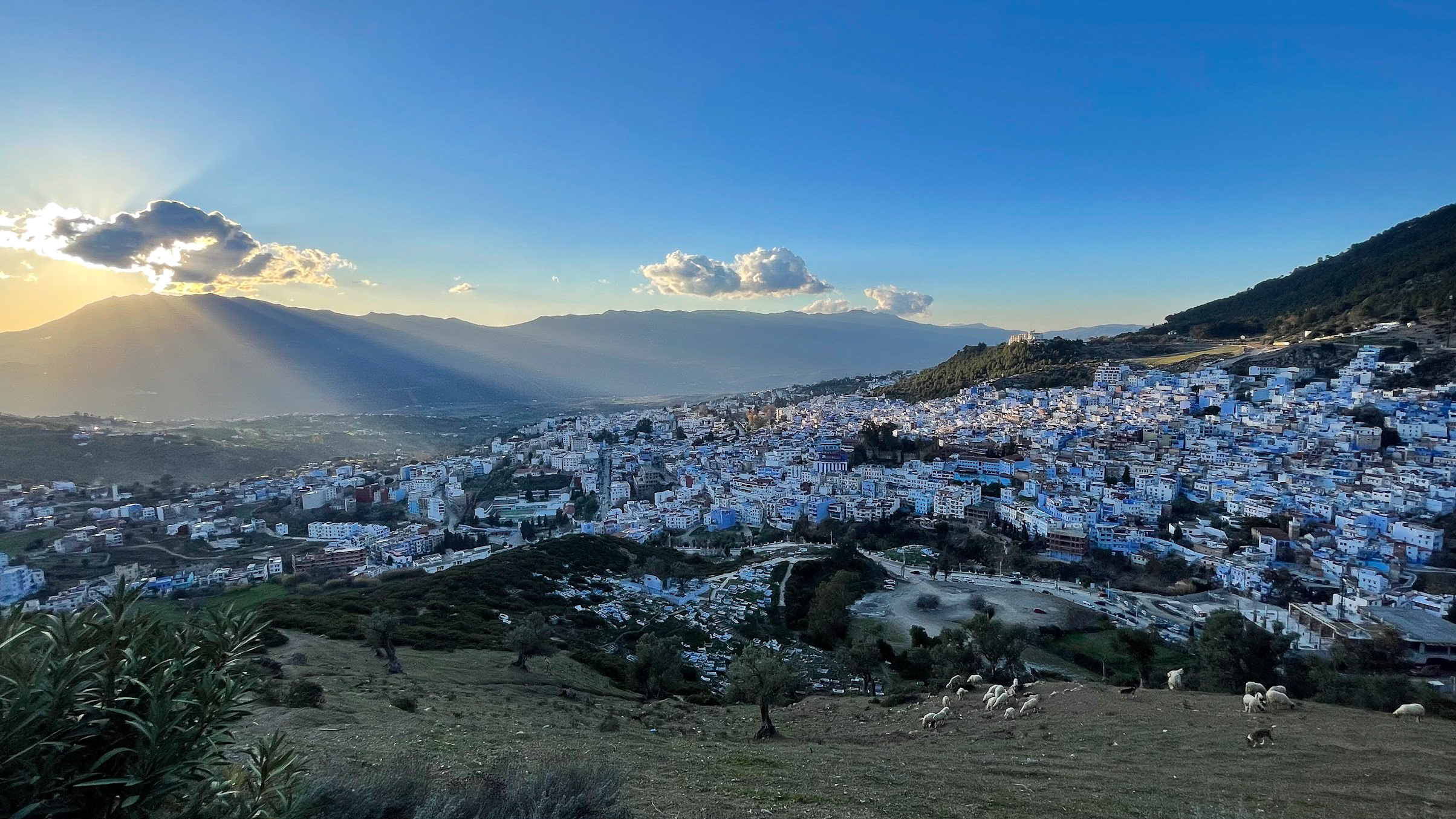
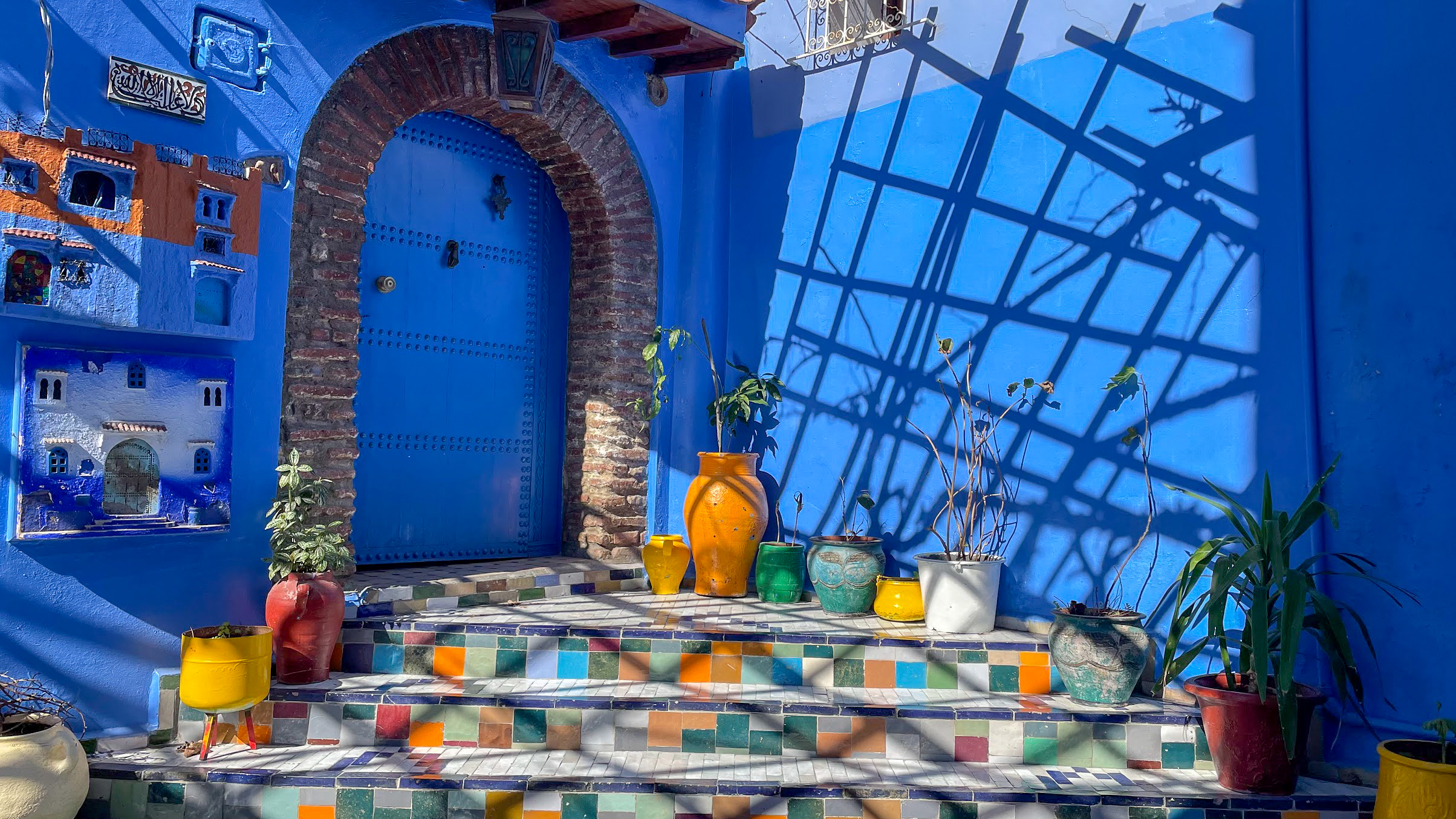
    Chefchaouen, Morocco has had something of a tourist boom in the last few years, and it’s all down to “the ‘Gram”. The bright blue walls of the town make a beautiful background for many an Instagram photo and although this is the first item on our list, there is plenty to do in town. So, here are our favourite 5 things to do in Chefchaouen.

    This post may contain sponsored content or affiliate links that help support the blog. All opinions are our own.

    Chefchaouen

    Chefchaouen is the cyan settlement in the North of Morocco. From here it’s a 2.25 hour drive north to Tangier, 3.5 hour drive south to Fes, or 5 hour drive south west to Casablanca. These are two main airports that you would fly into to visit. The town is small, with a population of just 43,000. Tourist numbers swell dramatically every day. This is not a spot that is particularly easy to get to. You will need to take a bus or car and you won’t need more than a day unless you plan to visit the nearby Akchour waterfalls or do some hiking in the hills. We decided to spend 24 hours in Chefchaouen.

    Check out all our travels in Morocco

    Why is Chefchaouen Blue?

    There are two main theories regarding the sapphire-stained walls of Chefchaouen’s souk.

    Mosquitoes

    Apparently, mosquitoes are not a fan of blue. (Sadly, I have very pink legs and they seem to love that!) We visited in January, not a popular time for mozzies so we cannot confirm or deny the efficacy of this theory. I might be sticking to blue dresses in future though, just in case. It also may keep the buildings cool but surely there would be more blue, and less white spots in hot countries if this was the case…?

    Judaism

    The other, more popular suggestion is that the Jewish population that fled here to escape persection, painted the walls. The blue colour reflected the colour of the Moroccan sky and represented their closeness to God. There used to be less of the blue, but about 45 years ago, the city embraced the azure aesthetic. There aren’t any Jewish families left in Chefchaouen but now that it makes an awful lot of tourism dollars, we don’t see them reverting the old white medina.

    5 Things To Do in Chefchaouen

    1 – Take All the Photos

    Yes, it is a teeny bit cringe but Chefchaouen is an Instagram dream. Around every corner is another gorgeous little spot with those blue walls, pretty mosaics, coloured flowerpots and sometimes a cute kitten to play with. So wandering around taking photos is naturally the best things to do in Chefchaouen. The shades of blue are endless and they change with the light throughout the day. The most popular spots can be found on many a blog post and even on Google Maps.

    We visited in early February and we did have to wait for one of two of those most famous places later in the day but we had a lot of the town to ourselves in the morning. Things began to get busy after around 09:30am. If you plan to be in the shots, bring a bright outfit in a contrasting colour. I stuck with rainbow because who can make their mind up. Do remember that these are people’s houses so respect any signs, barriers etc and do pay the fee if requested.

    Travelling around? Check out Exploring Morocco with Gorgeous Morocco

    2 – Lunch at Plaza Uta el Hamman

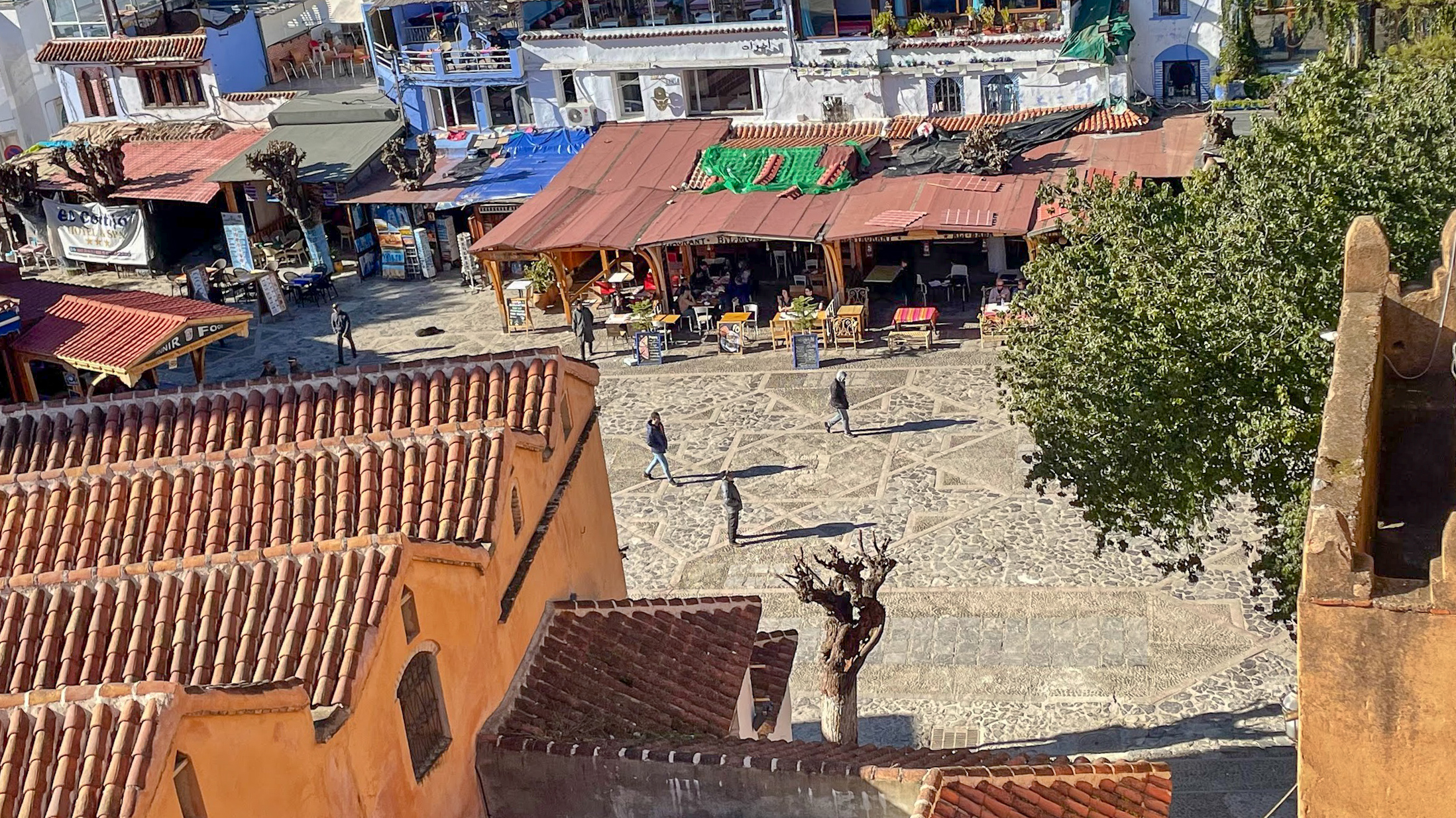
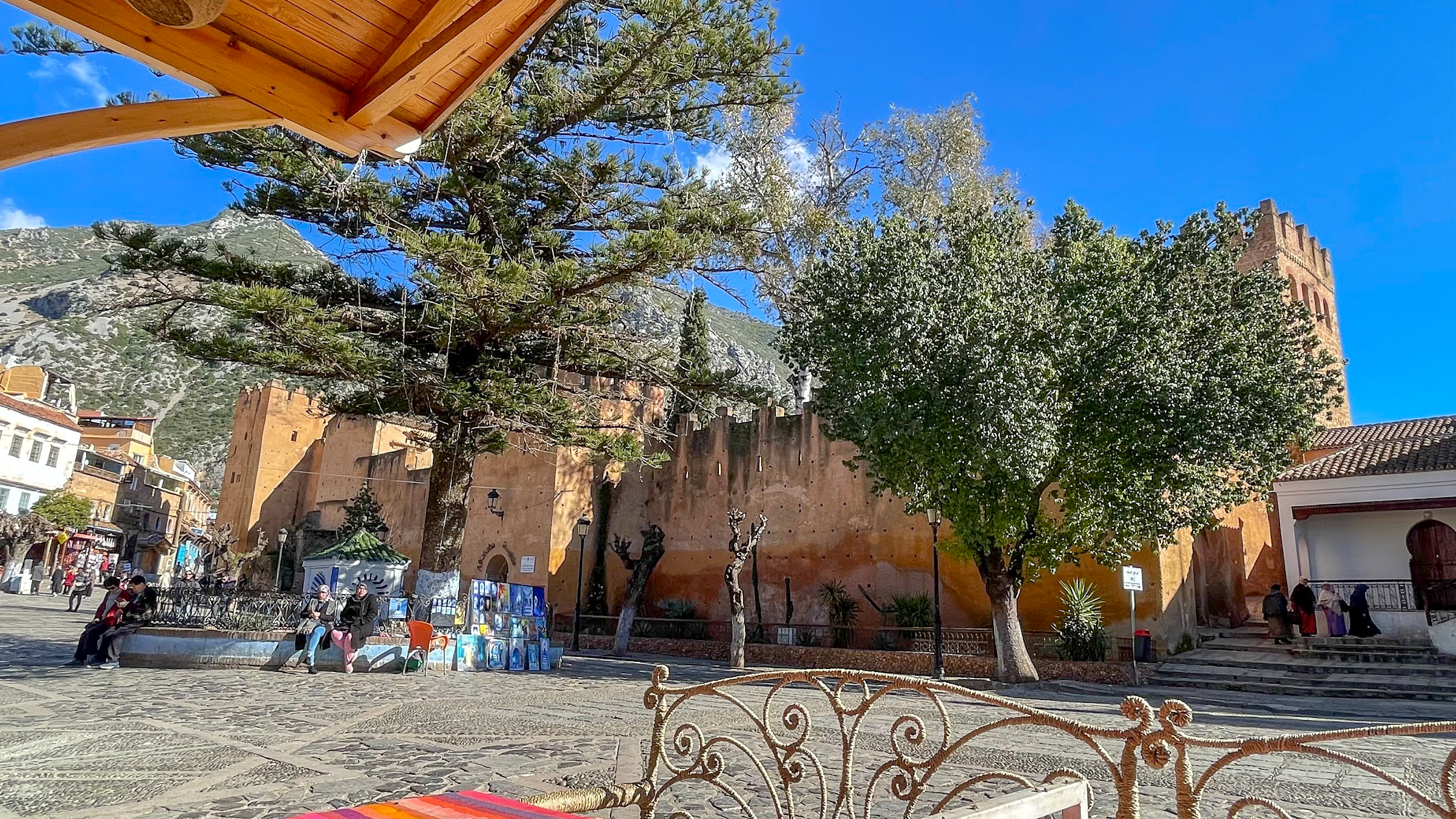
    Head down the hill from the Little Souk to Plaza Uta el Hamman, this is an excellent place to refuel with some lunch and freshly squeezed juice. The offerings at the restaurants lining the edge of the square are all quite similar. The food is usually OK but not stunning, so finding something cheap and filling is a good lunch option. There aren’t many big squares in Chefchaouen so most of life passes through here. You’ll be able to see the Grand Mosque. This is not open to the public as it is used for worship. We shared some distinctly “meh” Moroccan pizza in the sunshine and watched the world go by. Nearby Bab Ssour has better food but less of a view.

    There are some good shops around here if you want to pick up souvenirs too. On Mondays and Thursdays, there is a local market full of produce and handicrafts from the surrounding area. Don’t forget to haggle!

    3 – Rock the Kasbah

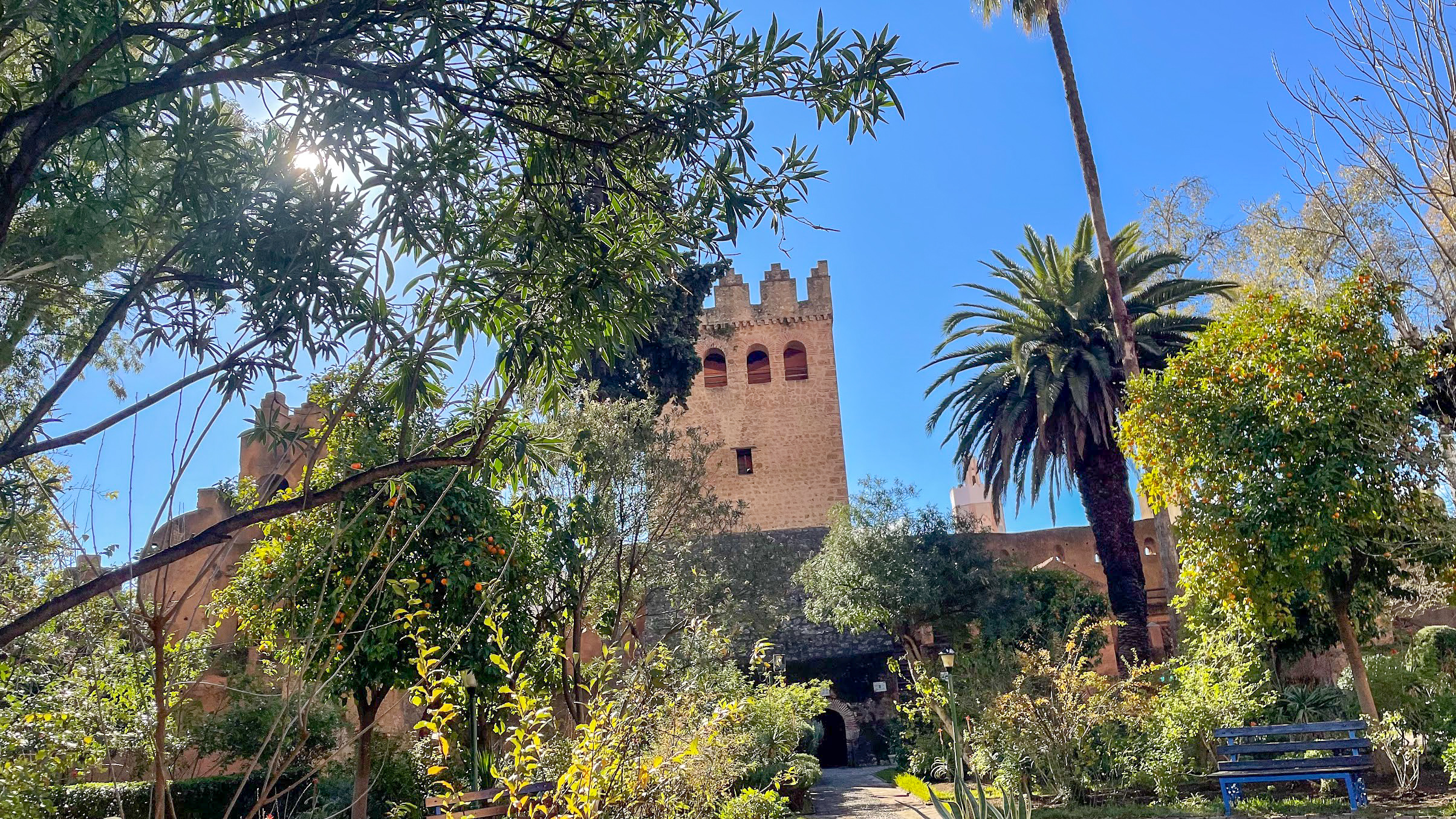
    The Kasbah is next to Plaza Uta el Hamman and is a great post-lunch spot. Originally constructed in the 1400s by Ali ibn Rashid as a defensive fort, it was built to protect against the invading Portuguese forces. Since then, it has worn many hats, including functioning as a prison. Now it is open for visitors. Take a stroll around the garden, a cool oasis on a hot day. Then, climb the stairs of the tower for a lovely 360-degree view across the town. You will find information panels but none are in English. There is also a small ethnographic museum full of instruments, weapons, crafts, clothing and other interesting local artefacts which is worth a look.

    4 – Grab a Drink by the Washhouses

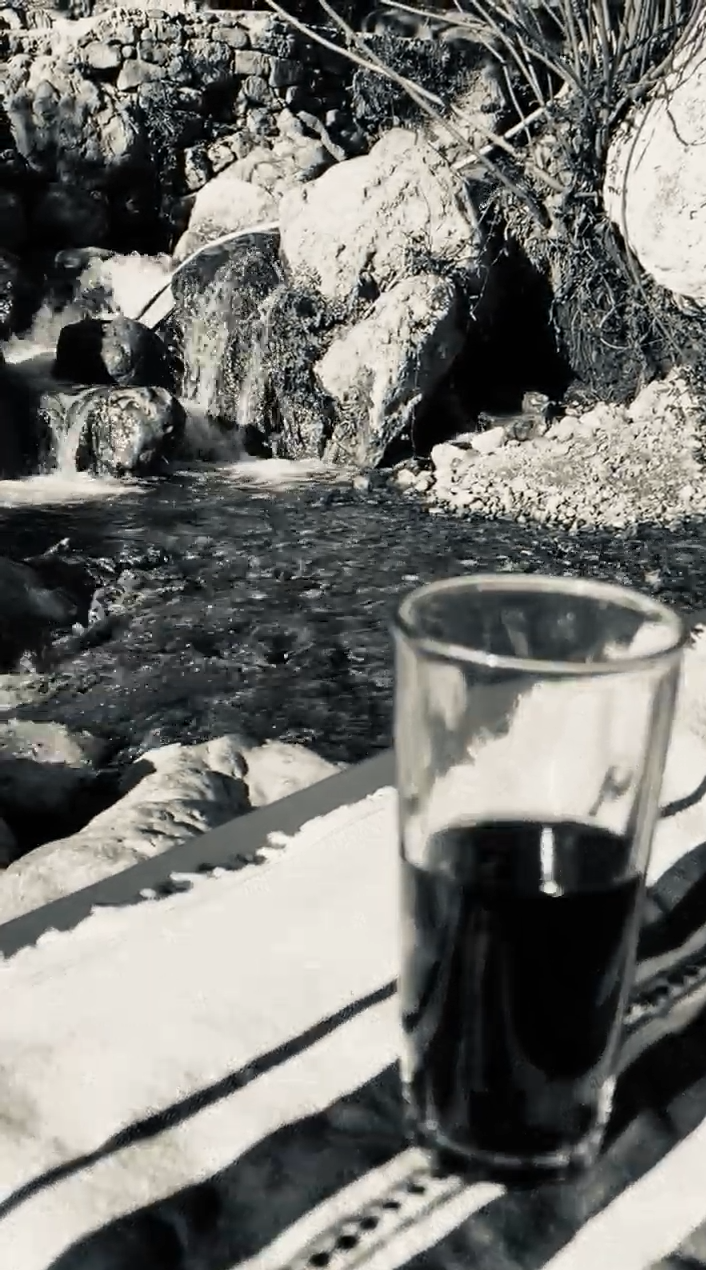
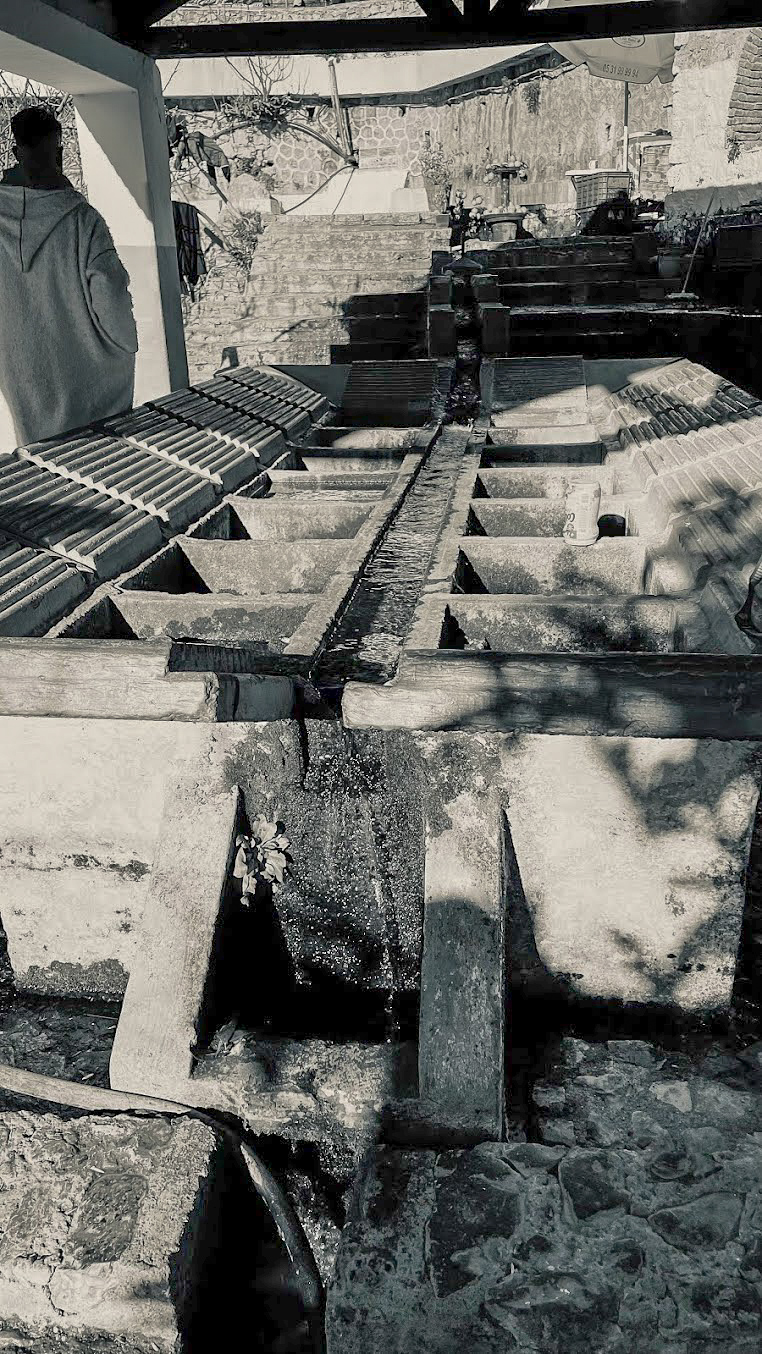
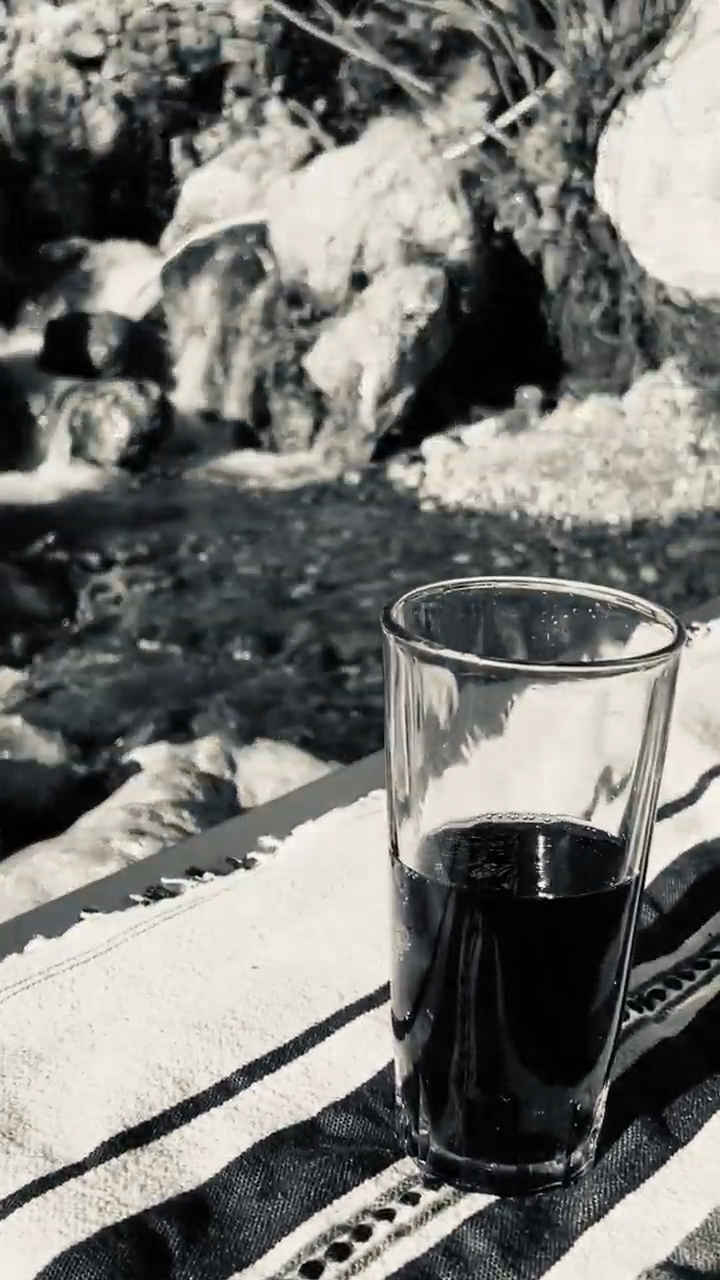
    Now, something strange has happened to my photos from this spot. They all saved in black and white (particularly upsetting in this brightly coloured town).

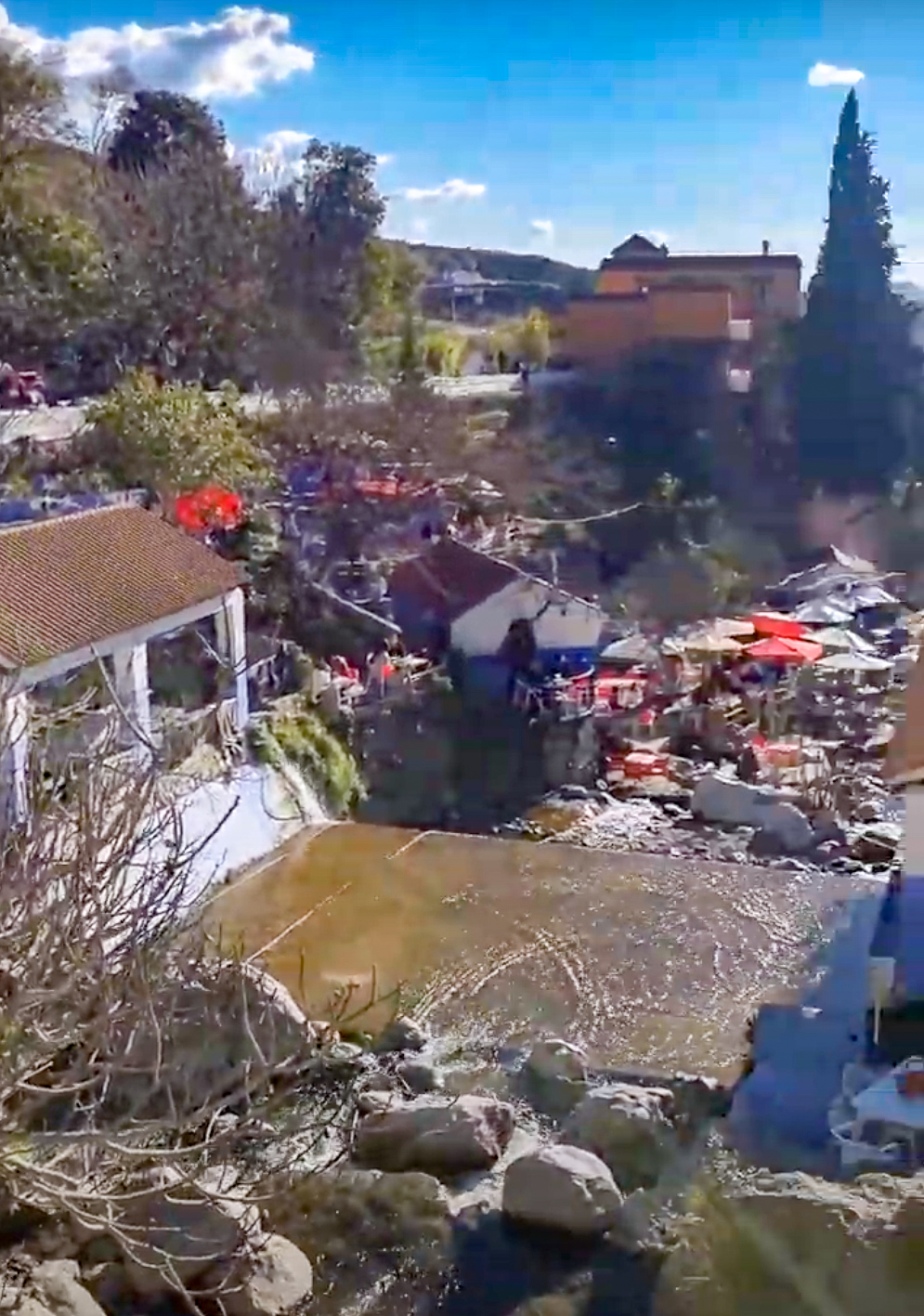
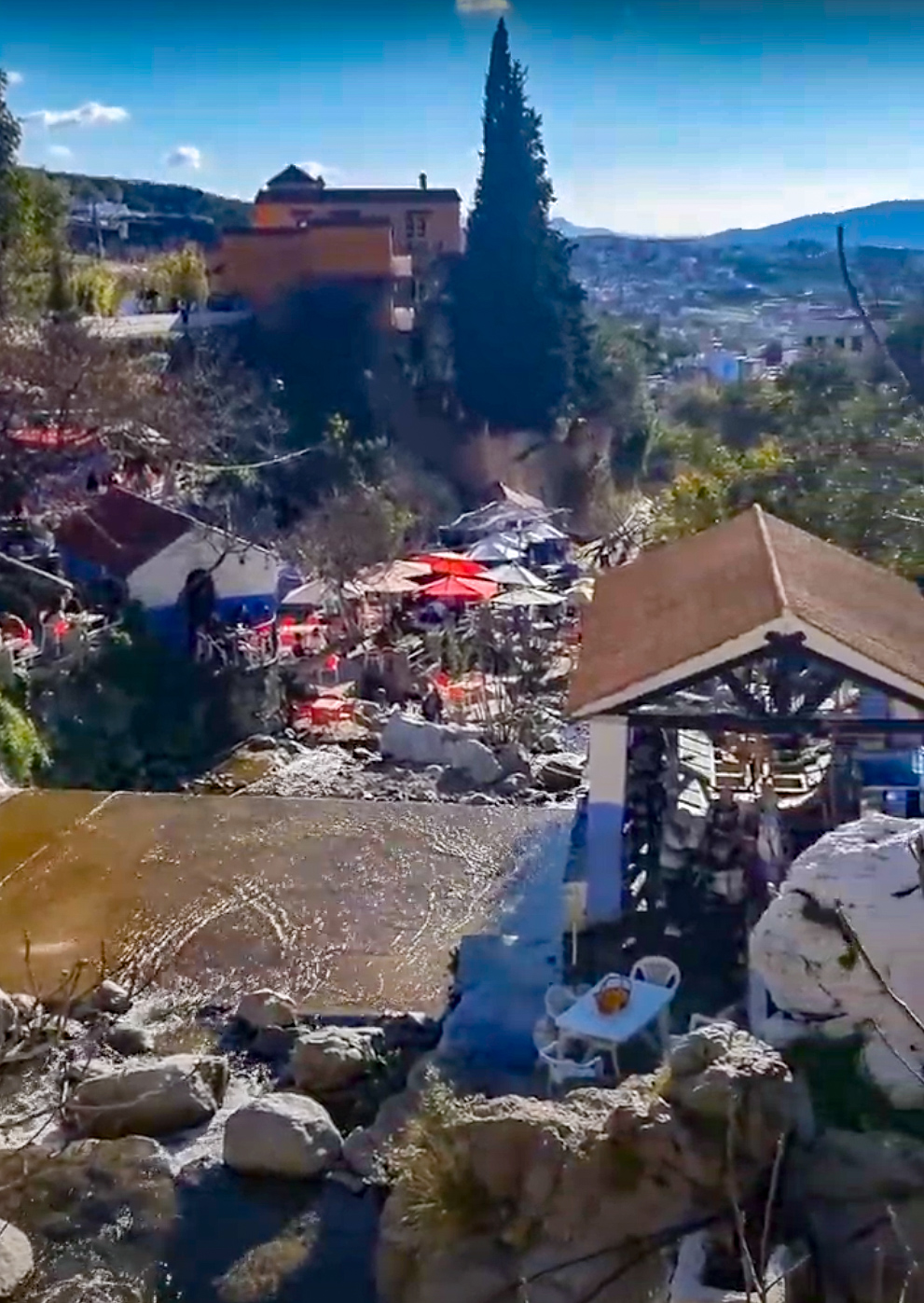
    Just outside of the Bab El Onsar, there is a manmade waterfall with communal washhouses on either side. People bring their laundry here to clean them in the fresh, flowing water. As a tourist, you will want to grab a table by the water and enjoy the sound of the tumbling stream. Café El Molino is good bet!

    5 – Sunset at the Spanish Mosque

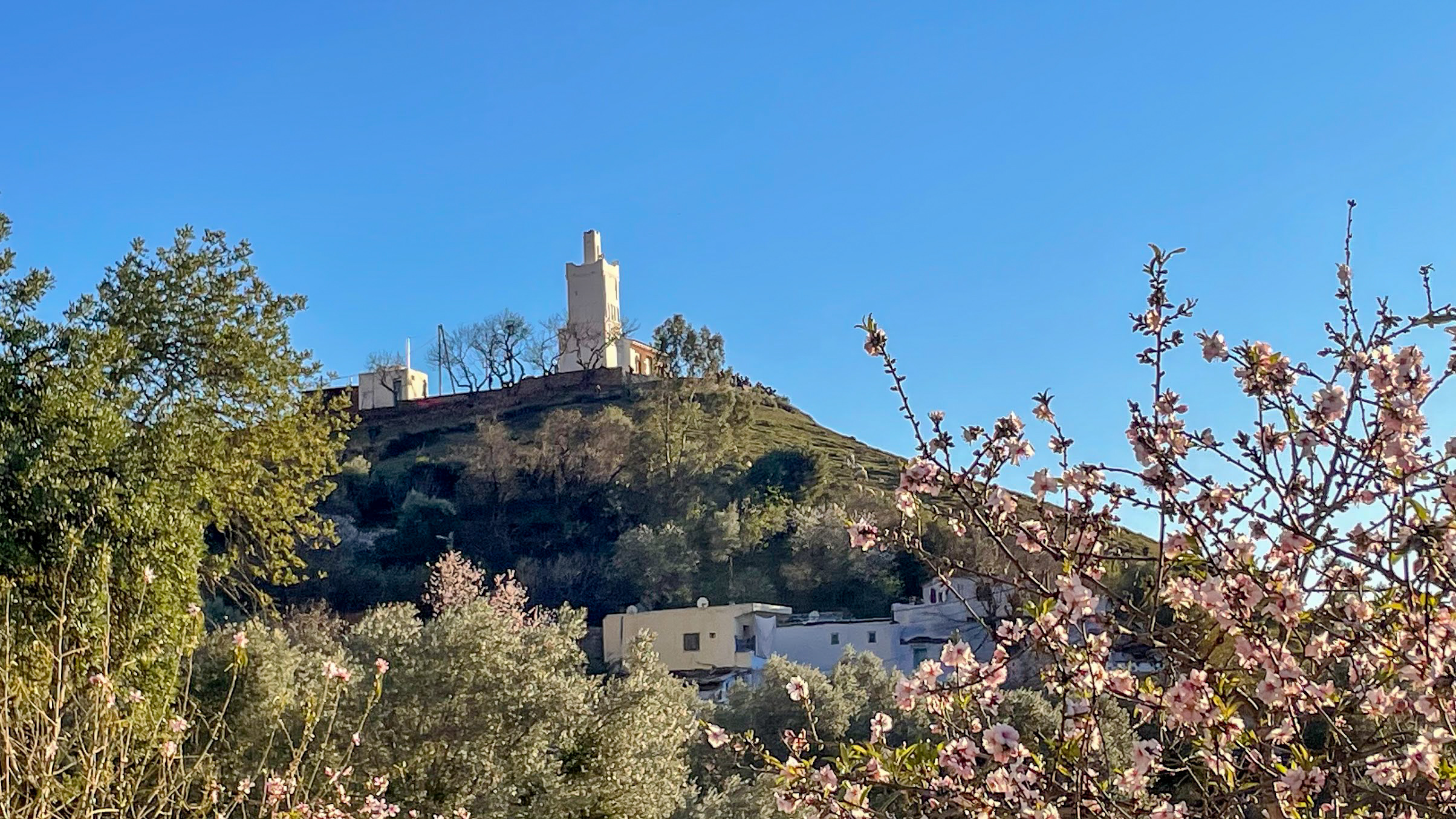
    A steady 30 minute walk uphill from the waterfall is the Spanish Mosque. The building was constructed in 1920s by the Spanish but was never used and now stands empty. This has the most stunning view out across Chefchaouen and the Rif Mountains. This is the most popular sunset spot so get here early for a nice seat on the wall around the mosque.

    For dinner, hunt out Cafe Clock, the famous spot that can also be found in Fez and Marrakesh. They have some nice local options and plenty of Western favourites, including excellent Italian-style coffees. For somewhere cheaper and equally delicious, Assada does local specialities for bargain prices. Mandala serves much better pizza than you’ll find elsewhere in town. For drinks, you will have to make your way to the new town and find a modern hotel. Alcohol is scarce in Chefchaouen (but there is a fair amount of hash around).

    Check out all our travels around Amazing Africa

    Final Thoughts on Your 5 Things To Do in Chefchaouen

    Getting lost in the blue paths of Chefchaouen is such a novelty. There aren’t too many smurfy spots in the world and fewer that people actually live in. Shop, snap, snack and enjoy the sunset on this perfect day in Chefchaouen.

    Rosie xx

  • A Sensational Sunrise Tour of Victoria Falls – Wild Horizons Review

    A Sensational Sunrise Tour of Victoria Falls – Wild Horizons Review

    Victoria Falls, Mosi Oa Tunya, is a huge waterfall that crashes on the border of Zambia and Zimbabwe. This was our second trip to visit the magnificent Victoria Falls but I was no less excited. My geography geek will never be calm when it comes to waterfalls! Join us for a sunrise tour of Victoria Falls and our Wild Horizons review.

    This post may contain sponsored content or affiliate links that help support the blog. All opinions are our own.

    Mosi Oa Tunya

    Victoria Falls is the name given to this natural wonder by David Livingstone. Being the good Brit he was, he decided to name it for his Queen back home (Queen Victoria I). However, before he arrived it had another name, The Smoke that thunders, Mosi Oa Tunya. The local tribe used descriptions like this as names for lots of things in nature and I think it is beautiful. You can see the spray rising above the gorge from far away, especially in the high water months but it is only as you approach that you can hear the roar of the falls. It truly does thunder.

    A Good Morning

    We were up bright and early to get to the falls. I think we were running about 15 minutes behind as it was just a little too bright and early for speedy make-up application, we hopped in the Wild Horizons car and began the 15-minute drive into town. There were loads of people jogging along the roadside, taking advantage of the cooler morning air. Getting up to avoid the 38°C afternoon run is 100% worth it!

    We parked up in the car park opposite the entrance to the Victoria Falls National Park. There were lots of shops and one or two of the proprietors were already in full salesman mode despite the early hour.

    Victoria Falls National Park

    David Livingstone

    Our first stop was the large bronze statue of David Livingstone. This Victorian British explorer first came to the falls in 1851 during his 33 year exploration of Africa. Of course the presence of a 34m tall reminder of colonialism has its controversial side. Some Zimbabwean war veterans did try to have it removed in 2001. It stood as a distressing reminder of colonialism but the local community resisted and so it remains, looking over the Devil’s Cataract.

    The Devil’s Cataract

    Walking towards the first viewing point is so exciting. At 70m high, this is actually the shortest of the falls but it is one of the most impressive. The view is side on and the water thunders past. It is the closest you can get to water on the Zimbabwean side. The island here is called Boaruka Island which means “Water Divider” but it was named “Devil’s Cataract” by European missionaries. They were rather alarmed at people using this spot to throw offerings, one describing the drop as “Hell itself”.

    The next viewing point is down several steps. They are uneven and deep so be careful if it is wet. We made our way down and just stood gazing at the cascading water, plummeting from above and pummelling the side of Boaruka Island (Cataract Island). This is an amazing photo spot but honestly, we were so overexcited that we totally forgot.

    Here’s one we snapped on our first visit
    The Main Falls

    Following the curving path, you can hear but not see the falls until you round the corner and there, in front of you is a wall of water. The sound bursts forth and it really does take your breath away…even in the dry season. Victoria Falls is twice the height of Niagara Falls and, when full, it is the largest waterfall in the world. It is up to 109m high and 1,708m wide 500 MILLION litres of Zambezi river water surges over the edge every minute. The curtain of white water is so beautiful and it roars! It must be overwhelming in the wet season. The mist of the crashing water already rose in misty drizzle up to the places we were standing. It must be a deluge.

    Now comes a series of viewpoints. You feel like a rabbit popping out of its warren entrances. Each spot gives a new view and then it is gone again. The paths winds through the rainforest, kept lush by the permanent mist from the falls. Keep an eye out for wildlife as many animals live in the National Park. We saw a pretty little robin (not big game) and a deer but our guide did point out some pretty fresh leopard scat so you never know!

    The Devil’s Pool

    From stop number 5 or 6 you can just see the Devil’s Pool next to Livingstone Island on the Zambian side of the gorge. This natural infinity pool comes right up to the edge of the drop. In dry season you can take a tour and swim here. The guides will take pictures of you right there at the edge, with the rainbow behind which is just beautiful.

    Read all about our experience swimming in the Devil’s Pool HERE

    The Zambian Falls

    My biggest regret for our second visit is that it was nearly at the same time of year as our first. It was nice to walk around the National Park without getting thoroughly drenched (especially with a flight to catch just a couple of hours afterwards) but it was low water. On our last trip, it was also low water so we have yet to see Victoria Falls at full force, or the Zambian Falls flowing.

    Down here, you can see the huge island that has been carved out between two branches of the Zambezi. It is dramatic how steep the sides are I would love to see what had become of it in a few hundred thousand years. The whole gorge is incredibly steep. The dramatic turns of the waterfall over time have really left a twisted scar across the landscape.

    The Bridge

    The final stop is a lovely vantage of the Victoria Falls Bridge that spans the second gorge. The steel structure was constructed in 1905 and is made of British steel. The bridge is a128m high with the river flowing beneath. Its height means it is now home to a bungee jumping spot and a bridge swing. Above that you’ll find the border crossing to Zambia. People can be seen crossing by foot, by car and by truck. Occasionally, a train clatters across too. The Rovos Rail train takes the bridge on some of its routes and the Royal Livingstone Express dinner train stops here for photos.

    Final Thoughts on Our Sunrise Tour of Victoria Falls

    I am a geography geek. I will continue to be blown away by incredible waterfalls no matter how many times we visit them. For our sunrise tour of Victoria Falls it was so nice to have a guide who could bring the National Park to life and let us gaze like slackjawed idiots at the water too. This was our second trip to Victoria Falls and I would go again tomorrow given the chance. We haven’t seen a moonbow next (the rainbow that the ist creates int he full moon’s light..a good excuse to return.

    Rosie xx

  • Refinement on the Rails – Rovos Rail from Pretoria to Victoria Falls Full Review

    Refinement on the Rails – Rovos Rail from Pretoria to Victoria Falls Full Review

    In 2023, we had the chance to take a trip from the very top of our travel bucket list, a four-night trip with Rovos Rail from Pretoria to Victoria Falls. Four days went by in a flash and it was pure vintage joy all the way. Rovos Rail specialises in interesting itineraries all infused with the essence of golden age glamour. Join us for a full review of our time travelling with Rovos Rail from Pretoria to Victoria Falls.

    This post may contain sponsored content or affiliate links that help support the blog. All opinions are our own.

    To learn lots about Rovos Rail, check out our blog post; 16 Rovos Rail Tips which is stuffed full of important info.

    Arrival at Capital Park Station

    The Station

    We booked a taxi from our hotel in Johannesburg to Capital Park, the Rovos Rail station-cum-museum in Pretoria. It is not very near the main train station in the city so transport is a must. As we stepped out of the taxi, it was clear another world awaited. A red carpet led to a doorway under a colonial canopy. Neatly uniformed porters stood guard over a trolley already groaning with luggage, and the host smiled in greeting as we flapped in excitement. I was positively cooing. We gave our names, confirmed a few details, and attached our fancy new luggage labels to our bags before taking the red carpet inside. A lovely lady offered us water, juice or bubbles. No surprises, we took advantage of the wine. In the open lounge, across the sea of comfortable chairs and sofas, we spotted the table full of hot drinks, more juice and an ice bucket of sparkling wine available for top-ups. There was also a little afternoon tea so of course I grabbed a finger sandwich.

    Playing On the Locomotive

    We took our glasses outside to the platform, where we discovered a hissing, ticking, magnificent steam engine. This gorgeously restored locomotive is one of the beauties owned by Rovos Rail. Sadly, they are not able to pull the trains anymore due to a combination of regulations and logistics. Still, we had a grand old time taking photos, getting a glimpse into the furnace, and playing on the tracks in a way you can’t normally do. The rest of the guests were much better behaved, but I think they were missing out!

    A Look Around the Rovos Rail Museum

    On our way in, the staff mentioned a museum we almost totally forgot about. When they announced that our tour of the sheds was in 20 minutes, we suddenly remembered. I dashed through the corridor of twisted trees to find the museum and have a quick look around. It was a delightfully eclectic collection of rail, memorabilia, transportation paraphernalia, and other vintage machinery and art. I wish I’d had more time, but I had to whizz around. As I made it back, slightly out of breath, it was time to don our high viz vests and take the tour.

    A Tour of Capital Park

    Tours of Capital Park are conducted by Rohan Vos, the creator of Rovos Rail himself. His talk was both slick and still clearly bubbling with enthusiasm. You won’t find anyone older than seven who is more thrilled to talk about bogies.

    The group got to see how the carriages were salvaged, purchased and restored. It is an impressive transformation. New windows are cut, holes patched up in the sides and the interiors are totally redone. We also got a glimpse into the hardware under the train. The problems of the wheels, the fuel and the government bureaucracy, all told by the guy who does it for the love. The other nice thing we learned is that the skilled workers here are hired locally as part of a social initiative and trained up (no pun intended) on-site. It is so great to know the success of Rovos benefits the community it is based in.

    Welcome On Board Rovos Rail Pride of Africa

    Boarding the Rovos Rail

    After the tour, everyone took a seat in the lounge for a little admin. We had a quick talk about the train, including some safety information and a quick guide to how dinner worked. Then they began a register. As each name was called, the guests were whisked away. We were nearly last, and I started to get nervous that we’d been forgotten. Luckily, our names were finally announced (and with Fluskey pronounced properly) and we trotted excitedly along the platform. It was getting dark so we didn’t really get any good photos but hey ho, there was plenty of time for photos. We found our room and dived in, ready to have a proper nosy around.

    Our Room – The De Luxe Suite

    The Room

    The deluxe suites are 11 m², which I thought would feel smaller than it did. We weren’t in each other’s way much at all whilst in the room which isn’t always the case when we are travelling and it’s definitely the largest room we’ve ever had on a train.

    The decor was deliciously vintage with West African mahogany panelling, lily lamps and three super tactile light switches that made me smile every time I flicked them. That all sounds a little dark, but the modern lighting that was less obviously visible, plus the lovely large windows ensured it was light enough.

    …and speaking of the windows. The unusual and brilliant thing about all the rooms on Rovos Rail is that the windows open fully. This allows you to spot wildlife, enjoy the breeze and hang your head out like a happy dog from a car. In a rather thoughtful touch, everyone is provided with safety glasses so they can look out the window without fear of getting grit, smuts or insects in their eyes.

    In the centre of the room was a table and two chairs. The minibar was tucked beneath the table in a nice cupboard. This was a magic minibar but more on that later. Below that was a drawer full of tea and coffee, a kettle to make them and a teapot (how British). There was a wardrobe with plenty of shelving and a little hanging space. It couldn’t be deeper or it would eat up too much floor space. We hung our formal wear in here but used the shelves for the rest of our clothes. This was fine for our four-night trip but wouldn’t work on the longer itineraries.

    In terms of luggage storage, we fit our three hand luggage size cases under the bed easily, but for longer journeys or bigger bags, there is a large luggage shelf by the ceiling along the whole length of the room. We aren’t the tallest people or the heaviest packers so we didn’t bother with this higher storage.

    Our Bed

    Our bed was made up as a double. I think you can see from the wooden frame at the base of the bed that it could be two singles. Our set-up meant we had a giant bed where we were nowhere near each other overnight, which was ideal. Dealing with a swaying train is quite enough without adding a tossing and turning partner into the mix. I thought the bed was very comfortable. It was the right level of firmness for my taste, although I found the pillows a little soft. There are a million of these, however, so we could build the correct level of pillow every night. Turns out, the spare blanket tucked under one of these was perfection. The bed was beautifully turned down during dinner and our hostess even included Mr Fluskey’s travel pillow in her displays which was so sweet.

    Amenities

    Back to that magic mini bar. We popped beverage requests on a little form and our incredible, incredible room hostess would fill the fridge with these desired drinks. We had bubbly, Savannah Light (a low-alcohol South African cider) and Cokes for the duration of our trip. It was pretty epic. We also had water bottles provided and could have still, sparkling or both. The water in the taps is fine for washing and brushing your teeth, but it is tank water, so not for drinking. These bottles, I was happy to find out are plant-based and biodegradable. Sustainability is definitely something Rovos takes seriously.

    The amenity kit provided was quite extensive and again, has a focus on reusable, non-plastic products. As well as shampoo and conditioner, we also got lotion, insect repellent and even reusable face wipes. Plus if we needed earplugs, we could just ask the train manager, but we had brought our own from home.

    The Bathroom – A Full En Suite

    Every room on Rovos Rail has a full ensuite with a proper toilet, complete with wooden seat. It felt so luxurious on a train but I had spotted a pile of these seats on the warehouse tour so I was expecting no less! Not only that, but we had fluffy towels, fluffy robes and a proper shower. The large shower head was great but the other had a bit of a splutter so I stuck to the large one. I was amazed that the shower had enough room to shave my legs without having to train as a contortionist. There was even a cute little cabinet above the sink which contained room bug spray (important after indulging in our open windows).

    Exploring the Rovos Rail

    The Lovely Lounge Car

    The lounge car was in the centre of the train. It was full of sofas and armchairs, a comfortable place to read a book, have a chat with new train buddies or play one of the provided board games. The games were mostly quite traditional: Backgammon, Chess, Scrabble. I guess that my favourite kind of game that involves shouting answers too loudly (Taboo, Articulate, Heads Up) would shatter the refined ambience. In fact, Heads Up would be a definite no-no, as passengers are encouraged to leave laptops, tablets, phones etc in their suites apart from for photography purposes. The whole idea is to capture the decorum of days gone by and to coax passengers to get to know one another. I am absolutely certain that a carriage full of people scrolling through their social media would be a very different vibe.

    It was possible to order a drink and pick up a snack here too. There were nuts, sweet, dried fruit and even some biltong. At the back of the train was the bar car, the other spot for a nibble.

    My Favourite Spot – The Observation Car

    The bar car was quite plain, the drinks slightly hidden away but it did have some comfy seating options. Most were angled into the centre of the train making this a great place to sit and meet new people. Through the bar car was the observation deck. This had space for around 8 people comfortably, and lots more when the view was good. The whole thing was open air and sitting out here with a drink was so lovely. It is not often you can be outside on a train. The speed limitation of Rovos Rail lessened the wind and the nearby bar made this an extremely nice place to relax.

    Dining on the Rovos Rail

    Serving three nice meals a day on a train is no mean feat. When you are stuck in a rolling tube, the company could probably feed you whatever they want in terms of quality. However, Rovos Rail takes its dinners seriously. It is remarkable the fine dining that is produced in the small galley kitchen.

    All meals are served in the two dining cars. One is refurbished as a Victorian car and one is a touch more modern, styled as a 1940s car. They are both beautifully lined with wooden walls and carpeted in the signature deep green diamonds. The older style carriage had wooden beams and smaller windows, whereas the other was much brighter with bigger windows, less covered by their curtains. We liked to have dinner in the older style room (it is all vintage charm) but breakfast in the sunlight of the newer one.

    Breakfast

    Breakfast was served between 07:00 – 10:00 so of course we arrived at 09:30, cutting it a little fine. In the centre of the dining cars was a selection of yoghurts, cereal, fruit and granola bowls to grab and take to the table. Then, from the menu, we could choose from continental meats and cheeses, and hot options including omelettes and eggs prepared in a variety of ways. I had seen pictures of the tables stuffed with cheeses, meats and pastries but they are now served individually I am guessing this is either a hangover from the covid pandemic or to save waste. The baked goods came out in cute little baskets. The toast was great and Mr Fluskey couldn’t get enough of it. In each basket there was also a flaky pastry, I couldn’t resist those croissants, and a muffin which one of our fellow guests was nuts for. I was thrilled with the amount of smoked salmon that came with my eggs and the GIANT omelette. There were so many options of sides including salmon, sausages, bacon, mushrooms and tomato. Omelette fillings included ham, cheese, mushroom, tomato and onions. The one below had ham, cheese and tomato and look how stuffed it is! For someone who doesn’t eat breakfast often, I got stuck in! Oh, and the coffee was Kenyan and mellow enough to have black which was a great kick in the morning.

    Breakfast in Bed

    We ordered breakfast in our room one morning, feeling like we wanted to be super lazy and indulgent. I wrote our requests on a little card and left it in the room the night before. So far, so good. However, in the morning I opened the door to a line of staff all carrying cloches and realised that I had accidentally ordered two of everything! Well, we tried our best to eat everything but didn’t quite manage it. We added our little bottle of bubbles from the fridge to make it a truly special breakfast in bed…almost a bottomless brunch with the right ratio of food to booze!

    There was more food than this, but we only made it through this lot.
    Lunch

    Lunch and dinner only have one sitting. They are both scheduled and announced by a delightful gong/glockenspiel that is played throughout the train. (That doesn’t mean on a speaker, that means a host passes through the whole train playing the instrument in real life). The meal is a four-course affair with wine pairings…but more on that later. There is a starter which every day was a total flavour bomb (scroll the slideshow to see some of the lunch dishes we had). Then, the lunch main is always a little fun and modern South African fusion. A light cheese course and a whimsical dessert completed the meal. My particular favourites included the Amarula parfait (I am a big, big fan of the South African liqueur) and the coconut prawns which were absolute perfection.

    Dinner

    For dinner, you will get another four courses and another four drink pairings. This is an elevated style of cooking with more celebration of local produce. The starters were all so delicious! The first night we had Cape Malay Bobotie Samosas. I had never eaten a samosa with a knife and form but it felt like I should. The inside was full of spicy cape malay stew and they were so, so delicious. It was widely agreed by everyone that we could have a bucketful each. My other favourite dishes included:

    • Smoked kudu carpaccio served with Italian additions of parmesan and pinenuts. It was packed with flavour but so delicate.
    • Springbok line and polenta cake. The meat was perfectly pink and the polenta cake was a lovely carb to serve on the side. I heard someone saying they didn’t eat theirs because they weren’t hungry and I was one glass of wine away from offering to have theirs.
    • The gravadlax was thick, subtly flavoured and additive. I asked if I could have the leftovers for breakfast but they laughed as if I wasn’t deadly serious!
    • The chocolate fondant was by far the best I’ve ever had. The ooze was perfect!

    On our last night, we had a formal night. I guess that sounds weird when every dinner is formal, but they lit real candles, upped the level of indulgence in the food yet again and even made our napkins into little shirts which was utterly adorable.

    The only thing I would change about the food service on board the train is the presentation of the cheese courses. They were on the same plates as the starters and mains, and although I understand it makes things easier, it always felt so lost on the plate.

    Drinks

    Rovos Rail is fully all-inclusive so all drinks are included. The only exception is French champagne which has a surcharge and has to be ordered ahead of time. I get that this might be a nice touch if you are planning a proposal or something but I can attest to the South African bubbly being delicious and free flowing so why bother? We had a fair few glasses of bubbly when it was offered and out of that magical fridge.

    Drinks at Dinner

    As mentioned, every lunch and dinner came with four suggested drink pairings. The first courses tended to be wine, moving from white to red. The wines were all South African and it was so interesting to learn about the breadth of the varieties they had (so many beyond Pinotage). I tried the red every time but didn’t always opt for a whole glass as it isn’t normally my jam. Sometimes I stuck with the white from the previous course, sometimes the onboard sommelier got us a white that would match the course and sometimes we went totally off menu (Mr Fluskey loves rum). The last course was often paired with a liqueur. We sipped our way through some strange barback bottles that you wouldn’t normally try by themselves. It was fun.

    Drinks After Dinner

    Throughout the day, it was possible to get drinks from both the lounge car and the bar car but it was nicest to head to the back and get an after-dinner drink. We were especially fond of the Springbok shooters that apparently taste like a South African sweet called a Peppermint Crisp. All I know is that they are minty, Amarula-y, and they make me happy. On our last night, the bar had a variety of cocktails that we could try which was swell. Along with our normal springbok digestif, I had a heart of darkness (Amarula and dark coffee liqueur), and we enjoyed mojitos and some other very grown-up sippers before moving back to bubbly. It was a nice night, chatting with our tour friends as well as meeting new train buddies, all helped along by the social oil of alcohol.

    Our Rovos Rail Excursions

    Our Rovos Rail trip from Pretoria and Victoria had two excursions. The first day was totally on board (apart from a lovely stop at a train station with a cool old train). We hopped off to take a stroll and to see the old loco. It was a bit mucky but Mr Fluskey still had a nice time climbing all over it.

    However, on afternoons two and three, we were off the train and exploring Zimbabwe.

    Motobo National Park

    Motobo National Park in Zimbabwe is not known as a game park, but more for its striking landscapes and cultural significance. After a 40 minute coach ride, the group divided between a few jeeps and the exploration of the park began. We had three main stops. The first was to learn the history of the park and the Bushmen that have inhabited this land for thousands of years. it was fascinating. The next was a market full of arts and crafts sellers, all of whom were from tribes that live around the park. We bought an incredibly detailed little wooden rhino for Mr Fluskey‘s family. Our final port of call was a pitstop for sundowners. I didn’t fancy a glass of wine, so I opted for a Grapetizer, which I had never tried, mixed with vodka…because I am classy.

    Everyone took a walk up the hill to see the grave of Cecil Rhodes. Zimbabwe has a love/hate relationship with this British businessman. He requested to be buried between the stones atop this sacred hill and it now a bit controversial, but you’ll learn all about that on the tour. Whoever end up here, it was a lovely place to watch the sunset.

    Hwange National Park

    Hwange National Park is home to tens of thousands of elephants, and if pachyderms are your poison, then you’ll love it. The train stopped right in the park as everyone gathered in the lounge car. We took the temporary steps down and to the waiting cars. Some people even used temporary steps to get into the jeeps!

    The game spotting in Hwangi is helped by the water holes built by the park. There isn’t a lot of natural water here so it really supports the wildlife. The drivers all take slightly different paths so you we saw different things from our train mates. We saw many majestic elephants, zebras, a grumpy hippo, gorgeous bird life, and a fair few impalas. Another group spotted lions, asleep in the shade near the waterhole. I am not going to lie, I was a little jealous.

    The group reconvened at the hideaway Safari camp with drinks and some substantial snacks. A glass of wine, a spinach pie, and a delightfully sticky chicken wing by the fire was the perfect end to the day.

    The Overall Experience of Our Rovos Rail from Pretoria to Victoria Falls

    They say that time flies when you’re having fun and I was astonished how time slipped by during our journey. Here are a couple of my favourite parts of the trip:

    The Gorge

    On our first full day, we ran alongside a steep hillside to one side of the train and a pretty river to the other. In the distance, we could spot iconic Baobab trees. Everyone was crammed onto the observation deck and it was a nice bonding moment.

    Dressing Up

    I love a costume, a dressing up party, or any kind of enforced dress code, which allows me to shop, plan and get into character. If we go to Disney, I am Disneybounding. If its a 20s night you know the hair and makeup is on theme! On board Rovos Rail we got to pick up some safari gear for day trips and formal attire for dinner. Finding the outfits, editing the outfits and working out how to pack the outfits were all part of the excitement. Then, as each activity arrived, it was really exciting to pull out the clothes we had planned and get into the style.

    The Wine Pairings

    It’s not often I have four drinks with lunch. It may be a little more common with dinner? However, it is definitely not normal for us to enjoy this kind of boozy indulgence for three days running. It was so fantastic being presented with beautiful bottles of delicious wine or weird and wonderful liqueurs with each course of our meals. Who knew South Africa had such a wide range of delicious wines?

    Our Breakfast in Bed

    Well, despite messing up my ordering and ending up with two of everything, clambering into bed with trays full of delicious breakfast and a bottle of sparkling wine from the fridge felt so luxurious. it felt like we were being a bit naughty. The train was passing through Hwange National Park at the time so we could do some wildlife spotting right from our sheets as we sipped the bubbly. It was a total treat.

    The Staff

    Everybody on board was so incredibly friendly. This wasn’t just at meal times or during service, but even as you passed through the carriages, everyone would have a little chat. Letting each other pass in the corridors with awkward giggles was always funny, and most interactions were more than just a sentence or two with plenty of genuine smiles. I couldn’t fault the service, and I feel like we were treated as family.

    Final Thoughts on Our Trip with Rovos Rail from Pretoria to Victoria Falls

    I don’t know if I can describe just how much I enjoyed this experience. Dressing up, being on our best behaviour and pretending to be awfully fancy was just fantastic fun. The whole four days, from start to finish, were beautifully curated by Rovos Rail but with space for everyone to have their own special holiday. It was a couple of days after our wedding anniversary but this would make the most phenomenal way to spend any kind of occasion and PERFECT for an engagement! I would hop aboard in a heartbeat if we ever got the chance to return to the rails, with a glass of bubbly in hand and a fancy frock in my bag.

    Rosie xx

  • 16 Rovos Rail Train Tips – Everything You Need to Know About Rovos Rail

    16 Rovos Rail Train Tips – Everything You Need to Know About Rovos Rail

    If you are off on the trip of a lifetime, catching the Rovos Rail train, you going to be full of questions. Alternatively, it could be your travel partner who hasn’t been involved in the booking whatsoever and has a million queries. To help out, we thought we would put together our own Rovos Rail FAQs as a quick reference guide for your amazing trip. Read on for our top Rovos Rail train tips.

    This post may contain sponsored content or affiliate links that help support the blog. All opinions are our own.

    Don’t miss our review of Rovos Rail from Pretoria to Victoria Falls

    1.) How Long Has Rovos Rail Been Running?

    I am sort of avoiding saying that Rovos Rail has been going for a long time as I am very slightly older than Rovos Rail. In 1989, Rohan Vos decided to turn his idea of a family caravan train into a business. He took his family and some friends (four of whom paid for the trip) down to the Eastern Transvaal. Things gained steam (pun intended) in the 1990s and now Rovos Rail is widely considered the most luxurious train in Africa with a few years behind it.

    Rohan Vos is still hands-on and gives passengers tours of the workshops.

    2.) Where Does Rovos Rail Go? – The Rovos Rail Routes

    There are numerous routes that Rovos Rail offers. You can do as little as two nights, and as many as fifteen. You can remain within South Africa, travelling to Durban or Cape Town from Pretoria These are the shortest and cheapest routes, also saving you the cost of visas as you aren’t crossing any borders. If this is your once-in-a-lifetime trip and you have saved hard to go on a short trip then these are your best bet.

    Other itineraries stretch across South Africa, up into Namibia and round into Zimbabwe.

    Rovos Rail also has a special golf trip, the Golf Safari itinerary. This is a nine-night route that stays within South Africa. You will get a chance to take game drives and practice your drives as the train travels to game parks and golf courses alike. There are cultural excursions too so there is a little something for everyone.

    Finally, there are the routes that travel up into Eastern Africa and one that crosses right from Dar Es Salaam on the east coast to Lobido on the west. These long journeys take a little over two weeks and are total bucket list journeys.

    We love train travel! Check out more of our adventures by rail here.

    3.) What Are the Rooms Like on Rovos Rail?

    There are three kinds of rooms on Rovos Rail’s classic trains. Each has its own bathroom with a toilet, basin and either a shower or bath. You will also find an aircon unit in each room and a little bar heater in each bathroom so whether it is toasty or chilly outside, you will be comfortable

    • The Pullman Suite – This is the smallest of the suites at 7m2. You can opt to have your suite made up at bunkbeds, as a side by side twin or as a double at night. The longer journeys only have the beds set as side by side couches by day that can be made up as twins or a double bed at night. This gives you less space in the day but a nice place where you can both nap.
    • The Deluxe Suite – The deluxe gives you some more floor space at 10m2. There is a lounge area with two chairs and a desk/minibar. During the trip, you can opt to have your beds made up as two singles or one rather huge double.
    • The Royal Suite – This is the biggest suite totalling 16m2. They can only squeeze two of these into a carriage whereas you’ll find five Pullmans or the Deluxe suites. In the centre of the suite is a lounge area with two wingback chairs. In addition to all that extra floor space, this is the suite with the bath. Now, I don’t know about you but I think that taking a bubble bath, with a glass of bubbly is always a good idea. Add to that the novelty of being on a train? Bliss! (There is a shower too if you need a speedier clean).

    4.) How Much Does Rovos Rail Cost? – Rovos Rail Prices

    Prices change yearly so we will direct you to the Rovos Rail website for the latest costs. However, I can say that the cheapest room on the cheapest route (two nights in a Pullman suite, Pretoria – Durban) costs, 34,000 ZAR (£1,450) per person, based on two sharing. The most expensive room on the most expensive route (fifteen nights in a Royal Suite, Cape Town to Dar es Salaam) is $25,950 (£21,400) per person based on two sharing. When considering your route bear in mind the distance travelled and the room class you wish to take.

    Here you can find the rates and dates for 2024/2025

    5.) What Should I Pack for Rovos Rail?

    Your Luggage

    There is no restriction on board the Rovos Rail trains but there are a couple of things to bear in mind:

    • They have excellent porters at every station and you won’t have to haul your own bags aboard but you will have to get it to the station in the first place so don’t make it crazy heavy.
    • There is plenty of luggage storage space (under the bed and up on the huge luggage shelf but you might struggle to get your bag away if it is particularly weirdly shaped and/or bulky.
    • There was enough room in the wardrobe for two of us, for four days but we don’t pack heavily and on any longer journeys you may need to access your luggage more regularly so you will want to make sure they are easy to handle.
    Things to Pack for Rovos Rail?

    Don’t forget these essentials:

    • South African or British plug adaptors – The suites come with two different kinds of plugs. You will find the three-round pin South African kind (used hardly anywhere else) and the three-rectangle British kind (also used in Zimbabwe).
    • Sunglasses – It might sound obvious but you are going to be off the train on exciting excursions which may be bright and sunny and may be dusty. It is good to have your sunnies to protect you from both.
    • Reading materials – Laptops and iPads are discouraged outside of your suites so if you would like to relax in the lounge or observation car, you will need something a little more on the analogue side.
    • Cash for tipping and visas – South Africa takes ZAr (South African Rand). The rest of the countries Rovos Rail travels to will take USD (US Dollars). Ensure your dollars are printed after 2001.
    • Ear plugs and eye mask – the train does carry er plugs but it is best to bing a kind you know works for you. Together with an eye mask, this is your best chance for a great night’s sleep.
    • Any fussy toiletries – If you have to have your favourite brand of shampoo then don’t forget it. Each room has a great amenity kit with shampoo, conditioner, body lotion, insect repellent and more…but not your preferred brands.
    • Medicines – The train does have first aid and basic medicines but bring anything that is prescription or you can’t be without. Plus, some extra in case of delays…a good plan every time you travel.
    • Your dinner finery – Dressing for dinner is formal so you will need to pack some dinner outfits…but we will talk more about that later.

    6.) How Much Should I Tip on Rovos Rail?

    Tipping is not mandatory but the staff work incredibly hard and we think it is only fair. If you do decide to tip, the suggested amount is ZAR 100 – 200 ($10 – $20) per person per night. No need to worry about the awkward handover, tips/gratuities can be popped in a specified envelope in your room and given in at the end of the journey. Give what you can and don’t be embarrassed if it is not that much. Some people do tip other staff during the trip but this is not expected. You may also want to tip the guides/game drivers during excursions too.

    7.) Is There a Rovos Rail Dress Code?

    The Rovos Rail dress code is at once a little strict and quite casual. When you are planning your outfits, here are some things to consider.

    • In the daytime, they request that you dress in smart casual attire. This for me means a collared shirt for gents and avoiding loungewear. However, this is entirely personal and we saw plenty of people in more casual styles than we were expecting.
    • Some of the routes offer a game drive or safari so it is worth bearing this in mind and brining some neutral tones (khaki, cream) for these excursions. It can be chilly in the mornings or evenings on these trips so bring a warmer layer that you can add or take off as required.
    • For dinner, the rules are stricter. Gentlemen are required to wear a jacket and tie and ladies are requested to wear a cocktail dress or a nice suit. Now, I love dressing up, this was half of the fun of planning the trip. The romance of train travel greatly increases when everyone looks elegant. If you only have hand luggage or just don’t own a whole bunch of suits, never fear. The same jacket with different accompanying shirts and/or ties will be fine. On our trip, a whole group of travellers had been told by their travel agent that the dress code was more casual for dinner so they didn’t go all out. They were not turned away from dinner
    • It is worth noting for people who like heels that the train does wobble and you may end up turning your ankle so stick to lower options to be on the safe side.
    • On longer trips, Rovos Rail hosts theme nights. If you are on these then check the itinerary as you may need gear for a 1920s night and/or an African night.

    Some outfit inspo:

    8.) What is the Food Like on Rovos Rail?

    All meals are served in the two dining cars. There is only one sitting so you can arrive a little late but less so at lunch or dinner. To chivvy yo to dinner and lunch, a lovely little gong is played throughout the length of the train.

    Breakfast

    (07:00-10:00) – This is the only meal you can arrive sporadically for. Whether you are an early rise that turns up right at 07:00 or the late morning lie-ins that run in at 09:45, you will get the same great service. There is a selection of cereals, granolas and fruits to grab. Every day the table gets a little basket wth a pastry, a muffin and some white and brown toast which is always great. Then you can pick from continental platters or cooked breakfast options. The salmon was particularly lovely and the omelette was a beast!

    Lunch

    (13:00) – Lunch is a four-course affair, served with wine pairings. It is a tiny bit lighter and more vegetarian than dinner but don’t get it twisted, it is still large and indulgent. If you get motion sick and have a game drive excursion, consider your intake. If you are a greedy girl like me, fill your boots!

    Afternoon Tea

    (16:30) – This is served on days when you don’t leave the train. It is available in the lounge car and the observation car too. You’ll find little cakes, tarts and some South African classic pastries like koek sisters too.

    Dinner

    (19:30) – This is the formal meal which is also four courses, all with a wine pairing. This is the heaviest meal of the day with tender cuts of meat and rich desserts. You may need to be rolled back to your suite after dinner…or to the observation car and its bar for a cocktail. The fare is a blend of South African and traditional fine French dining. It is amazing to see what they can produce in the tiny galley kitchens on board the train.

    It is possible to have meals in your room. We opted for breakfast in bed one day. However, it is worth bearing in mind that there isn’t much room on the table and it makes wine pairings obsolete. If you are planning to do this, make sure you specify what you want and how much of it you want. I accidentally ordered two of everything for our breakfast and it was a struggle to eat it all!

    You will also be fed at your point of origin, find biscuits in your room, snacks in the lounge cars and get given snacks on excursions so there is zero chance you will feel hungry at any point. It is pure foody joy.

    9.) Can Rovos Rail Cater to Dietary Requirements?

    When you book you’ll be asked for any dietary requirements. Ensuring you provide a detailed and timely response means the team has time to cater for you. If you leave it until you are on the train, you may be in trouble. They will try their best but choices will be fewer. Bear in mind that dietary restrictions due to religion cannot be catered for.

    10.) Are the Drinks Included on Rovos Rail?

    As mentioned, both lunch and dinner are four courses with wine pairings. Saying that, the last drink tends to be a liqueur or similar for a true digestif. These are not the only drinks you are entitled to. The train is all-inclusive. The only exception is if you want french champagne, which is an extra cost and needs to be booked in advance. The lovely collection of South African ines, including a few sparkling really makes this unnecessary though.

    When you board you will see a mini fridge in your room. It can be stocked with any drinks that they have on board so if you want a bottle of bubbly every day, it is yours. You can request any drink at dinner if you don’t fancy the wine pairings and between about 12:00 – 00:00 the bars are open in the lounges. One is a hidden pantry and the other, you can sit at and have a tipsy talk. Finally, you will probably get a nice rink during your excursions and on your return from said trips.

    On the last evening, we were surprised by a selection of cocktails on offer which you could pick off the bar like a fun boozy buffet.

    11.) Where is the Rovos Rail Station in Pretoria?

    All of Rovos Rail’s routes will start or end at their very own station in Pretoria. This is called Capital Park and is part station, part museum. It has bucket loads of colonial charm with white verandas and striped umbrellas. Rohan Vos will show guests around the worksheds and explain the fun and challenges or restoring the engines and carriages. You may get to see one of their gorgeously preserved steam engines which sadly they cannot run as the locomotives any more

    There is actually a museum within the grounds which is a delightfully eclectic collection of vintage items and transport memorabilia. Don’t forget to head out and have a look (they can pop you in a golf cart if you need one). You can take a glass of bubbly with you for the long journey.

    12.) How Do I Book Rovos Rail?

    All bookings are done directly through a form. This is isn’t the kind of train that you can book on an app in a second. Fill out the form and then send it off to their email and a representative will get back to you to let you know what is available. Don’t forget to tell them if you are celebrating because they love to make you feel super special.

    Long Journey Reservation Form

    Short Journey Reservation Form

    13.) Can I Smoke On Board Rovos Rail?

    Rovos Rail provides a smoking car, complete with a charming matchbox. This is located just before the bar and observation car at the back. Non-smokers can skip past it as it is a little closed-off lounge with a corridor that runs along the side. You cannot smoke in your room, the dining cars or in the open-air observation car. Make sure you indicate that you smoke on your booking form and they will place your room closer to the smoking car (isn’t that thoughtful!?)

    14.) Is There Internet on Rovos Rail?

    Rovos Rail strives to create an ambience of the golden age of travel. This is more about books and board games than scrolling on phones and tapping on keyboards. As such, they request that guests leave their electronics in their rooms, or at least don’t use them for anything other than photos in the common areas. They do not have WiFi on the train so there isn’t any chance to connect that way. We tried to get eSims for Zimbabwe (we wanted to stay on top of the social media on the go) but they barely picked u any signal the whole time. I am sure this wouldn’t be as bad on the South African routes but honestly, it’s not worth the stress. Just enjoy your digital detox. You’ll be able to connect at each end, most of the stations have WiFi and at most of the Namibian safari accommodations.

    Board games instead of Fortnite for…maybe a fortnight

    15.) What Happens if the Train is Delayed?

    Delays are semi-regular along most of the routes that Rovos Rail serves. Never fear, a certain amount of stoppage time is built into the itinerary. On most evenings the train manager will inform you how long the train will be parked overnight. This ice touch probably tells you how much sleep you’ll get (unless you are better at the sleeping thing than me). If there have been any bad delays during the day, they will just travel a little longer into the night. or leave a little earlier the next morning.

    The train administrative manager on board will connect with you to ensure they have your accurate transfer details for your arrival. If there is a delay they will contact the transfer provider and make sure they are there at the correct time.

    16.) Is There Laundry Available on Rovos Rail?

    You can have some laundry done on board but not your whole wardrobe. Honestly, unless you are just bringing hand luggage, you shouldn’t really need anything washed on the shorter journeys. If you are coming for a longer trip, think about how to reuse the items you have so they can be mixed, matched and washed minimally. There is no way to get dry cleaning done so be careful what evening wear you bring/get washed.

    As well as laundry, your host/hostess can have your clothes pressed for dinner and your shoes shined. There is no excuse to look shabby!

    A Few More Little Rovos Rail Train Tips:

    • Rovos Rail can try and advise you but finding out about entry requirements for the countries you will visit is up to you. Look up visa requirements and prices well in advance.
    • Rovos Rail is not accessible for those in wheelchairs due to the restrictive space on the train.
    • They can extend a train to accommodate more guests but it is unlikely they will pop on a whole extra carriage for just one extra room. It may say sold out despite the stretching capability of the train.
    • Children are allowed on board but they may limit the number and those that are booked are expected to be on best behaviour. Honestly, I am not sure children would enjoy the train that much.

    Final Thoughts for our Rovos Rail Train Tips

    The one thing missing from this post is just how lush travelling with Rovos Rail is. Once you are on board, you don’t need to worry about the logistics any more and can just settle in to the romance of train travel to the rattle of the rails. If you have any other questions, don’t hesitate to message us and we will try and answer it. If we have answered all of your queries then have the best time!

    Rosie xx

  • A Review of Fastjet Embraer 145 VFA – JNB

    A Review of Fastjet Embraer 145 VFA – JNB

    Our second trip to the incredible Victoria Falls was an unexpected treat. We were thrilled to join Rovos Rail for a press trip and the route available was between Pretoria and Victoria Falls. Sadly, they wouldn’t just let us ride the train back again (that would have been too crazy), so we booked a couple of flights. We had tickets with reasonably new airline Fastjet, based out of Johannesburg, South Africa. So how was it taking this flight on one of Fastjet’s little Embraers, rather than the bigger jets of their rivals on the same route? Read on for our review of Fastjet.

    This post may contain sponsored content or affiliate links that help support the blog. All opinions are our own.

    Airport Experience

    Check In

    It’s not too often that we check in luggage but our abundance of formalwear for the Rovos Rail train meant we had an awful lot more luggage than normal. We decided to check in both bags and joined the queue to do so. The check in agent was polite and friendly, remembering to ask all the relevant questions about dangerous goods and hand luggage restrictions too. As a check in agent myself, I appreciated her work! We mentioned that our smaller bag had a bottle of wine in and she popped a couple of fragile stickers on it for us. The bag arrived without the stickers but with the wine in tact.

    Baggage

    Speaking of luggage. Every fare includes two pieces of hand luggage:

    • 1 piece up to 7kg with dimensions of 55x35x20cm
    • 1 personal item (a handbag, man bag, laptop bag) with dimensions of 40x30x15cm

    Every fare includes at least one piece of check in luggage up to 23kg.

    Departures

    We were through security quickly with some strategic queue picking (that older couple who are still wearing their belts, shoes and sunglasses on their heads are NOT the ones to follow). Just past passport control (one guy behind a desk) was something called the Wilderness. It was a little area of rainforest with some nice hanging chairs in it. We couldn’t figure out how to get through there at all though.

    With about 40 minutes, we had just enough time for a wander, a pee and to buy some water. We walked the length of the departures concourse, nosing casually into the souvenir shops. There was a lot of gin on offer. You can tell it is the G&T crowd that comes here!

    Victoria Falls Airport has three main gate areas. Each is a round section that seems quite 2001: A Space Odyssey when you’re inside. Taking off, I realised they are based on rondavels, the round houses common in Southern Africa. It looks pretty cool.

    From our gate (gate 5) we were invited to walk across the tarmac in a surprisingly casual manner. It was nice to soak up one last bit of heat and it was all very relaxed. It was really nice not to feel like cattle, herded across in tight groups and to get up close with our little Embraer.

    The Seats

    The seats are set up in a 1 by 2 configuration and Mr Fluskey and I were across the aisle from each other. I hopped in the single seat to snag the window but the plane’s small size meant that we both had a good view.

    The seats themselves are a combo of navy leather, and a taupe and grey plastic frame. The headrest covers with the Fastjet parrot are a nice touch but in general, they are a little dull. In terms of pitch (leg room) there are 50 seats, all with a 30 inch pitch. this is only an inch shorter than Virgin Atlantic’s economy so really pretty good. However, there aren’t any bells and whistles here, just lights and call bells above.

    Storage

    The under seat storage is meant to be used for everyone’s personal item. There isn’t any room for anything bigger. Here is a my small rucksack tucked in as far as it will go.

    Of course, as with every flight, people stashed their personal items in the overhead lockers. This left people trying to cram their larger hand luggage under the seats and they just don’t fit. The overhead bins were also pretty small for the full flight. Anyone with a larger cqarry on was asked to check it in at the pane side. This is something to bear in mind if you are taking carry on only. Make sure anything you actually need for the flight is in your personal item.

    Entertainment

    If you can catch a view of the Victoria Falls as you ascend from the airport, you are on to a winner. I tried to look out both windows but couldn’t spot it. Other than that, bring a magazine, a podcast or a blogging app to keep yourself entertained. Oh, and don’t forget your charger, there are no plugs. In the seatback pocket, you will find a sick bag and the safety card. It doesn’t take long to read both of these.

    I think we were looking the wrong way

    The Bathroom

    At the back of the plane was a little bathroom. I had heard someone tell their friend at the gate that there wouldn’t be a toilet and how glad I was that they were wrong. It was surprisingly roomy. I mean, not huge, but bigger than some on larger planes. The soap was industrial so bring hand cream if you have sensitive skin. The crew kept the bathroom nice and clean, what more can you ask?

    Food and Drink

    Being such a short flight, and such a teeny plane, I wasn’t expecting anything to eat. We were surprised and delighted by the cart coming down the aisle. Everyone was handed a snack pack with a cheerful, “Good Afternoon”.

    It was a great little snack pack with:

    • A Bottle of Water – A nice surprise and we felt a bit silly fr buying one in the terminal.
    • Apple Juice – Yummy and sweet, a lovely way to stay hydrated.
    • Sour Cream Pringles – Who doesn’t love sour cream Pringles?
    • A Tex Bar – This Nestle chocolate bar is popular in South Africa. It has an “aero centre” bubbly chocolate and wafer. It was pretty good.
    • Something called “Stokkies” – This is a biltong/jerky stye met snack which took some serious chewing. Tasty though. We had to throw Mr Fluskey’s away in the arrivals hall at the airport to make sure we weren’t fined for bringing meat products into the UK….doh!
    • A Refreshing Wipe – To get all that snack off our fingers. Great stuff.

    Final Thoughts for our Review of Fastjet

    This is third time we have flown this route and I definitely enjoyed this flight more. We didn’t feel crammed in like you can do on the 3 by 3 airbuses and it felt so nice to be in the smaller chassis with light pouring in compared to the large planes. Plus, it was so fun to stroll up to the plane. The crew were all really friendly and even the announcements from the flight deck were nice and cheerful. Mind you, we would have struggled with the lack of entertainment if we hadn’t been prepared with our phones and chargers.

    If we return to this amazing part of the world, we would definitely consider flying with Fastjet again. For a lower cost airline they really do provide a lot: food, drinks, check in luggage and a reasonable hand luggage allowance too!

    Rosie xx

  • A South African Safari Sojourn – Our Garonga Safari Camp Adventure

    A South African Safari Sojourn – Our Garonga Safari Camp Adventure

    Clambering up onto the jeep, bedecked in multiple shades of khaki, the anticipation was running high. We had done our reading, we had listened to everyone’s advice, and finally, here we were. South Africa is famous for its abundance of wildlife and we had travelled from the first chills of winter, across the equator, to the sunny climate of the southern hemisphere to find some. Our Garonga safari camp adventure was definitely the best way to try this magical experience for the first time.

    This post may contain sponsored content or affiliate links that help support the blog. All opinions are our own.


    Little Garonga

    Little Garonga is part of a three camp group based in the Greater Makalali Private Game Reserve. This is a smaller reserve near Kruger, South Africa’s most famous park. This is not a self drive park so staying in one these gorgeous properties is a grand plan. They are all-inclusive, and that includes food, drinks and fame drives. We were so lucky to have amazing guides, provided by Garonga, that were knowledgeable, respectful of animals and other Safari jeeps and were lots of fun too.

    Check out our full Little Garonga review here.

    They Never Forget

    As we entered the game reserve, the first thing we noticed was that the dry heat had wreaked havoc on the landscape. The park was parched and bare. Trees lay on their sides, which we just couldn’t work out. Had a wind storm passed this way? Our guide and tracker filled us in. Once the trees are picked bare by the animals, hungry elephants push them over. They can then enjoy the roots which are packed full of nutrients. We encountered one hungry male doing just that and the power of the creature was immense.

    We had another encounter with a single bull elephant doing the same thing the following day. As we drove by, along the dusty track, he followed us. He was a grumpy chap. Turns out, he wasn’t hungry (or hangry). This poor guy was just in search of a lady friend. He harrumphed quite close to us, and the guide decided to take evasive action. We careered into some bushes on the side of the track. It was the closest we got to a close call.

    Taking a Safari? Find out what to pack for safari in our handy packing list here.

    The Prey

    Along the way, we got to meet some of Africa’s most famous residents. On our second morning, we spotted some long necks reaching for leaves in the distance. As the jeep approached we noticed that there were also zebras winding their way through the area as well.

    Did you know that Burchell’s zebras like to walk in single file?

    These two sets of species like to co-exist as it gives them a little extra protection from the predators of the area. Plus, as they feast on different parts of the tree, they are not competing for food. Giraffes, at up to six feet tall, like to strip acacia trees from the top down. Zebras, being a little more squat will take the leaves from further down.

    Did you know that the ancient Egyptians had a giraffe hyroglyphic?

    The Predators

    Speaking of predators. We stopped to look at some vultures, perched ominously in a tree by the road. As we tried to snap a photo (very difficult against the bright blue sky) our tracker, was using his amazing eyesight to spot something a little more exciting nearby. What none of us had seen, was a pride of lion twenty metres into the bushes.

    The jeep crunched through the branches to bring us just three metres from the group of big cats. There were about 6 lions and their cubs. Some were basking in the sun, whilst others were finishing the last remnants of a recent kill. It was thrilling to be so close. They weren’t interested in us at all, bellies full and with the heat of the day leaving them lazy.

    We could have watched them all day, but had to make tracks. As we left the scene, we saw the hyenas beginning to prowl the edges of the area but we had an even better hyena sighting when we visited their den. Until the cubs are grown, their families live in underground dens. It was our good luck that everyone was out and about when we drove past.

    The cubs were incredibly inquisitive. They wandered around the jeep by themselves while mum rested nearby. This guy even had a little chew on the tyre to find out what it was all about.

    Over our five game drives, we saw so much beautiful fauna. Springboks, impalas and tiny little deer darted in front of the jeep. We met a beautiful leopard tortoise. Birds and butterflies flitted past. These were all lovely and not at all scary, but I was definitely more nervous with the next spotting.

    The Big Bruisers

    Meet the chubby guys, the ones that you don’t want charging you, whose centre of gravity would trump yours every time. First, were the hippos. We heard them before we got to the waterhole. They grunt and snort surprisingly loudly. Now, don’t be fooled by there dainty swimming, or chilled out demeanour. If a hippo takes a disliking to you, you are in trouble. They kill more people than any other large creature in Africa. With this in mind, we didn’t get too close.

    Back on dry land, we were lucky enough to see, rhinos; black and white! I was over the moon, knowing that rhinos are so rare and having very fond memories of a tangerine rhino soap for The Body Shop as a kid. The rhinos were slowly wandering aroud in search of lunch and seemed so relaxed. Mind you, we were quite far away.

    You’ll notice that this black rhino still has its horn. Some places have resorted to de-horning their rhinos to protect them. but in Makalali, these big guys have around the clock, armed poacher patrols.

    The white rhino was out with its little one. I was willing it to come closer but it was clearly shy and kept hiding behind the brush.

    Did you know that when the locals described white rhinos, they were actually saying “weit rhinos”? Weit means wide in Afrikaans. If you look closely at the two species, the black rhino has quite a pointy mouth, where the white is…well…wider!

    Final Thoughts on our Garonga Safari

    Getting up early, and hammering around in a jeep was a little exhausting but it was so rewarding. To get up close and personal with such interesting animals was such a privilege. I still can’t quite believe that we had the chance to do this, and to stay at Garonga. Stopping at sunset and enjoying a sundowner drink along with delicious snacks (biltong and plenty of it please) we felt like VIPs.

    Let’s face it, even if you don’t tick off your big five, you are still gifted with skies like this. The advantage of getting up and early and going out later is the chance to indulge in sunrise and sunset everyday.

    We just made sure that between our 05:00 start, and 23:00 bedtime, we enjoyed the chance to chill out in our beautiful lodge. (We fully intended to nap but unlimited Savannah Light, a plunge pool of our own and a hammock to relax in we’re just too exciting).

    Rosie xx

  • A Bed in Marrakesh – Riad Star Review

    A Bed in Marrakesh – Riad Star Review

    Mad, magical Marrakesh is the most wonderful city break. It is a heady mix of spice, sights and hopefully, plenty of sunshine. The most amazing way to see the city is to be in the medina, immersed in the culture, and so it was with this in mind we began looking at Riads within the medina walls. There was something about Riad Star that caught our eye. Read on for our full Riad Star review.

    This post may contain sponsored content or affiliate links that help support the blog. All opinions are our own.

    Our stay was hosted by Riad Star. All opinions are entirely our own.

    What is a Riad?

    A Riad is a Moroccan residence with multiple floors and plenty of rooms, all centred around a courtyard. Traditionally these would have had a fountain in but more and more, you will find a plunge or swimming pool instead, especially when they have been converted into a hotel. The central courtyard is an escape from the madness of the medinas outside, a relief from the heat in summer and serve as an outdoor lounge. These buildings were once the home of the richest residents of Morocco and many have been turned into hostels, hotels and restaurants. A stay in a Riad is an absolute must for any trip to Morocco with many beautifully restored and bursting with personality in a way that many chain hotels lack. Let’s start our Riad Star review.

    Riad Star Location

    Riad Star is located just northeast of the Medina’s centre. You will be just a minute or two walk from the beautiful Ben Youssef Madrasa. It is about ten minutes down to Marrakesh’s main square, Jemaa el-Fnaa. To get down to El Badi Palace and Bahia Palace and Saadian Tombs is twenty-five minutes or so by foot. Although all is calm inside, it is a delight to be just steps from the hustle and bustle of the medina.

    A Look Around Riad Star

    Our Room – Star

    Riad Star is divided into two sections, one that ascends from the dining room and the other that surrounds the courtyard and pool. Our room was on the first floor (second floor if you are from the USA), overlooking the courtyard and was called Star. To one side we had two large windows with some beautiful wrought iron curls. The windows could be opened fully to feel like you were on a balcony. In between these two windows was the dressing table so it had wonderful natural light.

    We had a large seating area in one corner. It was a little dark for reading but perfect for chilling out and getting some rest. On the other side of the room was a table with a TV on. We didn’t watch it but popped it on try and find some music as we got ready in the evening. There was also a cupboard with wardrobe space and shelves full of helpful bits and bobs. We had a hair dryer, an iron, a safe and mini fridge…so far, so normal. However, we also had a head massager and in the wardrobe, some traditional Moroccan clothes to try on if you fancy getting into character. So cool!

    Around the room were some lovely old photos of both the previous owner (more on that later) and other vintage celebs. These are interspersed with those wonderfully designed homewares that make Morocco special. Even the lamp on the wall was intricate and beautiful, nestled into an small area of stucco design.

    Our Bathroom

    The room’s ensuite was full of deep, dark colours, contrasted with a bright gold sink. It felt very luxurious. There was also a little stucco work in the shower to tie it in with the room and rest of the Riad. The shower was strong, hot and had a lovely, large head. The luxury continued with the products provided. There is a shampoo, conditioner and body cream displayed in pretty little bottles that stay in the room. Then there was the hand soap which smelled divine and didn’t strip our hands.

    Our Bed

    Continuing our Riad Star review, we have to talk about the bed; a large double with a little extra room for ignoring each other. We both thought the medium firm mattress was comfortable, but I do wonder if it was because we had been on a very uncomfortable futon style mattress for the previous three nights. The pillows were soft but not horrendously so and we didn’t need the other cushions for extra boost. As we were visiting in January, it was cold in the evenings but the proper duvet saw to that nicely.

    Dining

    The Dining Room & Kitchen

    The dining room of Riad Star is simply stunning. It is used for breakfast, dinner and as a rest spot and reception. From floor to ceiling it is pure white and the stucco goes up to the first floor, continuing on the balconies. The walls extend up to a skylight that lets in the sunlight. Under the first floor are the tables which have huge mirrors to help bounce the light around in the sheltered area.

    We really loved checking in here. We rested on the comfy seats and were presented with mint tea and some coconutty cookies. As we sipped and munched away, we filled out our registration forms and after a nice relax, were shown to our room. It was a world away from queueing at a large hotel check in desk.

    Round to the side is a tea and coffee area that sometimes has snacks too. This is free and open to all guests, all day. Next to this table is the kitchen. This is also open for use but it is reserved for the cooking lessons offered at Riad Star at certain times. We didn’t have the chance to join a lesson but we did get to try some of their signature dishes during our dinner at the Riad.

    Breakfast

    We only managed one breakfast during our stay as we had to get up far too early on our first day to dash to Jardin Majorelle. Moroccan breakfasts are never fast and usually involve a few courses brought out over a little while. Thus, we decided to skip it on that crazy morning. However, on day two, we had a little more time and could luxuriate in the many treats on offer….and bear in mind, this was a “small breakfast”. For breakfast we had:

    • A full pot of deliciously strong coffee.
    • A small fruit salad each with pineapple, apple, strawberry, grapes and more.
    • Fresh orange juice.
    • A little mezze of cheese, olives and dips.
    • Two msemmen (flaky, addictive flat breads).
    • Huge slabs of chocolate cake.
    Dinner

    We were lucky enough to be offered a dinner on our first night, an offer we snatched up eagerly. We were expecting one tagine because apparently we had ignored the rest of the time we had spent in Morocco where multiple dishes were served. Dinner at Riad Star was no different. Four sizable plates came out and we began to dish up, thinking that we had everything but with a flourish, a tagine appeared, sizzling with tender lamb and juicy prunes. As well as the tagine, we tried:

    • A salad/coleslaw with a little mayonnaise and some lovely sweet raisins.
    • A courgette dish, packed with garlic and topped with cheese that i am SO excited to recreate!
    • Zaalouk – A divinely slippery aubergine and tomato salad with paprika, cumin and herbs.
    • A shredded onion and veggie salad surrounded by orange slices.

    Each of these side dishes was bursting with flavour and we tried our best to finish them but there was too much for even these two greedy Brits. Then, just as we thought our trousers would burst, a plate of pink grapefruit and raspberry arrived, followed by a giant fruit bowl. Some of the fruit in the bowl was already prepared for ease of eating and so we ploughed on. I really loved the pink grapefruit with its sprinkles of cinnamon. It was a fun and new taste combo.

    A Look Around Riad Star

    The Pool

    The most gorgeous part of the Riad Star review has to be the plunge pool, backed by a beautiful tree centrepiece. I wanted to get in so badly but the temperature never rose enough. It didn’t stop me from trying though! I couldn’t get straight in but I did have my feet in for a few minutes. I can imagine it is pure heaven in summer.

    Riad Star Rooftop

    At the top of the property is a fabulous rooftop. There are several areas for people to eat, lounge or do a little yoga. (Yoga mats are stored up here). It would be so wonderful to bring a bottle of wine up here and huddle in one of the cabanas. In fact, if it were summer, we would have asked to eat dinner and breakfast up here as the views of the medina are just lovely. In one direction you can see huge minarets and the call to prayer is always a splendid backdrop.

    The Hammam

    We decided to take advantage of the in-house Hammam on our last day. We opted for a couple’s treatment which included a traditional hammam, a massage and a manicure or pedicure. Upstairs we went to the tiny hamam and the lovely beauty therapist looked a little confused to see two people. She had obviously been told it was just one of us. Well, no bother, we stripped down to our bottoms and each took a marble slab in the steam room. We got the works. The wash with local luxury soap and rub down were delightfully thorough. The beds were almost too hot but that was just what I wanted! I did wonder how Mr Fluskey was coping, being less of a fan of hot things. We came out dripping wet and with bright red skin, soft as a baby’s bottom.

    It went a bit awry afterwards. I lay down for a massage while Karl was taken outside to wait, wet and rapidly chilly. It was sunny, but still January. As my massage proceeded the lady kept making calls. I believe it was in a desperate effort to find a helper as someone turned up and came into the room (yes, I was under a towel but I was rather topless). It wasn’t a very relaxing time. Mr Fluskey and I swapped and I had my nails done outside. Again, I was rather cold after a few minutes.

    To do an honest Riad Star review, I just don’t think it is set up for a couple’s treatment so I’d recommend doing it solo or taking turns.

    The Room of Delights

    So, what is all this about Josephine Baker?

    Josephine Baker was an American dancer who took the world by storm in a little banana skirt. There was a particular love for her in France and it became her adopted home. She embraced the praise and ran with it, using her fame to fuel her activism and support for equal rights. Oh, and don’t forget the time she helped the French resistance in WWII! In fact, it was her work in World War II that brought her to Morocco. The Pashah of Marrakesh invited her to come and live in Marrakesh and continue her important resistance activities. It was Riad Star that was her home.

    Information

    If you are planning to stay at Riad Star review, here is some information you might like to know:

    • For the best rates and to see her sister Riads, check out the Riad Star website.
    • Download the app here for an easy way to view your reservation and book extras. It also has super helpful offline maps of the medina.
    • Riad Star offers some great extras like a local mobile phone to borrow during your stay.
    • Riad Star is a host for a bi-annual storytelling festival which is a traditional art form in Morocco.

    Final Thoughts for Our Riad Star Review

    There’s just something about Riad Star. The intricate white stucco that rises from the dining space, the cooling presence of the pool, the unwaveringly polite staff….I don’t know, but it has such a lovely atmosphere. It really is an oasis of calm and a super place to stay during a visit to Morocco.

    Rosie xx

  • Munching through Marrakesh – Medina Stories Marrakesh Food Tour Review

    Munching through Marrakesh – Medina Stories Marrakesh Food Tour Review

    They say the way to a man’s heart is through his stomach, well I believe that the way to a city’s heart is through MY stomach! You can learn so much on a good food tour. Whether it is a cultural point you didn’t know, a new ingredient that you discover and love or the chance to walk into a food spot you were nervous about entering. During our Marrakech tour, we did all three. No trip to Morocco is complete without learning all but the food. Read on for our full A Chef’s Tour Marrakesh Food Tour review.

    This post may contain sponsored content or affiliate links that help support the blog. All opinions are our own.

    Our tour was hosted by A Chef’s Tour but all opinions are entirely our own.

    Meeting Rachid

    We were running a little late as usual, so it was with puffing chests and red faces that we first met Rachid, our tour guide. He greeted us with a big smile and an easy manner. Turns out, we were the only people booked onto the tour (an advent age of offseason travel). This meant we could set off straight and begin out munch through Marrakesh.

    Learning Our ABCs

    Amlou

    Amlou is a uniquely Moroccan sweet paste which combines almonds, honey and argan oil. It is food but you could definitely sell it as a beauty product with those three ingredients. In fact, as well as being sweet and delicious it is packed with nutrients and good for joints, cholesterol and boosting your immune system.

    Bahgrir

    As a Brit, I LOVE a crumpet1 Happily, Morocco has something just like them, bubbly bread that is ready for tasty toppings. Baghrirs are semolina pancakes with lots of lovely holes that make excellent little reservoirs for the amlou. We drizzled it slowly on and demolished the pancakes in record time.

    Cultures

    OK, I mean yoghurt but I had to get it to be a C word. To go with our tasty bread we each had a glass of delicious homemade raib. It was creamy and a little sweet. Apparently many families make their own every day which must be so good for their healthy gut bacteria.

    The Giant Oven

    Making Bread

    We entered the community bakery thinking we would have a quick look, nod politely and exit again…but this is no ordinary Marrakesh food tour. Up the stairs we went and there we were presented with the guy preparing Khobz rolls at a furious speed. Then, we were tasked with helping to pat the dough into rounds, crusted with crunchy semolina. This bread is served with nearly every meal and I suppose it was time to prove (bread joke) that we were worthy of the few tons we had consumed. I don’t think we did too badly as they were allowed downstairs to the oven.

    The brick-lined, wood-fired ovens in community bakeries are HUGE and the bakers have to keep track of thousands of rolls a day. People drop off their trays, have the bread baked and then pick it up later. It’s incredible. It stops many homes from having to own an oven, plus the fierce heat of summer isn’t made worse by their heating up an oven. It’s incredible.

    Sardine Sandwiches

    As we were doing our very best GBBO impressions upstairs, a tray of fresh sardines was roastng the bread oven downstairs. Sardines are abundant off the coast of Morocco an a fresh sardine is worlds away from the overly salty type you might have had a tin. They are plump, a little oily and not too fishy. We grabbed a couple of rolls, popped the beautiful fish inside and squeezed on some lemon for a perfect snack. It reminded me of many a happy BBQ in the summer. Rachid warned us there may be small bones left in the butterflie beauties but with the bread built in help them slip down, it wasn’t a problem at all.

    Tangia 1 – Preparations

    We were both handed a clay pot with a wire handle called a tanjier (or tangia) and taken to the butchers. The exposed meat of these shops has always made me a little nervous but before I knew it, we had some fresh meat tipped into the pot and we were waving goodbye. Then, a few shops along, we added in some wonderful flavours. We threw in some turmuric and other spices, plenty of garlic, fresh herbs and then topped it up witth water.

    Wrapping Roses

    Chebakya are rose-shaped pasties, especially popular during ramadan. The dough is shaped before being deepfried and soaked in honey and rose water. They are very sweet and sticky and are often paired with harira soup (more about that later).

    Feeling buoyed by our excellent roll patting, we were ready for the challenge when we were told we would be making some of these little lovelies. I shouldn’t have been so cocky. Mr Fluskey got the hang of it quickly but I produced one utter fail after another. The dough had been perforated to make folding it easier but my brain just douldn’t solve the 3D puzzle. Luckily, we were allowed some that had been prepared earlier by the professionals.

    I laughed so hard when I saw our attempts being quickly rolled back into the next lot of dough. I am glad we didn’t ruin their reputation.

    Tangia 2 – Toasting

    Around the corner from the community hammam entrance was a set of stairs covered in ash. It was with some tredpidation that we descended into the dark heat. Turns out this is where the fire to heat the hammam is. However, we weren’t just here to gawk at the flames. Instead, we handed our tanjiers over to the firekeeper who popped it on a pile of hot ashes along with many others. Another community initiative is this sharred fire pit. Prepare your stew and give the hamam firemaster a few dirhams to cook it for you for a few hours. Grbab it later and you have a hot, delicious dinner!

    A Moroccan Burger…ish

    Our last tasting before we moved to a different area was a minced meat roll. I have tried to find the name but failed. Here, spiced and beautifully seasoned mincemeat is piled into a roll and traditionally sothered with cilli sauce. Mr Fluskey opted to skip the chilli but it was yummy! The meat was soft, the roll was soft and it was all rather messy…in the best way. I would demolish a fair few of these on the way home from a night out!

    Perfectly Pink Prickly Pear

    We walked for around 15 minutes, winding through the medina. As we passed one small cart, Rachid asked if we had tried prickly pear before. I had once as a child but never since so he grabbed us a couple. The fruit of the cactus tasted like a mix of watermelon and something sweet like bubblegum. We were urged not to touch them, instead using toothpicks to plop them into our mouths. Just check out how they stained our tongues! We had to go back for seconds!

    Krazy Khlea

    Just around the corner was our next stop. I was excited to try the preserved meat known as Khlea. Biltong, jerky, they make me very happy. However, looking at the brightly coloured piles of meat on the counter, I was a little taken aback. Khlea is made by putting strips of meat (usually beef) in the sun before it is mixed with cumin, garlic and coriander. Then the meat is cooked in water, fat and oil. It’s this mixture that you can see left around the meat.

    We had a little on a small paper plate and popped some into our mouths. The texture was soft, slightly gelatunous and covered in fat. I was NOT a fan. I can imaine that it would be lovely as part of a hot dish but I was not keen to go in for a second bite, Mr Fluskey had to finish it all for us.

    Shish Kebabs

    Monsieur Fromage is one of those hole in the wall places that we would be too scared to go into without a recommendation. When we arrived it was full of solo diners for lunch, all chatting away. The speciality here is some and of chicken meat and chicken livers cooked over hot coal. These are served with two different kinds of stew, one white bean and one lentil.

    I loved the liver skewer and felt indifferent about the chicken. It was nice enough. However, I didn’t love either of the stews. They were both Luke warm which didn’t help. Rachid asked which of the stews we liked better and we debated for a while. Both tasted similar but I preferred the texture of the lentil dish. It was like a tomato dahl.

    Bunny Boiler

    Many years ago, on our first trip to Marrakesh, I remember reading about an alley full of tagine places that served rabbit. I was too nervous to go and so we skipped it. That is why I was so excited to visit during the tour.

    We took a seat in an overflow section of the restaurant and in minutes a tagine of bubbling rabbit was presented to us in a puff of scented steam. Now, despite A Chef’s Tour asking if we had any dietary requirements, I hadn’t thought to mention my utter distaste for onion in all its many forms. The rabbit tagine was topped with rather a lot of onion so I picked my way through it. The rabbit tagine had a rich sauce and plenty of sharp green olives and salty, tangy preserved lemons to mix up each bite.Honestly I couldn’t have eaten much more any way, knowing that there were more food stops to come.

    Should I stay or Escargot?

    Don’t let snails scare you! They are really tasty. On all previous occasions eating snails, they have been slathered, dripping or bathing in garlic butter. Unusually, in Marrakesh, the snails are prepared in a spicy, peppery broth which makes them much lighter. We were served a small bowl and given a couple of toothpicks to extract the dark meat. I was a very happy girl dragging the reluctant snails from their stripy shells. I’m not sure Mr Fluskey was quite so convinced.

    BessaraBissara, Beyssara or Beyssar – Let’s Call the Whole Thing Off

    With bursting bellies we sat down to a bowl of bessara. This is Marrakesh’s most iconic street food, a thick soup packed with fava beans and tasting unusually like Heinz tomato soup?! It can be thicker as a dip or a little thinner as seen here as a soup

    Bessara is known as the anytime soup. Moroccans enjoy it at all times of the day (as long as they have a good hour or so to prepare it). It is said to be good for all kinds of ailments too. Mind you, it’s much easier to just pop and grab a bowl from a nearby stall, which is what makes it such a popular street food.

    We had a few bites but we were so full and knew that we would be eating our tanjirs shortly. Luckily, it was a bit of a walk to our last stop so we could work a little something off en route.

    Tangia 3 – Tasting

    It wouldn’t be a Moroccan food tour without a pot of tea so we were treated to some when we reached our last stop. I tried pouring the tea from on high, as it is often served but only managed about 15 cm before I panicked and put it back down again. A little practice required I think.

    Then it was time for the main event, the reason we had resisted finished everything thus far; our tanjias!

    Rachid and our waiter poured them out onto our waiting dishes and the meat plopped out followed by the thick, rich, spiced sauce. It was so delicious although I know I didn’t pick what went into it, and the hammam firemaster cooked it, I still felt a bit proud. It was an amazing end to the day and it kept us full all night…even after a few post tour cocktails.

    Final Thoughts for Our Media Stories Marrakesh Food Tour

    Come hungry! I know the website says so but you will leave stuffed enough that this is lunch and dinner. It starts in the afternoon so I would suggest having a late breakfast and pushing through until you start the tour. For the price, you are getting an astonishing amount of food. We are greedy and we didn’t finish it all!

    Rachid was knowledgeable, funny and happy to chat throughout the tour about anything we asked. I felt like we left with a new friend rather than just a guide who was happy to wave us off.

    Rosie xx