Tag: National Park

  • Hopping Off Windstar Cruises – Our Captivating Canary Islands Shore Excursions

    Hopping Off Windstar Cruises – Our Captivating Canary Islands Shore Excursions

    As divine as being on the water is, a real highlight of cruising is the amazing destinations you can visit. Over the course of our eight day Captivating Canary Islands cruise with Windstar, we had five stops. We chose to do a mix of self-guided adventures and two official tours. Join us as we hop off the Windstar Star Pride on our Captivating Canary Islands shore excursions.

    This post may contain sponsored content or affiliate links that help support the blog. All opinions are our own.

    Arrecife, Lanzarote (Spain)

    Did We Book an Excursion?

    No – I fancied having a relaxing wander by ourselves to really get into the holiday mood. Turns out, it was a bit too relaxing.

    What Did We Do Instead?

    Walking from the ship to town took around 30 minutes, first through the port with lots of shops and restaurants and then around the Charco San Gines lagoon. Apart from a church was passed, it slowly dawned on us that everything was shut. Sunday in Spain…the day of rest. The shopping street was shut, most of the restaurants were shut and the Castillo de San Gabriel museum…well, you get it. We walked up to the museum to look at the cannons but with it being shut, things seemed a little sad. I was just thinking that doing our own thing may have been a mistake but luckily, we found two lovely spots to sit and have a drink.

    Islote de la Fermina

    The first, where I enjoyed a freshly squeezed juice, was the Cafetería Islote de la Fermina. Located on a island/pier that extends into the sea, this strange venue is home to a nice cafe and a bright white salt water pool. This was the brain child of architect César Manrique. He designed it in the 1970s and at the time, you could swim in the pool. Sadly, it is now just for looks. I hope that changes again.

    Blue 17

    Overlooking the island is the Arrecife Gran Hotel & Spa, our second spot. Up on the 17th floor is a rather lovely bar called Blue 17 with views across the lovely beach and to the hills behind. I know that 17 floors may not sound that impressive but it was this skyscraper, the first on the island, that convinced Lanzarote it didn’t want any more. It was left up as an ugly reminder to any wannabe skyscraper designers not to bother. Taking the glass lift up, we grabbed a window table and ordered a couple of cocktails. We also tried a couple of local dishes, “Wrinkly potatoes with mojo sauce” and croquettes. The potatoes were very nice and seemed easy enough to cook so I may give that a go one day.

    After a quick walk through the main squares and pedestrianised hopping street (all shut of course), we made our way back to the port.

    San Sebastian, La Gomera (Spain)

    Did We Book an Excursion?

    Yes – There were a few Captivating Canary Islands shore excursions on offer and after some deliberation, we opted to take the Short Island Tour.

    The Short Island Tour

    A coach trip around the island of La Gomera is the best way to see it. The rugged terrain, terraced farms and winding roads are not good for strolling. That is why we made sure we had a spot on one of the tours. The group, despite probably fitting on one coach was split onto two. This was nice, making it feel like a smaller tour but it did mean two coaches idling when there could have just been one. It wasn’t a hot day so we didn’t need the air conditioning running continuously. I was a little let down for a cruise line that prides itself on being more sustainable than most.

    Our Stops

    The short island tour stopped at some gorgeous viewpoints. The greenery was apparently less lush than most years as they had experienced a really dry winter (in comparison to our record-breakingly wet one). I thought it added to the dramatic vistas. The tour lasted four hours and most of it was great. There visitor centre stop had a lovely lookout point, two small museum rooms (one about the flora and fauna and one about wild fires) and a shop selling weird and wonderful cookies.

    The Lagoon

    There was one spot, however, that I was a little disappointed in. The final spot was “The Lagoon”. The entire coach thought we were going to a lake. Turns out, it was a field high up in the hills, known as the Lagoon as it used to flood in high rains. The surrounding forest was ancient and intriguing but we didn’t have long to explore. The more adventurous of the guests made their way down the first section of a long walk but most just hung around at the cafe looking awkward. It was only five minutes before we left that I found a sign for twenty minute round trip walk. We could have all done this and I was so confused that the guide didn’t mention it.

    All in all, I am so glad we did the tour but it could use a few tweaks. Windstar Cruises is going to start cruising here regularly so I am sure this can be done.

    One of the things I was sad to miss on the longer tour was a demonstration of the totally unique whistling language used on La Gomera. It is UNESCO protected and fascinating. Happily, there was a presentation of it back on the Windstar Pride itself so it was win-win.

    Santa Cruz de Tenerife (Spain)

    Did We Book an Excursion?

    Yes – One of the most popular Captivating Canary Islands shore excursions gives passengers the chance to visit the Teide National Park and then do some star-gazing. We were on the waiting list and luckily, some people changed their minds and we jumped straight into their spots.

    Teide National Park with Dinner and Stargazing
    The Cloud Sea

    Moisture forms on the north side of the island and creates clouds. These drift south and collect against the mountains, remaining there in a duvet of fluffy white clouds. This cloud sea is unlike anything we had seen before and it was so stunning. We got a chance to stop and snap for a while as we drove up the winding hill roads. I was far too excited!

    Parque Nacional del Teide

    The main attraction of the tour was the chance to visit the Teide National Park. In the centre lies the Teide Volcano, rising up to 3,718m. As we drove through the rugged landscape we could see different lava flows that had hardened and changed colour throughout the centuries. We pulled up to the head of a big valley with a collection of crazy rocks. It was a gorgeous viewpoint from which we could see the volcano above us. There, in the distance, was the cable car that ascended to the peak (available as a different tour Windstar offered). It was stark and stunning.

    Dinner

    We were taken back to the restaurant for dinner. Turns out, there was a HUGE room in the back and the whole thing was full of tour groups. It was a little overwhelming. We were offered wine, beer or soft drinks and then the food started to appear. The soup starter was very good, butternut I think. The breaded chicken main was tender but the veg seemed quite cheap. Clearly I had been spoiled by the superior cuisine of the Windstar Pride’s chefs. I didn’t really like the chocolate mousse dessert but did my bit to prevent food waste, scoffing it down with gusto.

    Sunset

    Back on the coach, we drove a little bit to a layby just below the observatory in Teide National Park. They have a proper dark sky area here, and with the nice, high elevation, it is perfect for stargazing. Everyone was poured a glass of bubbly and we enjoyed the sunset. The clouds really started to roll in over the hour, and it didn’t look great for our stargazing experience.

    Star Gazing

    I’m not going to lie, I definitely thought Windstar had organised a session at the observatory. Turns out, it was back at the restaurant which at first, we were a bit disappointed about. However, when we got a look at the very cool telescopes we were going to use, that totally left us. These programmable, powerful scopes were so cool and we managed to see a few things before the clouds really obscured the sky. It was really cool to see a cluster of stars all together (something I can never see with my terrible eyesight). We then had an interesting talk (usually accompanied by spotting stars but of course, the clouds made that impossible). It was a lovely end to the evening.

    This was a great tour and it was a shame that mother nature decided she didn’t fancy showing off at the end. Our tour guide was still super interesting and engagin for that portion though so it was still totally worth it.

    What Else Did We Do?
    Santa Cruz Wanderings

    On our first day, before our tour, we wanted to pop into Santa Cruz and have a look around. Some of favourite spots were:

    • The tourist office right by the port is housed in a lovely old mansion that is worth a quick look.
    • The Nuestra Señora de África Market (Market of Our Lady of Africa) is located in a Moorish-style buuilding. Downstairs is a fish market room which has loads of sit and sip bar/restaurants with all kinds of fresh seafood. We were sad that it wasn’t lunch time or champagne and sardines would have been on the menu.
    • The pedestrianised Castillo street shopping area was an excellent place to enjoy the passeggiata (a nice pre-dinner walk). A the top was the pretty little park, Fountain Square Weyler, that was sadly fenced up when we visited.
    • Close by, the Plaza de los Patos with its tiled benches and Fountain of the Frogs is a visual feast. Covered in traditional Seville-style benches it takes a minute to realise they are advertising modern companies.
    • Parque García Sanabria is a large green space with some nice fountains and large statues.
    • On the way back to the port we stopped into the dark but beautiful interior of the Parish of St. Francisco de Asís.
    Castillo de San Cristobal

    Under the lake just next to the port entrance (the green bridge) is a buried fort. The San Cristobel Castle has a free museum so we thought we would pop in and have a look. It was pretty good but much of it was only in Spanish. The most unexpected artifact was a large cannon called “El Tigre”. It shot the arm off Admiral Nelson (the guy on the column in Trafalgar Square, London). Apparently, the British tried to take the Canary Islands from the Spanish and it didn’t go well. Always fun to learn new history when we are away.

    Santa Cruz Icons

    Having another morning to play with, we walked south along the road. We passed the striking Auditorio de Tenerife Adán Martín, a concert hall that is often reffered to as a mini Sydney Opera House. Next, we gazed over the Parque Marítimo César Manrique which seemed half closed. I think it was too early in the season as only one main pool was open. The architect of the distinctive swimming pools has his stamp across the Canary Islands (remember the island in Arrecife?)

    The Palmetun

    After about half an hour, we reached the Palmetun. This botanical garden is dedicated to palms in all their many forms. That is unusual enough as it is, but the coolest thing is the location. It is all perched atop a hill with great views over the town and across the sea. More than that, the hill is manmade created by a huge rubbish dump. It was so great to see it developing and having transformed into such a nice place for a walk.

    I finally remembered to buy a Barraquito. I got to try one of these at Walt Disney World Resort of all places and it was so good that I was super excited for a second round. Well, it didn’t disappoint. The layers of espresso, condensed milk, Licor 43 and frothy milk, topped with cinnamon a squeeze of lemon is at once comforting and a really naughty treat.

    A Quick Trip

    On the way back, we realised we had an hour to kill so we popped into the pretty Iglesia de Nuestra Señora de la Concepción church on the edge of the old town. We were sad we hadn’t been into more of the area but it was time to go!

    Interestingly, it looks like most of the cruises offered now start or end in Santa Cruz de Tenerife so I am not sure if they will offer the tour we did, but you will have the chance to see some of the other things we did if you get there early or stay on for a bit.

    Funchal, Madeira (Portugal)

    Did We Book an Excursion?

    No – This was our second trip to Madeira, and we had unfinished business!

    What Did We Do Instead?
    The Cable Car

    As soon as we docked, we were off and speed-walking along the coastal walk to the cable car. The teleferico whisks people up to the high suburb of Monte at just over 1000m. Each gondola hold 6 people so we shared with some strangers and we all went our separate ways at the top. We had a quick wander around and popped into the simple church up there. I had wanted to go into the Monte Palace Tropical Gardens but at €20 each, we decided to just hang over the edge and see what we could see for free.

    The Toboggans

    Joining a long queue, we settled in to wait for the main reason we made our way up here. The wicker toboggans that are controlled by the gentlemen in white suits (Carreiros) are a unique Madeiran experience. Originally used as way to transport wealthy locals into town, the baskets with wooden sliders on the bottom have been hurtling through these streets for over 100 years. There is no motor just the power of gravity. It was a crazy experience , especially knowing we were on the roads with actual traffic, but so fun. The run is only about 2km and so we made our way down the rest of the steep hills on foot. Finding a little pastel de nata cafe at the bottom was a delight. It had a custard tart and little coffee for just €1.50 so we indulged.

    Drinks (1)

    Back in town and I wanted to go on a poncha crawl. Poncha is a rum-based drink which is a local speciality. We hopped from bar to bar, trying the original (lemon and orange), strawberry and passionfruit varieties. It used to be made with local sugarcane rum but uses an import these day…they are still distinctly delicious. We also popped to The Ritz for another drink. The Ritz in Funchal is actually a fancy cafe rather than a branch of the famous hotels. They made a decent passionfruit majito but it was a bit too sweet to stay for a second.

    Full of rum and with the temperature dropping with the sunset, we decided to head back to the ship for dinner.

    What Else Did We Do?
    Drinks (2)

    Our itinerary had us staying overnight in Funchal so we could get back out, bright and early for some more time in town. We had a tour booked for some rathe rearly drinking. Blandy’s Wine Lodge is an iconic Madeiran institution, producing table wines and the fortified Madeira wine that is drunk the world over.

    The tour of the lodge took around 45 minutes and was packed full of information. There was a glimpse of huge barrels full of aging vino, and a museum that all about the family and company. They did so much over the centuries that we didn’t get through it all before it was time for the tasting. The kind folks at Blandy’s had us signed up for a different tasting than the free one that normally comes with the tour. We got to try four different ages of Madeira with some paired nibbles, all served in their tasting room. It was lined with bottles and very atmospheric. We sipped slowly through the four different options, comparing the sweetness and acidity levels. Strangely, I like the oldest and youngest most…go figure?

    With time marching on, we bought four tasty chocolates to take with us and wobbled slightly back to the boat.

    Lisbon (Portugal)

    Did We Book an Excursion?

    No – We had an idea to stay in Lisbon but a work shift popped up so we had to dash straight through. We have been to Lisbon before tough and loved it.

    You can check out blog post all about how to spend the perfect day in Lisbon here.

    What Did We Do Instead?

    We caught a taxi straight t the airport. It didn’t take very long, and was very cheap when compared with most airport transfers. Having not pre-arranged an Uber, it took a few failed attempts to find one but it was so much cheaper that it was worth the faff.

    Final Thoughts on Our Captivating Canary Islands Shore Excursions

    The Canary Islands is often referred to as the Hawaii of Europe and it was so magical to get a chance to see why. There was no way we would have been able to visit those incredible views travelling independently so I am really glad we did the tour that we did. If we had a chance to pick the Canary Islands shore excursions again, I would have included seeing some of Lanzarote with them too. I do love being an independent traveller but with the short time frames of a cruise, taking these tours was a must. That being said, doing Funchal by ourselves was absolutely the right move! We are intrigued to see what it would be like to sail with them through Tahiti where there aren’t cities to storm around so taking the arranghed tours is probably the only way to go….one day!

    Rosie xx

  • 10 Places to Visit in Port Blair for the Perfect Port Blair Itinerary

    10 Places to Visit in Port Blair for the Perfect Port Blair Itinerary

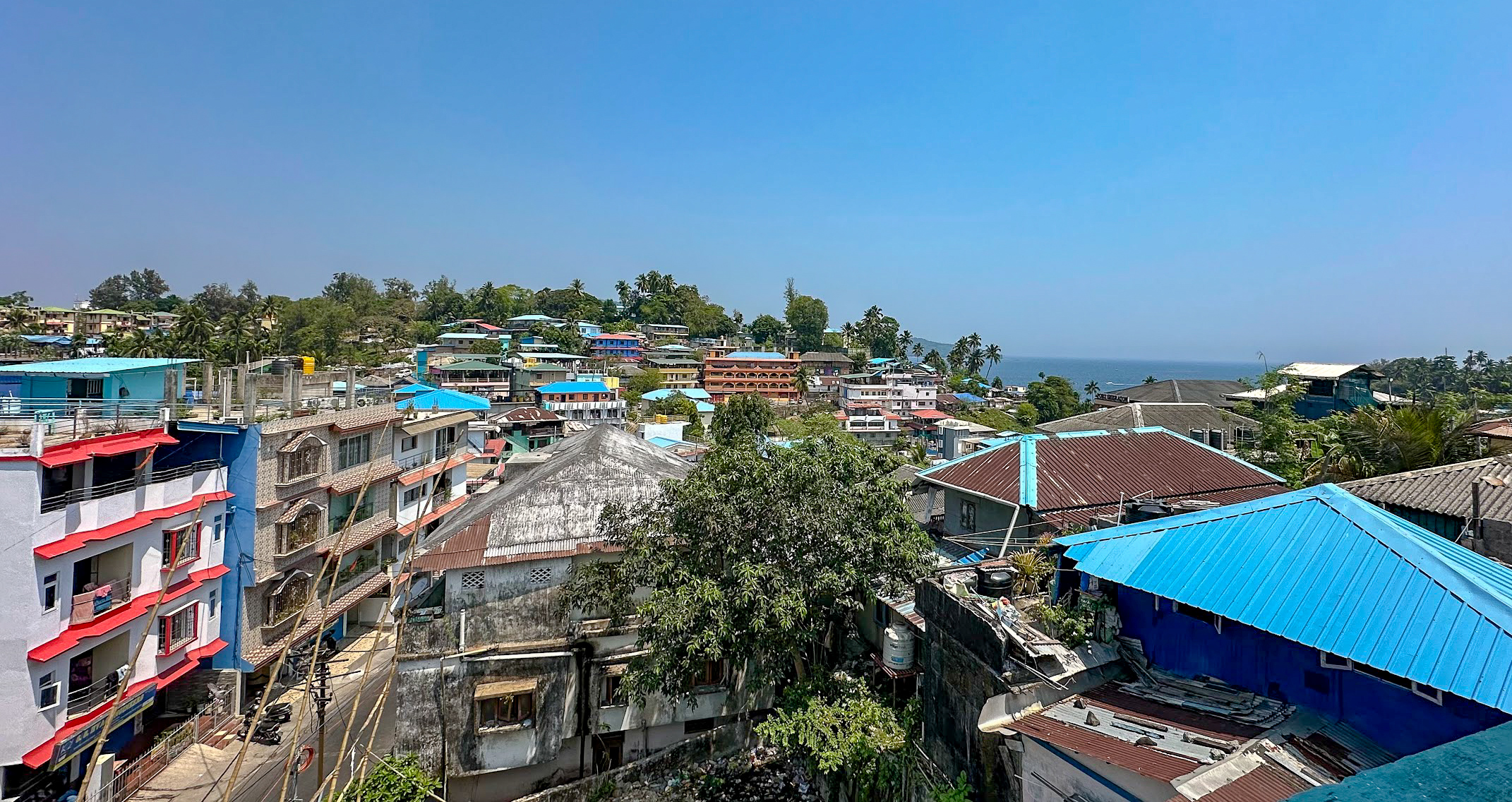
    For most people, Port Blair is the entry point for the Andaman and Nicobar Islands. Domestic flights arrive from the big cities of India, and with a shiny new international airport, more tourists will soon flood into the city. Before hopping on a ferry to Havelock Island or another popular island, take some time to enjoy Port Blair itself. Here are 10 places to visit in Port Blair for the perfect Port Blair itinerary.

    This post may contain sponsored content or affiliate links that help support the blog. All opinions are our own.

    If you are continuing your adventure in the Andaman and Nicobar Islands then check out the best place to book ferry tickets, accommodation and more, Go2Andaman

    1 – Keep it Cheap at Excel Restaurant

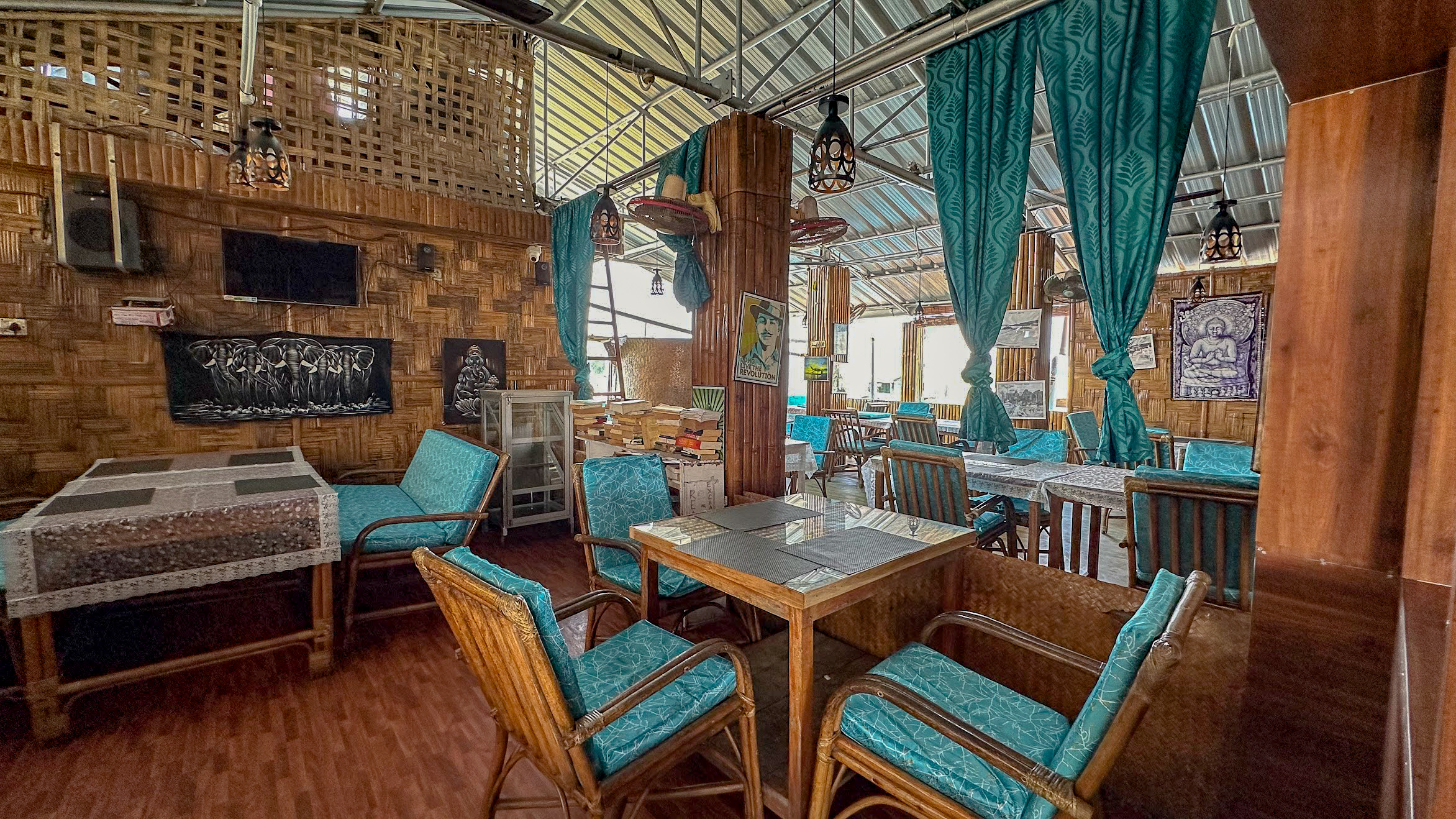
    Located on the roof of a hostel, this relaxed eatery is a wonderful option for those travelling on a budget. The seating is comfortable, the décor is full of funny signs and pretty paintings and the music that ranges from Ibiza chill to Indian raga. They have a decent selection of local dishes, as well as Nepalese momos (very tasty) and beer if you ask. Just be wary, some dishes include onion when not stated on the menu (this includes the marguerita pizza). If you aren’t a fan, best to make sure. The food is prepared fresh so it isn’t the quickest place to eat, but the friendly staff, convivial atmosphere make this a lovely, lazy evening.

    2 – Go Back in Time at Ross Island

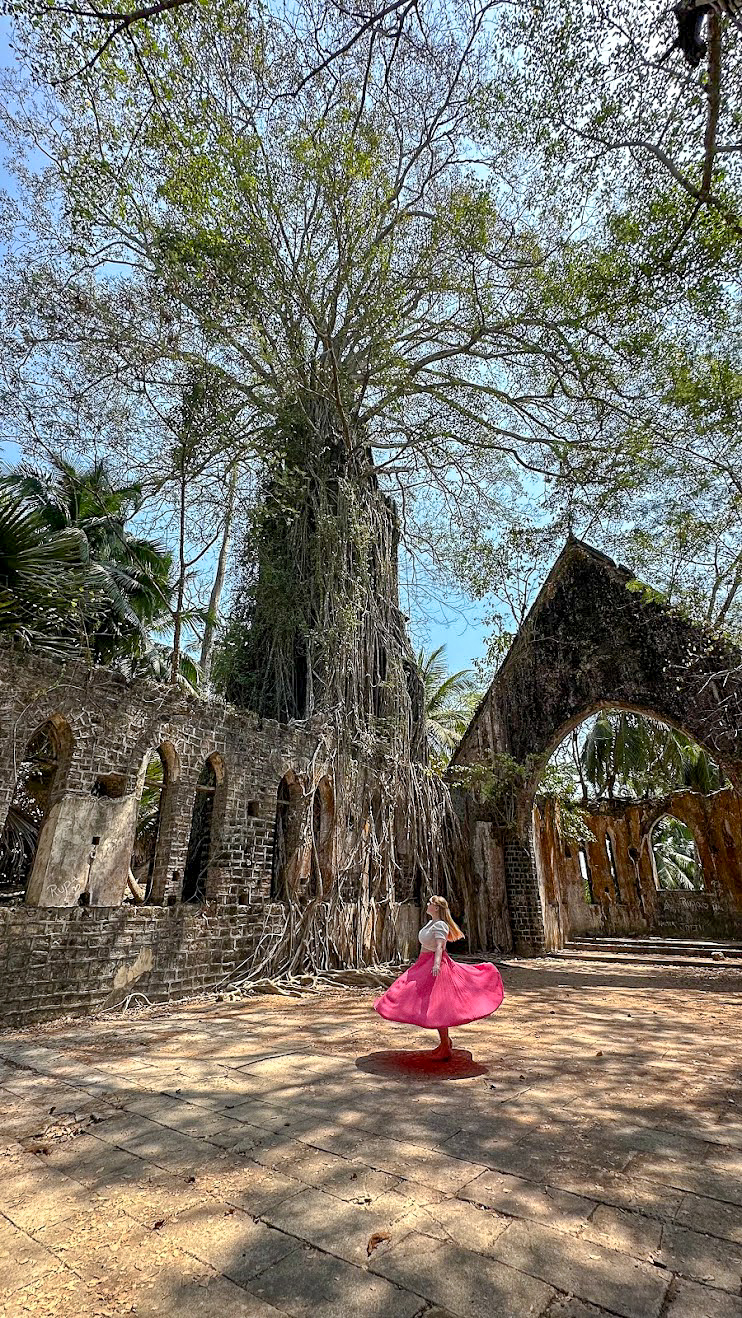
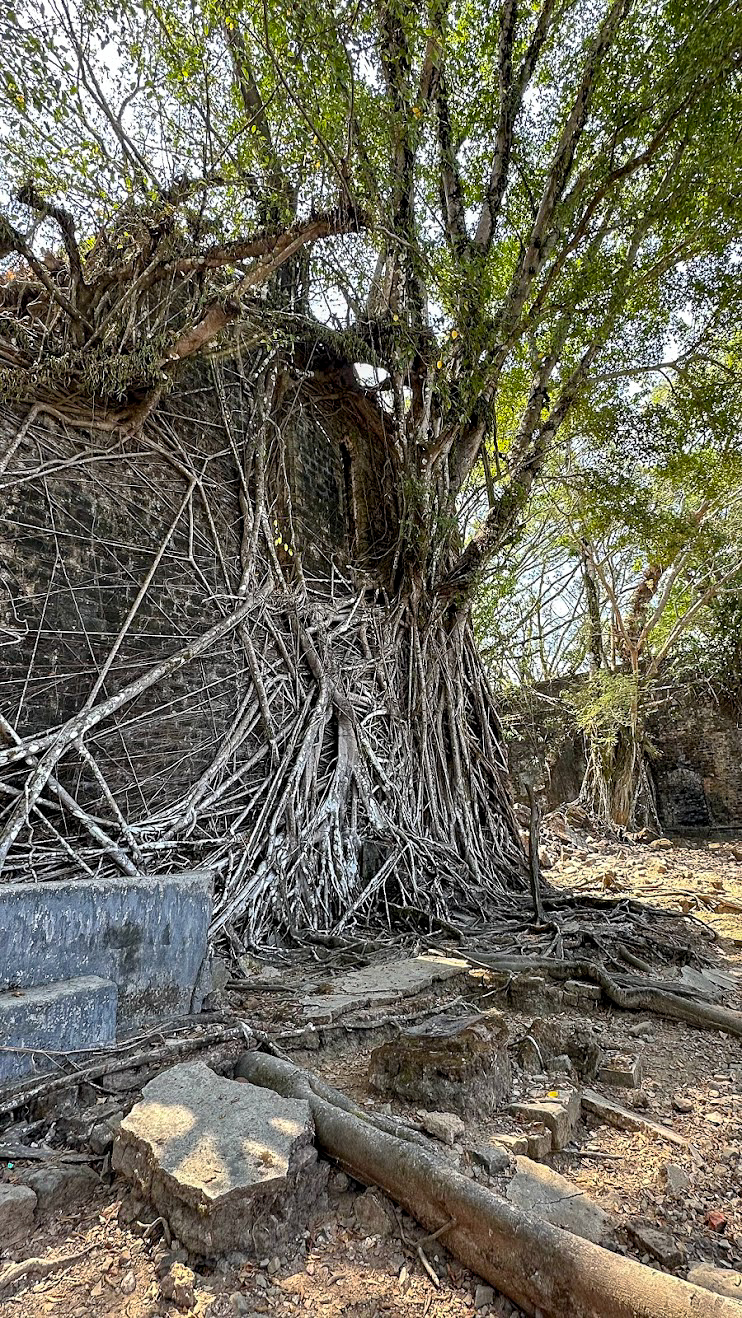
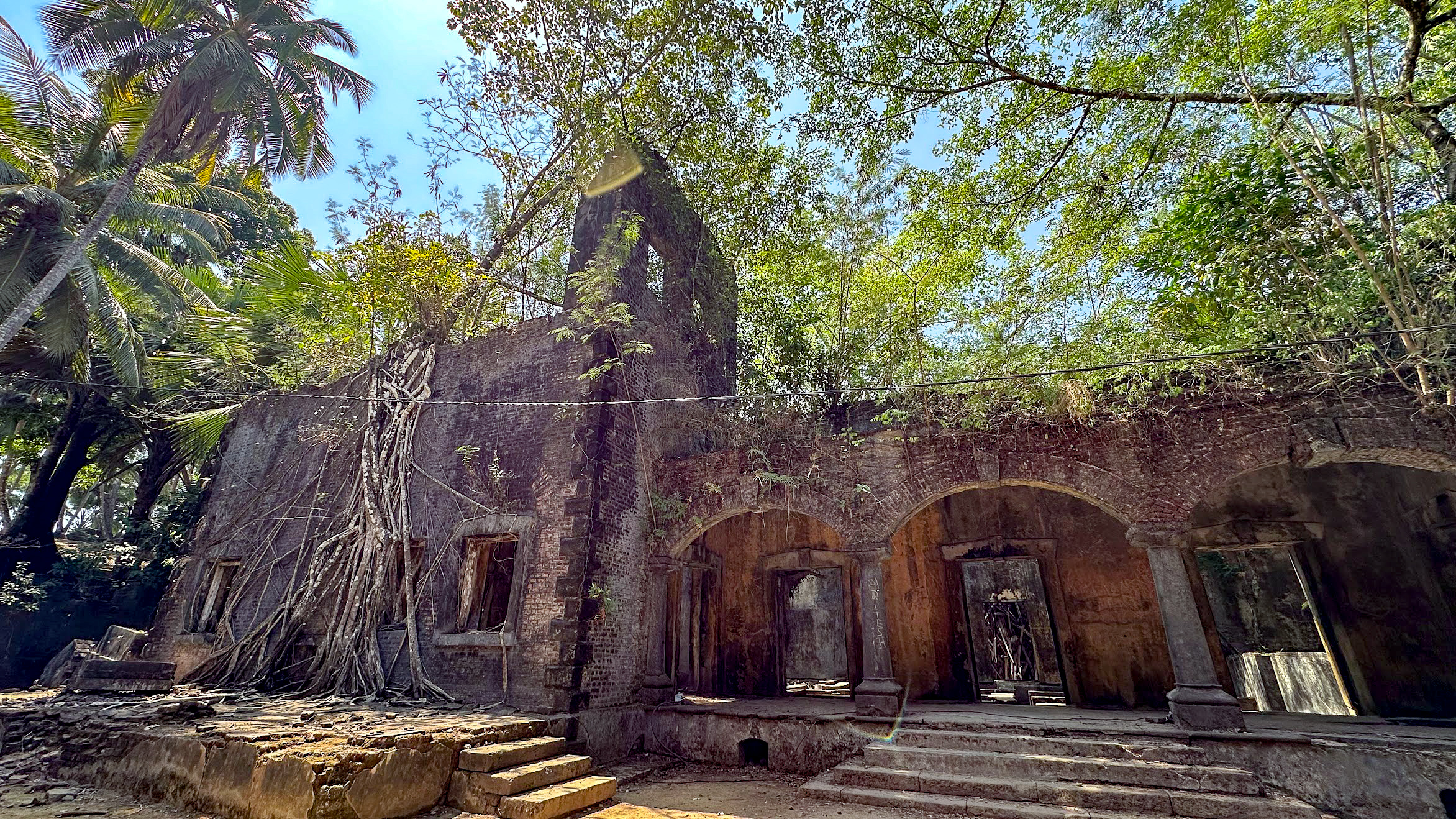
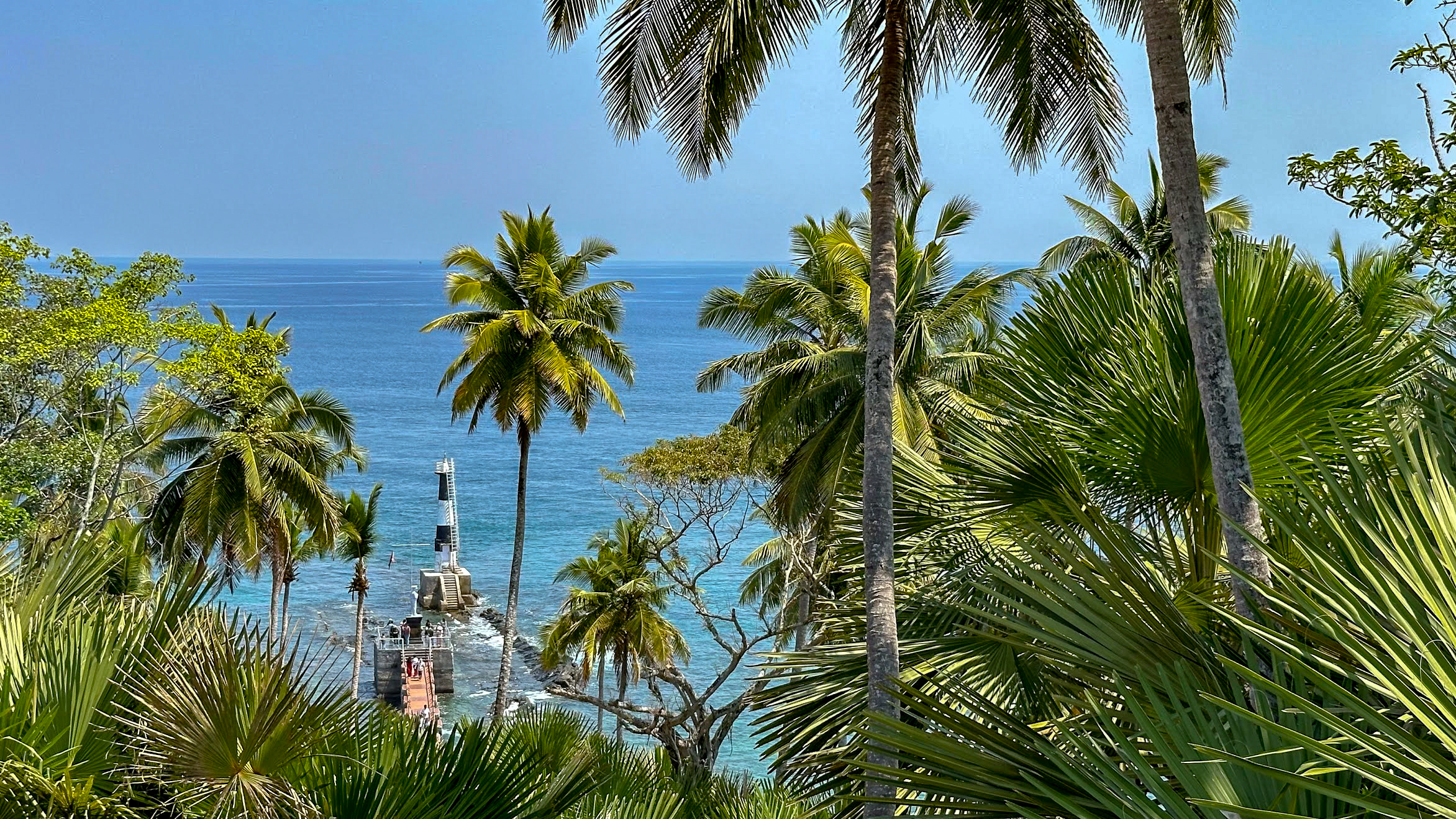
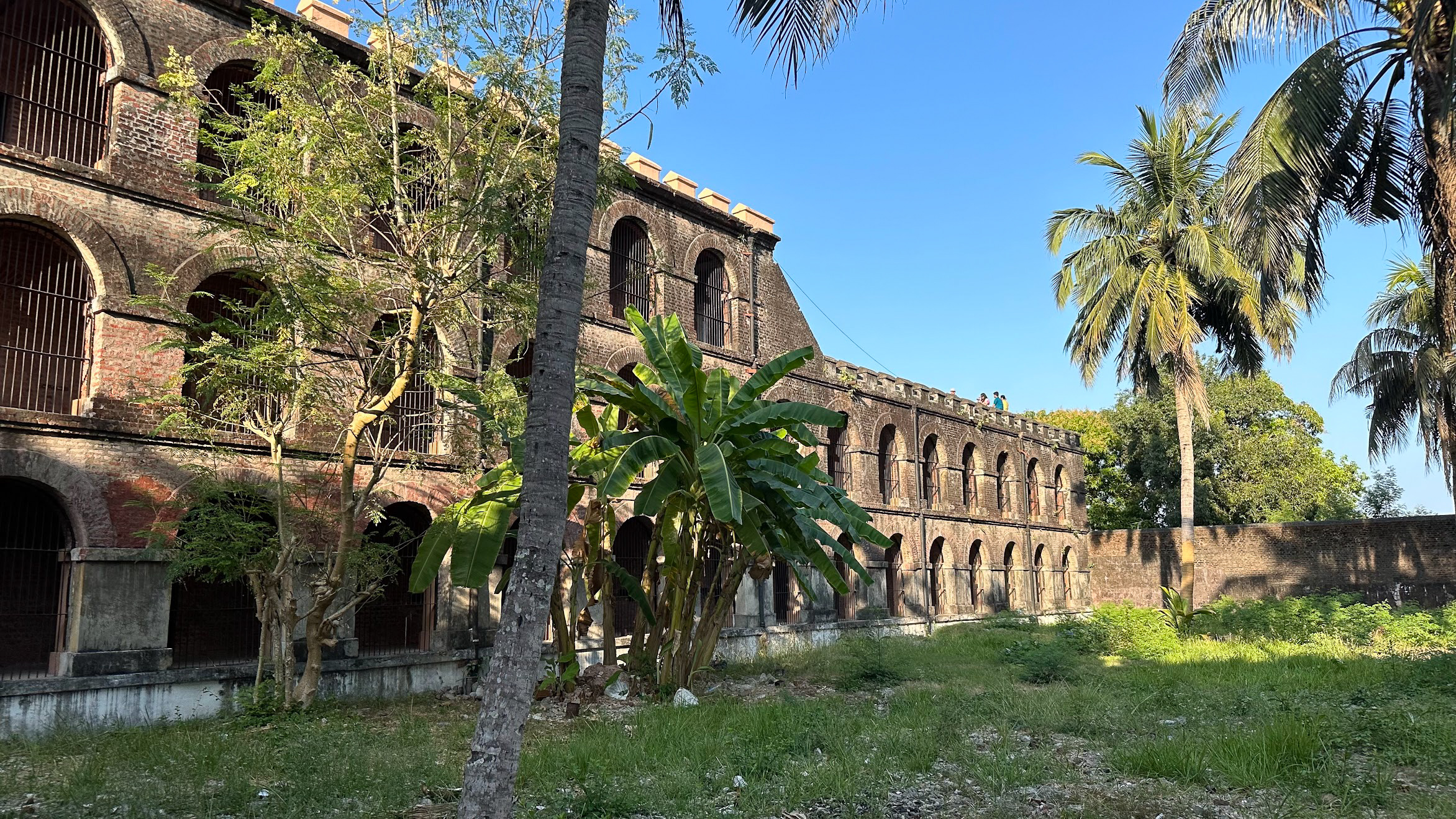
    A quick boat ride from Port Blair is Ross Island (recently renamed as Netaji Subhash Chandra Bose Island but still widely referred to as Ross Island). This island, abandoned to nature, was once home to the British ex-pats that called the Andamans home. There was an officers club complete with teak dancefloor, a church, barracks and Commissioner’s mansion. They were hit by a huge earthquake in 1941 and then quickly vacated when the Japanese invaded in 1942. The island was occupied by Japanese forces before it was taken over by rhe Indian navy, and finally became open to the public for tours. Visitors can explore the dilapidated buildings, overgrown with roots or hot foot it to the striking lighthouse. You can also meet the spotted deer (chital). They bow just like the famous deer in Nara but they were actually introduced by the British as they missed game hunting.

    To get to Ross Island, make your way to Aberdeen Jetty. You need to put your name down at the small table and wait for a few others to fill the boat’s seats. Be mindful that the time you are quoted includes waiting for your boat to arrive. We were the first people to sign up for the day but the fourth boat to leave. When you arrive, you can join a golf buggy tour which will whisk you to the other side of the island, giving you time to go down to the lighthouse. We opted to walk and only got a shot of it from above but had time to explore the empty buildings all to ourselves.

    3 – Samudrika Naval Marine Museum

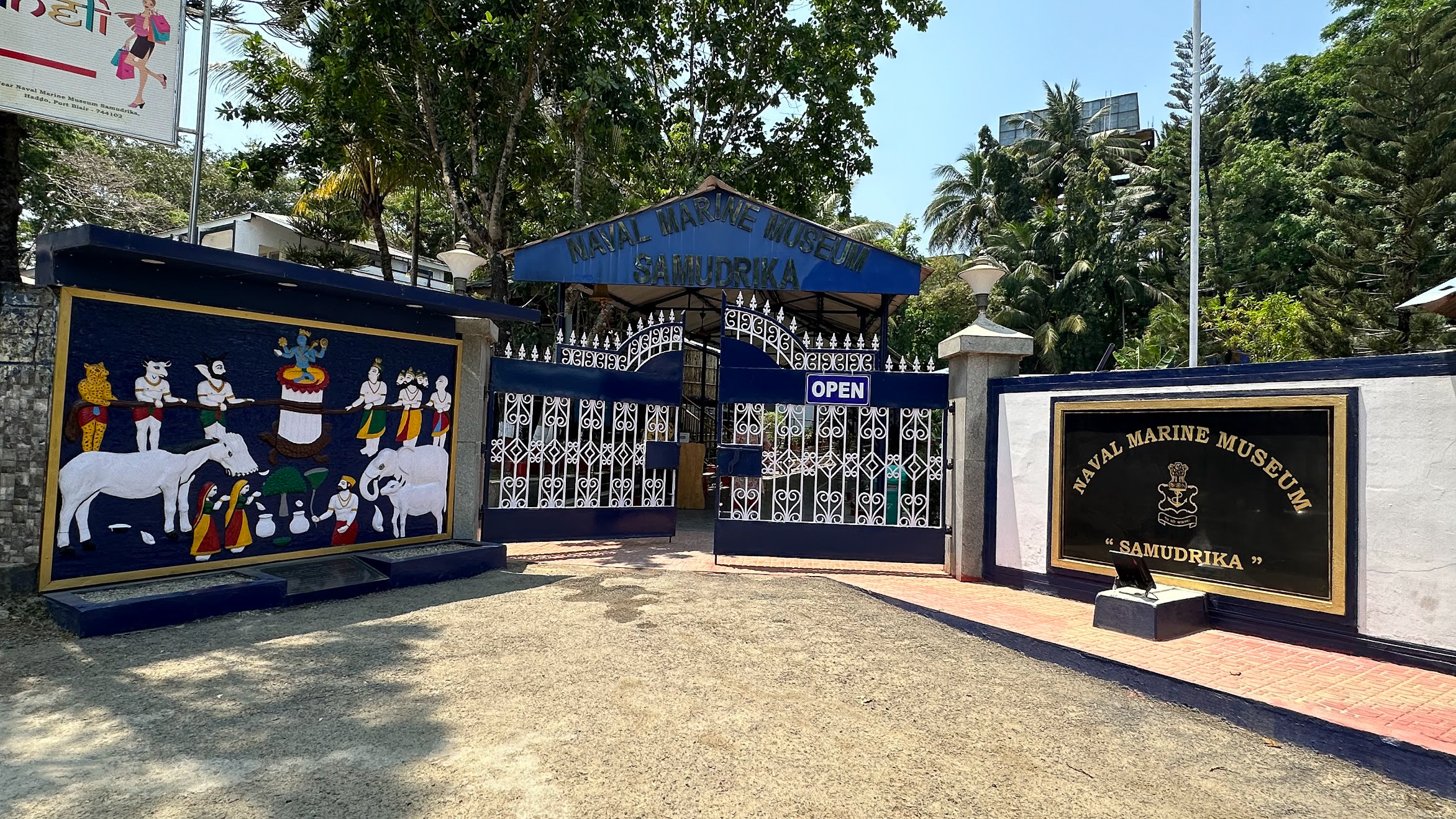
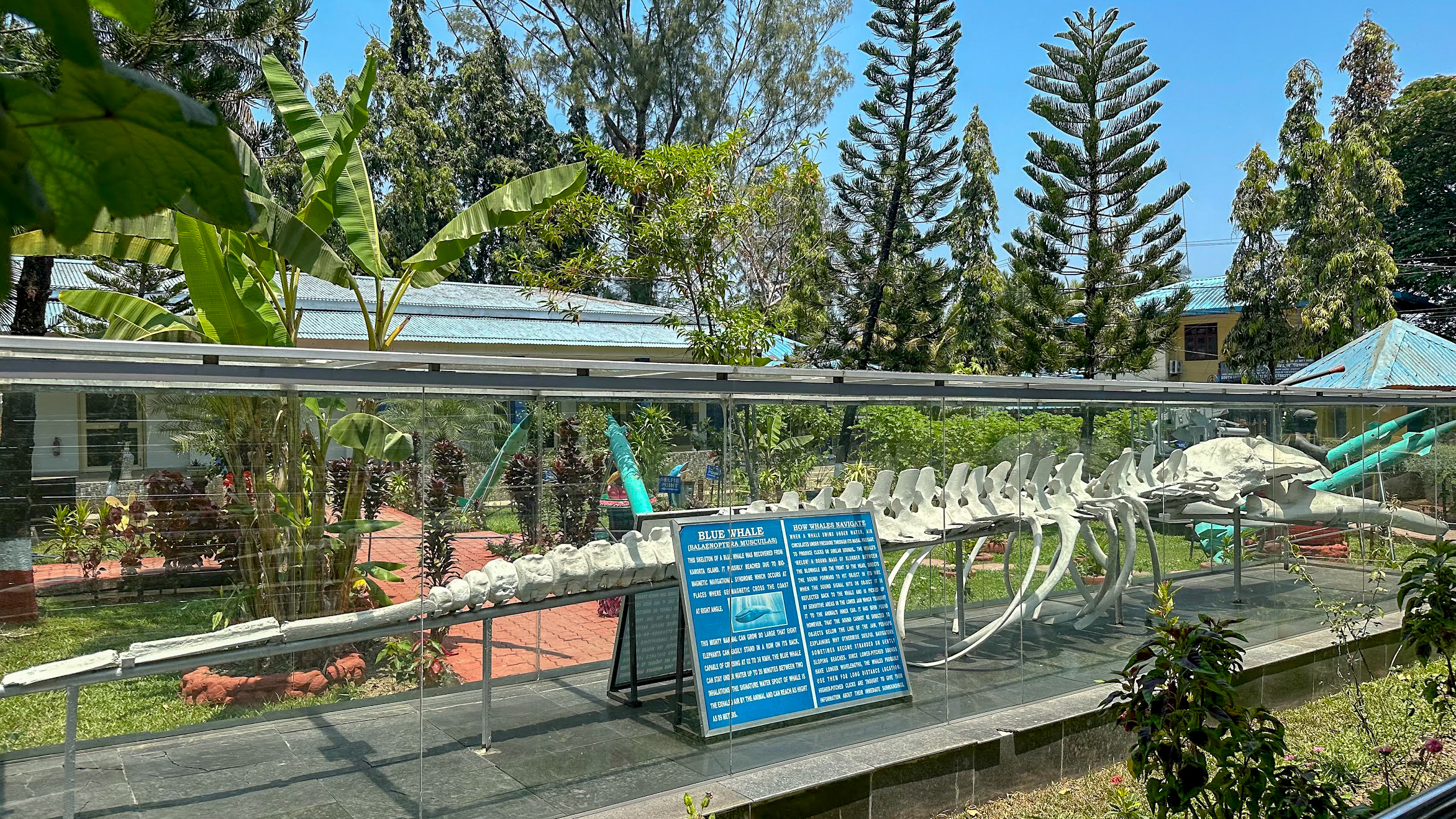
    This slightly eclectic, but mostly marine-themed museum is a short drive from the Aberdeen Clock Tower. There are five main rooms as well as some side areas and a pretty central courtyard. Some of our favourite things are:

    • The room which discusses the geography and ethnographic groups that inhabit the islands. There was loads of info in this room and the air con was super too.
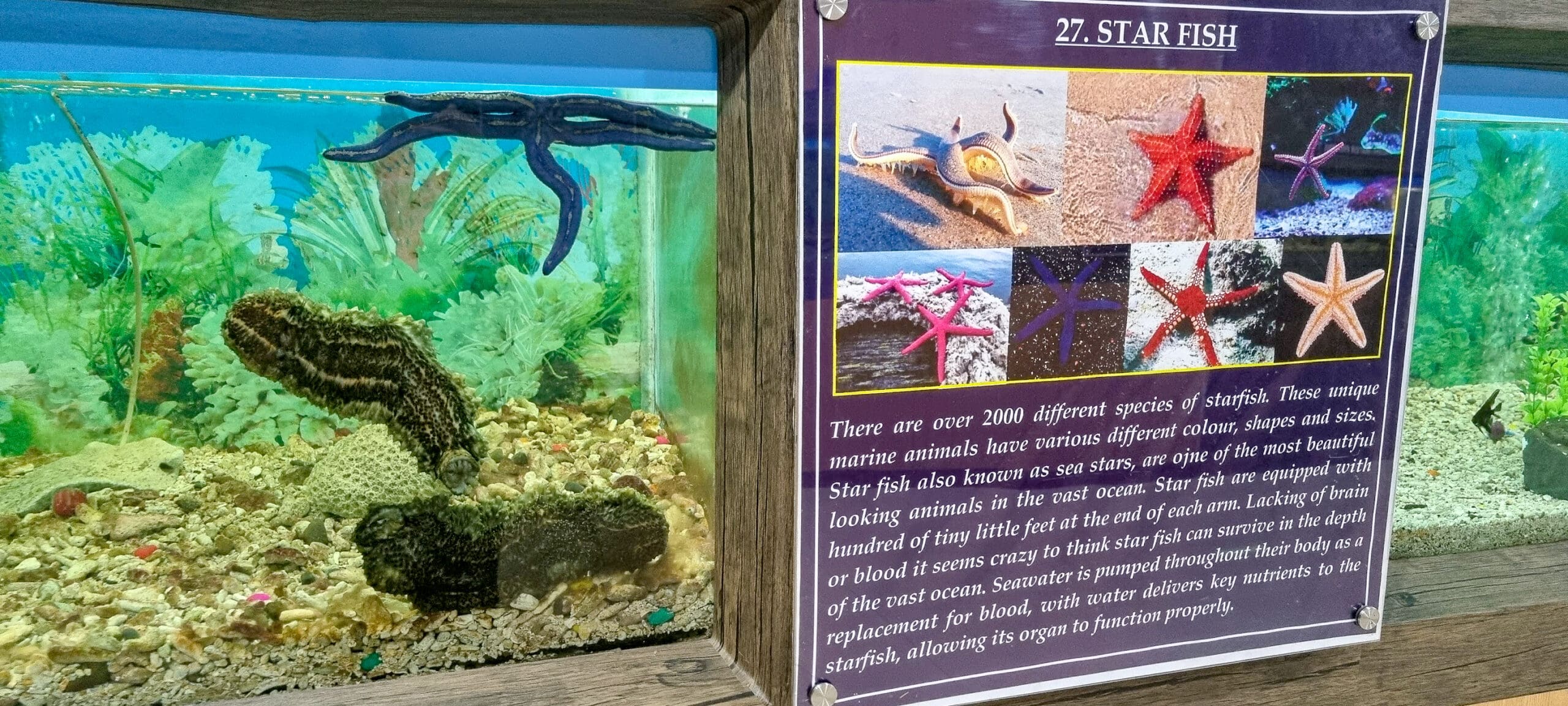
    • The mini aquarium with some fish local to the area and a rather superb sea cucumber.
    • The large naval guns in the courtyard.
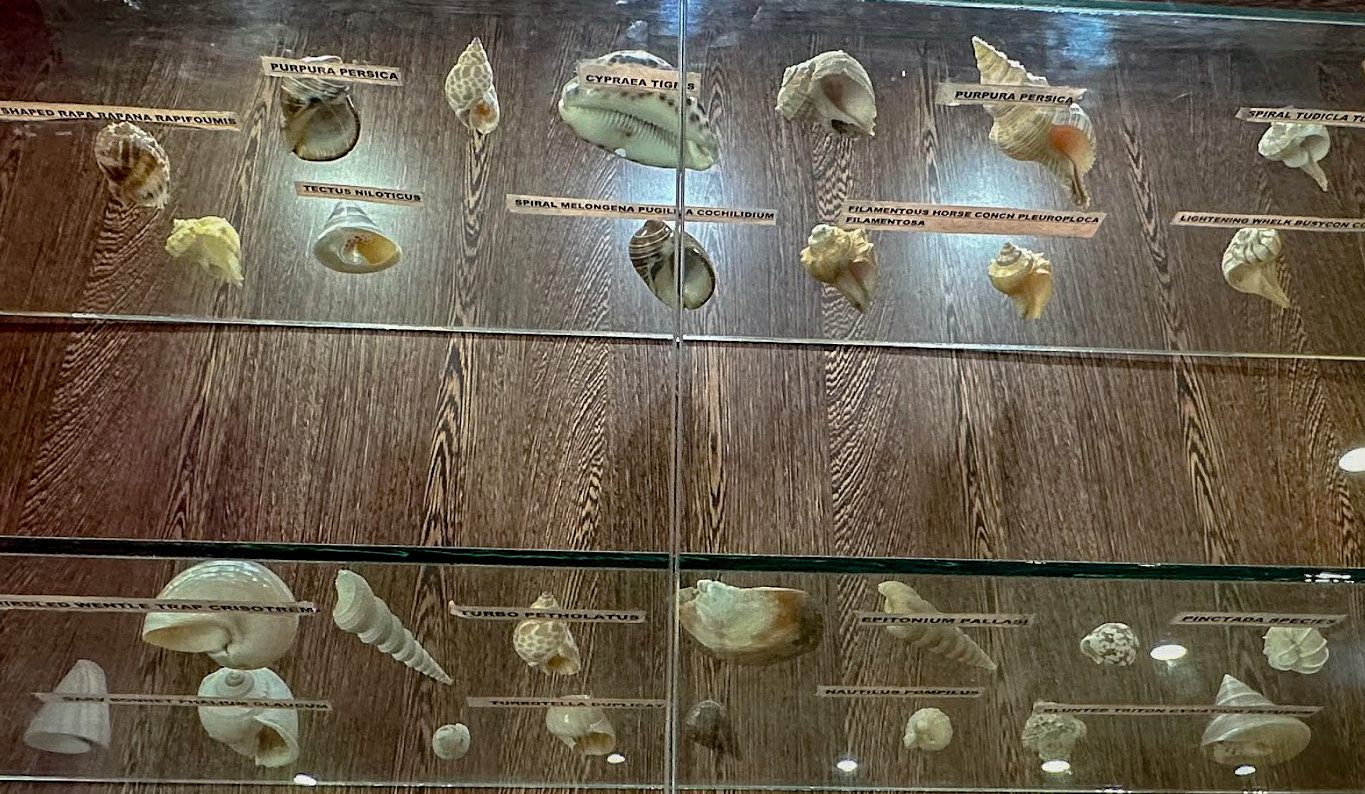
    • The room full of beautiful shells. The pearlescence was stunning.

    You will probably be here for 45-60 minutes, depending on whether you take the chance to sit in the shaded chairs or not. Don’t forget to ring the bell on your way out.

    4 – Fisheries Aquarium

    A small, three room aquarium that isn’t going to give most around the world a run for their money. However, it will be a hit with small children and is a cheap attraction. Bear in mind that taking pictures costs extra, as with many sights in India, but it is small enough that they might actually notice.

    The aquarium is a nice way to see the local sea life if you aren’t comfortable swimming or snorkelling. You can opt to have a guide and they can help bring it all to life with fun stories and facts. Some of the space is given over to preserved coral and sealify curiosities which are nice to see but disappointing in an aquiarium where you expect the majority of the exhibits to be alive. Oberall, this is a good diversion which will help cool you off for half an hour or so.

    Finally, let’s address the elephant in the room. There is a sign that reads, “Fisheries Museum cum Aquarium”. No giggling please, we are all adults here.

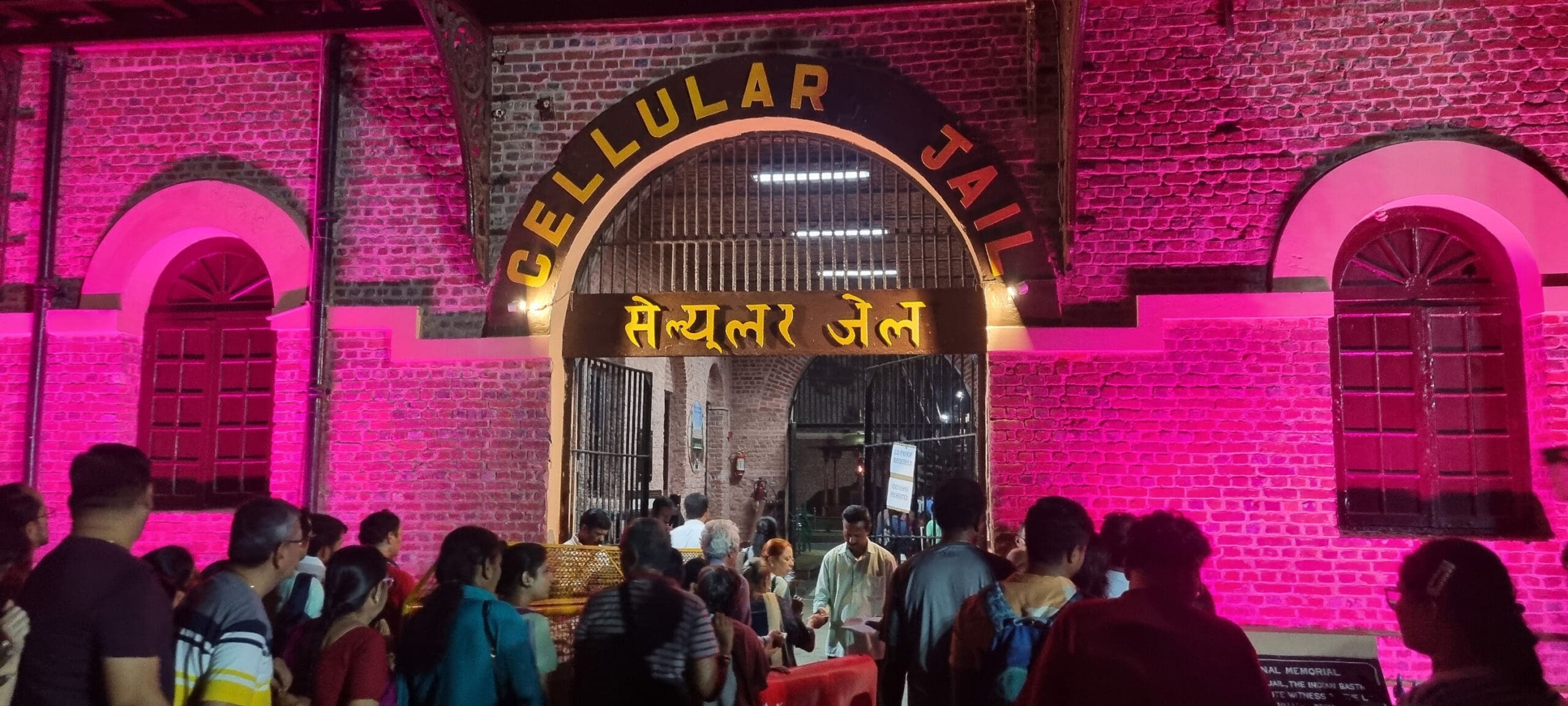
    5 – Delve Into a Dark History at the Cellular Jail

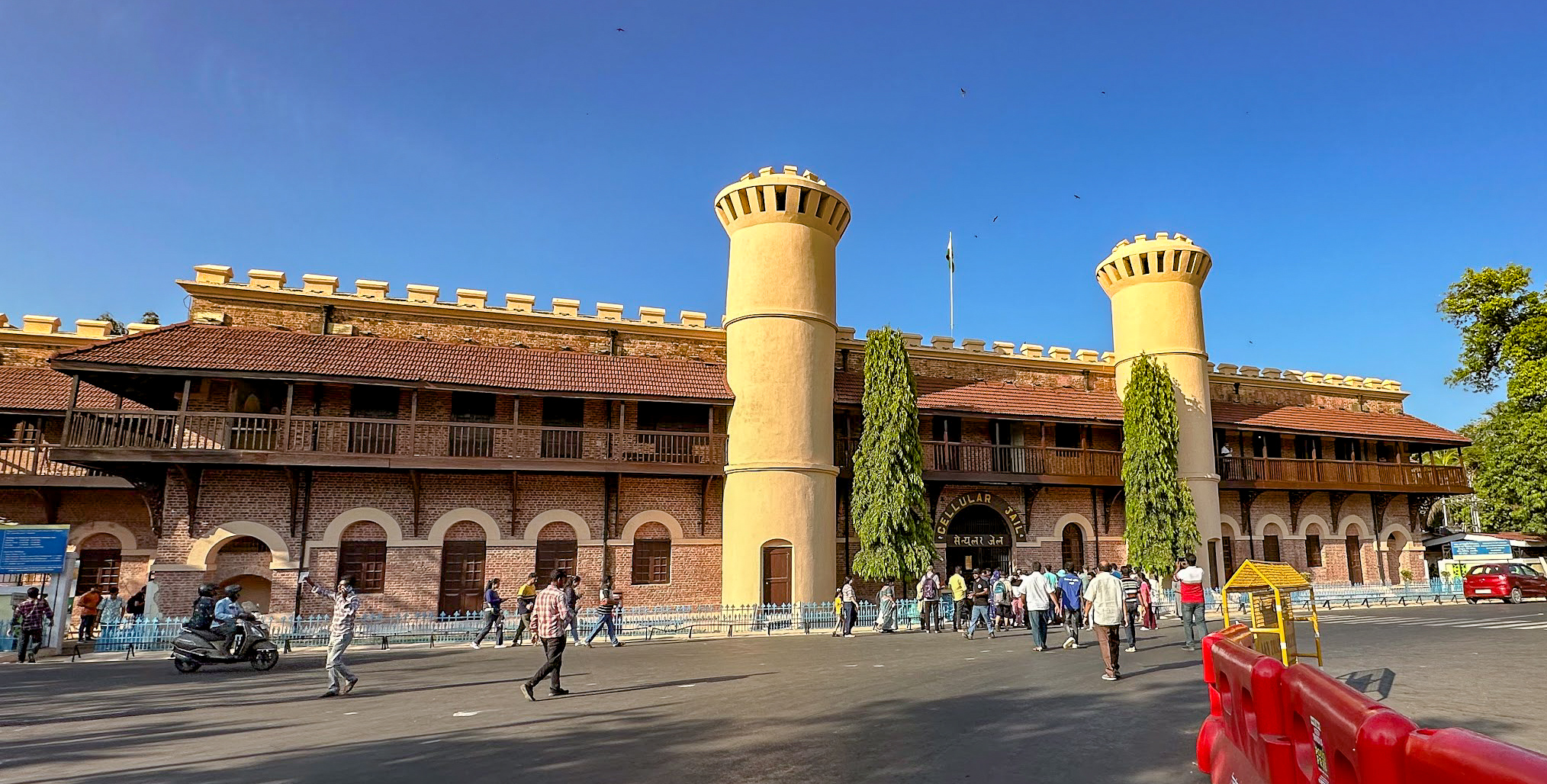
    Built by the British to house Indian citizens that broke the law or fought for independence in the early 1900s, this classic star-shaped prison was home to some rather brutal practices.

    Purchase your ticket in the booth on the far left hand corner before you head for the main door. Everyone floods into the two air conditioned rooms at the entrance that depict the history of the prison and some of the prisoners that were kept here. We think it is best to visit these just before you leave. You will want to savour the air on after the hit visit and before heading back outside.

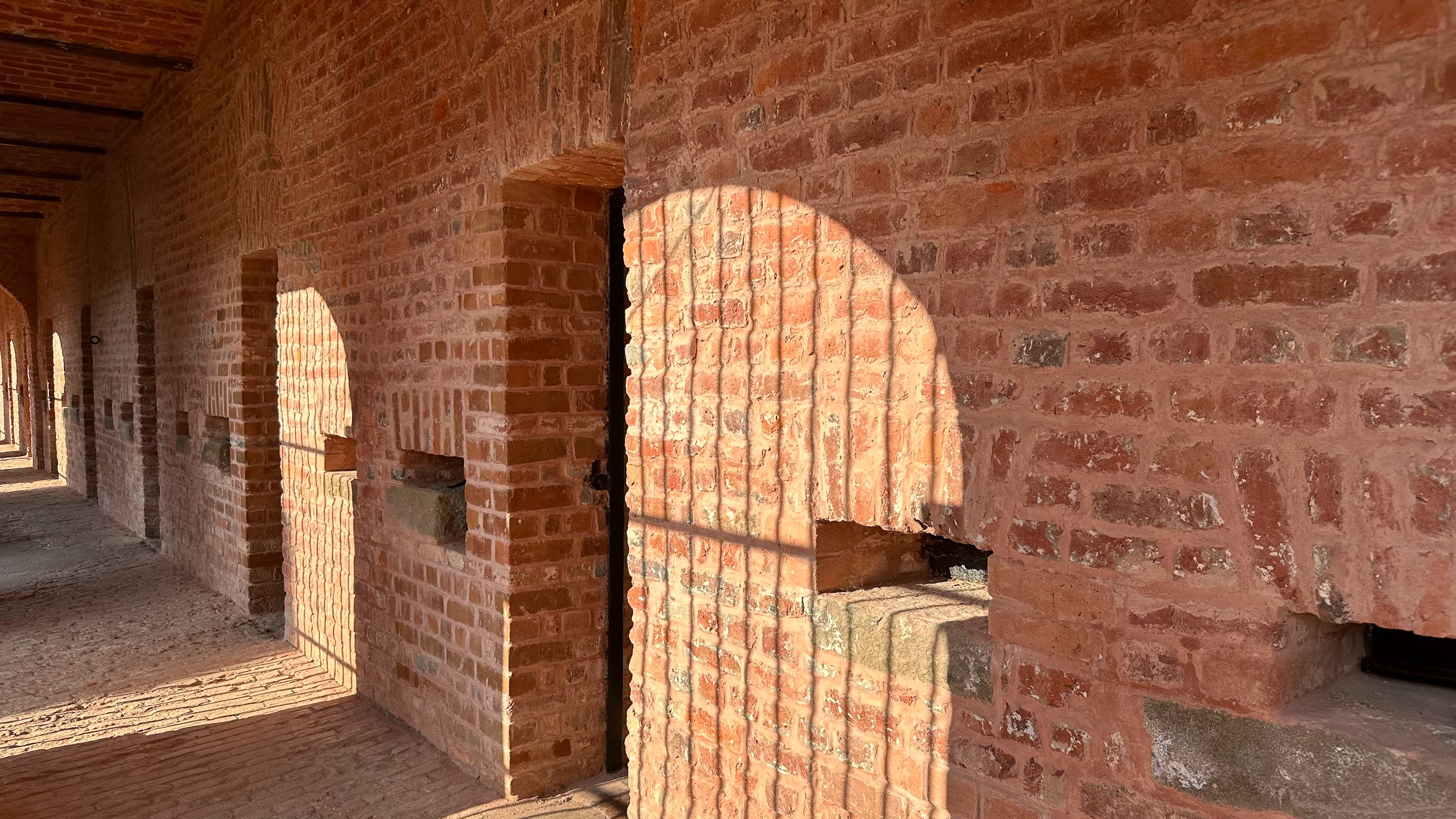
    Visitors have a chance to explore the two wings still standing. One has been beautifully resorted, the other is a little more weathered. Around the well-manicured grounds you will see recreations and explanations of the torturous treatment of the prisoners and two eternal flames celebrating freedom fighters. Seek out the cell on the top floors of in the lesser-restored wing, the home of

    6 – Return to the Jail for the Light and Sound Show

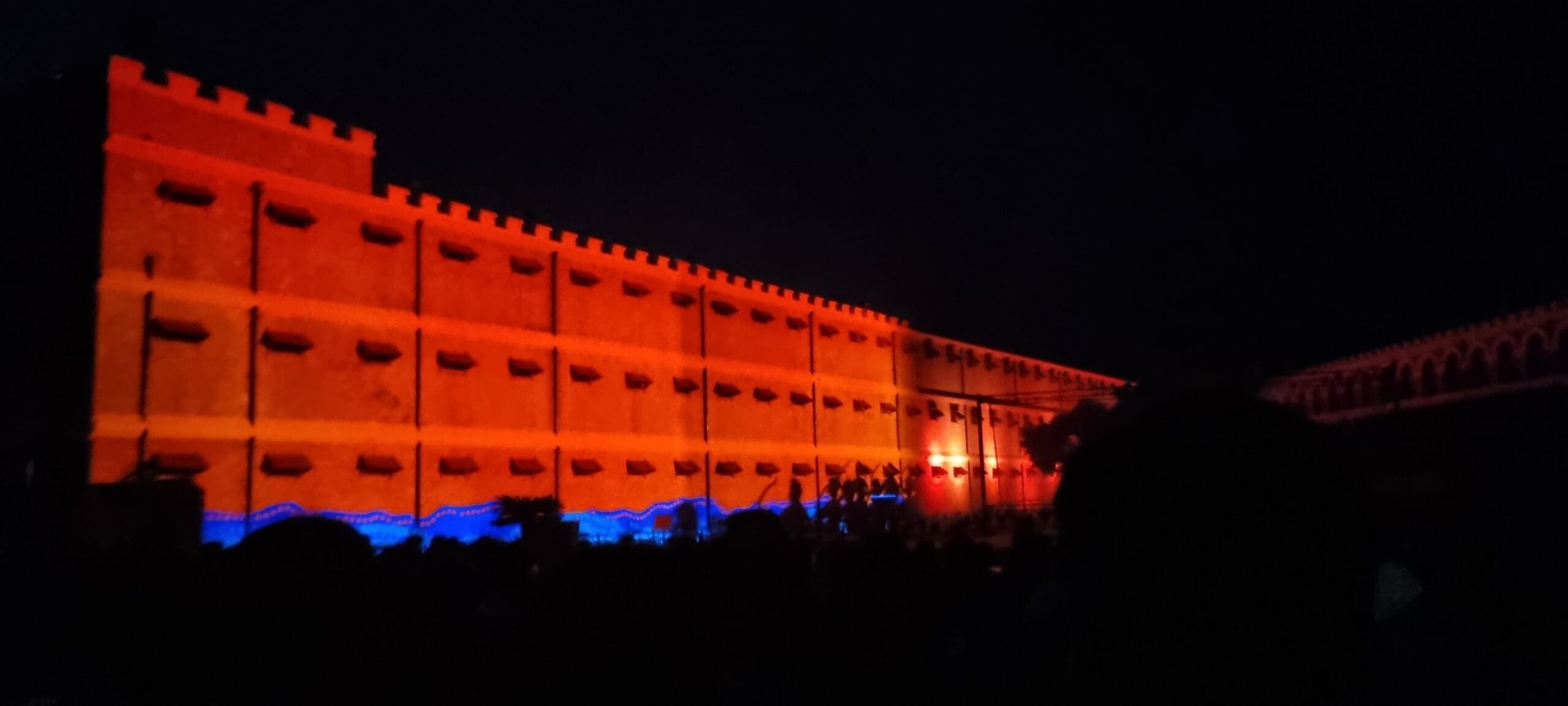
    The Cellular Jail has a fantastic projection mapped light show that tells the story of the jail. Rousing music and effective storytelling make this one of the better light shows on offer. The whole thing ends in a stirring rendition of the Indian national anthem. All in all, it’s a very impressive show.

    The show happens several times a night in Hindi and three times a week in English. Indian citizens will find it easy to book in advance (and yes, this does sell out) through the Andaman E-Tourist website. So far, so good BUT now comes the tricky bit. You need an Indian credit card to book tickets online and you cannot book them in person. We have scoured the internet to find a way to do it for international visitors and think that Dekho Andaman’s tour that includes a pick up and drop off might be the only way.

    7 – Seafood and Beer at New Lighthouse Restaurant

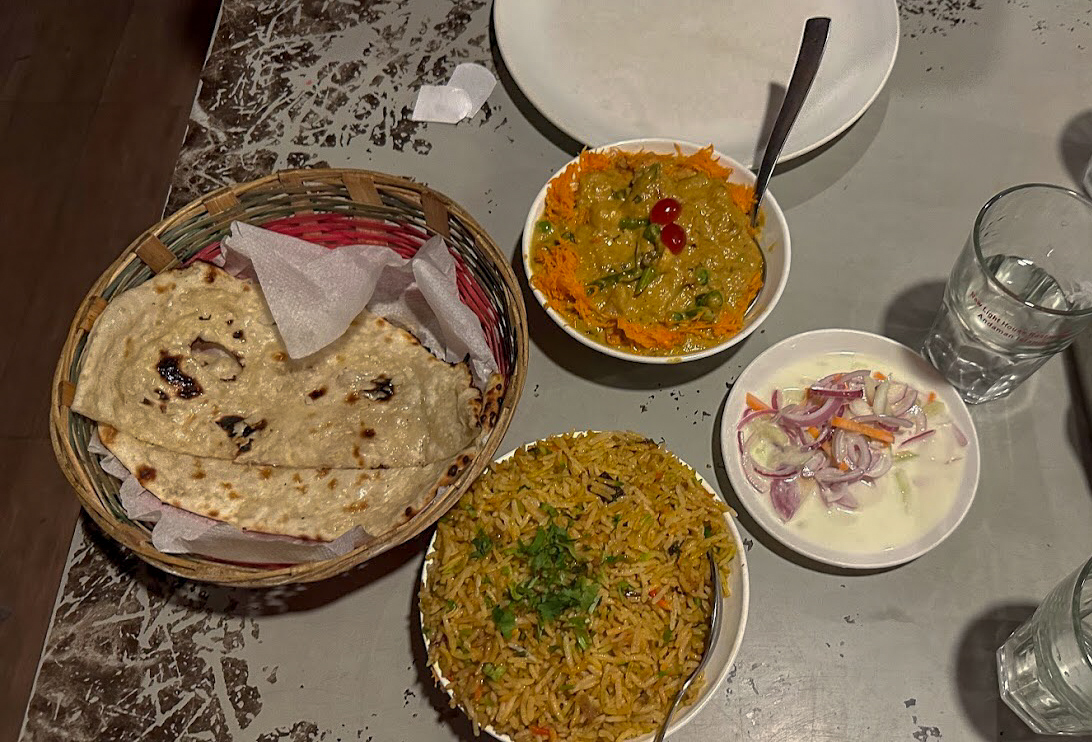
    For a great value seafood feast, you can’t beat the Lighthouse. This double level restaurant is located near the Aberdeen Jetty and is open late. There is a large menu or local and “oriental” dishes. You can also order a selection of seafood from the live options on the ground floor. We saw two huge lobsters which were very tempting. Don’t skip on the biryani which is utterly delicious. If you don’t like spice, try the korma which is one of the only kormas we have found that made Mr Fluskey happy. It is full of all kinds of surprising goodies. When you order, the waiter will offer you a beer. If you fancy some, they come in big, ice cold bottles so don’t try and get ahead by ordering lots at once.

    In terms of seating, upstairs is breezy and cooler helped by several fans. Smoking is only allowed downstairs so if you want a cigarette with your seafood, the stuffy ground floor is where you will be sitting.

    8 – Hit the Beach at Corbyn’s Cove

    At first glance, Port Blair just seems like a city on the water, but with no public access to the water. However, just a pretty 30 minute drive south of the main city is Corbyn’s Cove. This sweep of golden sand, backed by palm trees is picture perfect…if you arrive very early in the morning. At that time you can have it to yourself for a little while. Arriving later in the afternoon and you will see that it has become a hive of beach activity. Of course, it is still gorgeous, just less postcard perfect as the footsteps of visitors, and receding tide leave it looking a little beaten up later in the day.

    At Corbyn’s Cove Beach you will find vendors selling drinks and snacks, fresh coconuts and maggi. There are washrooms and toilets and watersports galore. For the thrill seekers, options include jetskiing, power boat rides and parasailing. You can swim from the beach or just relax in the dappled shade by the trees, taking in the atmosphere.

    9 – Sip a Sundowner at Amaya

    Amaya at the top of the Seashell Hotel is the nicest place in town for a drink or some dinner. It does come with a bigger bill than many local spots (cocktails are 400 – 770) but the drinks are very good and it is such a super spot to see the sky turn red. You can reserve a table on the balcony but they do have space for walk ins if you arrive early. Service levels here are to good international levels with courteous and professional staff. The ambience is cool with some great music to enjoy.

    The food is also some of the best and most hygienic in town with plenty of options from India and around the world. They are especially known for their excellent touch with fresh seafood and a good range of international style vegetarian food.

    10 – Explore Mount Harriet National Park

    If you haven’t had your fill of British ruins from Ross Island then head to Mount Harriet (now officially called Mount Manipur National Park). The remains of a British summer house, perch atop a high hill giving incredible views. Once home to the high commissioner, it was named after his wife, Harriet. It is a haven for wildlife which in turn, makes it great for photography. Keep your eyes peeled for wild pigs, robber crabs, and turtles that have all been spotted here. Landscape snappers and wildlife clickers will both be very happy here with almost 400 kinds of plants, 90 species of bird and a plethora of butterflies all enhancing the gorgeous views of the coast. Remember that using the camera does incur an extra cost.

    You can take a ferry to Mount Harriet from Chatham Wharf on the Northern tip of Port Blair. The journey takes around 45 minutes. Alternatively, you can travel by road but this takes about 2 hours. You can drive almost all the way to the summit but you can hike up if you want as there are plenty of trails. If you do take a trek, wear long trousers, wear plenty of deet and carry lots of water. Stay alert for insects, snakes and other harmful animals. It may be best to hire a guide so they can help with this and the navigation. Plus, they can point out the view of the lighthouse that used to be on 20 rupee note.

    Final Thoughts on Our 10 Places to Visit in Port Blair

    Port Blair isn’t a spot to stay for a week, but over a day or two you can have a lovely time, eat some great food and learn all about the Andaman and Nicobar Islands. From here, head for the islands and relax on the sand for a couple of days. You will appreciate them all the more once you know how India fought for them.

    If you are continuing your adventure in the Andamans then check out the best place to book ferry tickets, accommodation and more, Go2Andaman

    Rosie xx

  • An Icelandic Classic – Our BusTravel Iceland Grand Golden Circle Tour

    An Icelandic Classic – Our BusTravel Iceland Grand Golden Circle Tour

    For most visitors to Reykjavík, the classic way to see some of Iceland’s incredible nature is to take a trip around the Golden Circle. It is a series of natural sights created by the geothermal activity of the island. We took this tour in 2012 but decided that it would be fun to see it in the snow on our latest trip. Plus, it was one of the tours in our BusTravel Winter Wonders in Iceland package so it would be rude not to. Join us for our BusTravel Iceland Grand Golden Circle Tour.

    This post may contain sponsored content or affiliate links that help support the blog. All opinions are our own.

    The Breakfast Stop

    Our first stop was to a roadside centre with a nice coffee shop/convenience store, a nice, cheap Bonus supermarket and a museum. The visitor centre has some information about the volcanic and tectonic activity of the area. In the floor, a fissure was illuminated with fake lava. We spent a little time reading the info before splitting up to use the bathroom.

    I popped into the supermarket to find a good value breakfast treat and emerged with two packet muffins just as Mr Fluskey messaged me to ask if I wanted one of the fancy pastries from the cafe. I had to disappoint him and present him with a cheap and cheerful variation. (Budget travel for the win).

    Kerid Crater

    There are a few volcanic lakes in South Iceland but this is the most popular one to visit. It has the clearest caldera (clearer when it isn’t covered in snow).

    We gazed in wonder at the people who had made it all the way down to the icy lake. Not only was Mr Fluskey worried that one of them would fall through the ice, but I thought the climb back up was so steep that they would miss the bus. Miraculously, everyone made it back, dry and almost on time.

    Islenski Hesturinn

    Icelandic horses are unique. The breed is completely its own. They stand much smaller than your average horse but they are really hardy and really strong. Not only that, but they are adorable. While most horses have three gaits, Icelandic horses have an extra two including the tolt which makes the horses look like they are swimming. The body moves smoothly while the legs are pumping away! Any Icelandic horses that leave the island are never allowed to return in fear that they could bring diseases that would wipe out the lot so we are always pleased to meet them here.

    On a previous trip we were lucky enough to try riding these little powerhouses but this time, it was a much shorter interaction. The bus pulled up next to the fence for 10-15 minutes. Here, there was a wooden cupboard where you could buy “horse candy” on an honestly box system. A few people bought a bag and everyone else crowded around to watch them feed the waiting horses.

    The Mighty Gullfoss

    Back in 2012, we took a Golden Circle tour in October. It was cold, with some icy areas but mainly, the way down to Gullfoss was clear. There was ice forming where the spray from the dramatic falls was coating the path. It was slippery but fun getting down to the rocky platform.

    This time, we couldn’t get anywhere near it. The brutal, sticky snow was coming in harsh and sideways as we climbed down from the bus. The way to the overlock was straight into the stinging ice. Everyone struggled forward, unable to look up properly. Luckily, it is eased off just enough as we reached the overlook. We could see the river flowing down to the falls, over its double drop. Sadly, we couldn’t see into its 32m deep canyon caused by the retreating rock face. The ice that had formed around the water prevented that spray from bursting back up into the air so it was sadly missing its common rainbow. It was so cool to see the icicles though.

    Geysir Geothermal Area

    The Geysir park is one of the most popular stops along the Golden Circle. Water, heated by geothermal activity, courses through the rocks here. You can see it carve through the snow, bubble and boil in the Little Geysir and erupt from its silica tunnels.

    Strokker is Iceland’s most famous geyser. There used to be a much bigger one here in the geyser geothermal area, (the one after which every geyser in the world is named). However, a big earthquake in the early 1900s stopped it erupting…but it could come back one day. In the meantime, we get to watch Strokker’s boiling water burst up every seven minutes or so, reaching fifteen to twenty metres into the sky. We got to watch it blow twice before cold winds and the returning stinging snow drove us into the visitor centre.

    It was lunchtime and this was our longest stop. There was a large visitor centre here which had one large restaurant, a small cafe and a shop. We were fully planning to grab one small thing from the cafe so that we could officially take one of the tables, but it was shut. The restaurant had huge queues and we really didn’t fancy joining just for a soft drink. Instead we illegally perched at one of the tables, preparing to be kicked off at any moment. The prominent, “No Picnics” signs made it clear that we were being naughty. We ate our sad sandwiches before braving the snow again to get back to the coach.

    Thingvellir National Park

    During this trip to Iceland, we had been to Thingvellir on two other occasions. The first was as part of our Northern Lights Tour with busTravel Iceland. Then, the next morning just ten hours later, we took a dip in the waters that flow through it. Visitors can snorkel in the Silfra fissure that runs from the Thingvellier National Park, into the lake, fed by glacier water that trickles from the rocks.

    It was great to see Thingvellir National Park both in daylight, and wearing more appropriate sightseeing layers. This is the seat of Iceland’s government. This was one of the first democratic governments in the world, if not the first. It was decided that a large, open area would allow everyone to come that wanted to. It was held here from 930AD to 1798AD before restarting in Reykjavík in 1881.

    We followed the group up onto the same bridge we had tried to see the northern lights from. Everyone was given a small talk but the cold drove everyone out of the wind. We chose to make our way down into the snowy rift. On a clear day you can see the edge of both tectonic plates and Thingvellir National Park is full of cracks and fissures as the land rips slowly apart. In this snowy-laden day, we decided to stick solidly to the paths. The snow was so deep in some spots that we didn’t get to far before it was time to return.

    Final Thoughts on Our BusTravel Iceland Grand Golden Circle Tour

    The Golden Circle Tour is a must-do for all visitors to Iceland. It was so cool to see it in a totally different light. Speaking of, during our midsummer trip, our friend took this trip on a crazy all-night adventure. She saw it all in the midnight sun so clearly, there is no bad time to visit. I am sure we will be back again ourselves one day.

    Rosie xx

  • In Search of the Aurora – Our BusTravel Iceland Northern Lights Tour

    In Search of the Aurora – Our BusTravel Iceland Northern Lights Tour

    There are a few places in the world that are excellent bases if you are on the hunt for the Northern Lights. Iceland is one such spot. Many people travel to Iceland in winter, exclusively to try and see the aurora. It was definitely on of the reasons we made our third trip to this stunning island. But did we have any luck?Read on for our full BusTravel Iceland Northern Lights Tour review

    This post may contain sponsored content or affiliate links that help support the blog. All opinions are our own.

    Our BusTravel Iceland Northern Lights Tour

    The first of our four tours had to be planned meticulously. I stalked the Aurora app, checking KPI forecasts, cloud cover forecasts and cross-checking with BBC Weather on the daily. The Northern Lights, Aurora Borealis, is to me the most beautiful and elusive of nature’s delights. Our first trip to Iceland in 2012 was for a week in October and we thought we were onto a winner…but no luck.

    With rumours that 2024 was another bumper year for the lights, we made a last minute decision to try again. The BusTravel 4-Day Wonders of Iceland Winter Tour includes four trips and according to the forecast, our first night in Iceland was going to be our best chance. Plus, they have a guarantee, if you don’t see the lights, you can try again for free.

    Pick Up

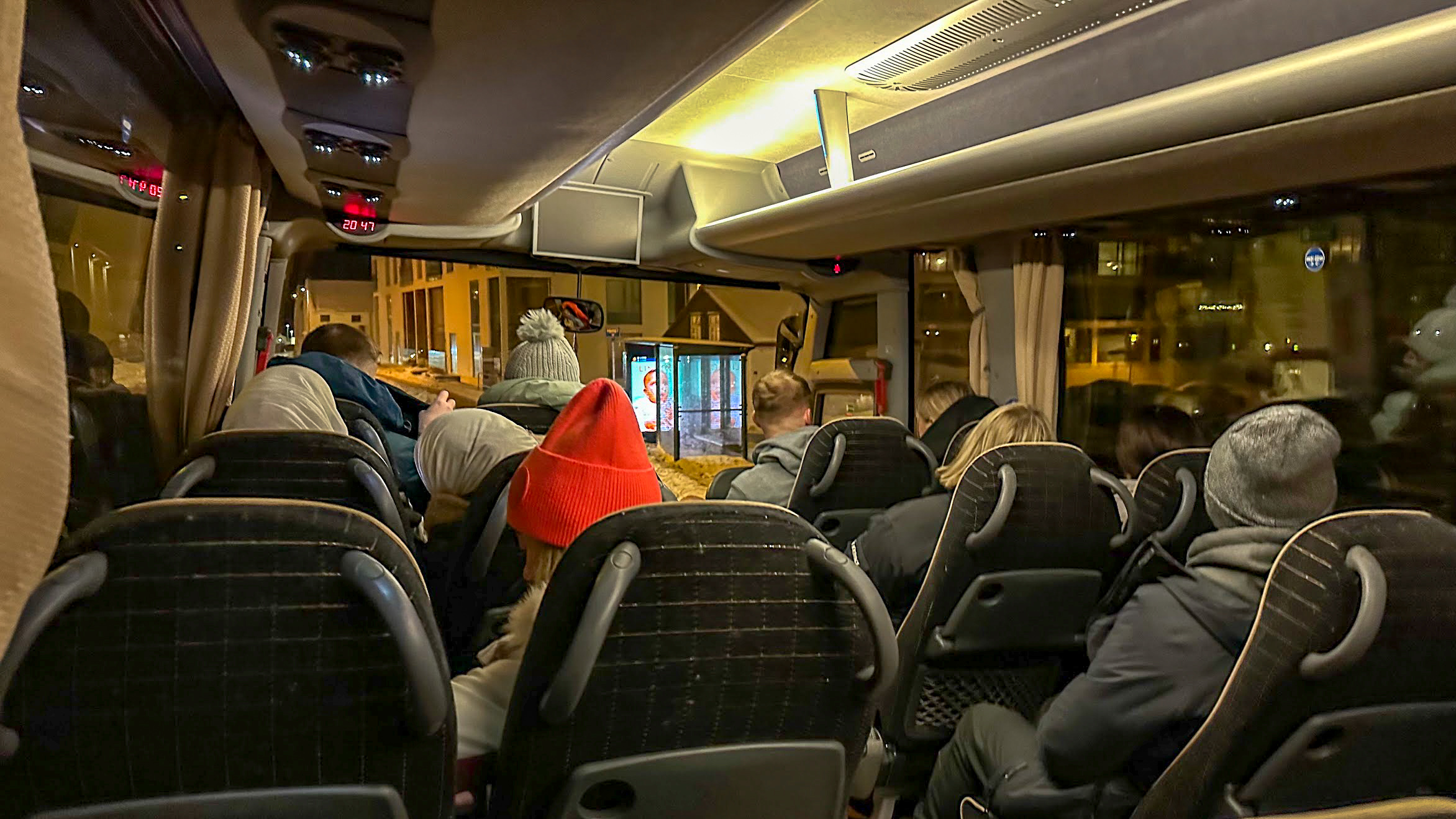
    We made our way to our nearest tourist bus stop. There are a series of these around Reykjavík and tour companies go around and within half an hour, they have all their tourists. We stamped our feet in the chill and sighed with relief to see the big BusTravel coach steam to a stop. We thought we would have to show our tickets but our names were on a list which was called out. Much easier when its cold. We dived on board, leaving the other guests behind and secured two seats.

    On the Hunt

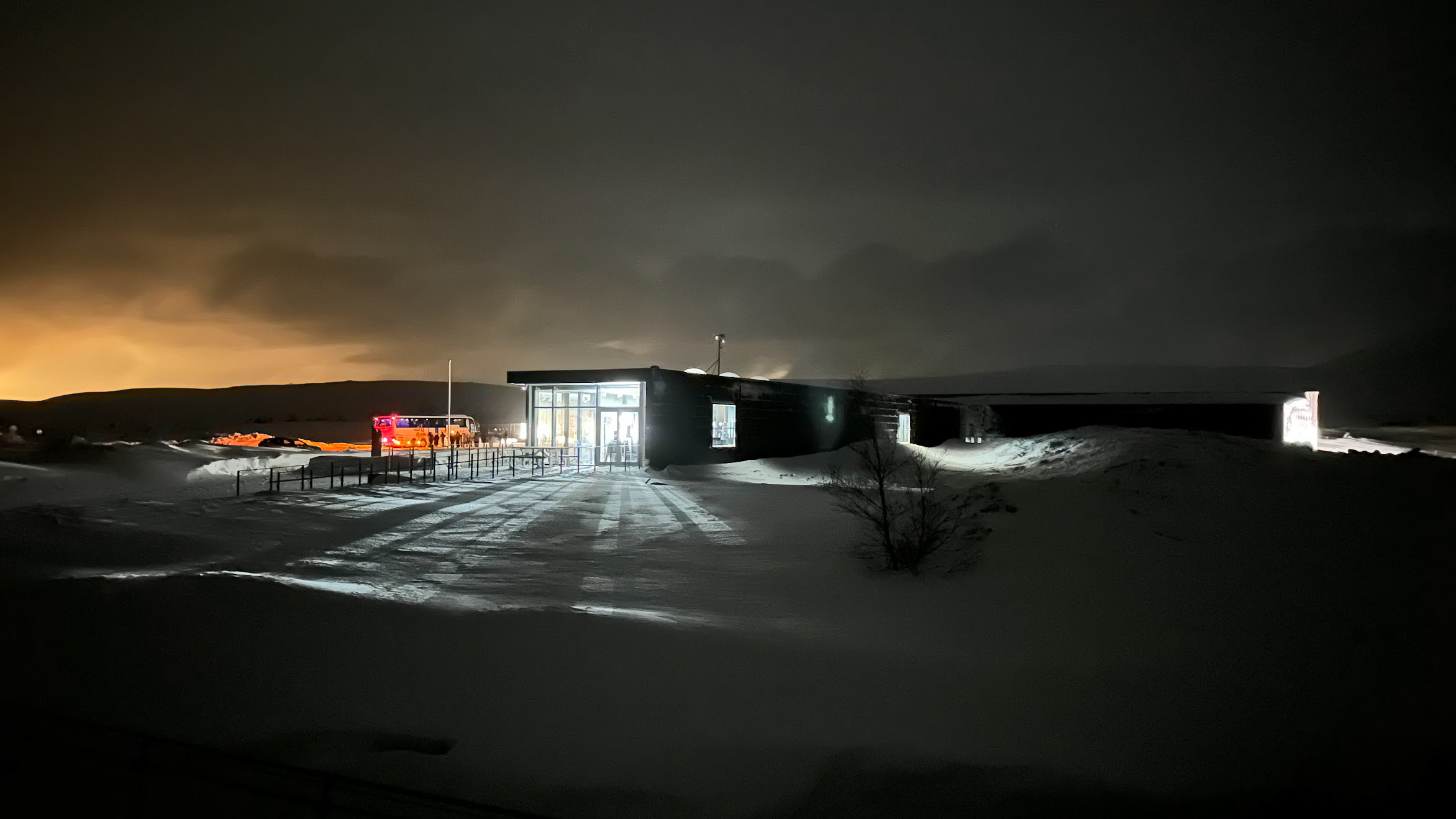
    The coach convoy (two BusTravel coaches) head due north. We were making for a car park with a good view and bathrooms too. It took about 45 minutes but sadly, when we got there, it was shut.

    There was a smaller bus (I guess they were on the small group tour) and they all got out. The group started walking up the drive so I don’t know if they were just using the bathroom or the smaller bus was just going to park in front of the gate. Our coaches had to head back out on the road, in search of a new spot.

    All the time we drove, the guide was on his phone, communicating with other people who were also on the hunt. Well, apart from when the weather went bonkers.

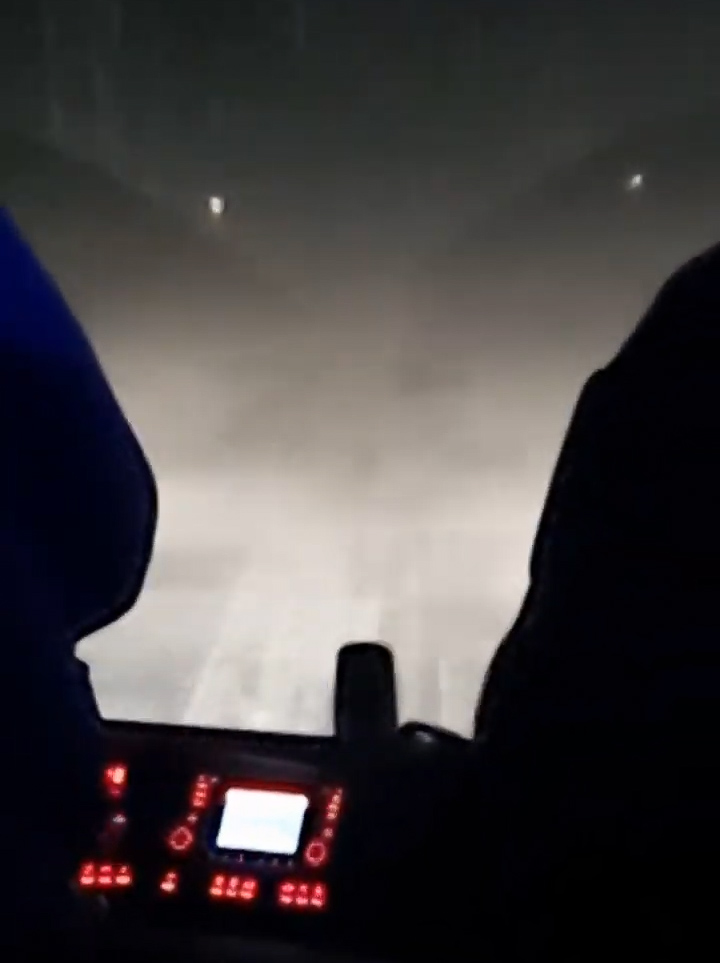
    We were driving along quite happily when the snow got heavier, and came in sideways, it was so heavy that the entire windscreen went white! We have never seen anything like it. I thought we would have to stop for the night and be dug out in the morning but we slowed down to a crawl and it eased off in a few minutes. Crazy!

    Thingvellir National Park

    It was another 45 minutes or so until we pulled up at Thingvellir National Park. Everyone was slowly pulling on their hats and gloves when the insistent voice of the guide came over the microphone. “We have Northern Lights out here so hurry up!”. We practically dived out of the door, still yanking on a scarf.

    The Northern Lights

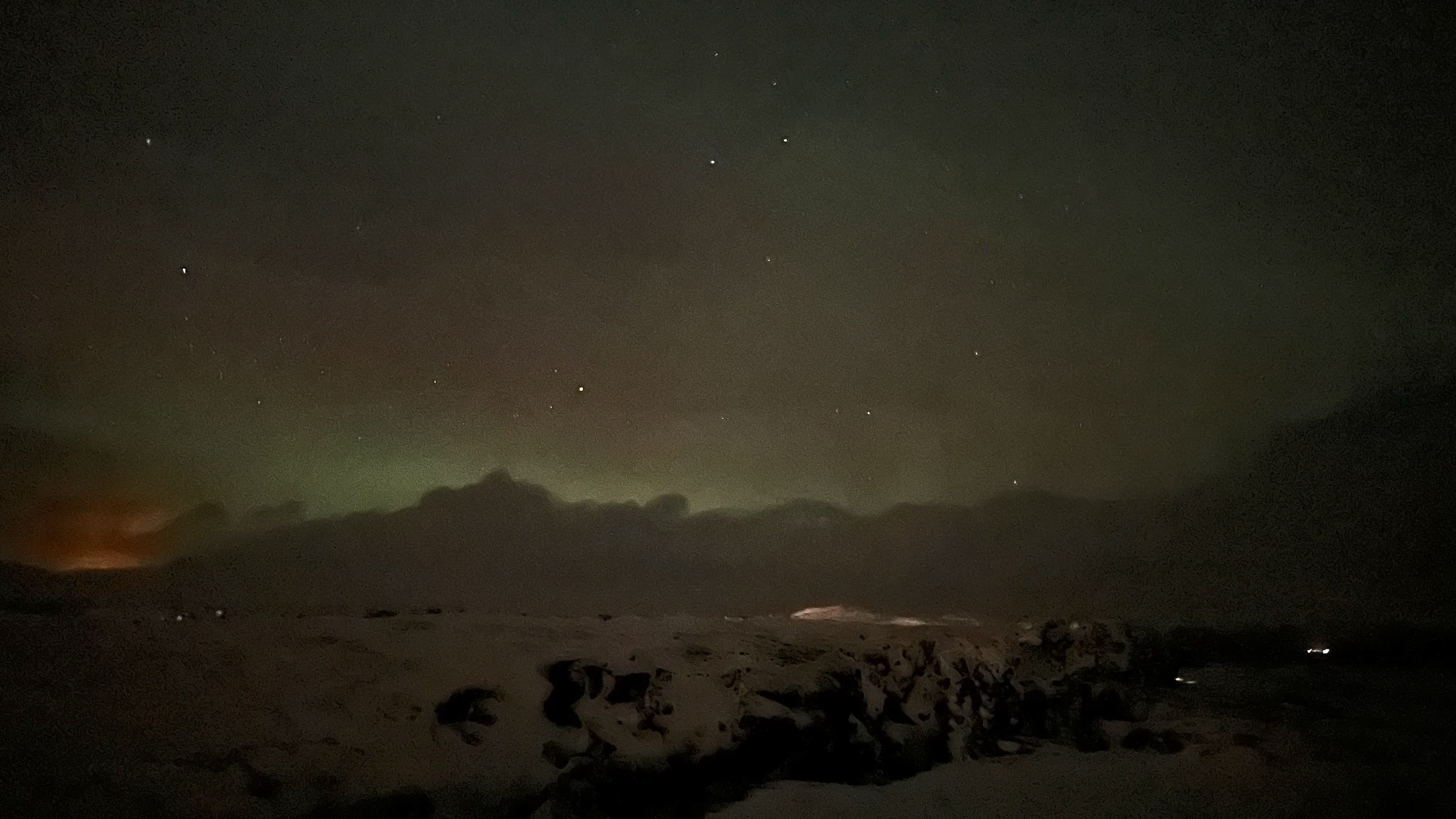
    We squinted up at the sky and once our eyes adjusted from the coach, there was a really low green glow. It seemed to be just behind the clouds.

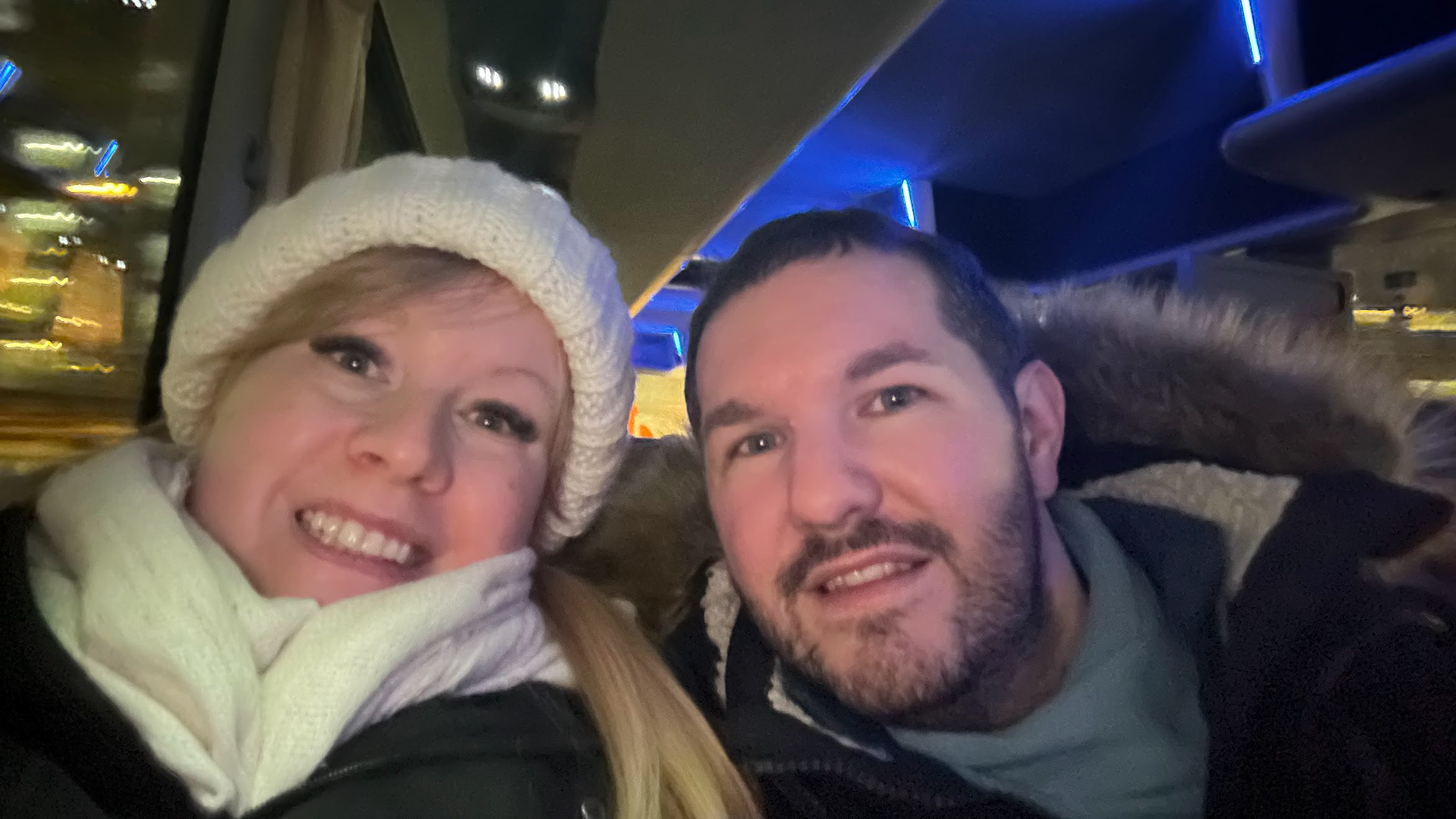
    The whole group walked up a bridge and we all started taking photos. Phones have a much better chance of seeing them than the human eye as the eye cannot change aperture, you get 24 frames per second whether you like it or not. iPhones naturally keep their sensor on for 10 seconds in low light, which gives a decent shot. Saying that, they were so faint that Mr Fluskey’s phone could barely capture anything. We both had to rely on the iPhone’s sensor to get everything it could.

    A Little Hot Chocolate

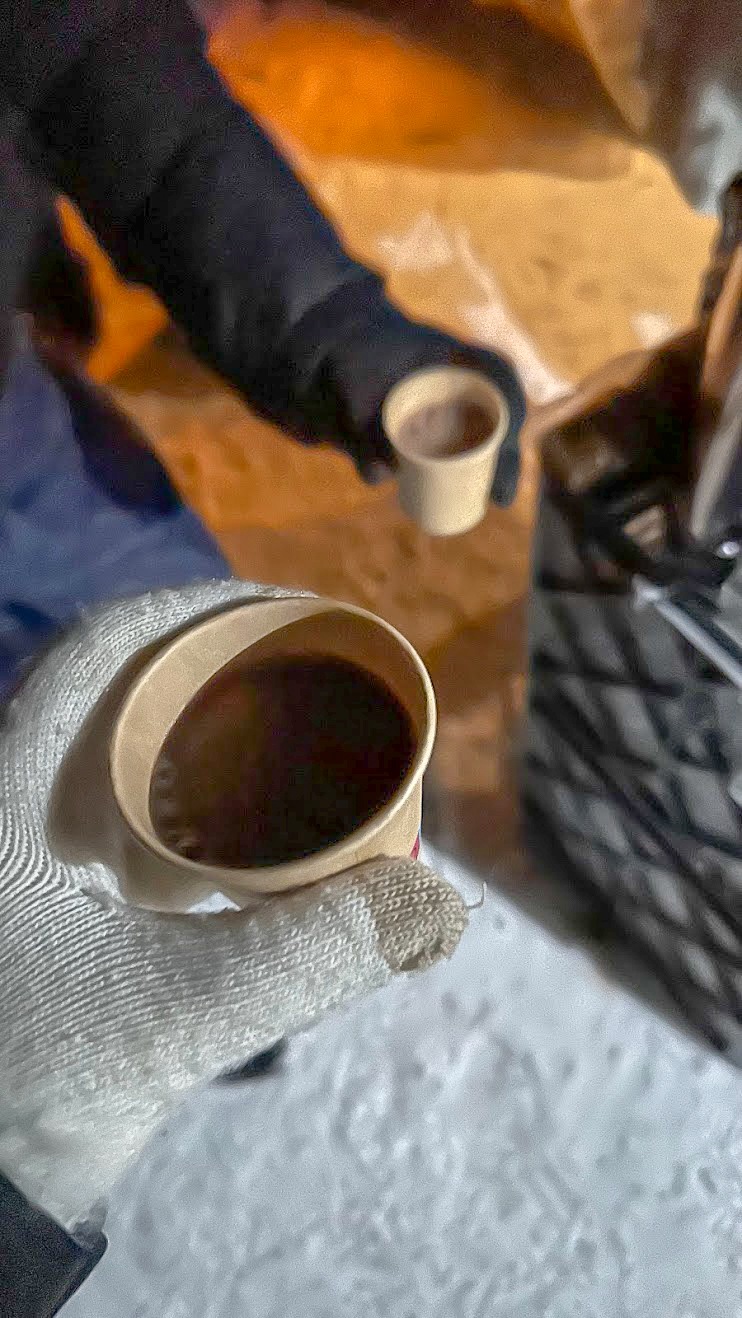
    We were some of the last people left, desperate to see the lights come back stronger and more impressive, but no such luck. It faded to nothing and we had to give up. Happily, when we got back to the coach, a canister of hot chocolate was ready and waiting. It was hot and delicious, full of spices that reminded me of mulled wine. It felt very appropriate in the snow.

    Final Thoughts on our BusTravel Iceland Northern Lights Tour

    Sadly this doesn’t end with a spectacular reveal, videos of dancing lights and photos of us grinning at the show. The forecast was terrible for the rest of our trip, with almost total cloud coverage and low activity (yes, I did check everytime I was going to bed or woke up throughout the night….the FOMO was strong enough to wake me up). However, as I had to tell myself through embarrassing tears in the Keflavik departure lounge, we will try, try and try again!

    Rosie xx

  • Floating in the Fissure – Snorkeling Silfra with Dive.Is

    Floating in the Fissure – Snorkeling Silfra with Dive.Is

    Cold, clear and calm the waters of the Silfra fissure in Iceland are unique. Taking the plunge into the chilly rift between two continents for many people is a once-in-a-lifetime opportunity. With this in mind, I had to make sure we didn’t miss the chance on our latest trip to Iceland. Join us as we embark on a chilly adventure. Here is our experience of our tour snorkeling Silfra with Dive.is.

    This post may contain sponsored content or affiliate links that help support the blog. All opinions are our own.

    Planning on snorkelling Silfra? Check out our 11 Top Tips for snorkelling Sifra here!

    From Reykjavík to Silfra

    Our pick up stop was the same for all the tours we booked in Iceland. Reykjavík has a system of tourist bus stops. You find the one nearest to your accommodation and wait for up to 30 minutes for the right bus to roll up. We had a message the day before our tour, letting us know that it had been shifted forward by an hour so we were there bright and early at 08:00. Although, as the sun doesn’t rise until 10am in early February, I guess I mean dark and early.

    When our bus turned up, we hopped in and met our guide, Henry. They cranked up the playlist and we were off on the 45 minute drive to Thingvellir National Park. Of course, Mr Fluskey fell asleep but my nerves were kicking in and the butterflies in my tummy kept me on the edge of my seat.

    Check out 4 Days in Iceland – A Long Weekend in the Land of Fire and Ice

    Kitting Up

    On arrival, we pulled into the car park, which doubled as a base camp. It was time to get into our gear for the snorkel. With the freezing water, everyone is given a drysuit. People can opt for a wetsuit but this is definitely only for experienced divers who have taken on cold water a fair few times before. There was apparently an official changing van but as people were diving, they took priority and we changed in our transfer vehicle.

    Remembering that we would be put into dry suits, we both made use of the toilets (having also been mildly dehydrating that morning). This ensured no wee was needed during the trip. I tried to forget my tendency for last-minute panic pees, informing my bladder, “Today is NOT the day”!

    We were presented with thick onesies, reminiscent of sleeping bags, which I gratefully scrambled into. The snow was coming down fast and the wind was freezing so any bedding-cum-outfit was fine with me!

    Then it was time for the dry suit. The feet were rubber and the legs were quite long so getting my toes right to the bottom of the foot portions was a bit of a struggle. I was dreading putting my head in, worrying that the rubber would rip my hair but it was actually fine.

    The gloves were hilarious. I am sure there is a reason they look like camel toes (titter) but they felt so weird. I quickly realised that my palm to use the GoPro was going to be tricky as they were really thick and pushing the buttons would be incredibly difficult.

    The last touch was a plain black choker, familiar to any cool kids from the 90s. Mine was tight but not too bad. It seems my trip mates had worse luck and they had to get theirs loosened a little to ensure they could swallow.

    Getting to the Fissure

    We waddled like sexy frogmen up the snowy path to the metal entryway. Once on the platform, we popped on our masks and snorkels before our guides shoved on our fins, like the least romantic Cinderella moment ever. Then it was time to step down and into the rift before us.

    Planning on snorkelling Silfra? Check out our Top Tips here!

    Into the Water

    As I stepped down, there wasn’t the initial shock that I was expecting, just a squeeze of the suit around my legs. However, when I flopped into a floating position, the water hit my face and hands and that was a little more unpleasant. Getting used to the dry suit took a minute. It was a very odd sensation.

    The group came together and we took a quick sip of the water which was fresh and…well, delicious isn’t the word..inoffensive.

    We were all asked to practice rolling onto our backs to float, the safety drill. This would allow us to drift safely downstream if we weren’t feeling great. We completed the manoeuvre easily but our trip companion, a lovely lady from the USA, was struggling. She wasn’t doing well with the tight neck of her dry suit and this combined with the cold water was leading her to panic. Henry tried to talk to her and calm her down but she was adamant that she wouldn’t be able to go on so he guided her quickly back to the platform before coming back to rejoin us.

    This gave us a little time to adjust to the frigid conditions. The water was so cold on the tiny bit of my face that was exposed, but once my lips were numb, I could relax and enjoy it. Henry asked us if we were both OK and I must say, the tight face hole combined with my numb lips made replying quite hard. I felt like a dribbling idiot, so decided to keep my face in the water to avoid any further dribbling.

    The Snorkeling

    The water in Silfra Fissure is crystal clear and the volcanic basalt rocks, so interesting. The snowy landscape above the water felt like another world when compared with the perfect calm below. I quite enjoyed flipping over on my back and letting the snow land on my face before disappearing back into the cool, calm of the water below.

    Silfra is divided into four main areas:

    1 – Big Crack

    This is where we entered the water. The walls are close together and it extends below and in front of you. It is hard not to gasp and inhale a lung full of cold water. Instead, everyone just makes, “Ooooo” noises through their snorkels.

    2 – Silfra Hall

    After the 30m or so of floating, the floor drops away again and the walls are a little further apart. This is known as Silfra Hall. You have a while to relax an take it all in as you drift along and I loved relaxing here.

    Planning on snorkelling Silfra? Check out our Top Tips here!

    3 – Silfra Cathedral

    Passing over the shallows, doing ur best not to touch the rocks, we emerged into Silfra Cathedral. This is the deepest part of the fissure at around 20m. Apparently, there are caves down there but I couldn’t even get my bottom in the water in the dry suit, let alone free dive down to check it out! You can see right to the end where the sand rises up. It is at this point, you need to turn left, not to end up in the lake.

    4 – Silfra Lagoon

    This is where the glacier water blends with the lake water, creating a turquoise basin. Snorkelers are offered an extra 10 minutes here to relax or play in the pretty rock pool. I had seen a video of one group trying to dive as deep as they could and I thought we might do that too but the weather was against us.

    Getting Out

    There had been talk of a big storm coming in, in fact, our tour had been shifted half an hour earlier to miss it, and we thought better of hanging around. The wind was whipping up waves on the surface so we used our legs properly to flip our way to the metal exit platform as quickly as possible.

    We puffed our way back to the car park. It wasn’t that far but the cold had really sapped our energy. I felt quite ashamed about my fitness until I saw two other groups returning who were equally out of puff.

    Disrobing

    The wind was picking up badly now and everything was stinging in the cold. My plants were frozen solid. The team had a bucket of deliciously hot water, which I made for use of but 3 to 5 seconds after removing my finger, the wind whipped the warmth away.

    Still, getting out of the gear was easier than getting into it. The guides got us out of the hoods in seconds and then we hopped up on a high wooden bench/shelf to get out of the rest of the dry suit.

    We were a little dismayed to see that the van was full of snow, but realised that where much of the gear was stored in the back, the rear doors were open for loading. Luckily, a hot chocolate and two chocolate bourbons were provided for much-needed sweet warmth. It raised a core temperature just enough to finish getting changed.

    Back to Reykjavík

    Once everyone was changed and the van was fully loaded, we prepared to drive back in the storm. Other groups were arriving as we pulled away and we wondered whether they would be able to complete the snorkel.

    The driving started quite worryingly. The van was buffeted by the wind and snow and we felt a couple of wheel slips. Then we drove past a car that was off the road, we stopped briefly, but the guys said that help was on the way so we carried on. Then, for ten glorious minutes, the sun broke through. Iceland really is a bonkers place.

    Check out our other travels in Iceland

    Final Thoughts on Snorkeling Silfra with Dive.Is

    I was so excited about taking this tour but also rather worried. Being such a lizard, I hate being cold and I get cold every time we scuba dive (in Southern Africa, Mexico and Malaysia just to name a few lovely, warm places). I honestly thought I would get in, get cold and cry through it. However, that was not the case at all! We got cold standing on the snow in the rubber-soled dry suit and then again when we were getting changed. In the water, I felt fine. Cold, but fine.

    I can’t quite believe these guys do this every day as it was physically intense (not exercise-wise, just endurance-wise) BUT I would absolutely hop in and do it again.

    Rosie xx

  • Exploring Wintery Wonders in Iceland – A BusTravel Iceland Review

    Exploring Wintery Wonders in Iceland – A BusTravel Iceland Review

    Taking a trip around Iceland is on many a bucket list, but what can you do if you don’t drive? Is the road trip off? Are you stuck in Reykjavík? Absolutely not! There are some awesome companies that whisk keen travellers around Iceland. On our winter trip to the island, we chose to travel with BusTravel Iceland. Read on for our full BusTravel Iceland review.

    This post may contain sponsored content or affiliate links that help support the blog. All opinions are our own.

    Why Did We Choose BusTravel Iceland?

    We didn’t have a long time for our last-minute trip to Iceland so we opted for the 4-Day Wonders of Iceland Winter Tour From Reykjavík. Rather than heading around the Ring Road, these tours go to and from Reykjavík as a collection of day trips. The collection of four trips, when bought as bundle, gets a cheeky discount and they include some of Iceland’s most stunning places.

    What Does the 4-Day Wonders of Iceland Winter Tour Include?

    There are four tours included in each package:

    As well as the four tours, you will get 4 nights of accommodation in Reykjavík. You can choose from a single, double, twin or triple. All rooms come with an en-suite bathroom, WiFi and helpful bits like a kettle & hairdryer. Oh, and breakfast!

    Our 4-Day Wonders of Iceland Winter Tour From Reykjavík

    Below is a short round up of each tour we took with BusTravel Iceland. We will be writing full reviews of each of these tours, so keep an eye on the blog for more!

    Day One – Northern Lights from Reykjavík

    The BusTravel 4-Day Wonders of Iceland Winter Tour includes a trip to hunt the Northern LightsOur first night in Reykjavík had the least cloud cover and the highest activity. Mind you, they did sy that sometimes the KPI number doesn’t matter. Still, we thought it best to go on the first night so that if we didn’t manage to see anything, we could try again. The free second attempt is included in the tour package. Plus, they have a guarantee,

    We were picked up from our nearest tourist tour bus stop (number 4) by a large coach. I was far too excited. We seemed to drive for a long time due north, aiming for a certain car park. There are certain spots where the coaches are allowed to stop, and this promised the least cloud interruption.

    Sadly though, the place was shut when we pulled up. The BusTravel Iceland small group tour was at the same spot and they could walk up to the car park but there was nowhere for the big coaches to pull in so off we went, in search of a new spot.

    We hopped out at Thingvellir National Park. This is always a good shout as light pollution is minimal. We could see a tiny glow in the sky and looking through the iPhone’s camera, we could see the green glow behind the clouds. I wonder what it would have looked like if the sky was clear. The little of the lights we did see was still pretty thrilling!

    After about 20 minutes, a canister of hot chocolate was brought out and everyone gratefully partook in the winter chill before it was time to drive back to Reykjavík.

    Check out all our travels around Iceland

    Day Two – Glacier Lagoon and South Island Tour

    At 14 hours, the Glacier Lagoon and South Island Tour is the longest of the day trips the BusTravel Iceland offers. There is a very long drive at the beginning of the day to reach the southwest of Iceland and its huge Svinafellsjökul glacier. I am not going to lie, it felt a bit mad to be doing this as a day trip, especially as we stopped for lunch before we even got there.

    However, as soon as we reached Diamond Beach, I ate my words. I would have done twice the drive to get there. What a beautiful and unique place. The glacier is undercut by seawater. As the chunks of ice break off, they float down the river and into the sea, where the waves promptly return them to the beach. The glaciers are battered and split by the waves before washing up and decorating the black sand. We had about half an hour here before hopping back on the bus and driving over to the glacial lagoon which was equally stunning.

    On the way back to Reykjavík we made one more stop to see the glacier tongue which was so different from the lagoon. The rough edges, coated in snow were a world away from the smooth water-licked edges. Just when I think I have seen the prettiest that Iceland has to offer, it comes up with new delights.

    Day Three – Grand Golden Circle Tour

    The Golden Circle is the classic tour that everybody takes from Reykjavík. It has some of Iceland’s biggest natural attractions, all within a day’s round-trip drive from the city. We took this in 2012 in October but it was so cool to see it again blanketed in snow.

    • Kerið Crater – A deep volcanic crater with a lake at the bottom. We were given 20 minutes or so here and some people ventured right down to the lake and onto the ice. I was a bit worried that we weren’t fit enough to get down there and back up again in the allotted time (walking on snow is hard ok). Instead, we enjoyed taking photos and watching them from above.
    • Icelandic Horses – The bus stopped at the roadside, a place where people could buy “Horse Candy” and feed the waiting equines. Icelandic horses are so special, short, powerful and completely unique to the island. We got to ride some on our first trip to Iceland and fell in love. They had plenty of people feeding them already when we got off the bus, so we left them to it and watched from afar.
    • Gullfoss – Gullfoss means Golden Falls but in the deep winter, it feels like Silver Falls would be more appropriate. The path down was completely shut as it was so snowy and icy! We could only see it from above which was cool but nowhere near as cool as getting up close like we did in 2012.
    • Geysir Geothermal Park – This is the home of Strokker. Since the main Geysir (the one after which everything is named) stopped erupting, this is Iceland’s coolest Geysir. Boiling water shoots up into the air every seven minutes or so to the general delight of waiting tourists. We stayed to watch it twice but the freeing snow blew in and we dashed from the warmth of the visitors centre, and the call of lunch.
    • Thingvellir National Park – The final stop is one we are quite familiar with now. The National Park is prime Northern Lights spotting territory as well as being the place where you can see both the Eurasian and American tectonic plates. We snorkelled in the fissure here a couple of days before! Iceland’s first government was established here, oft cited as the first such arrangement in the world. Meeting in the outdoors meant lots of people could attend….but we didn’t last more than 30 minutes in the chill so maybe they had really short meetings?

    It was really fun to see the Golden Circle again in a new light and now we just have to see it in summer!

    Day Four – Snaefellsnes Peninsula Tour

    “You gotta save the best for last”, and I think we did. The Snaefellsness Peninsula was the most unexpected and delightful day that we spent with BusTravel Iceland, surpassing even the Glacier Lagoon. We had some insane weather all day and I think the wind, snow and really added to the drama of some of these locations. We didn’t know anything about this tour before embarking upon it, and that probably added to the fun. Every time we stopped, there was a new and exciting thing to discover.

    We started at Mt. Kirkjufell, the most stupidly photogenic mountain. Forget Mt Fuji, this striped, point beauty is perfection. In summer, the waterfall in front flows freely but in January, there was just one little hole under which a trickle of water still pushed through.

    The drama of the Djuparlonssandur black beach was incredible. Through giant lava rocks, we emerged into a world of monochrome. The white snow, black beach, grey ship wreck and greyer waves pounding the lot were intense. We could have stayed for ages but the weather had other plans, throwing tiny shards of ice directly at us from the sea.

    The final highlight of the day was the Búðir Black Church. This is Iceland’s most famous black church and where the sun finally set in a last burst of flame behind the clouds.

    5 Tips for Travelling with BusTravel Iceland

    1.) Catch Some ZZZs

    These tours make for long days so when taking roads you have been down before, put your head down and take a nap. This is especially good in those early mornings when the sun is not up yet or the evenings once it is well and truly gone.

    2.) Get the Gear

    If you are travelling to Iceland in the winter make sure you have:

    • -Boots that can handle snow. They need to be waterproof, warm and have good grip. Miss one of those elements and you will have an uncomfortable day.
    • Gloves, hat and scarf that can handle wind. Cute berets are nice but Iceland is one windy island you will lose it quickly. Plus, a flat cap isn’t keeping anyone’s ears warm!
    • A nice, warm coat, preferably waterproof. Again, it could rain, sleet or snow at any point during the day. Icelandic weather is quite unpredictable and you want to stay warm and dry. Bring a thin rain coat to pop over your warm on if you don’t have a good coat that does both.
    • Hand warmers of some description. The buses can feel a little cool sometimes as the wind whips away the warmth. We found having an external heat source helped us stay toasty on board as well as outside.
    3.) Prepare to Transfer

    You may be picked up in a smaller bus and then moved into a bigger one. If you have a seating preference, try to sit at the front of the minibus so you can jump out and claim your favoured side of the coach. Similarly, make sure all your bits and bobs are still with you (around your neck, in a bag on your lap etc etc)

    4.) Lunch Stops

    The picnic stops can be in smaller cafes/petrol stations that do not allow people to just eat their own food at the tables. If you buy one small dish or a drink then you can claim your right to be there. You can stay on the bus to eat but you’ll probably fancy the change of scene.

    5.) Bathroom Stops

    There is a toilet on board but you will be discouraged from using it. They call it the emergency toilets. Make use of every toilet stop so you lessen the chance of having to use the coach’s bathroom.

    When you do stop for the bathroom, head straight to the toilet. You might be tempted to wait for the queue to die down. But there is probably another coach coming along right behind yours and it will just fill up again.

    Final Thoughts on Our BusTravel Iceland Review

    Taking a road trip around Iceland’s ring road was our original plan but with inclement weather, and the fact that I cannot drive, it seemed so unfair on Mr Fluskey. By taking a series of day trips, he could nap when required and we could both relax and just enjoy the scenery, without skidding into a snow drift or sliding into a cheeky ditch.

    The BusTravel Iceland tours were professional and fun.

    Rosie xx

  • 11 Top Tips for Snorkelling Silfra Fissure

    11 Top Tips for Snorkelling Silfra Fissure

    Iceland is full of unique natural wonders. This young country is still evolving at a rate of knots (geologically speaking) and this leads to goodies like Silfra. If you are considering a dip in the world’s coolest pool then check out our 11 top tips for snorkeling Silfra.

    This post may contain sponsored content or affiliate links that help support the blog. All opinions are our own.

    Travelling to Iceland? Check out our full list of Iceland posts here.

    What is Silfra Fissure?

    Iceland is a pretty young country, geologically speaking. The island is only 10 million years old and as such has some unusual features. None more so than the Silfra fissure, where two tectonic plates are slowly ripping apart. The gap here increases by about 2cm a year, which is positively speedy when you’re talking about rocks. Not only that but you can actually dive or snorkel in the glacier water that filter through to fill the void. This water is insanely clear with visibility up to 33ft/100m which is hard to find anywhere else…but there are no fishies.

    Photo courtesy of Dive.is

    Where is Silfra?

    You will find Silfra within the Thingvellir National Park but you can’t just stroll over and hop in. Instead you’ll need to book a tour, with or without pick up in Reykjavík. The National Park is around a 45 minute drive from the capital.

    11 Top Tips for Snorkeling Silfra

    1 – Prepare to Get Wet

    You will be wearing a dry suit to snorkel Silfra but there are a few bits of you that are still going to be poking out.

    • Head – There is a neoprene hood that you’ll wear which should keep your head warm but not dry. Your face will be exposed entirely, as well as any hair poking out. It is probably a good idea to bring a towel for your hair. I had my hair in plaits (pigtails) for the adventure as I wanted it to be flat under the hood. It was odd to see them freeze in the chill after our trip )it was January).
    • Hands – Your hands will be in some hilarious gloves that are made of thick neoprene. Water filters through but if you keep your hand still, they will stay warmer as you’ll be minimising the movement of water through the gloves.

    2 – What to Wear for Snorkeling Silfra

    On the day you will be provided a thick, padded onesie to wear under the dry suit but what you wear under that is important too. To ensure warmth and comfort, opt for soft, thick base layers. Think fleece-lined leggings and technical fabrics. You don’t want to wear anything that is too tight or uncomfortable as the dry suit can already feel quite constricting for first-timers.. Skip thick trousers like jeans and opt for a wire-free bra which doesn’t pinch.

    In terms of socks, wearing too many thick pairs will make getting into and out of the dry suit hard so opt for a couple of good technical or woollen pairs and ensure they aren’t bunched up around your ankles.

    It is also considering how easy is it to change. You may be changing in the transfer van so bring things you can zip in and out of quickly rather than tight, pull on/over clothes.

    Finally, if you have any heated clothes then bring them. It can be tricky for some people (me) to warm up and having that external heat can really help to get toasty again. A heated jacket, or even just hand warmers can make a world of difference as you drive back to Reykjavík.

    3 – Things to Bring for Snorkeling Silfra

    • Contact Lenses – If you wear glasses, bring your contacts, you cannot wear your glasses with the snorkel mask. You could also bring a prescription mask…but that seems like more a niche item to own.
    • A Travel Towel – As mentioned, parts of you will get wet, and other bits might accidentally get wet. Having something to help dry off, especially if it’s cold, is a must.
    • A Change of Clothes – Bring some extra bits just in case you get any leakage from your dry suit.

    4 – Use the Bathrooms!

    This might sound obvious but trust me, ol habits die hard. If you have been snorkeling or before, you may have been on boats with no bathroom. “Where should I pee?”, you ask. You are pointed to the water with a laugh. You may also have been instructed to pee in a wetsuit to warm up but whatever you do, DO NOT PEE IN THE DRY SUIT! Make sure you go to the bathroom before you get into the gear. We chose to dehydrate a little before the trip just to be on the safe side. You will in the dry suit for around an hour in total so judge your bladders abilities as to whether you have that coffee en route. You can always have a quick glug of the clean, fresh glacier H2O as you snorkel if you are feeling parched.

    That being said, make sure you eat a great breakfast! The cold can be exhausting and the calories will keep you energised and warm in the water.

    5 – Stay Calm

    You will be wearing some unfamiliar gear. The dry suits and hoods are tight and can feel restrictive around the seals. This is especially true tf the neck which should be mildly uncomfortable, especially when you swallow, but if it is too tight, let them know. Take some time to make adjustments and get used to this before you add the fins and snorkel to ensure you are not too uncomfortable.

    Entering cold water can be a shock, when added to the pressure of the water, it can be a little much for some people. Take it slowly and keep breathing! The first thing you will do is a quick safety drill. Flipping onto your back, you can float quite happily as the dry suits are extremely buoyant. If you do feel yourself start to panic at any point, try flipping over and floating like a happy sea otter. If you aren’t able to, or still feel worried, alert your guide. The guides are excellent and will help you calm down. There is nowhere to get out once you’ve left the entry way area so if you are unhappy, decide quickly!

    6 – Don’t Expect a Selfie Shoot

    Snapping underwater photos easily is a real delight o holiday but it a whole lot trickier here. The gloves you are wearing are incredibly unwieldy and turning cameras on and off is near impossible. Then there is the battery life to consider. You could leave your device on and recording like we did, but remeber that battery performance goes down dramatically in cold so it may not last the course.

    Photo courtesy of Dive.is

    Finally, if you are taking a camera into the water, ensure you have a sturdy method of strapping it to yourself as they really don’t want to have to dive and find your device.

    Luckily, most tour operators will provide photos of your experience (like the ones we have from Dive.is) and these will either be included in the package or available for a small extra fee. Let them do the work and you can just focus on the experience.

    7 – You Can Snorkel Silfra All Year Round

    Snorkeling in January might sound like pure madness, and yes, Mr Fluskey thought this too. Of course there are changes in the weather outside but as the water comes from a glacier, it is the same temperature all year. Whether it is June or Jan, you’ll find it at a constant 2-3°C. This mean they can runthe tour all year and once you are submerged, it is going to feel the same. The time in water is normally half an hour or so, but if you are feeling good, you can stay in the Silfra lagoon at the end for a bit longer.

    8 – The Temp is Tough but the Snorkel is Easy

    There is a gentle current that flows downstream from where you enter the water. This means you don’t need to work hard to get from one end to the other. You can do a little kicking to steeri as you pass over the shallow areas, following your guide, but for the most part, you can just float. The less you move, the warmer you will be as you lessen the water movement on your head and hands. I enjoyed doing gentle mermaid kicks but that is because I am a big child. This means you don’t have to be super fit to take part in this activity.

    9 – Remember to Turn Left

    Before you snorkel, your guide will let you know about the left turn. If you miss it, the current will drift you out into Iceland’s biggest lake. Of course, this isn’t the end of the world but you’ll have to work to get back to the right spot so just pay attention after the second deep area and be prepared for that left turn.

    Photo courtesy of Dive.is

    10 – Book your Trip in Advance

    The number of visitors to Silfra every day is capped. They don’t want coach loads of people piling in daily. That is why these tours sell out, sometimes way in advance. Therefore, once you have decided that this trip is for you, don’t dilly dally! We chose to snorkel with Dive.is, the OG dive company in Iceland and they were professional whilst also being laid back and fun.

    Photo courtesy of Dive.is

    11 – A Few Safety Notes

    There are a few things to know before you book in terms of safety.

    • You definitely have to be able to swim to take the tour. This is a non-negotiable. Non-swimmers are more likely to panic or touch the rocks along the way, both of which are bad news.
    • There are weight and height limits for snorkeling Silfra, due to the sizes of the dry suits. You must be within 150cm/4’11” – 200cm/6’6” (I just got in at 152cm). Your weight must be within 45kg/99lbs – 120kg/264lbs.
    • You cannot take part if you are with child, or are yourself a child. That means that you cannot be pregnant or under 12 years old.
    • You will be required to sign a medical form and a liability release form.

    Final Thoughts on These Tips for Snorkeling Silfra

    I am such a wimp when it comes to the cold but this experience was truly worth the chilly morning and chillier water. Snorkeling Silfra is like floating through the air (in a weird plastic suit). It is a once in a lifetime trip and should be on everyone’s bucket list!

    Rosie xx

  • A Sensational Sunrise Tour of Victoria Falls – Wild Horizons Review

    A Sensational Sunrise Tour of Victoria Falls – Wild Horizons Review

    Victoria Falls, Mosi Oa Tunya, is a huge waterfall that crashes on the border of Zambia and Zimbabwe. This was our second trip to visit the magnificent Victoria Falls but I was no less excited. My geography geek will never be calm when it comes to waterfalls! Join us for a sunrise tour of Victoria Falls and our Wild Horizons review.

    This post may contain sponsored content or affiliate links that help support the blog. All opinions are our own.

    Mosi Oa Tunya

    Victoria Falls is the name given to this natural wonder by David Livingstone. Being the good Brit he was, he decided to name it for his Queen back home (Queen Victoria I). However, before he arrived it had another name, The Smoke that thunders, Mosi Oa Tunya. The local tribe used descriptions like this as names for lots of things in nature and I think it is beautiful. You can see the spray rising above the gorge from far away, especially in the high water months but it is only as you approach that you can hear the roar of the falls. It truly does thunder.

    A Good Morning

    We were up bright and early to get to the falls. I think we were running about 15 minutes behind as it was just a little too bright and early for speedy make-up application, we hopped in the Wild Horizons car and began the 15-minute drive into town. There were loads of people jogging along the roadside, taking advantage of the cooler morning air. Getting up to avoid the 38°C afternoon run is 100% worth it!

    We parked up in the car park opposite the entrance to the Victoria Falls National Park. There were lots of shops and one or two of the proprietors were already in full salesman mode despite the early hour.

    Victoria Falls National Park

    David Livingstone

    Our first stop was the large bronze statue of David Livingstone. This Victorian British explorer first came to the falls in 1851 during his 33 year exploration of Africa. Of course the presence of a 34m tall reminder of colonialism has its controversial side. Some Zimbabwean war veterans did try to have it removed in 2001. It stood as a distressing reminder of colonialism but the local community resisted and so it remains, looking over the Devil’s Cataract.

    The Devil’s Cataract

    Walking towards the first viewing point is so exciting. At 70m high, this is actually the shortest of the falls but it is one of the most impressive. The view is side on and the water thunders past. It is the closest you can get to water on the Zimbabwean side. The island here is called Boaruka Island which means “Water Divider” but it was named “Devil’s Cataract” by European missionaries. They were rather alarmed at people using this spot to throw offerings, one describing the drop as “Hell itself”.

    The next viewing point is down several steps. They are uneven and deep so be careful if it is wet. We made our way down and just stood gazing at the cascading water, plummeting from above and pummelling the side of Boaruka Island (Cataract Island). This is an amazing photo spot but honestly, we were so overexcited that we totally forgot.

    Here’s one we snapped on our first visit
    The Main Falls

    Following the curving path, you can hear but not see the falls until you round the corner and there, in front of you is a wall of water. The sound bursts forth and it really does take your breath away…even in the dry season. Victoria Falls is twice the height of Niagara Falls and, when full, it is the largest waterfall in the world. It is up to 109m high and 1,708m wide 500 MILLION litres of Zambezi river water surges over the edge every minute. The curtain of white water is so beautiful and it roars! It must be overwhelming in the wet season. The mist of the crashing water already rose in misty drizzle up to the places we were standing. It must be a deluge.

    Now comes a series of viewpoints. You feel like a rabbit popping out of its warren entrances. Each spot gives a new view and then it is gone again. The paths winds through the rainforest, kept lush by the permanent mist from the falls. Keep an eye out for wildlife as many animals live in the National Park. We saw a pretty little robin (not big game) and a deer but our guide did point out some pretty fresh leopard scat so you never know!

    The Devil’s Pool

    From stop number 5 or 6 you can just see the Devil’s Pool next to Livingstone Island on the Zambian side of the gorge. This natural infinity pool comes right up to the edge of the drop. In dry season you can take a tour and swim here. The guides will take pictures of you right there at the edge, with the rainbow behind which is just beautiful.

    Read all about our experience swimming in the Devil’s Pool HERE

    The Zambian Falls

    My biggest regret for our second visit is that it was nearly at the same time of year as our first. It was nice to walk around the National Park without getting thoroughly drenched (especially with a flight to catch just a couple of hours afterwards) but it was low water. On our last trip, it was also low water so we have yet to see Victoria Falls at full force, or the Zambian Falls flowing.

    Down here, you can see the huge island that has been carved out between two branches of the Zambezi. It is dramatic how steep the sides are I would love to see what had become of it in a few hundred thousand years. The whole gorge is incredibly steep. The dramatic turns of the waterfall over time have really left a twisted scar across the landscape.

    The Bridge

    The final stop is a lovely vantage of the Victoria Falls Bridge that spans the second gorge. The steel structure was constructed in 1905 and is made of British steel. The bridge is a128m high with the river flowing beneath. Its height means it is now home to a bungee jumping spot and a bridge swing. Above that you’ll find the border crossing to Zambia. People can be seen crossing by foot, by car and by truck. Occasionally, a train clatters across too. The Rovos Rail train takes the bridge on some of its routes and the Royal Livingstone Express dinner train stops here for photos.

    Final Thoughts on Our Sunrise Tour of Victoria Falls

    I am a geography geek. I will continue to be blown away by incredible waterfalls no matter how many times we visit them. For our sunrise tour of Victoria Falls it was so nice to have a guide who could bring the National Park to life and let us gaze like slackjawed idiots at the water too. This was our second trip to Victoria Falls and I would go again tomorrow given the chance. We haven’t seen a moonbow next (the rainbow that the ist creates int he full moon’s light..a good excuse to return.

    Rosie xx

  • Refinement on the Rails – Rovos Rail from Pretoria to Victoria Falls Full Review

    Refinement on the Rails – Rovos Rail from Pretoria to Victoria Falls Full Review

    In 2023, we had the chance to take a trip from the very top of our travel bucket list, a four-night trip with Rovos Rail from Pretoria to Victoria Falls. Four days went by in a flash and it was pure vintage joy all the way. Rovos Rail specialises in interesting itineraries all infused with the essence of golden age glamour. Join us for a full review of our time travelling with Rovos Rail from Pretoria to Victoria Falls.

    This post may contain sponsored content or affiliate links that help support the blog. All opinions are our own.

    To learn lots about Rovos Rail, check out our blog post; 16 Rovos Rail Tips which is stuffed full of important info.

    Arrival at Capital Park Station

    The Station

    We booked a taxi from our hotel in Johannesburg to Capital Park, the Rovos Rail station-cum-museum in Pretoria. It is not very near the main train station in the city so transport is a must. As we stepped out of the taxi, it was clear another world awaited. A red carpet led to a doorway under a colonial canopy. Neatly uniformed porters stood guard over a trolley already groaning with luggage, and the host smiled in greeting as we flapped in excitement. I was positively cooing. We gave our names, confirmed a few details, and attached our fancy new luggage labels to our bags before taking the red carpet inside. A lovely lady offered us water, juice or bubbles. No surprises, we took advantage of the wine. In the open lounge, across the sea of comfortable chairs and sofas, we spotted the table full of hot drinks, more juice and an ice bucket of sparkling wine available for top-ups. There was also a little afternoon tea so of course I grabbed a finger sandwich.

    Playing On the Locomotive

    We took our glasses outside to the platform, where we discovered a hissing, ticking, magnificent steam engine. This gorgeously restored locomotive is one of the beauties owned by Rovos Rail. Sadly, they are not able to pull the trains anymore due to a combination of regulations and logistics. Still, we had a grand old time taking photos, getting a glimpse into the furnace, and playing on the tracks in a way you can’t normally do. The rest of the guests were much better behaved, but I think they were missing out!

    A Look Around the Rovos Rail Museum

    On our way in, the staff mentioned a museum we almost totally forgot about. When they announced that our tour of the sheds was in 20 minutes, we suddenly remembered. I dashed through the corridor of twisted trees to find the museum and have a quick look around. It was a delightfully eclectic collection of rail, memorabilia, transportation paraphernalia, and other vintage machinery and art. I wish I’d had more time, but I had to whizz around. As I made it back, slightly out of breath, it was time to don our high viz vests and take the tour.

    A Tour of Capital Park

    Tours of Capital Park are conducted by Rohan Vos, the creator of Rovos Rail himself. His talk was both slick and still clearly bubbling with enthusiasm. You won’t find anyone older than seven who is more thrilled to talk about bogies.

    The group got to see how the carriages were salvaged, purchased and restored. It is an impressive transformation. New windows are cut, holes patched up in the sides and the interiors are totally redone. We also got a glimpse into the hardware under the train. The problems of the wheels, the fuel and the government bureaucracy, all told by the guy who does it for the love. The other nice thing we learned is that the skilled workers here are hired locally as part of a social initiative and trained up (no pun intended) on-site. It is so great to know the success of Rovos benefits the community it is based in.

    Welcome On Board Rovos Rail Pride of Africa

    Boarding the Rovos Rail

    After the tour, everyone took a seat in the lounge for a little admin. We had a quick talk about the train, including some safety information and a quick guide to how dinner worked. Then they began a register. As each name was called, the guests were whisked away. We were nearly last, and I started to get nervous that we’d been forgotten. Luckily, our names were finally announced (and with Fluskey pronounced properly) and we trotted excitedly along the platform. It was getting dark so we didn’t really get any good photos but hey ho, there was plenty of time for photos. We found our room and dived in, ready to have a proper nosy around.

    Our Room – The De Luxe Suite

    The Room

    The deluxe suites are 11 m², which I thought would feel smaller than it did. We weren’t in each other’s way much at all whilst in the room which isn’t always the case when we are travelling and it’s definitely the largest room we’ve ever had on a train.

    The decor was deliciously vintage with West African mahogany panelling, lily lamps and three super tactile light switches that made me smile every time I flicked them. That all sounds a little dark, but the modern lighting that was less obviously visible, plus the lovely large windows ensured it was light enough.

    …and speaking of the windows. The unusual and brilliant thing about all the rooms on Rovos Rail is that the windows open fully. This allows you to spot wildlife, enjoy the breeze and hang your head out like a happy dog from a car. In a rather thoughtful touch, everyone is provided with safety glasses so they can look out the window without fear of getting grit, smuts or insects in their eyes.

    In the centre of the room was a table and two chairs. The minibar was tucked beneath the table in a nice cupboard. This was a magic minibar but more on that later. Below that was a drawer full of tea and coffee, a kettle to make them and a teapot (how British). There was a wardrobe with plenty of shelving and a little hanging space. It couldn’t be deeper or it would eat up too much floor space. We hung our formal wear in here but used the shelves for the rest of our clothes. This was fine for our four-night trip but wouldn’t work on the longer itineraries.

    In terms of luggage storage, we fit our three hand luggage size cases under the bed easily, but for longer journeys or bigger bags, there is a large luggage shelf by the ceiling along the whole length of the room. We aren’t the tallest people or the heaviest packers so we didn’t bother with this higher storage.

    Our Bed

    Our bed was made up as a double. I think you can see from the wooden frame at the base of the bed that it could be two singles. Our set-up meant we had a giant bed where we were nowhere near each other overnight, which was ideal. Dealing with a swaying train is quite enough without adding a tossing and turning partner into the mix. I thought the bed was very comfortable. It was the right level of firmness for my taste, although I found the pillows a little soft. There are a million of these, however, so we could build the correct level of pillow every night. Turns out, the spare blanket tucked under one of these was perfection. The bed was beautifully turned down during dinner and our hostess even included Mr Fluskey’s travel pillow in her displays which was so sweet.

    Amenities

    Back to that magic mini bar. We popped beverage requests on a little form and our incredible, incredible room hostess would fill the fridge with these desired drinks. We had bubbly, Savannah Light (a low-alcohol South African cider) and Cokes for the duration of our trip. It was pretty epic. We also had water bottles provided and could have still, sparkling or both. The water in the taps is fine for washing and brushing your teeth, but it is tank water, so not for drinking. These bottles, I was happy to find out are plant-based and biodegradable. Sustainability is definitely something Rovos takes seriously.

    The amenity kit provided was quite extensive and again, has a focus on reusable, non-plastic products. As well as shampoo and conditioner, we also got lotion, insect repellent and even reusable face wipes. Plus if we needed earplugs, we could just ask the train manager, but we had brought our own from home.

    The Bathroom – A Full En Suite

    Every room on Rovos Rail has a full ensuite with a proper toilet, complete with wooden seat. It felt so luxurious on a train but I had spotted a pile of these seats on the warehouse tour so I was expecting no less! Not only that, but we had fluffy towels, fluffy robes and a proper shower. The large shower head was great but the other had a bit of a splutter so I stuck to the large one. I was amazed that the shower had enough room to shave my legs without having to train as a contortionist. There was even a cute little cabinet above the sink which contained room bug spray (important after indulging in our open windows).

    Exploring the Rovos Rail

    The Lovely Lounge Car

    The lounge car was in the centre of the train. It was full of sofas and armchairs, a comfortable place to read a book, have a chat with new train buddies or play one of the provided board games. The games were mostly quite traditional: Backgammon, Chess, Scrabble. I guess that my favourite kind of game that involves shouting answers too loudly (Taboo, Articulate, Heads Up) would shatter the refined ambience. In fact, Heads Up would be a definite no-no, as passengers are encouraged to leave laptops, tablets, phones etc in their suites apart from for photography purposes. The whole idea is to capture the decorum of days gone by and to coax passengers to get to know one another. I am absolutely certain that a carriage full of people scrolling through their social media would be a very different vibe.

    It was possible to order a drink and pick up a snack here too. There were nuts, sweet, dried fruit and even some biltong. At the back of the train was the bar car, the other spot for a nibble.

    My Favourite Spot – The Observation Car

    The bar car was quite plain, the drinks slightly hidden away but it did have some comfy seating options. Most were angled into the centre of the train making this a great place to sit and meet new people. Through the bar car was the observation deck. This had space for around 8 people comfortably, and lots more when the view was good. The whole thing was open air and sitting out here with a drink was so lovely. It is not often you can be outside on a train. The speed limitation of Rovos Rail lessened the wind and the nearby bar made this an extremely nice place to relax.

    Dining on the Rovos Rail

    Serving three nice meals a day on a train is no mean feat. When you are stuck in a rolling tube, the company could probably feed you whatever they want in terms of quality. However, Rovos Rail takes its dinners seriously. It is remarkable the fine dining that is produced in the small galley kitchen.

    All meals are served in the two dining cars. One is refurbished as a Victorian car and one is a touch more modern, styled as a 1940s car. They are both beautifully lined with wooden walls and carpeted in the signature deep green diamonds. The older style carriage had wooden beams and smaller windows, whereas the other was much brighter with bigger windows, less covered by their curtains. We liked to have dinner in the older style room (it is all vintage charm) but breakfast in the sunlight of the newer one.

    Breakfast

    Breakfast was served between 07:00 – 10:00 so of course we arrived at 09:30, cutting it a little fine. In the centre of the dining cars was a selection of yoghurts, cereal, fruit and granola bowls to grab and take to the table. Then, from the menu, we could choose from continental meats and cheeses, and hot options including omelettes and eggs prepared in a variety of ways. I had seen pictures of the tables stuffed with cheeses, meats and pastries but they are now served individually I am guessing this is either a hangover from the covid pandemic or to save waste. The baked goods came out in cute little baskets. The toast was great and Mr Fluskey couldn’t get enough of it. In each basket there was also a flaky pastry, I couldn’t resist those croissants, and a muffin which one of our fellow guests was nuts for. I was thrilled with the amount of smoked salmon that came with my eggs and the GIANT omelette. There were so many options of sides including salmon, sausages, bacon, mushrooms and tomato. Omelette fillings included ham, cheese, mushroom, tomato and onions. The one below had ham, cheese and tomato and look how stuffed it is! For someone who doesn’t eat breakfast often, I got stuck in! Oh, and the coffee was Kenyan and mellow enough to have black which was a great kick in the morning.

    Breakfast in Bed

    We ordered breakfast in our room one morning, feeling like we wanted to be super lazy and indulgent. I wrote our requests on a little card and left it in the room the night before. So far, so good. However, in the morning I opened the door to a line of staff all carrying cloches and realised that I had accidentally ordered two of everything! Well, we tried our best to eat everything but didn’t quite manage it. We added our little bottle of bubbles from the fridge to make it a truly special breakfast in bed…almost a bottomless brunch with the right ratio of food to booze!

    There was more food than this, but we only made it through this lot.
    Lunch

    Lunch and dinner only have one sitting. They are both scheduled and announced by a delightful gong/glockenspiel that is played throughout the train. (That doesn’t mean on a speaker, that means a host passes through the whole train playing the instrument in real life). The meal is a four-course affair with wine pairings…but more on that later. There is a starter which every day was a total flavour bomb (scroll the slideshow to see some of the lunch dishes we had). Then, the lunch main is always a little fun and modern South African fusion. A light cheese course and a whimsical dessert completed the meal. My particular favourites included the Amarula parfait (I am a big, big fan of the South African liqueur) and the coconut prawns which were absolute perfection.

    Dinner

    For dinner, you will get another four courses and another four drink pairings. This is an elevated style of cooking with more celebration of local produce. The starters were all so delicious! The first night we had Cape Malay Bobotie Samosas. I had never eaten a samosa with a knife and form but it felt like I should. The inside was full of spicy cape malay stew and they were so, so delicious. It was widely agreed by everyone that we could have a bucketful each. My other favourite dishes included:

    • Smoked kudu carpaccio served with Italian additions of parmesan and pinenuts. It was packed with flavour but so delicate.
    • Springbok line and polenta cake. The meat was perfectly pink and the polenta cake was a lovely carb to serve on the side. I heard someone saying they didn’t eat theirs because they weren’t hungry and I was one glass of wine away from offering to have theirs.
    • The gravadlax was thick, subtly flavoured and additive. I asked if I could have the leftovers for breakfast but they laughed as if I wasn’t deadly serious!
    • The chocolate fondant was by far the best I’ve ever had. The ooze was perfect!

    On our last night, we had a formal night. I guess that sounds weird when every dinner is formal, but they lit real candles, upped the level of indulgence in the food yet again and even made our napkins into little shirts which was utterly adorable.

    The only thing I would change about the food service on board the train is the presentation of the cheese courses. They were on the same plates as the starters and mains, and although I understand it makes things easier, it always felt so lost on the plate.

    Drinks

    Rovos Rail is fully all-inclusive so all drinks are included. The only exception is French champagne which has a surcharge and has to be ordered ahead of time. I get that this might be a nice touch if you are planning a proposal or something but I can attest to the South African bubbly being delicious and free flowing so why bother? We had a fair few glasses of bubbly when it was offered and out of that magical fridge.

    Drinks at Dinner

    As mentioned, every lunch and dinner came with four suggested drink pairings. The first courses tended to be wine, moving from white to red. The wines were all South African and it was so interesting to learn about the breadth of the varieties they had (so many beyond Pinotage). I tried the red every time but didn’t always opt for a whole glass as it isn’t normally my jam. Sometimes I stuck with the white from the previous course, sometimes the onboard sommelier got us a white that would match the course and sometimes we went totally off menu (Mr Fluskey loves rum). The last course was often paired with a liqueur. We sipped our way through some strange barback bottles that you wouldn’t normally try by themselves. It was fun.

    Drinks After Dinner

    Throughout the day, it was possible to get drinks from both the lounge car and the bar car but it was nicest to head to the back and get an after-dinner drink. We were especially fond of the Springbok shooters that apparently taste like a South African sweet called a Peppermint Crisp. All I know is that they are minty, Amarula-y, and they make me happy. On our last night, the bar had a variety of cocktails that we could try which was swell. Along with our normal springbok digestif, I had a heart of darkness (Amarula and dark coffee liqueur), and we enjoyed mojitos and some other very grown-up sippers before moving back to bubbly. It was a nice night, chatting with our tour friends as well as meeting new train buddies, all helped along by the social oil of alcohol.

    Our Rovos Rail Excursions

    Our Rovos Rail trip from Pretoria and Victoria had two excursions. The first day was totally on board (apart from a lovely stop at a train station with a cool old train). We hopped off to take a stroll and to see the old loco. It was a bit mucky but Mr Fluskey still had a nice time climbing all over it.

    However, on afternoons two and three, we were off the train and exploring Zimbabwe.

    Motobo National Park

    Motobo National Park in Zimbabwe is not known as a game park, but more for its striking landscapes and cultural significance. After a 40 minute coach ride, the group divided between a few jeeps and the exploration of the park began. We had three main stops. The first was to learn the history of the park and the Bushmen that have inhabited this land for thousands of years. it was fascinating. The next was a market full of arts and crafts sellers, all of whom were from tribes that live around the park. We bought an incredibly detailed little wooden rhino for Mr Fluskey‘s family. Our final port of call was a pitstop for sundowners. I didn’t fancy a glass of wine, so I opted for a Grapetizer, which I had never tried, mixed with vodka…because I am classy.

    Everyone took a walk up the hill to see the grave of Cecil Rhodes. Zimbabwe has a love/hate relationship with this British businessman. He requested to be buried between the stones atop this sacred hill and it now a bit controversial, but you’ll learn all about that on the tour. Whoever end up here, it was a lovely place to watch the sunset.

    Hwange National Park

    Hwange National Park is home to tens of thousands of elephants, and if pachyderms are your poison, then you’ll love it. The train stopped right in the park as everyone gathered in the lounge car. We took the temporary steps down and to the waiting cars. Some people even used temporary steps to get into the jeeps!

    The game spotting in Hwangi is helped by the water holes built by the park. There isn’t a lot of natural water here so it really supports the wildlife. The drivers all take slightly different paths so you we saw different things from our train mates. We saw many majestic elephants, zebras, a grumpy hippo, gorgeous bird life, and a fair few impalas. Another group spotted lions, asleep in the shade near the waterhole. I am not going to lie, I was a little jealous.

    The group reconvened at the hideaway Safari camp with drinks and some substantial snacks. A glass of wine, a spinach pie, and a delightfully sticky chicken wing by the fire was the perfect end to the day.

    The Overall Experience of Our Rovos Rail from Pretoria to Victoria Falls

    They say that time flies when you’re having fun and I was astonished how time slipped by during our journey. Here are a couple of my favourite parts of the trip:

    The Gorge

    On our first full day, we ran alongside a steep hillside to one side of the train and a pretty river to the other. In the distance, we could spot iconic Baobab trees. Everyone was crammed onto the observation deck and it was a nice bonding moment.

    Dressing Up

    I love a costume, a dressing up party, or any kind of enforced dress code, which allows me to shop, plan and get into character. If we go to Disney, I am Disneybounding. If its a 20s night you know the hair and makeup is on theme! On board Rovos Rail we got to pick up some safari gear for day trips and formal attire for dinner. Finding the outfits, editing the outfits and working out how to pack the outfits were all part of the excitement. Then, as each activity arrived, it was really exciting to pull out the clothes we had planned and get into the style.

    The Wine Pairings

    It’s not often I have four drinks with lunch. It may be a little more common with dinner? However, it is definitely not normal for us to enjoy this kind of boozy indulgence for three days running. It was so fantastic being presented with beautiful bottles of delicious wine or weird and wonderful liqueurs with each course of our meals. Who knew South Africa had such a wide range of delicious wines?

    Our Breakfast in Bed

    Well, despite messing up my ordering and ending up with two of everything, clambering into bed with trays full of delicious breakfast and a bottle of sparkling wine from the fridge felt so luxurious. it felt like we were being a bit naughty. The train was passing through Hwange National Park at the time so we could do some wildlife spotting right from our sheets as we sipped the bubbly. It was a total treat.

    The Staff

    Everybody on board was so incredibly friendly. This wasn’t just at meal times or during service, but even as you passed through the carriages, everyone would have a little chat. Letting each other pass in the corridors with awkward giggles was always funny, and most interactions were more than just a sentence or two with plenty of genuine smiles. I couldn’t fault the service, and I feel like we were treated as family.

    Final Thoughts on Our Trip with Rovos Rail from Pretoria to Victoria Falls

    I don’t know if I can describe just how much I enjoyed this experience. Dressing up, being on our best behaviour and pretending to be awfully fancy was just fantastic fun. The whole four days, from start to finish, were beautifully curated by Rovos Rail but with space for everyone to have their own special holiday. It was a couple of days after our wedding anniversary but this would make the most phenomenal way to spend any kind of occasion and PERFECT for an engagement! I would hop aboard in a heartbeat if we ever got the chance to return to the rails, with a glass of bubbly in hand and a fancy frock in my bag.

    Rosie xx

  • 25 Amazing Things to Do in Kerala

    25 Amazing Things to Do in Kerala

    Kerala is the Indian state that hugs the southeastern coast. However, there is so much more to it than pretty beaches and greenery. God’s Own Country, as Kerala is known, has a rich culture full of colour, dance and incredibly more-ish cuisine. Soak up the scenery, try something tasty, enjoy a traditional performance and have an adventure across the beaches, lush tea plantations and tranquil backwaters. Here are 25 amazing things to do in Kerala.

    This post may contain sponsored content or affiliate links that help support the blog. All opinions are our own.

    25 Amazing Things to Do in Kerala

    1.) Savour a Sadhya

    The traditional food of Kerala is served on a banana leaf, especially at festival time. Not only is this a very pretty way to serve a meal, but it is also exceedingly eco-friendly. Once the food is finished, diners fold the leaf over, which is either composted or given to the animals. So what is on this leaf? The meal will always start with rice. Kerala has two staple foods, rice and coconut. Then, along with the rice, some sort of curry and sambal…always sambal. Around the main dish, you will find a pretty and delicious selection of pickles chillies and condiments to spice up the main dish. For pudding, it’s common to have a banana and some payasam, an incredibly sweet and sticky dessert.

    2.) Get Your Boots Muddy in Wayanad

    Wayanad is an area of Kerala full of hills and lakes. It is incredibly beautiful and perfect for adventure travel. In the dry season, you” find hikes to be hiked, animal safaris to enjoy and bamboo rafts to explore the waterways. In the monsoon, however, some of these activities become unfeasible but never fair, there are some great alternatives.

    The best operator of adventure activities in Wayanad is aptly named Muddy Boots. One of the coolest activities they can offer year-round is zip wiring. Guests get kitted up in a harness and helmet before climbing a short tower. The wire takes you down, through a tea plantation. It is exhilarating, won’t get you muddy at all and involves almost no physical effort, so it is fun for the whole family.

    On the other end of the spectrum is Mudfest, particularly mud football. Wayanad Tourism organises a mud football tournament every year during the rainy season. Competitors aim to get a ball in the goal…sa far, so regular. However, they are knee-deep in a huge muddy puddle. It is intense and hilarious with people kicking mud at each other, falling over in the mud and just getting soaked through with plenty of laughs.

    3.) Take India’s Tropical Train

    India’s train system is one of the most remarkable ways to get around the country. Long-distance trains clatter through the night whilst small commuter trains can be packed to the rafters in the city. The line that runs through Kerala takes in some gorgeous views along the coast as it passes over bridges with the backwaters flowing beneath. From these tracks, you can catch some of the most beautiful sunsets Kerala has to offer with pinks and purples evolving as the view changes. The train that travels between Kerala’s two main entry points. Kochi and Trivandrum takes around four hours, so it is very easy to travel slowly from one to the other and hop on the train back at the end of your trip.

    4.) Celebrate Onam in the Monsoon Rains

    August in Kerala means monsoon, which you might think is a bad time to visit, but there is a lot going on. Every year the 10 day harvest festival of Onam brings unique performing arts to the streets and for two days the snake boat races take over the waters. The racing boats are huge and can have up to 120 sailors rowing for the victory. The boats used for Vallam Kali are war canoes so you best believe they can go at speed! For the most iconic battle, head to the Nehru Trophy Boat Race which takes place on the Punnamada Lake.

    Photo Credit Deposit Photos – arjunsunil1900@gmail.com

    As well as this watery fun, there are huge festival celebrations around temples and within communities. Here you will discover tasty treats such as special sadhya spreads and spiced lentil fritters called parippu vada and kaliyadakka. Kaliyadakka are little deep-fried balls made of rice (duh) and dal and then covered in sesame, cumin, coconut and salt. Then of course you have banana chips, jackfruit chips and tapioca chips. After all those deep-fried delights it is time for a dance and Onam has a crazy collection of speciality performances on offer. The most iconic is the Pulikali tiger dance. This is performed on day fur of the festival and involves performers painting their skin in iconic stripes or spots before dancing to rhythmic music. Intriguingly, the dancers drink as much water as they can to make sure their bellies are plump and round. After all that water, dancing is the last thing I’d want to do!

    5.) Cruise the Kerala Backwaters on a Houseboat

    The most iconic of all the things to do in Kerala, and one you mustn’t miss out on, is to take a backwaters cruise. The waterways that crisscross the areas around Alleppey/Alappuzha, where Kerala meets the sea, have a special quality. It looks like the water is flowing backwards (hence the name). The best way to see the rivers and the life of the people that surround them is from a houseboat. These range from quite basic to ultra-luxury, but whatever class you float in, you will be making really special memories. All of the boats spend a few hours out and about on the water before mooring up for sunset and a restful night’s sleep.

    Check out our full Blue Jelly Cruises review for a great houseboat option.

    6.) Hit the Beach in Kovalam

    Kovalam is Kerala’s premier beach resort, attracting tourists from across the world. Why do they love it? Kovalam has three beaches backed by coconut groves, that have been voted the safest in Kerala. This means you hit Lighthouse Beach and swim, kayak, take a catamaran out or surf. The photos of the lighthouse at sunset are gorgeous and I am just sad I didn’t get to stay until sunset.

    If you just like to relax in the sun then Hawa Beach is ideal and used to seeing plenty of people in swimwear so there’s no need to worry. Finally, for some serious solitude, Samudra Beach is just a little along the coast and is much, much quieter. Some luxury properties are up here and so there are a few honeymoon couples.

    Kovalam did suffer from over-tourism but it seems to be reclaiming the idea of sustainable tourism and the joys of celebrating the local rather than big international brands.

    Photo Credit Deposit Pohots – eugenef

    7.) Master Martial Arts in Calicut

    Kalaripayattu, an ancient martial art form originating in Kerala is not just a way to fight off your enemies. It has a holistic philosophy and is deeply spiritual It originated over 3000 years ago and is still kept alive by amazing schools like CVN Kalari Nadakav.

    Kalari warriors, the martial artists that practice Kalaripayattu train their body’s flexibility, strength and speed using animal forms and “meippayattu”. These longer sequences of flowing movements are quite beautiful to watch. The students are also proficient in all kinds of weapon art including sticks, daggers, and huge flexible swords that are part blade and part whip.

    If you are lucky enough to see a performance of this fantastic martial art, you may even have the chance to try a few moves yourself.

    8.) Explore Fort Kochi

    Kochi (Cochin) is a city spread across several islands. It has a laid-back vibe and pretty Dutch architecture that is unusual in India. The most popular area for tourists is Fort Kochi and here are some spots that you should visit.:

    • Chinese Fishing Nets – Named “Cheena Vala” in the local Malayalam dialogue, the Chinese Fishging Nets are the icons of Kochi. There are a couple of stories about how these fishing nets came to Kochi but most oft-repeated is that a Chinese fisherman called Zang arrived here 500 years ago and bought this method of fishing along with him. These days, very little fishing is done and the gentlemen that work here make most of their money from tourist tips. If you plan to go out on to the structure and help with the hauling demo, be prepared to pay for the privilege. Taking photos from the shore is free.
    • St Francis Church – St Francis dates back to 1503, making it the oldest European church in India. Looking at the architecture, you’ll find lots of traditional Portuguese elements alongside some more local fl9ourishes. Inside, look out for the original resting place of Vasco de Gama, the explorer that so famously toured this coast.
    • Mattancherry Palace – Known as the Dutch Palace this mansion was originally built in the 16th century by the Portuguese. It was a present to the king to apologise for wrecking a nearby temple. Inside there is a room full of the most incredible murals. Try and hire a guide to share the stories beautifully told in pigment.
    • Jew Street – Jew Street refers to an area around Kochi’s Paradesi synagogue that used to be the epicentre of the Jewish community in the city. It is an excellent spot for a little shopping as the road is full of antique shops, clothes shops, spice shops and art shops. It is highly photogenic too with pretty cobbles and a mix of European and local architecture,
    • The Beach – Kerala is blessed with eternal beautiful, swimmable beaches and the shorre right around Fort Kochi is no exception. Families take to the sandy shore for a dip in the sea, especially as the heat of the day dies away and the sun begins to set. (Don’t try this during monsoon as the sea is dangerous).

    9.) Take in a Kathikali or Theyyam Show

    India is a country with an exceptionally vibrant performing arts culture. Dance, theatre and music are often intertwined and every temple has its storytelling performances. In Kerala, the most famous theatre traditions are classically and them. these are both performed in temporal temples during important festivals, but as a tourist, it can be hard to stumble upon these. Plus, there are a few that have the sticking power to watch until 5 a.m. Instead, find a performance in one of the countless theatres offering a glimpse. These shows give an introduction to the intricate movements and their meanings, as well as performing short stories in a highly stylised style. You can even pay for special early access to watch the performers get ready, applying for make up and costume which can take up to three hours.

    9.) Visit the Padmanabhaswamy Kshetram

    Despite non-Hindus not being allowed to enter this stunning temple, it is still worth a visit. Inside there are treasures locked away that are rumoured to be worth over $22 billion, making this the richest temple in the world. The façade is reminiscent of temples in Tamil Nadu, which is quite unusual in Kerala and the giant tank next to the temple is used for ritual bathing if you are visiting at the right time, or for feeding the fish if you’re not.

    10.) Sip a Spot of Tea in Munnar

    Munnah is one of Kerala’s most famous destinations, and for good reason. This was one of the hill stations favoured by the British and tea production was (and is) huge here. During a visit to Munnar, you can explore the rolling tea plantations with their tea bushes that look like intricate jigsaw puzzles of greenery. Tea has been an integral part of India’s culture since it was first introduced by the British in the 1800s and it is still a daily treat for most of India. It is rather special to see how it grows, hugging the curving hills of Kerala.

    It is also possible to arrange a factory tour and see how the tea leaves are turned into Britain’s favourite beverage. Green tea and black tea come from the same leaves, but black tea, the kind, most commonly drunk, is made by leaving the leaves out to dry and ferment. The green tea is not oxidised. The expensive and highly prized white tea is made from just the youngest leaves on the bushes and whereas a good tea picker can pluck 100kg of tea per day, it would take a full day to pick just 3kg or 4kg of white tea leaves.

    11.) Relish the Spray at Athirapilly Waterfall

    The Athirapilly Falls is Kerala’s most impressive waterfall, disrupting the ChalaKudy River near Thrissur. The water thunders over the rocks and plummets 80 feet to the rocks below. In the dry season, the volume dips to just a twentieth of the flow. In high water, if you can make it to the bottom, you will see a beautiful rainbow in the mist when the sun comes out. To reach the falls, visitors walk over a hill, covered in bamboo trees. This descends to the viewing platform area. It is good to have steady feet down here.

    12.) Bend Some Bamboo at Uravu

    When you think of bamboo you might think of China, but this wonder material is being used and cultivated in Kerala to great effect. The nursery holds hundreds of varieties from teeny tiny dwarf bamboo to the giant stuff they used to make scaffolding. Inside the workshops, you can see them create hand, stripped blinds, skilfully, woven lampshades, and pretty bamboo. P. Head upstairs to the shop for a whole host of bamboo products that are not only practical but beautiful. Oh, and there is a food shop too. Did you know that when Bamboo dies it produces something called bamboo rice which is not only edible but delicious. This resource is incredibly sustainable so it’s worth going to support their efforts.

    13.) Spot Wildlife at Periyar Tiger Reserve

    On the edge of Thekkady is the large Periyar National Park, protected from development and preserved for wildlife. There are so many options for visitors to explore the reserve. Large groups can take boats around the huge lake, trying to spot animals on the banks. This is the least likely way to spot a tiger, however. Instead, consider a leisurely bamboo raft through the smaller waterways, a nature walk with an experienced guide, or even an overnight stay in one of their jungle camps. Speaking of guides, some of the staff here were locals who had to resort to poaching. They’ve been retrained as guides and can now make a living supporting nature, which is an amazing initiative.

    14.) Discover Ayurvedic Treatment

    Kerala’s most famous export is undoubtedly its wellness programmes. Ayurveda is more than just a massage technique, it is a holistic approach to wellness that involves massage, detox, beautiful treatments, like sound baths, exercise, and nutrition. People travel to Kerala from across the globe to immerse themselves in Ayurvedic resorts, sometimes for months on end. The shortest time recommended for an Ayurvedic retreat is around three days, but you can always opt for one treatment and even that can leave you feeling like a new person. It is especially good if you have been hiking, surfing, or indulging in other active endeavours. Bear in mind that if you are staying at a centre, you will be on a strict Ayurvedic menu so if you are coming to India to feast on the cuisine, you may leave feeling a little shortchanged.

    15.) Stay in a Treehouse

    Spend the night with the sound of a rushing stream and the monkeys below shaking the branches at Vythiri Resort. This is a very special spot hidden in the trees of Vythriri (in the Wayanad area). Every room is special with pool villas, single-room cottages with private pools, jacuzzi rooms and treehouses. It is a really unique place to visit in Kerala and well worth the trip into the hills. The natural surroundings with streams and forest as well as the full Ayurvedic spa mean you can’t fail to relax. They make a decent screwdriver with freshly squeezed orange juice too.

    16.) Party at Thrissur Pooram

    Another huge festival that is worth making a special trip to is Thrissur Pooram. This northern Kerala town hosts the most spectacular celebration at Vadakkunnathan Temple and it brings in visitors from across the country. So, what can you expect? Elephants that are painted and decorated (literally) for the Gods. They have fine gold headdresses and intricate patterns across their bodies. There is an array of fireworks above and below, plenty of dancing and music. In total, celebrations run for a week so you can dip in as part of a longer trip easily.

    Photo Credit Deposit Photos – mazzzur

    17.) Sleep in a Palace

    The Leela Raviz Kovalam is one of India’s best hotels. It sits atop a rocky outcrop, looking over the waves and the beaches on either side. Plenty of their rooms have sea views, and they have an actual palace that has been converted into four large suites. The Halcyon Palace (as it was once known) was built in 1932 as a summer house for the royal family. Guests who book one of these palace rooms, all named after maharanis, are welcomed with a full drum performance, flower petal toss, and guard ceremony. It is quite the entrance! Inside you will find Murano chandeliers and lush furnishings. Alternatively, if you stay in a club room, you get to use their gorgeous infinity pool that looks out over the Arabian Sea.

    Oh, and from personal experience I can tell you that their buffet (including the desserts) was absolutely excellent.

    18.) Chill on the Cliffs of Varkala

    Below the striking red cliffs of Varkala, the orange beach plays host to surf lessons, swimmers, sunbathers, and everyone in between. On top of the cliff, you will find guesthouses, and ayurveda massage centres cheek by jowl with lots and lots of restaurants. As this is a tourist town, every eating spot uses mineral water or filtered water for their ice, meaning you can opt for a slushy or iced coffee with peace of mind. The best time to be had in Varkala is to order some fresh seafood prepared with the level of spice you enjoy. You can take one of the tables that looks out over the cliff (many restaurants are set up with stepped tables) and munch your way through said seafood whilst enjoying the sunset.

    For more about Varkala, check out our blog post 16 Things to Do in Varkala!

    19.) Visit a Sustainable Tourism Initiative that village and try toddy

    There are so many things to do in Kerala, and it is so admirable to see their focus on sustainable tourism, working with local communities and enriching their lives too. During my trip (hosted by Kerala Tourism) we met school children as we all learned about music, and visited workshops that feed profits back into the community, keeping traditional skills alive.

    • Located near the pretty resorts of Kumarakom Lake is one of Kerala’s excellent, sustainable tourism initiatives. The village of Kumarakom has a variety of intriguing, traditional arts, crafts, and skills to share with curious travellers. You can see how they collect coconuts, weave the fibres into rope and might even get to try on some traditional dress. Ask nicely and a surprisingly agile gent might nip up a palm tree and collect some fresh toddy. This alcoholic beverage can be sweet or sour depending on the time of day. It’s best drunk as fresh as possible. Don’t worry about getting drunk by mistake, at 8.1% or so you’ll need rather a lot for a proper buzz.
    • The Kerala Arts and Crafts Village is located in Kovalam but features artists and techniques from across the state. There are over 100 artisans producing crafts from pottery to jewellery and weaving. Stroll through the outdoor corridors and see what catches your eye. Some of the artists work in their studios so you can see the magic happen!
    • On the outskirts of Calicut is a handloom workshop. You can see the process right from the initial rolling of the rope, to its colouring, spinning and finally weaving on the handloom. The lovely ladies who work these looms sit in pairs, firing the shuttles back and forth rhythmically with speed and skill….we weren’t so good at it.
    • The Blue Yonder, specialists in sustainable tourism, can arrange all kinds of amazing experiences that are great fun and give back to the community. We had the amazing chance to visit a school in Kerala and learn about music with them. The children had talks and demonstrations before we arrived. Afterwards, we got to join in with some drumming and they even did some brilliant performances for us and gave us some gorgeous handmade presents!

    20.) Marvel at the Boats of Beypore

    As well as floating along on the backwaters, you can check out the beautiful “uru” boats being constructed. Beypore is the heart of this industry and although most of these dowe boats make their way to Oman and the UAE, they are still built in the traditional Keralan way. You can explore the boats that are at different stages of manufacture. Uru boats are also known as fat boats which makes them sound small and cute, but these behemoths are worth millions of pounds apiece. It’s no wonder when you realise they are mostly made of teak, a hard and very valuable wood.

    21.) Pad Through Padmanabhapuram Palace

    Through a nondescript doorway, along the back alley and next to a few shoe racks is the entrance to Padmanabhapuram Palace. This beautiful building is almost entirely created in wood. The intricate carvings are pretty enough, but you’ll also find a collection of Kathakali costumes, huge ivory carvings and gifts from around the globe. There is a small room full of small statues and don’t underestimate them, that cute little gold statue you’re looking at is thousands of years old!

    The palace is also called the Horse Palace and if you want to see why, look out across the front of the palace from the first dancing room and see if you can spot the horses heads.

    22.) Start the Day with an Indian Breakfast

    The breakfasts in Kerala are quite unique. It is definitely worth stepping outside of your comfort zone to try something new to set you up for the day. There are some things to look out for:

    • Appam – This flatbread, full of bubbles, is everywhere in Kerala. It is made of coconut and rice and is fried in a little bowl-shaped pan. It is traditionally served with a mild curry sauce.
    • Idli – These steamed rice flour dumplings are crumbly and act like sponges when they are soaking up sauces.
    • Idiyappam – These are known as string hoppers in Sri Lanka and are delicious, especially when covered in sauce. The batter is extruded into long, spaghetti-like strands before being steamed in little nests.
    • Nadan Mutta Curry – How do you like your eggs in the morning? I like mine hardboiled in a rich curry sauce full of ginger, garlic and coconut milk.
    • Dosa – This is an all-day dish but many hotels will cook you a fresh dosa for your breakfast. Whether you like a young coconut dosa (Karikk) or prefer the ghee-laden paper dosas, they are an excellent start to the day.

    23.) Check Out Cool Kozhikode

    Kozhikode (Calicut) is a coastal city in Northern Kerala and isn’t often on the tourist trail. Its absolutely worth a visit though.

    • Mishka mosque is distinctly Keralan, and unlike any mosque you might imagine. The building is wooden, dates way back to the 1300s and extends up six floors into the sky. Mishkal, the wealthy merchant the mosque was named after, wanted to be able to spot it above the rooftops when he returned from trips at sea. Sadly, women are not allowed inside, but it’s still worth a look. Around 300 m away you’ll find another wooden mosque, Muhiyudheen Sunni Masjid, which is the oldest in Kerala. It’s not quite as pretty but worth a look.
    • Five minutes in the other direction is the trendy Gujarati St. Here you will find the weird and wonderful Gudhaam Art & Antiques. This beautiful house is full to the brim with the personal collections of the owner, Badayakandy Basheer. Take a wander and in one room you’ll find thousands of stamps and, in another vintage phones from the last 100 years. Stop by for a gander and a drink in the Art Cafe…but don’t fill up.
    • Adam’s Tea House is your stop for lunch. They specialise in north Keralan cuisine and can do everything from a casual snack to a huge feast (although these should be booked in advance). The biriyani sharing buckets look yummy and everything we tried was so flavourful. They love to use local brands too, featuring local fizzy drinks (soda) that you won’t find anywhere else. You can choose the AC room or the regular room which we think is a bit more lively.
    • Finally, head to the beach to relax. If the red flags are up then you can just take a stroll or perch on the rocks and watch the waves crash. If it is nicer weather, you can take a dip in the Arabian Sea or soak up some sun on the sand. Bear in mind that it can be busy, so bring swimwear with a little more coverage than a string bikini if you don’t want to attract attention. Oh, and if you are a Starbucks fan, there is one right on the beach here for your coffee addiction (or if you just want some good aircon).

    24.) Join an Adventure at Nihara Resort and Spa Hotel

    Nihara Resort and Spa is nestled on one of the many islands in Kochi but it feels a world away from the bustling centre. This villa resort specialises in fun activities and relaxing spa treatments. Some rooms have a duplex style upstairs bedroom with gorgeous views of the garden, and some have direct access to the pool. The restaurant makes incredible dishes, especially the seafood which is treated with love and utterly addictive. You could just chill out, get an ayurvedic treatment and relax by the pool. However, it is worth joining the guides for a pleasant cycle through the back lanes of the area. You’ll get some gentle exercise and get to see a little of small town life.

    You can take to the sparkling water of Lake Vembanad on a kayak which is an amazing way to relax. It is a wonderful way to de-stress from the busy city. They even have their own boat so sunset cruises are also an option.

    25.) Take a Cooking Lesson

    Don’t just eat when you visit Kerala, take home the skills to recreate some its unique cuisine. You’ll find cooking lessons throughout Kerala, some offer a demonstration and some are more interactive. Celebrity home cook Abida Rasheed is a YouTube star, famous for her passion for Mopah cuisine. She takes a few flavourful ingredients and lets them sing. The Moplan cuisine is very different from the butter and cream-laden curries of the North, and has a little less coconut than other Keralan dishes. There is plenty of fiery chilli and toasted whole spices though! This cooking tradition comes from Arab traders which is what gives it a distinct style. You can visit Abida in her stunning Kozhikode home, shared with her family for a lesson or demonstration, just contact her through her Facebook page.

    Khan’s Cooking Lessons in Varkala are more low key and more interactive. Everyone mucks in creating a meal that the group then shares. This is pure Keralan cuisine with lashings of coconut. During our visit, we cooked fried fish in bubbling coconut oil, flavour packed tomato and turmeric rice, a fiery curry and an abundance of vegetable pakoras. This is an excellent way to learn new recipes, try new skills and meet new friends.

    Final Thoughts on 25 Amazing Things to Do in Kerala

    Kerala is a remarkable destination with an array of experiences to offer. I have been twice and there is still so much to do! From serene backwater cruises to cultural Kathakali performances and Ayurvedic therapies, it has something for everyone. The state’s lush landscapes and warm hospitality make it a must-visit. Don’t miss the opportunity to explore this enchanting corner of India, where you can create lasting memories.

    Rosie xx

  • A Bed in Khao Sok National Park – Anurak Community Lodge Review

    A Bed in Khao Sok National Park – Anurak Community Lodge Review

    Of all the time we have spent in Thailand, we are woefully lacking jungle adventures. There was some trekking in the north but that seemed to be more hillside than anything, so it was with childish excitement that we pulled into the drive for Anurak Community Lodge in Khao Sok National Park. To hear all about the lodge and our activities during our stay, read on for our full Anurak Community Lodge review.

    (more…)
  • 4 Days in Iceland – A Long Weekend in the Land of Fire and Ice

    4 Days in Iceland – A Long Weekend in the Land of Fire and Ice

    They call Iceland the land of fire and ice and it’s true Iceland is full of these dichotomies. Ancient traditions run deep but the music scene is utterly cutting edge and although the capital seems sleepy by day, at night partying can go on all night! So what do you do with your time in Iceland? What if it is only a long weekend or just an Iceland stopover en route to somewhere else? What should you see in Iceland, what should you eat and just where is the best happy hour in Reykjavík!? This short guide is all about how to make the most of your 4 days in Iceland.

    Fjaðrárgljúfur, photo by: Adam Biernat
    (more…)