The mighty city of Venice was a major trading power within Europe, dominating until the slave trade shifted power and wealth to the Atlantic. Their reaction was to step away from the waves and secure their foothold on the land that surrounded them. As such, they began to build and expand fortresses and sea fortifications across Northern Italy and down the Istrian and Dalmatian coasts. In 2017, UNESCO recognised six of these fortifications and their combined importance, adding them to its list under the name “Venetian Works of Defence between the 16th and 17th centuries: Stato da Terra – Western Stato da Mar”. Snappy name! Visiting these fortifications gives you an excellent excuse to explore places you might not think of travelling to and an inbuilt itinerary. Journey through Lombardy, Veneto and Friuli-Venezia Giulia to discover the Venetian fortresses of Northern Italy.
This post may contain sponsored content or affiliate links that help support the blog. All opinions are our own.
Bergamo – A Take of Two Cities: Città Alta and Città Bassa
Bergamo is one city made up of two distinct areas. The original city, Città Alta, sits atop a hill, protected by thick Venetian walls. Its narrow, winding streets follow medieval paths and are lined with charming, tourist-friendly shops and restaurants. Below, the newer Città Bassa offers a complete contrast, with wide boulevards, modern shopping districts, bustling cafés and the grand civic buildings of the city. Together, they create a destination that feels like two cities in one.
Start at Funicolare Bergamo Alta
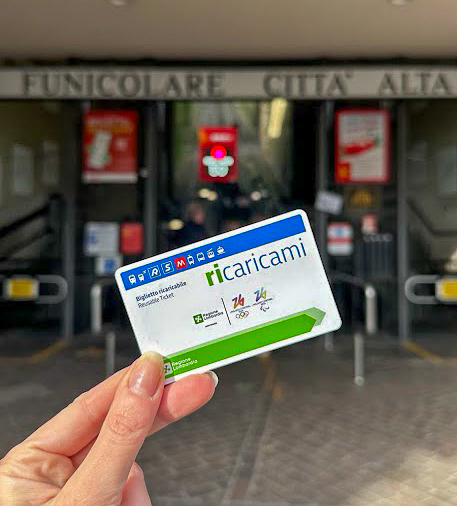
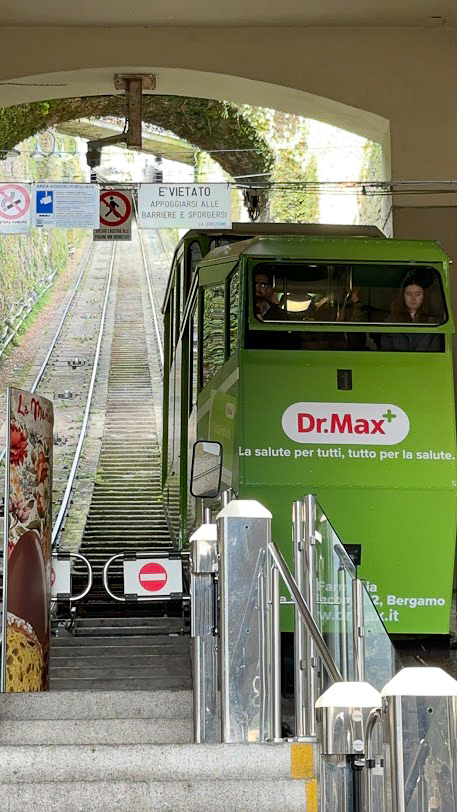
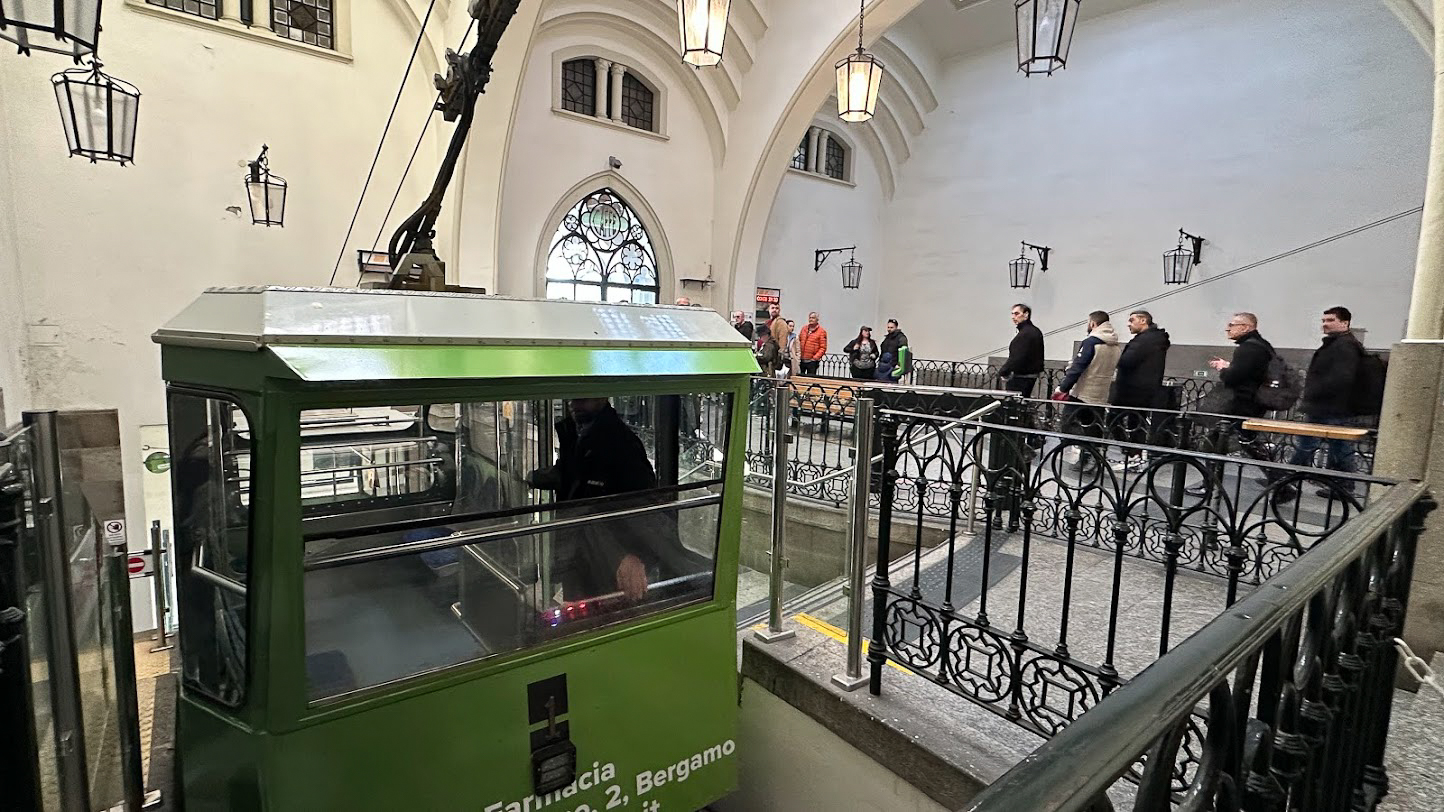
The first thing you’ll need to do in Bergamo is head to the upper city. You could take a bus (pretty cheap) or walk (even cheaper), but the very best way is by funicular. The journey, which takes you up 85m, takes about 2 minutes at gradients as steep as 52%. It affords you marvellous views across the lower city and Po Valley, as well as giving you quite an appreciation for the thickness of the Venetian fortress walls. You can purchase an all-day ticket for €3.50, which means you can go up and down as many times as you like, although you may end up feeling like a slow-motion yo-yo.

Head Up to Parco della Pace
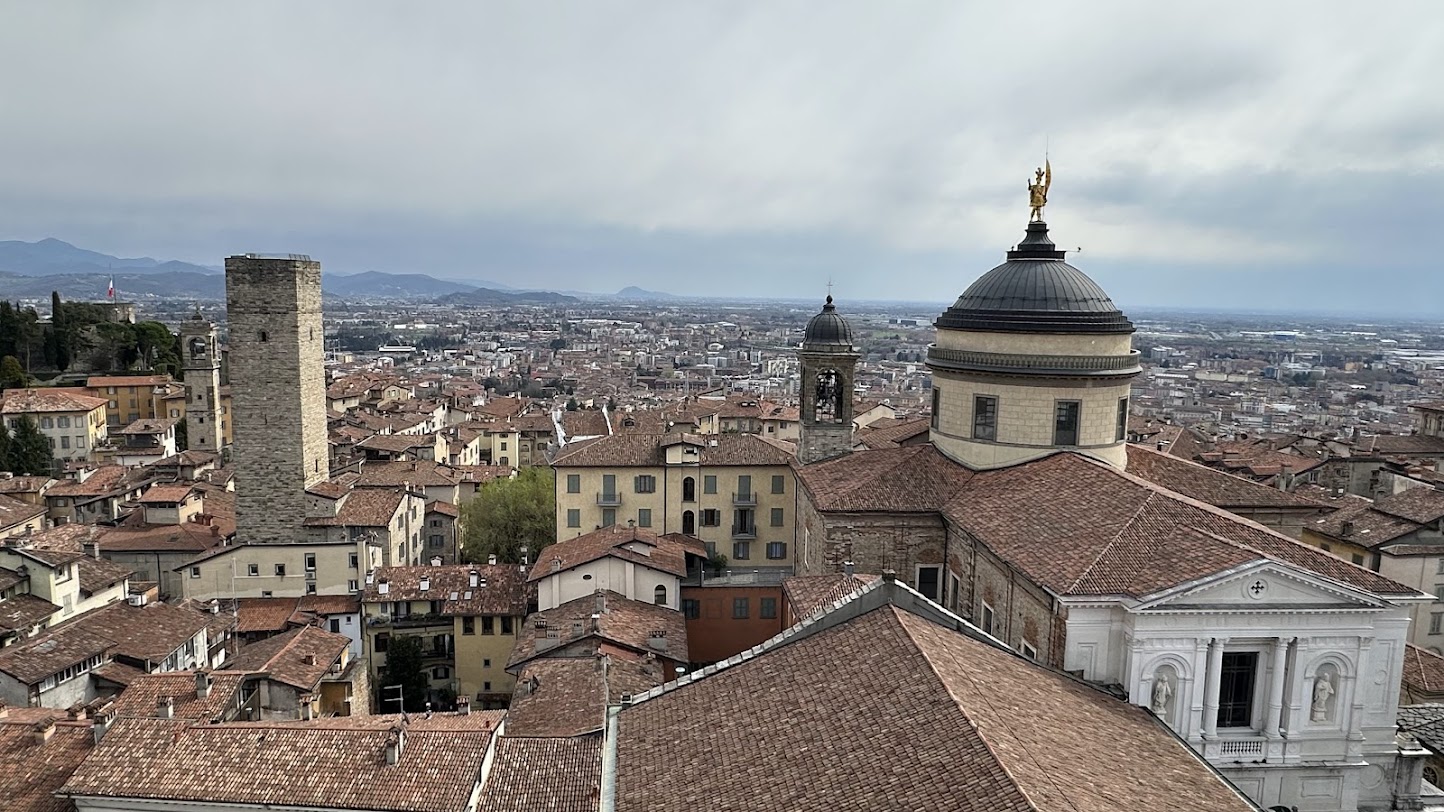
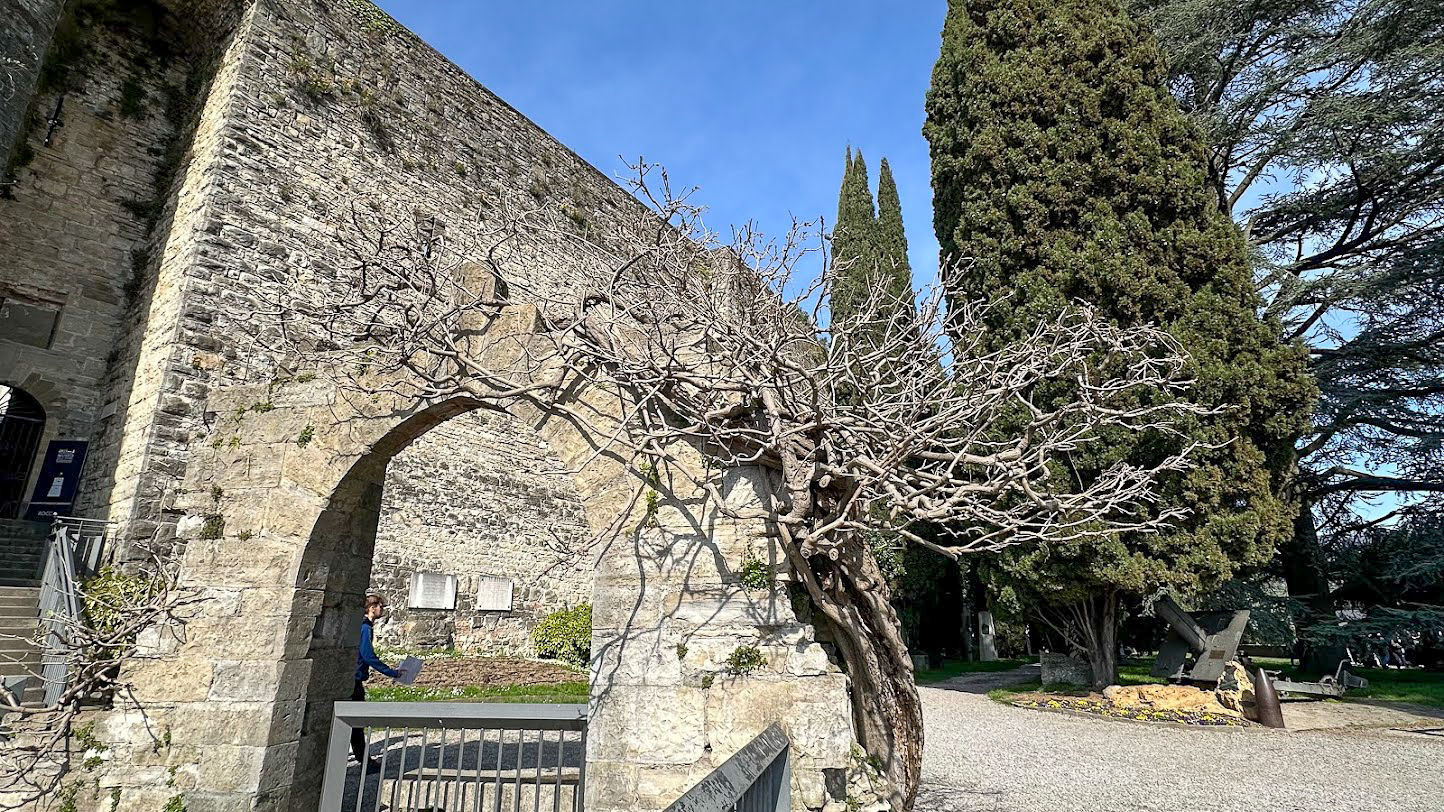
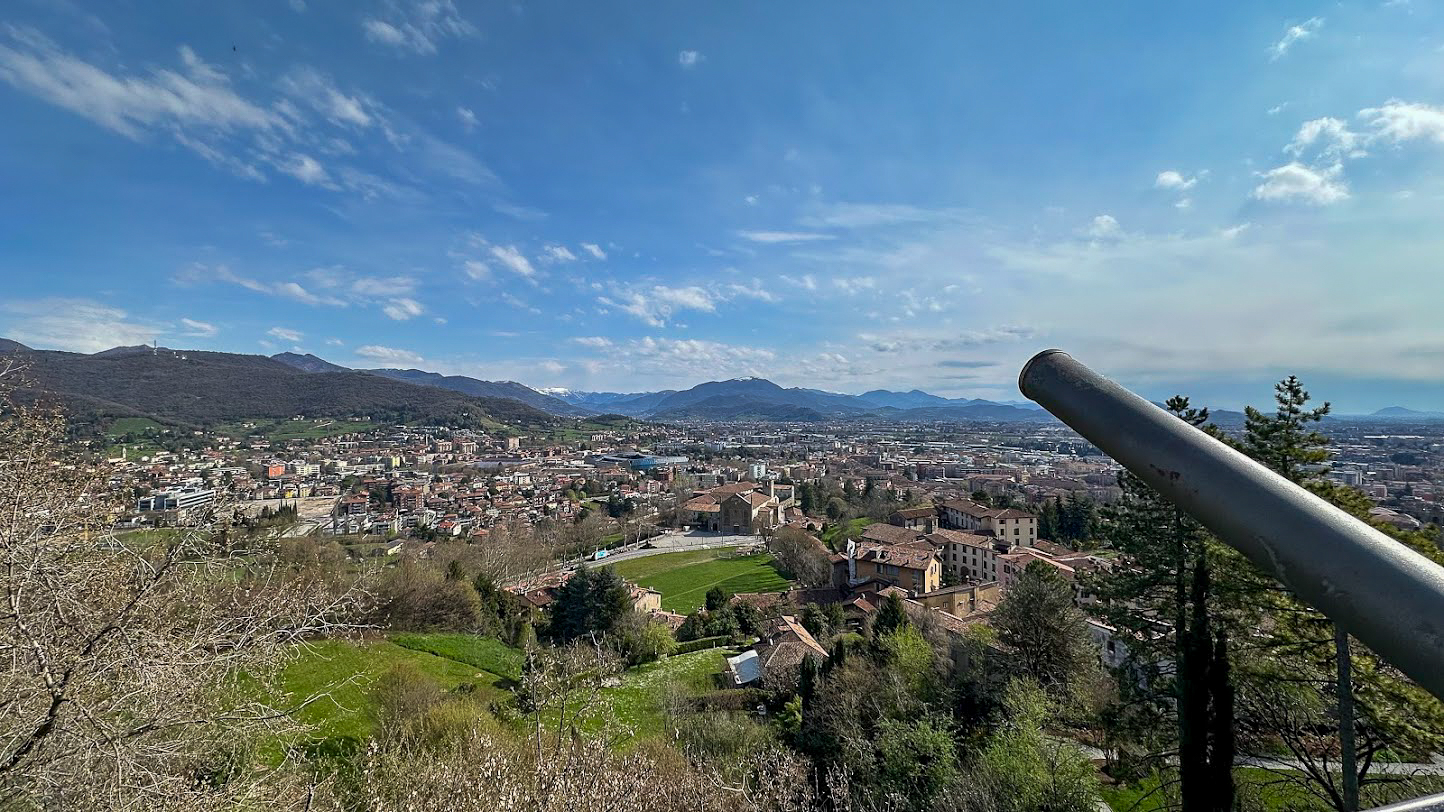
Start your walk up at the Parco della Pace, this excellent viewpoint not only gives you a wonderful look at the old fortifications but an amazing view out across the valley. Standing next to the WWII gun (a Semovente da 75/18 for those that are into ordnance), you can see the 12th century Monastero di Astino below, tucked into a swath of green. When the Venetians were building their huge defensive walls, they demolished plenty of buildings along the way, but the monastery was spared, leaving it sitting just beyond the walls. Right beside you, you’ll also find the Museo delle Mura di Bergamo, a small but really interesting museum that helps bring the story of the Venetian walls to life. It’s not huge, but it’s worth a quick wander.
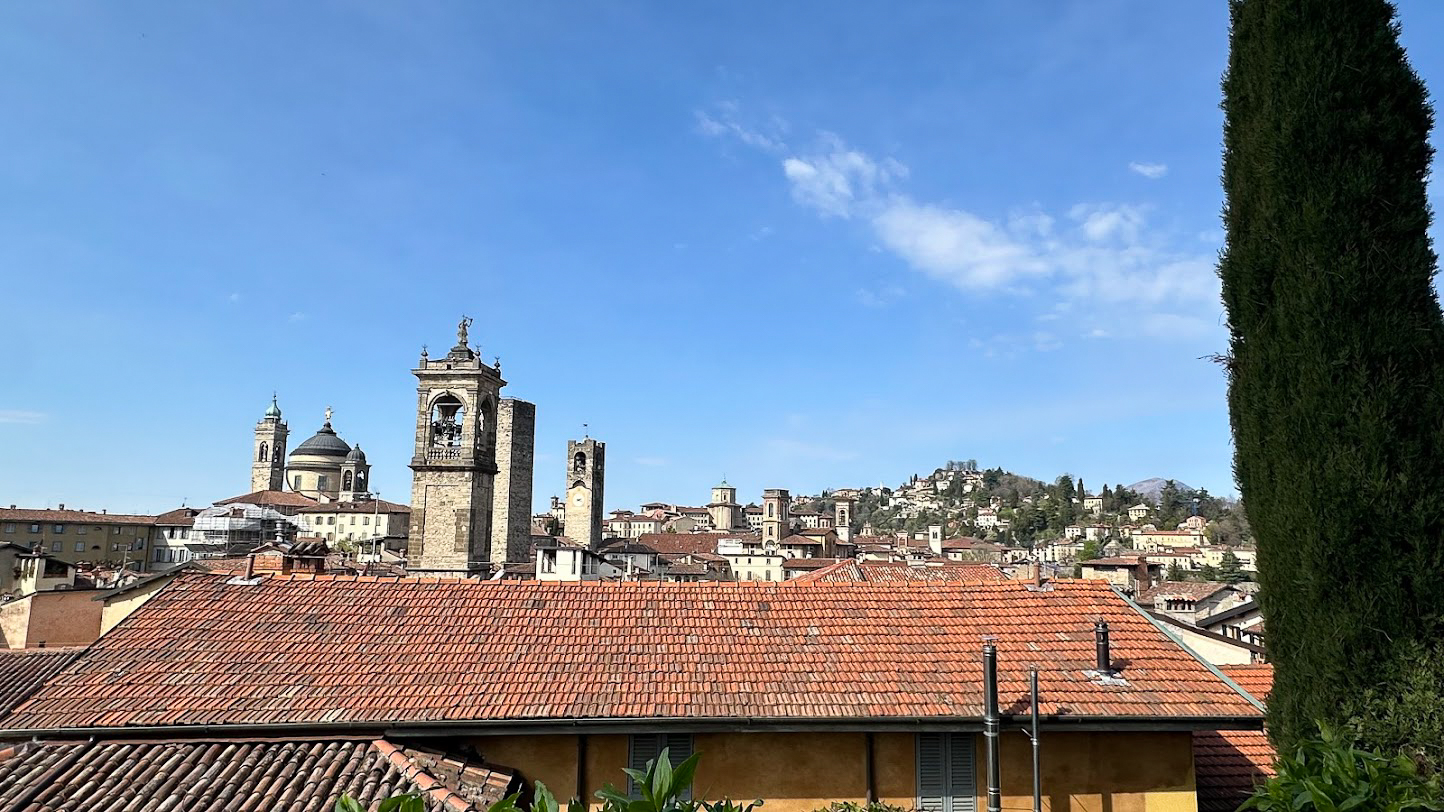
In the other direction, you will see right across the old town, including the three towers that still stand. The city used to be full of them, as warring families used them for defence, but most were subsequently torn down. From here, you can stroll along the walls themselves and take in the sweeping views over the countryside. It’s a 3 mile (5km) walk and frequented by joggers, dog-walkers and tourists alike. At a stroll, it’ll be a 1.5 hour walk.
Explore the Città Alta
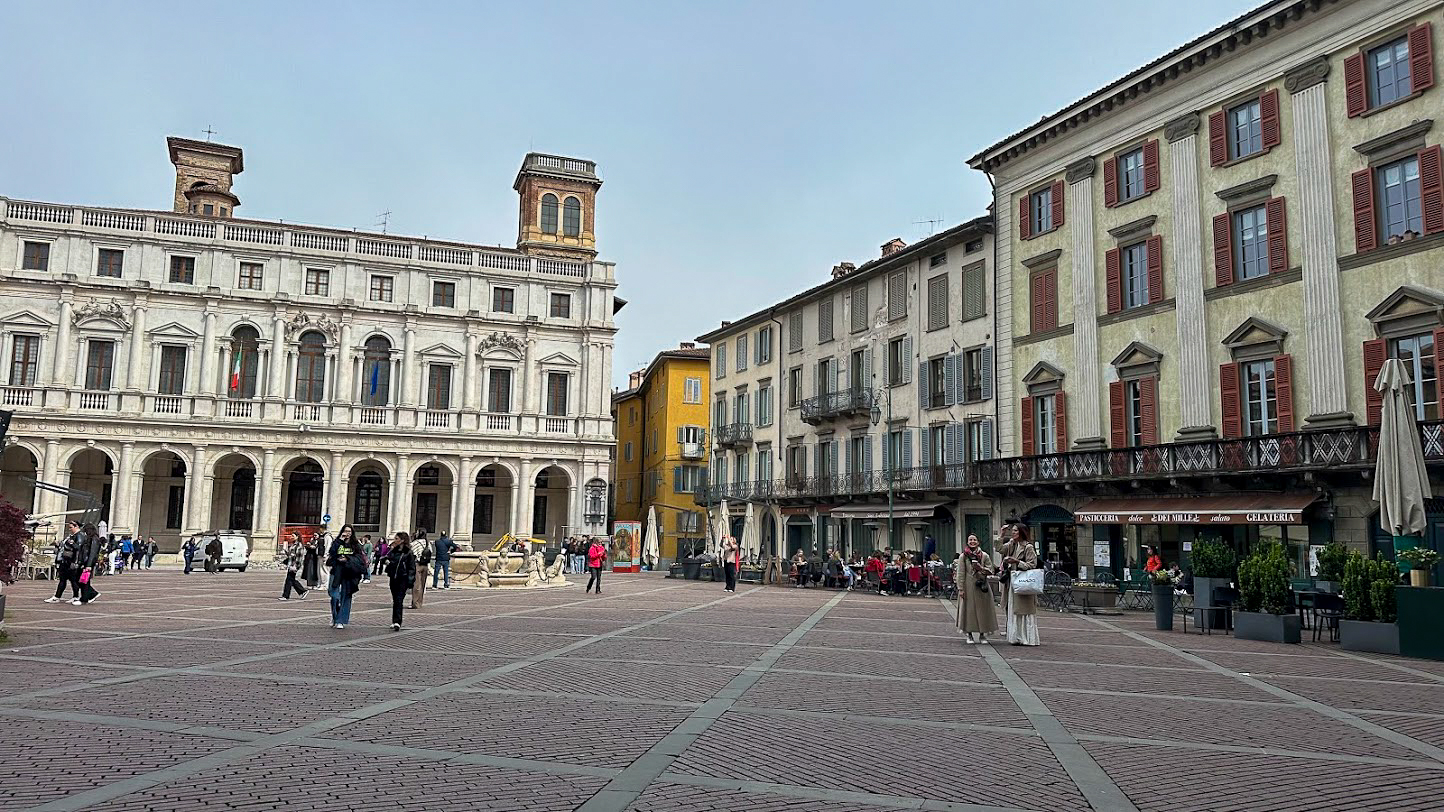
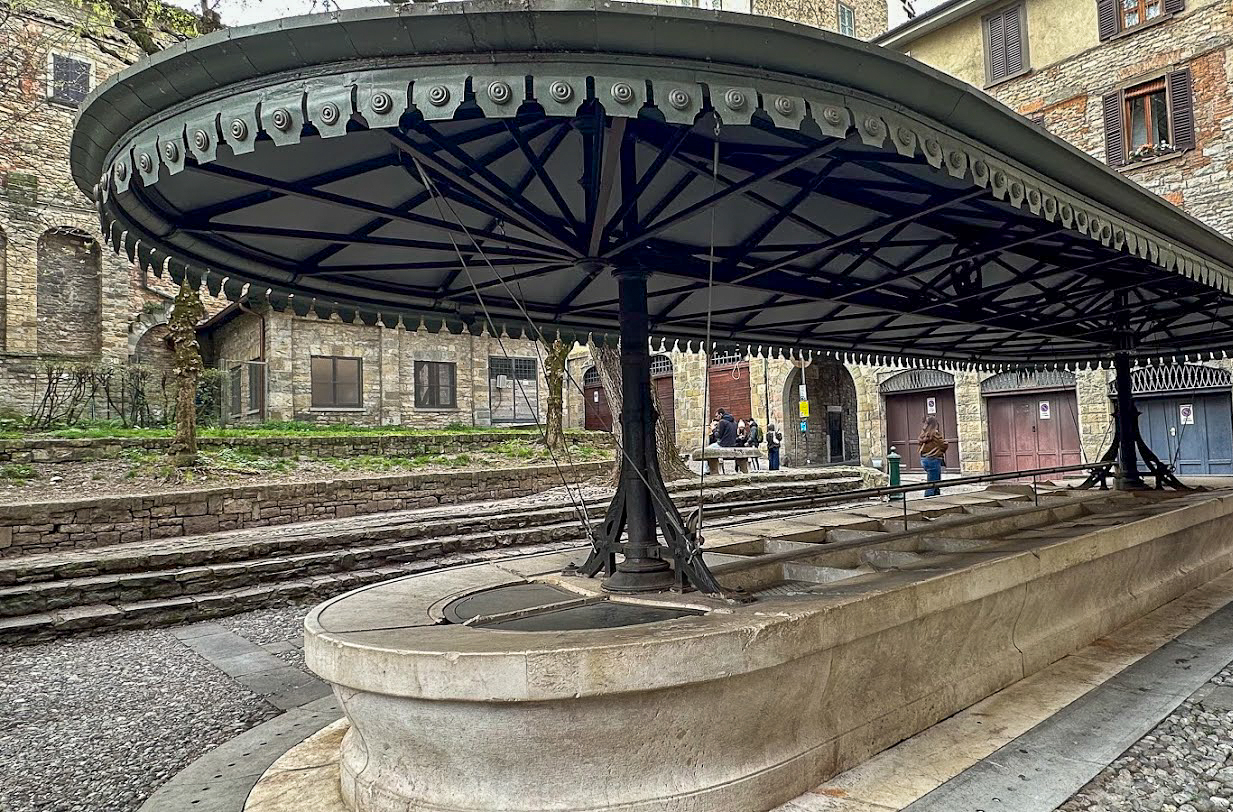
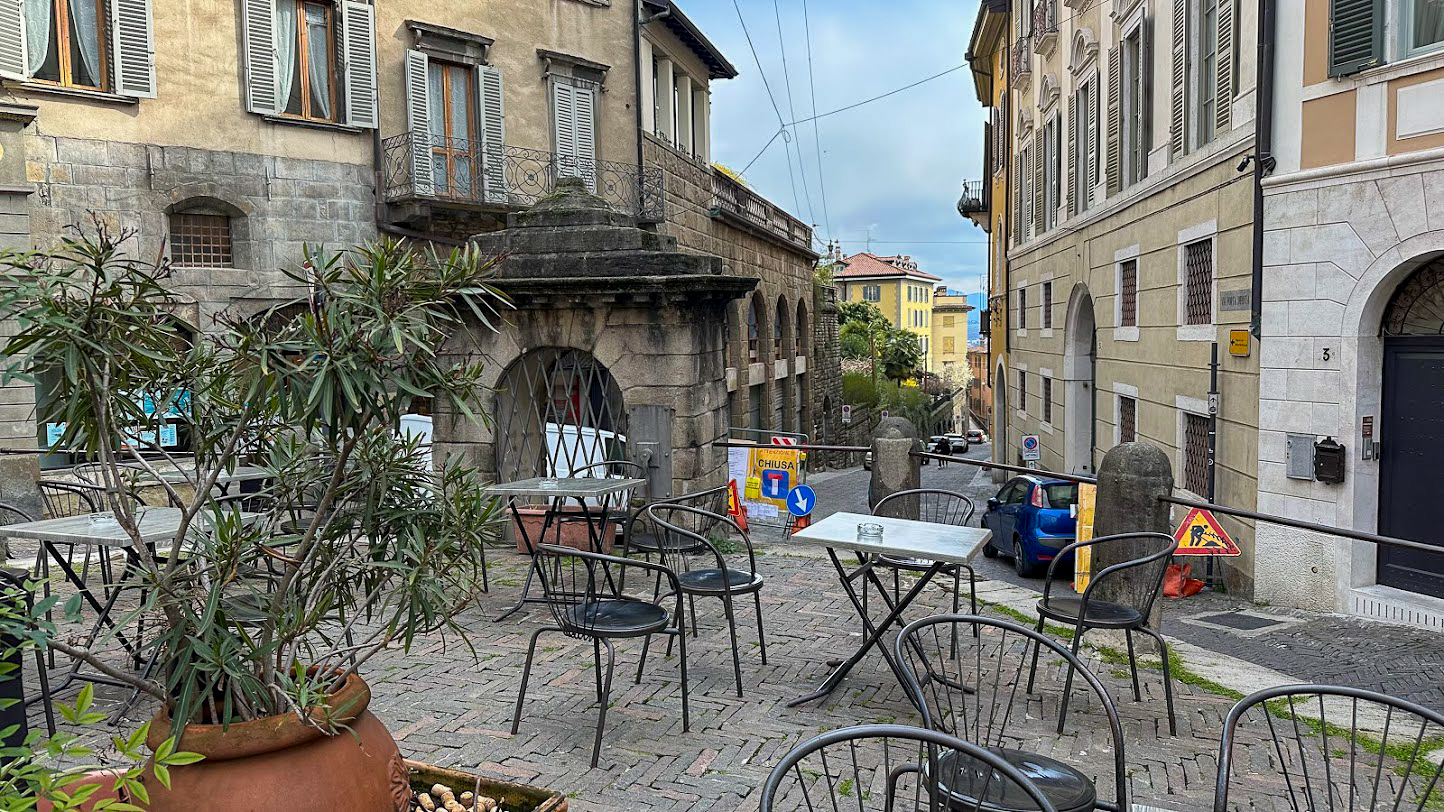
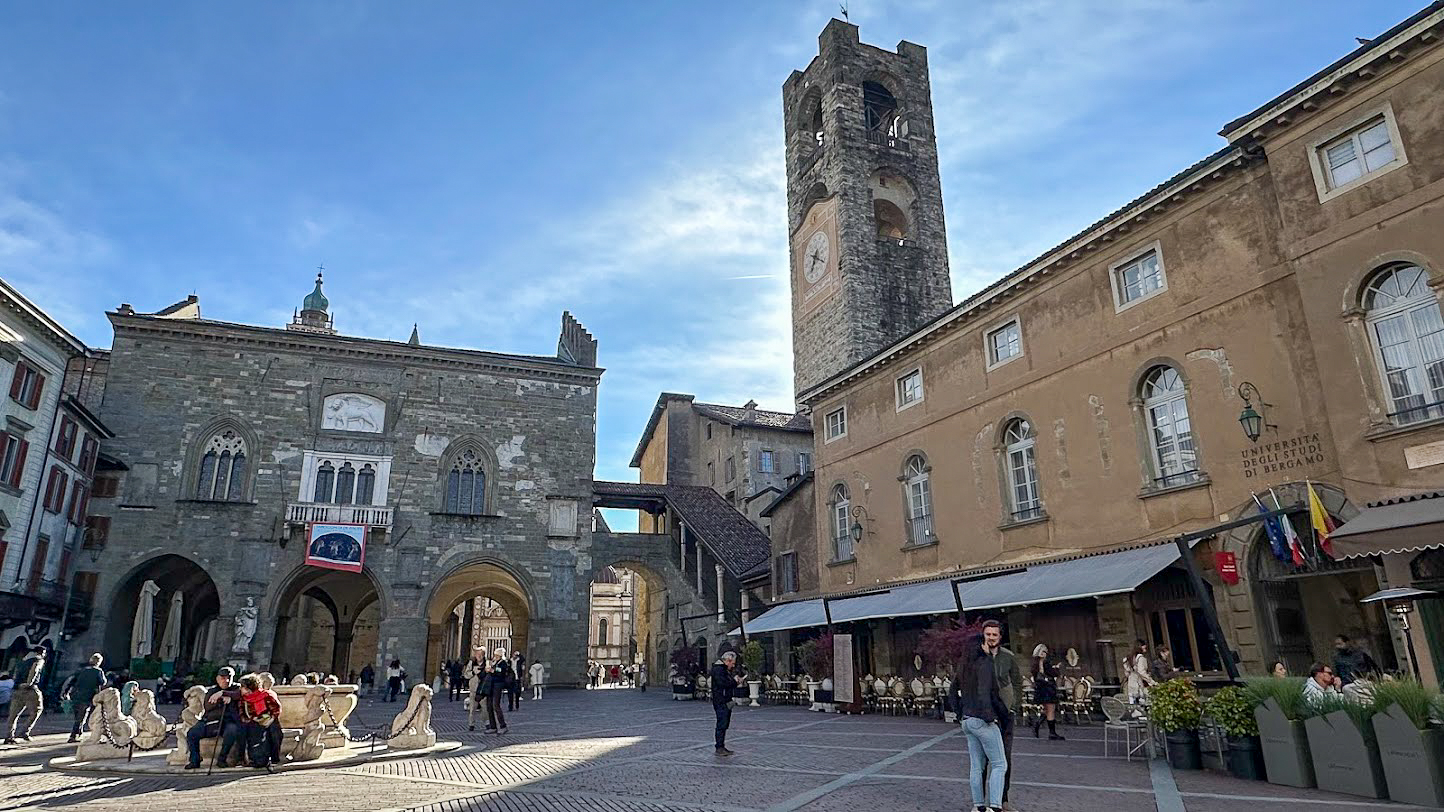
From here, make your way through the narrow, winding streets to Piazza Duomo. Alongside Piazza Vecchia, these two squares form the heart of medieval Bergamo, connected by the striking Palazzo della Ragione and surrounded by some of the city’s most beautiful buildings. Take your time here, this is the kind of place where getting a little lost is part of the experience. Wander down side streets, peek into tiny shops, and stop for a coffee or gelato as you go. Along the ay, keep your eyes out for the Visconti fountain. This interesting structure was the main source of water for the medieval residents from 1342 – 1892.
Climb the Campanone
One of the three towers you will have seen from the fortress wall is the Civic Tower or Campanone. This tower stands at nearly 53 metres and has sweeping views from its upper terraces. Don’t worry, there is a lift to whisk you up to the top. Just a word of warning, the bell (the largest in Lombardy) still tolls, so if you are there on the hour, prepare for a jump scare. If you are still in town at 10 pm, listen out for it as it chimes 100 times. This tradition harks back to a time when this indicated the closing of the city gates.


Marvel at the Basilica di Santa Maria Maggiore
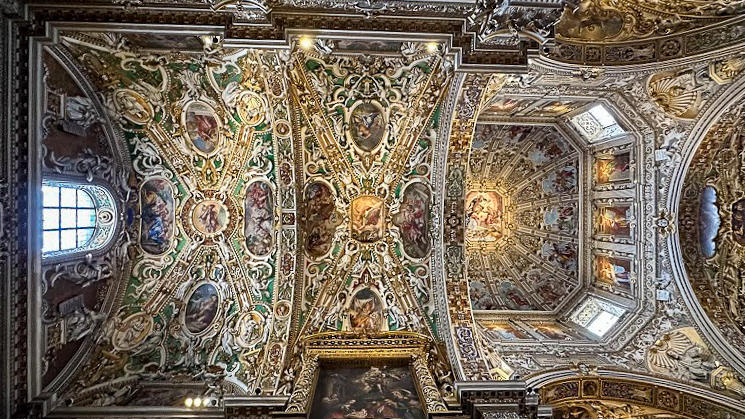
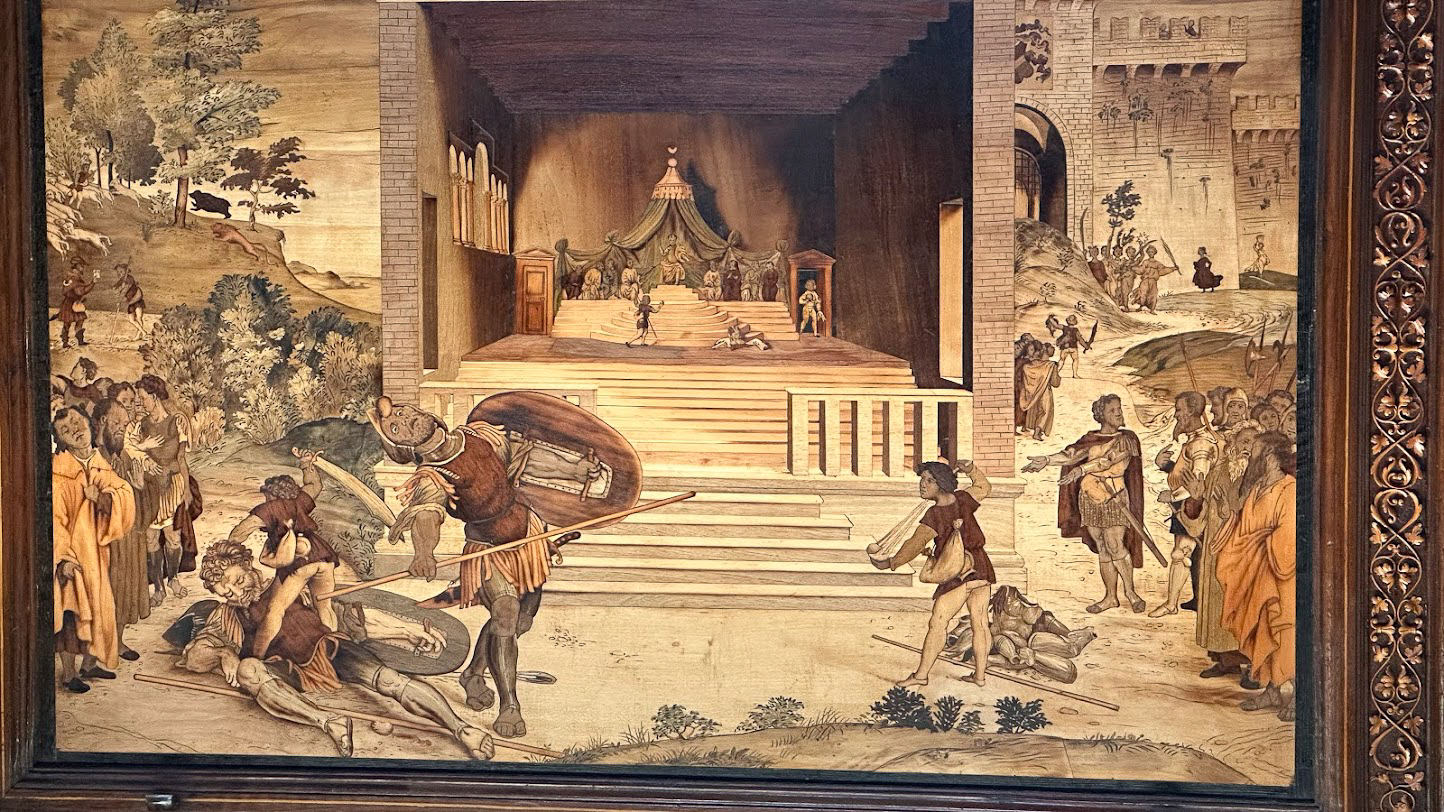
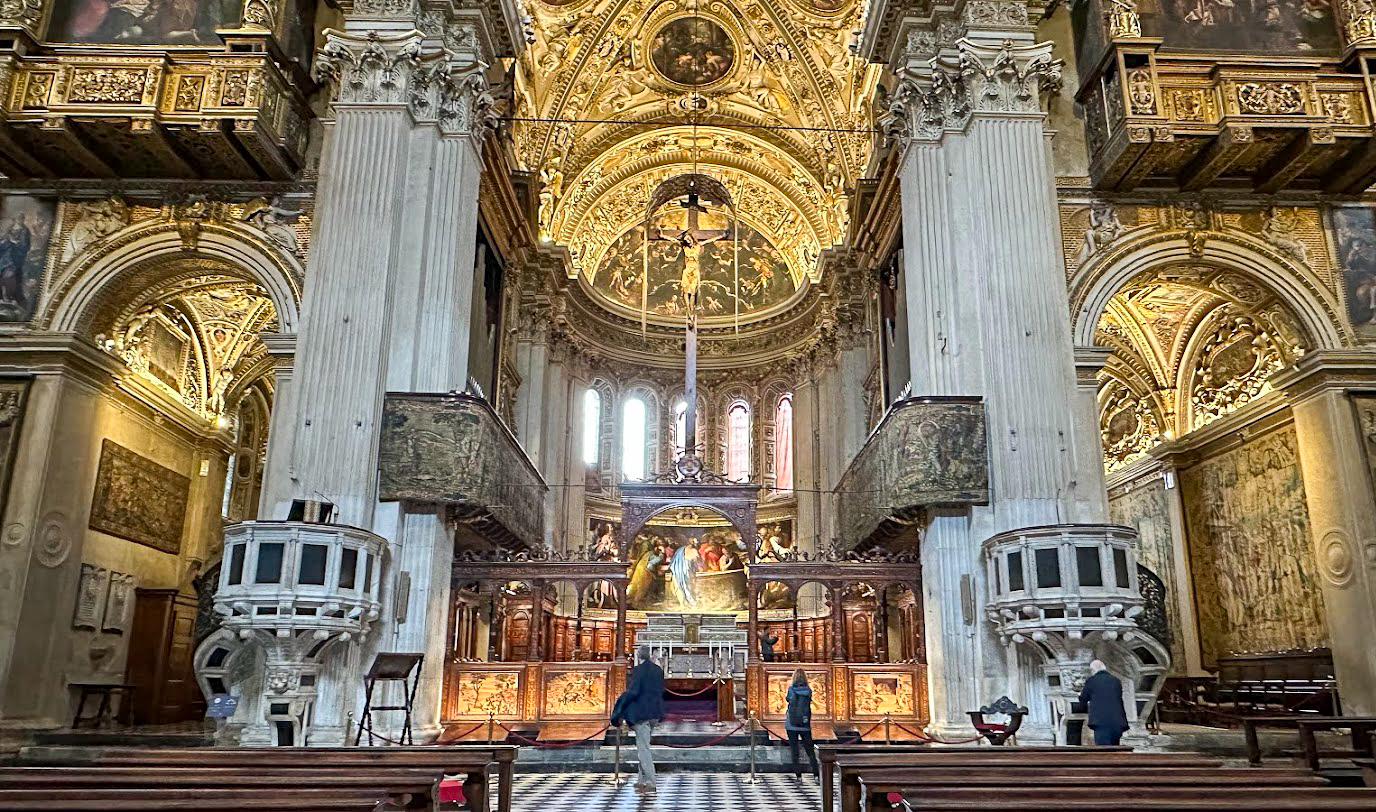
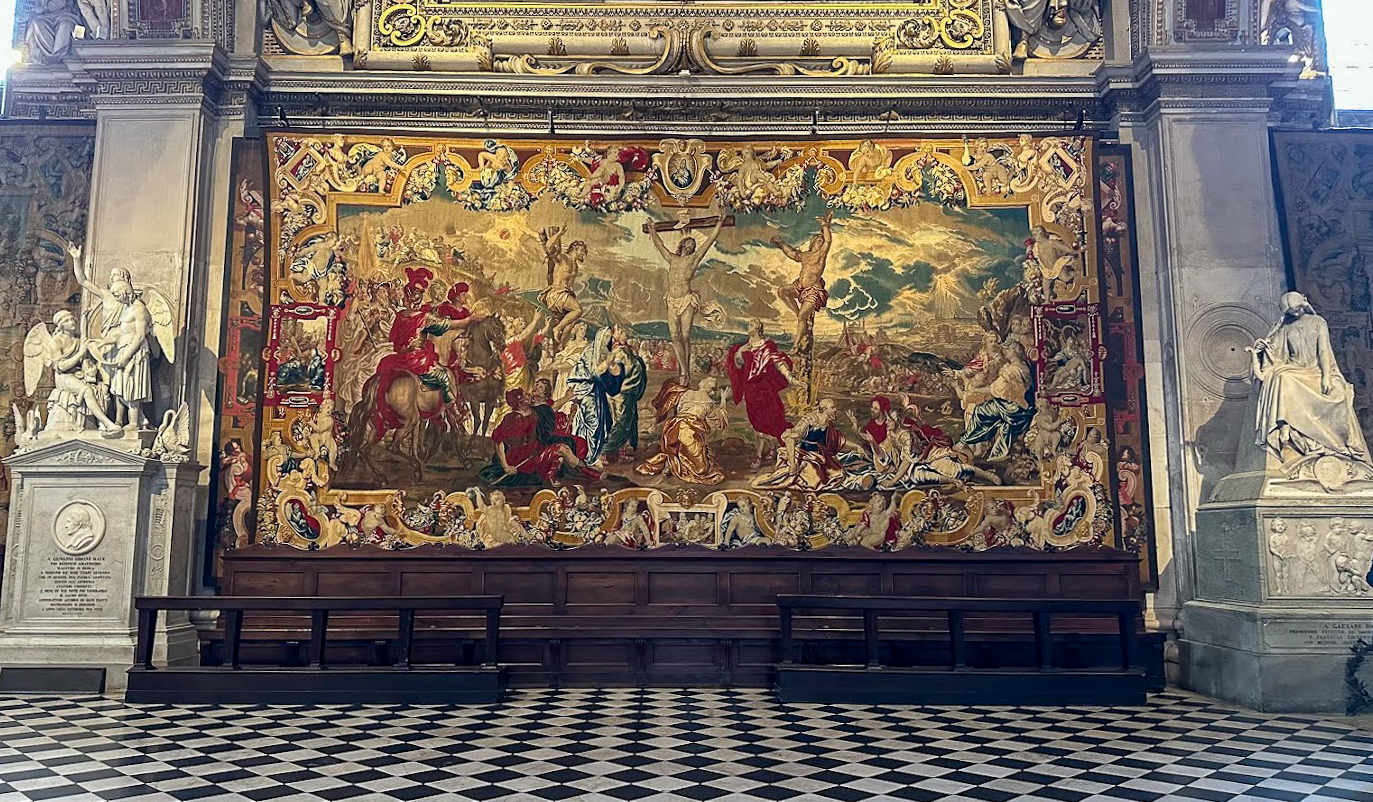
The church of Santa Maria looks quite plain from the outside, so you’re just not quite prepared for the baroque showstopper that awaits you. It’s one of those interiors that will stop even the most jaded travellers in their tracks. Take some time to properly look around, there so much to take in. The walls are draped in enormous Flemish tapestries, many dating back to the 16th and 17th centuries, depicting biblical scenes in incredible detail. One of the real highlights is the beautifully carved wooden choir stalls, featuring detailed inlays designed by Lorenzo Lotto, each panel telling its own story if you look closely enough. It’s also worth seeking out the tomb of composer Gaetano Donizetti, a proud Bergamo native. The ceiling is unbelievably ornate, but don’t forget to look down as well as up. The marble floors are just as intricate as the ceilings above. This isn’t somewhere to rush; take a moment, find a quiet spot, and just let the sheer scale and detail of it all sink in.

Pop into Capella Colleoni
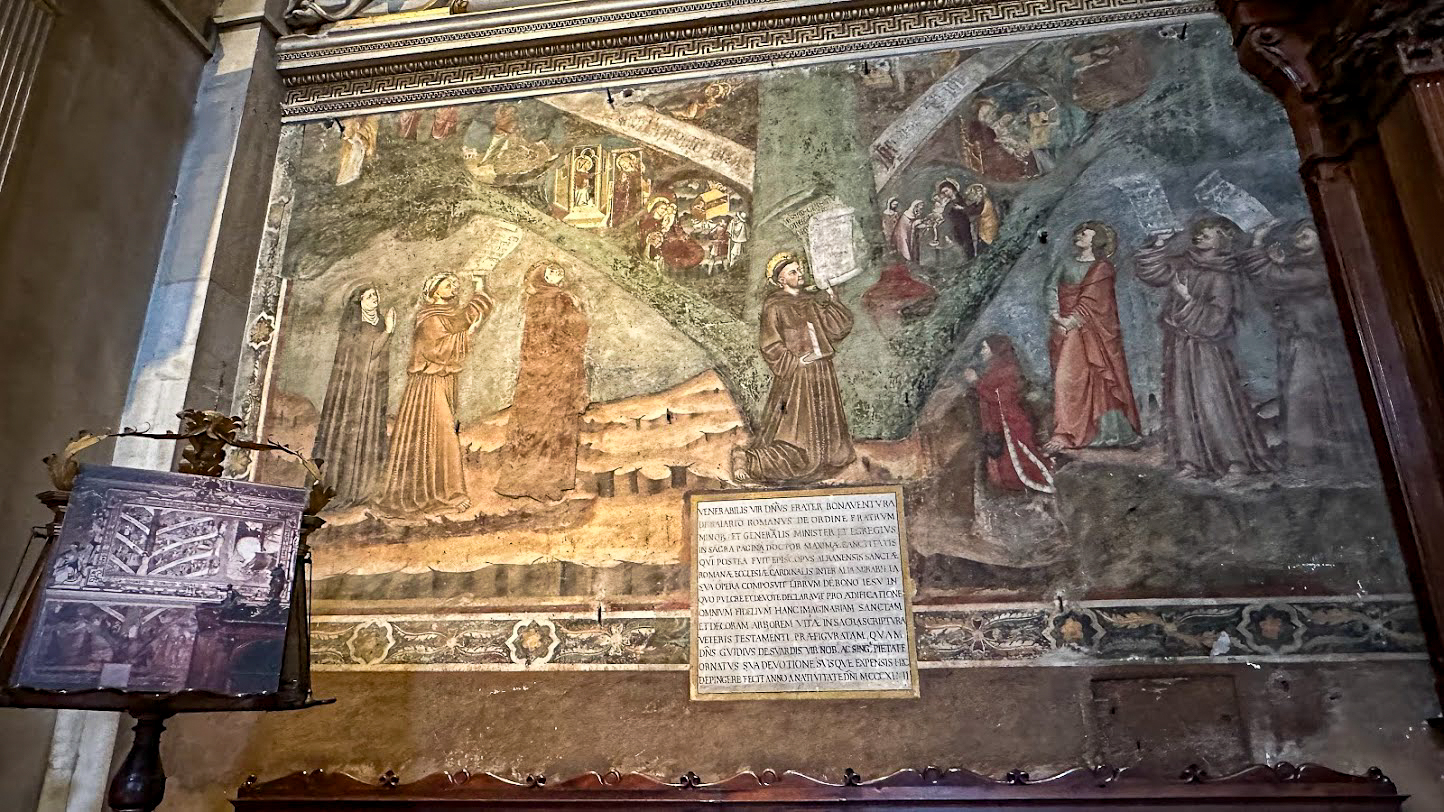
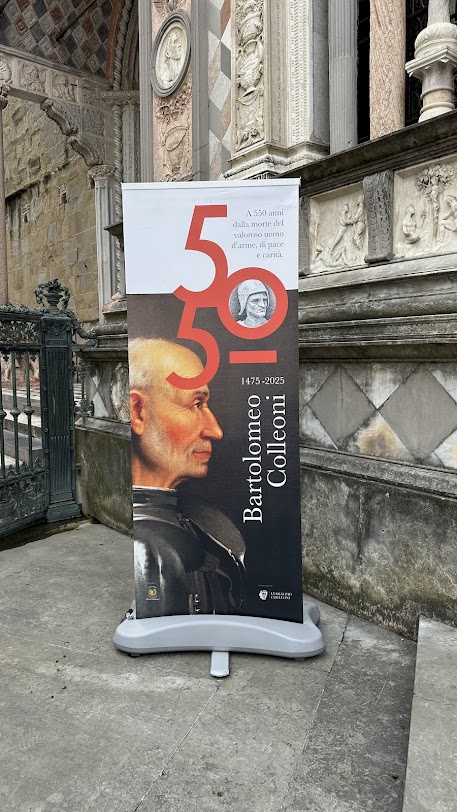
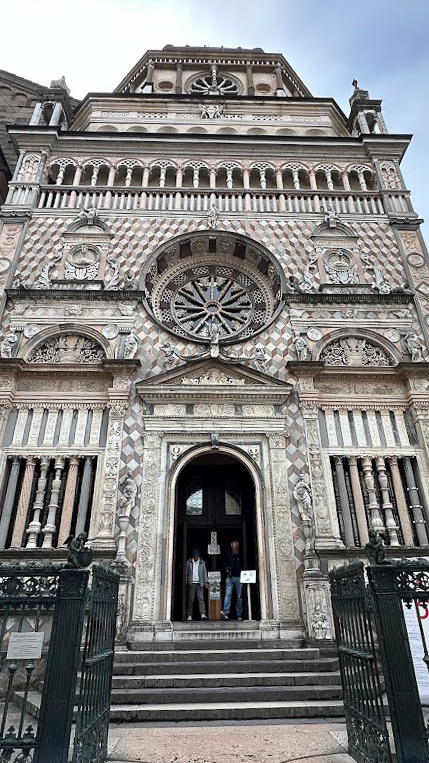
Capella Colleoni is the final resting place of one of Bergamo’s most important men, Bartolommeo Colleoni (1400 – 1475). In fact, he was such a big deal that you can spy a fresco of in the church next door. He was rich enough to commission it himself. The front of his mausoleum is wonderfully elaborate with marble inlays and a rose window that illuminates the face of Colleoni’s statue inside. The statue is the newest thing in here, having been in 1501. Keep an eye out for the Corlleoni crest featuring three pictures that are exactly what they look like. This is backed up by the battle cry beneath, “Balls! Balls! Balls!”
Get Your Culture Vulture on at the Museums
The Accademi Carrara
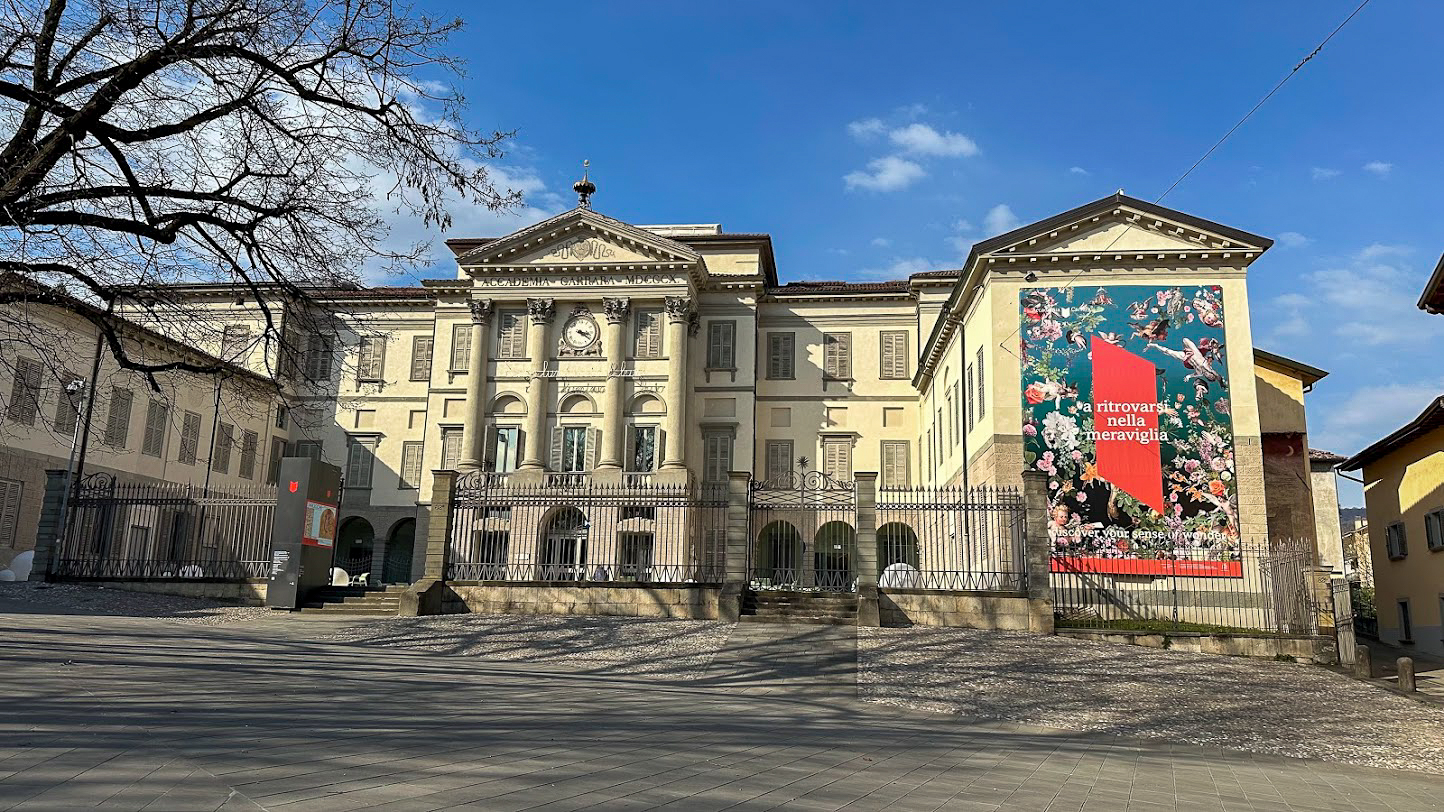
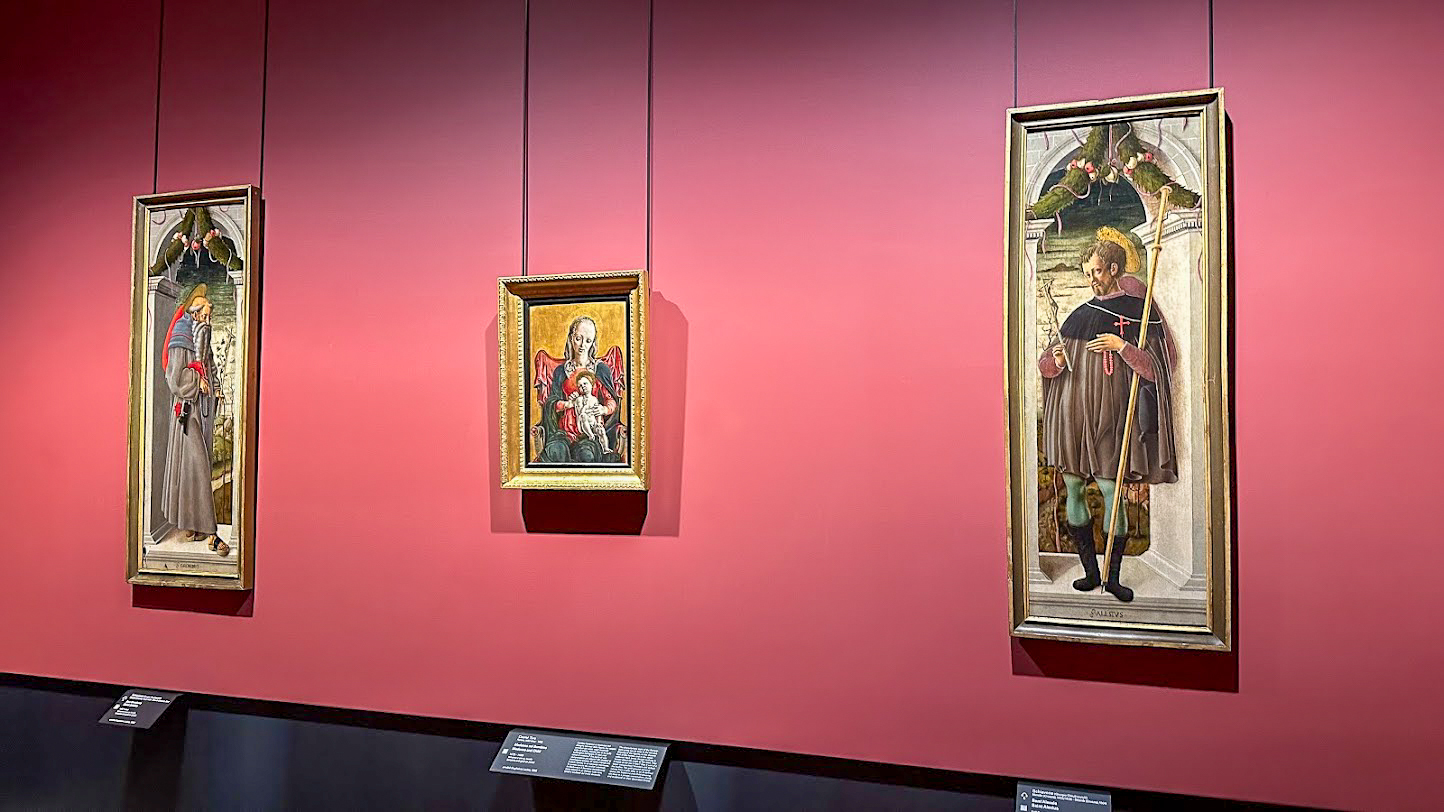
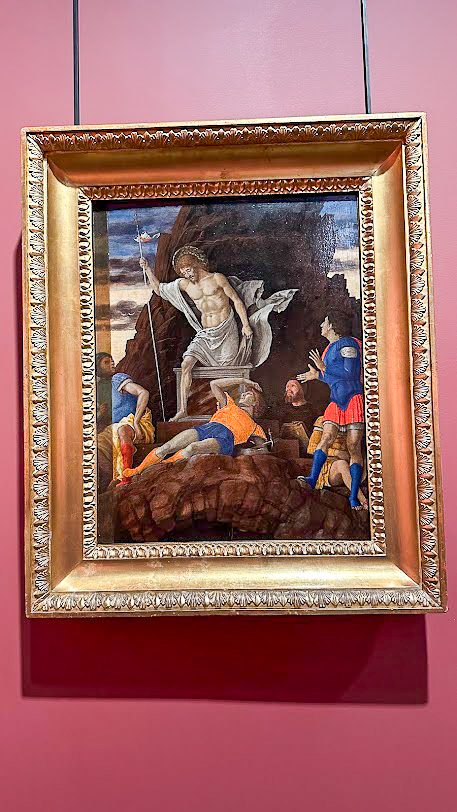
The Accademi Carrara started as a fine art school in the 1700s. It is still operating as an academy, but we are here to enjoy the art, not create it. The museum’s permanent collection is curated carefully to not only share the same time period room to room, but also the same geographical area. It makes the whole collection much more immersive. There are pieces from Italian masters here that even I have heard of, including Raphael and Botticelli. Don’t forget to spend a little time studying the wallpaper on the way in. It was commissioned specially for the stairway and features little details from the masterpieces in the galleries. Expansion in 2024 means there is a lovely new garden that is open to the public for free and you will find changing temporary exhibitions in the new section of the museum.

GAMeC
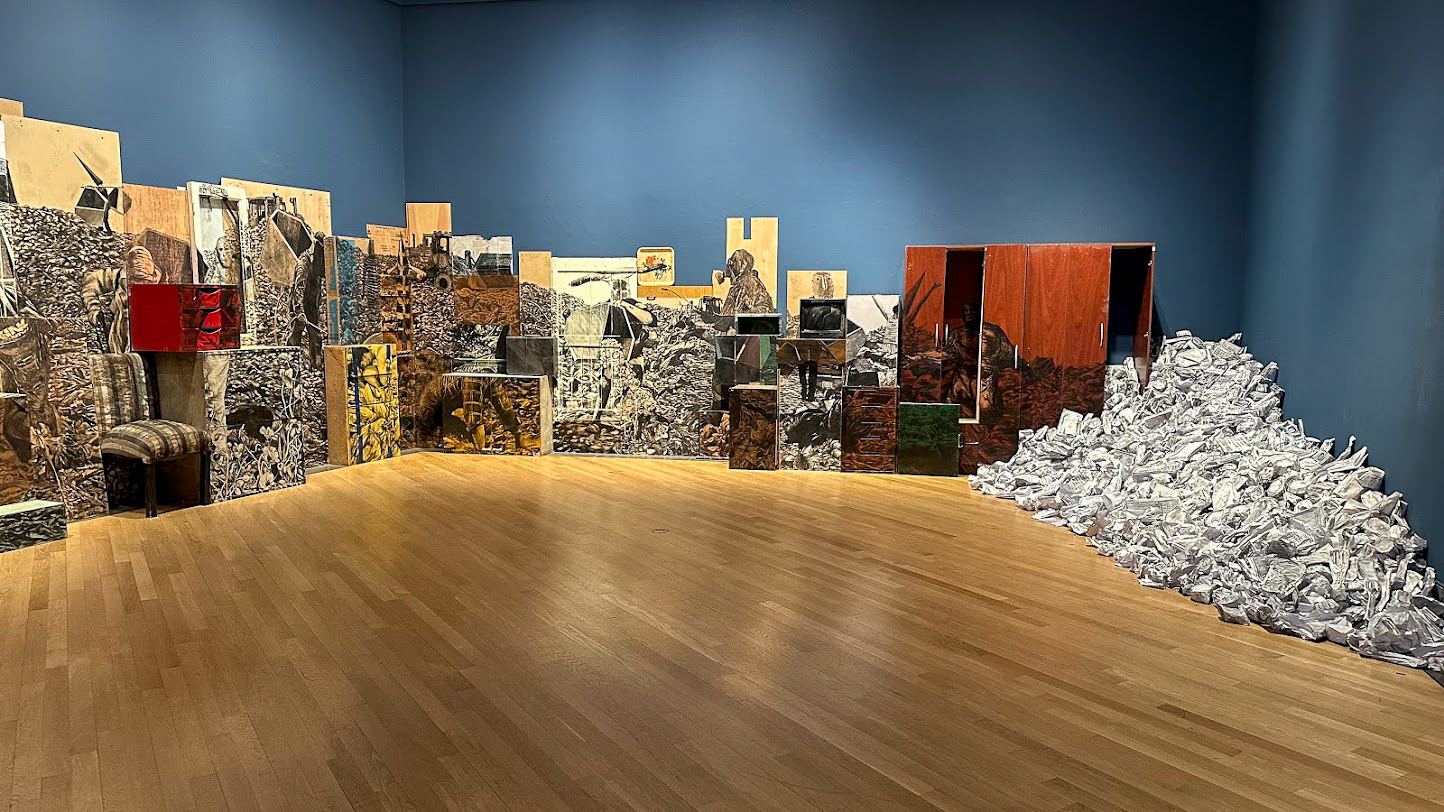
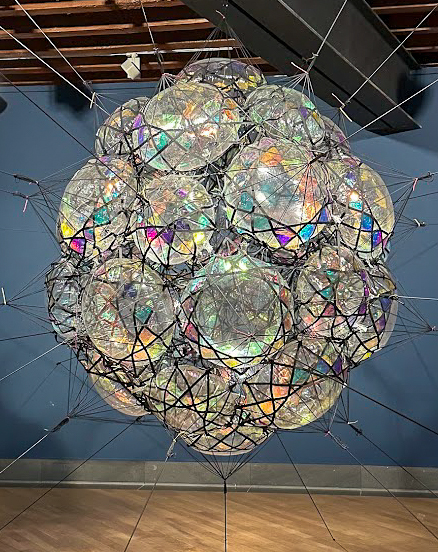
The Modern and Contemporary Art Gallery of Bergamo (GAMeC) seems altogether more eclectic than its more traditional counterpart. However,, there’s still a strong local influence, with many of the artists either Italian or invited to create pieces inspired by the region. Inside, you’ll find works by big names like Giacomo Balla and Giorgio Morandi, alongside rotating exhibitions that often lean into contemporary themes. The gallery is known for pushing boundaries a little more, so expect everything from abstract paintings to immersive installations. One of the more unique touches is the weekly discussion group, where serious art fans gather to analyse a single piece from the collection. It must be a fascinating conversation to sit in on, although you’ll need to speak Italian to eavesdrop and fully appreciate it.


Feeling Foodie in Bergamo
Bergamo is full of wonderful food spots (I mean, it is Italy, so that is to be expected), but a few really stand out.
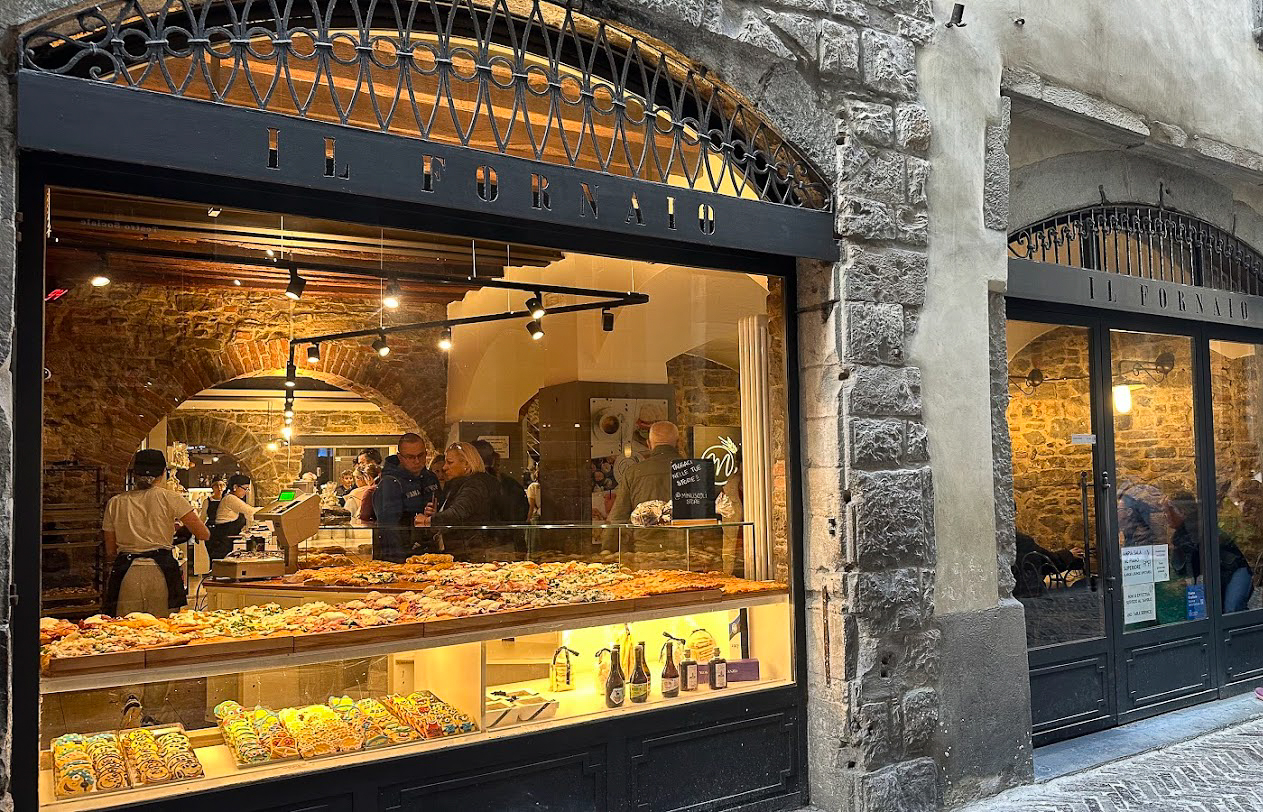
Il Fornaio
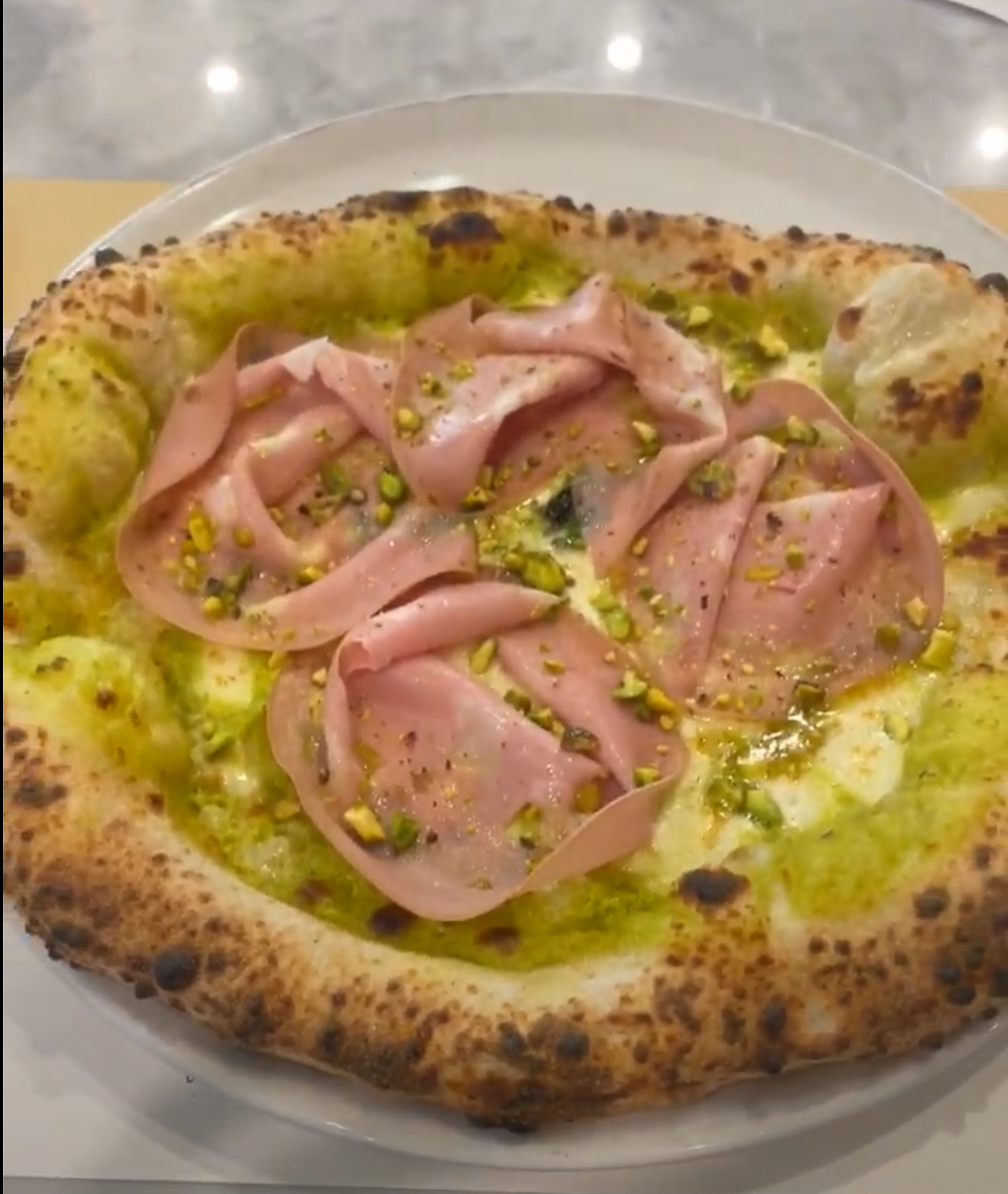
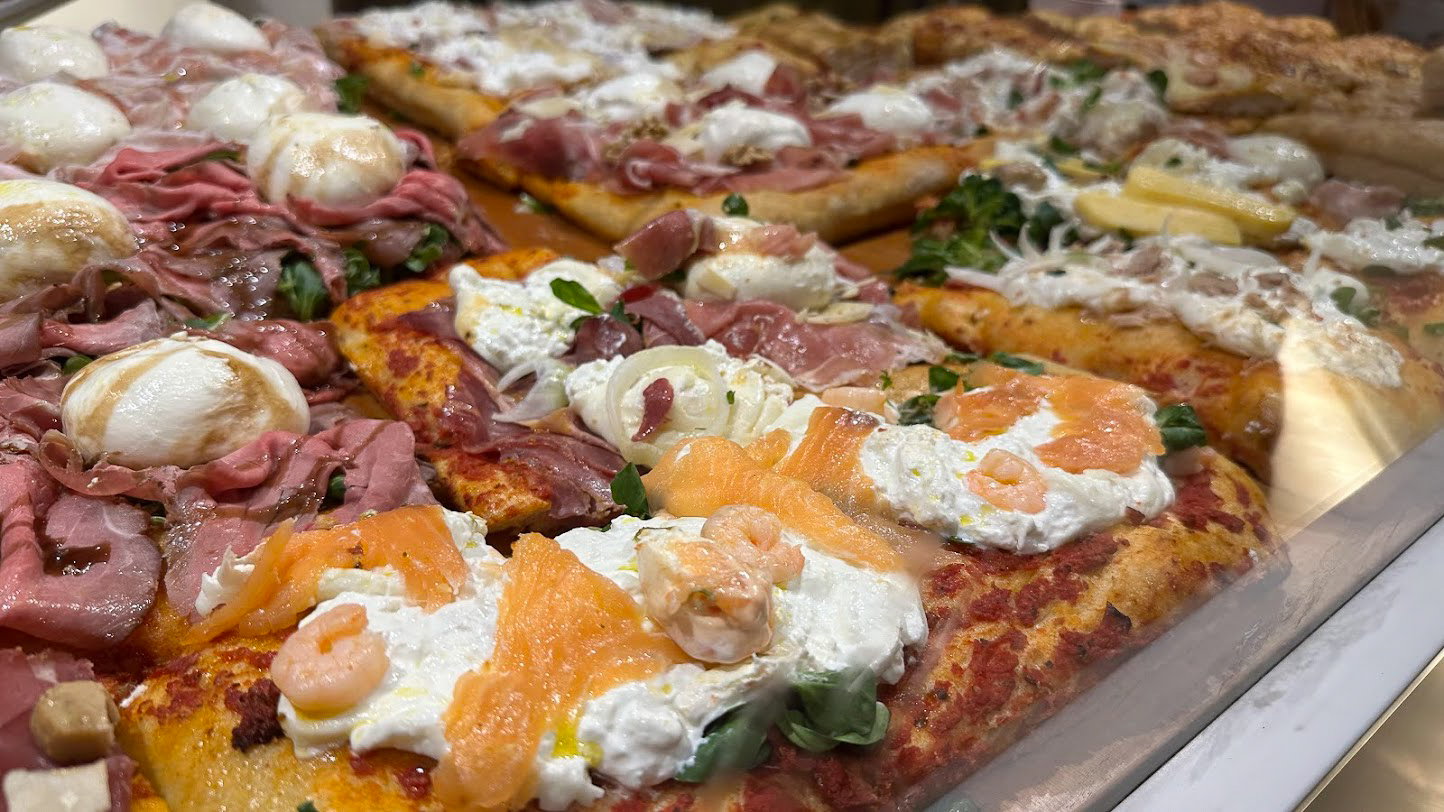
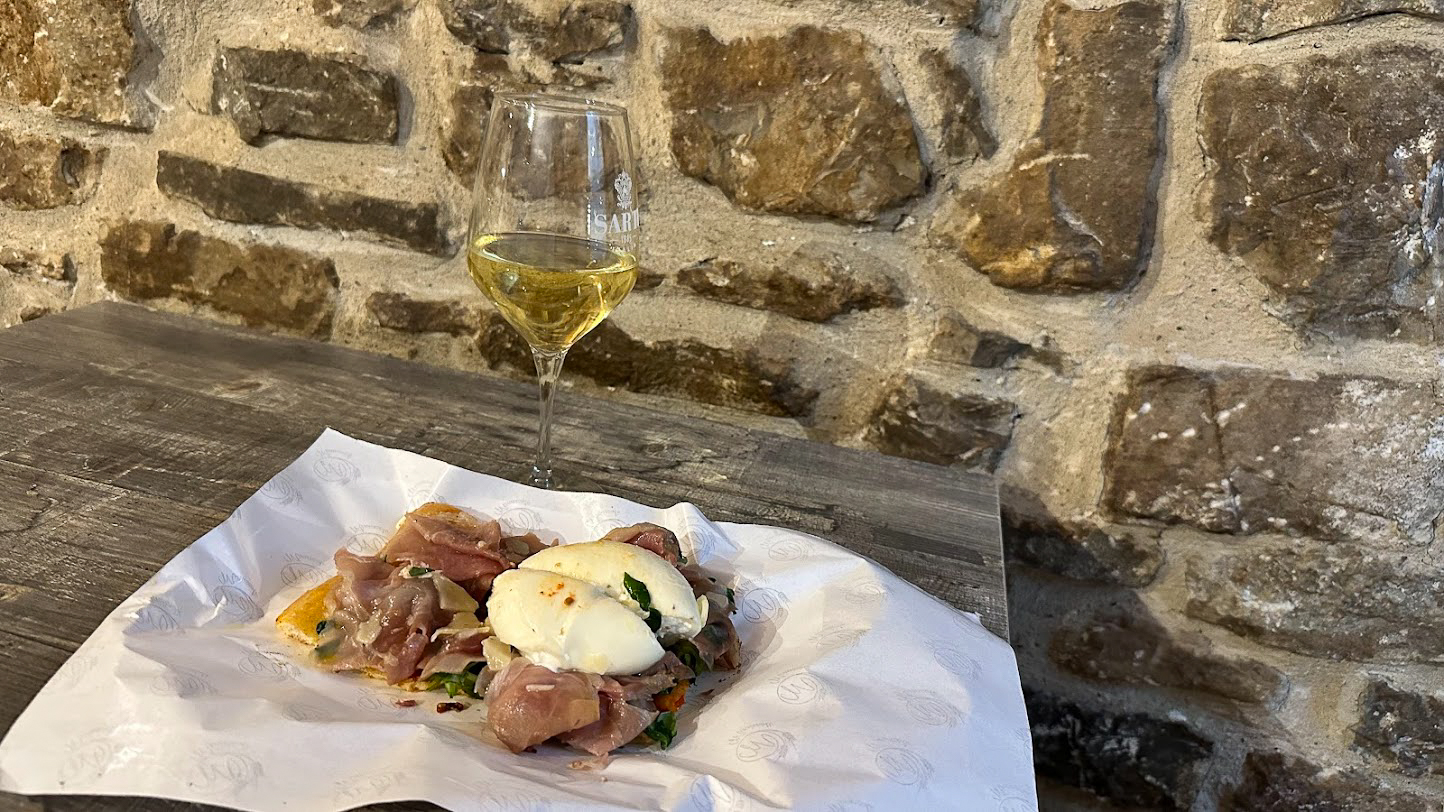
Light focaccia bases, topped with heavy balls of fresh burrata, a slice of pizza at Il Fornaio is an indulgent thing! Mind you, you might want to skip the burrata if you are on a budget, as the pizza here is charged by weight. Grab a ticket when you enter and wait for your number to be called. You can then choose your preferred pizza and request it to be warmed or not. Pick up your drink over at the bar and tuck in.
La Marianna
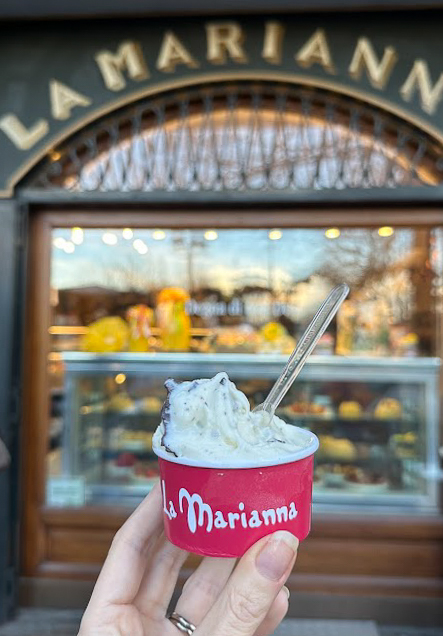
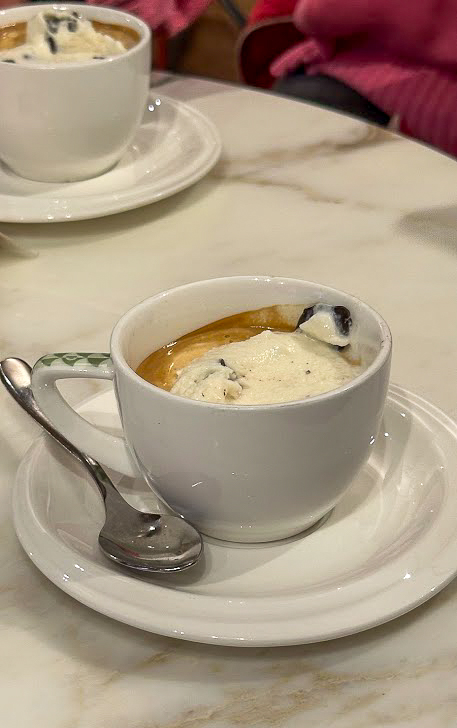
Not only does this cafe serve delightful pastries and artisan chocolate, but it is also the home of stracciatella ice cream. For the uninitiated, stracciatella is super creamy vanilla fior di latte gelato, topped with lashings of melted dark chocolate. It is then stirred through, dispersing shards of the bitter, rich chocolate throughout. You can try the ice cream by itself or with a shot of espresso over the top, called the Cafe Mariana. They also have a sister cafe called Babilonia, where the ice cream and coffee are just as good.


Ol Giopi e La Margi
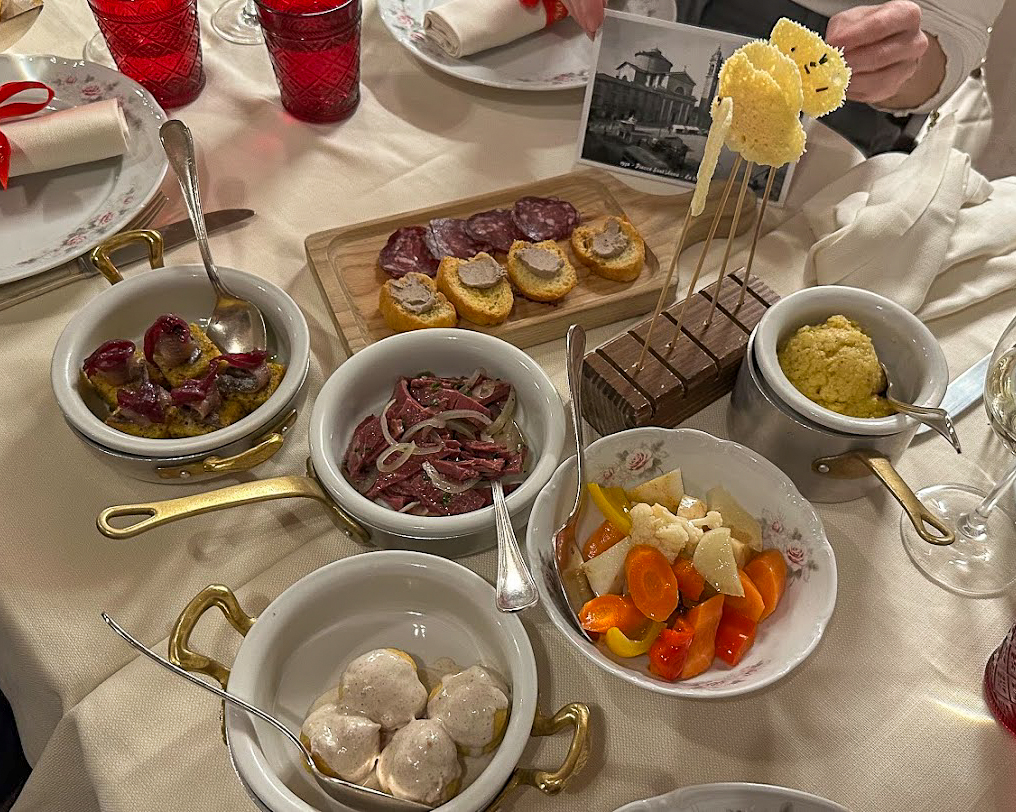
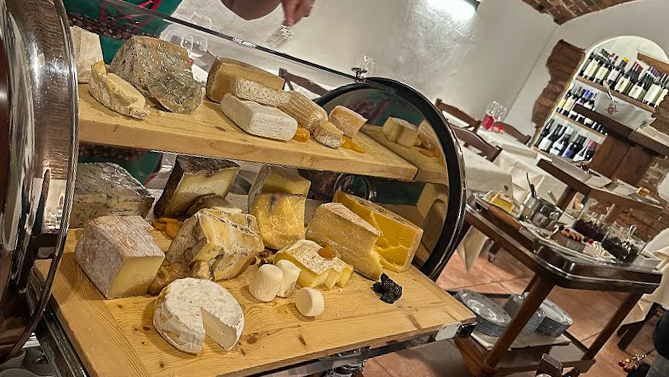
Taking the simple, traditional recipes of the Bergamo region, Ol Giopi e La Margi, brings them up to date. Their simple but delicious dishes are presented as nouvelle cuisine and are disarmingly delicious. Particularly noteworthy are the polenta with anchovies, saffron risotto with sausage and black truffle, and scarpinocc de Parre (incredibly traditional pasta stuffed with bread, herbs, spinach and cheese). There are tripe, horse, venison and rabbit dishes for those feeling particularly adventurous. Make sure you leave room for afters as they have both a cheese trolley and a dessert trolley. The joy in everyone’s eyes as these beauties are wheeled towards the table cannot be underestimated.


Nonna Alda
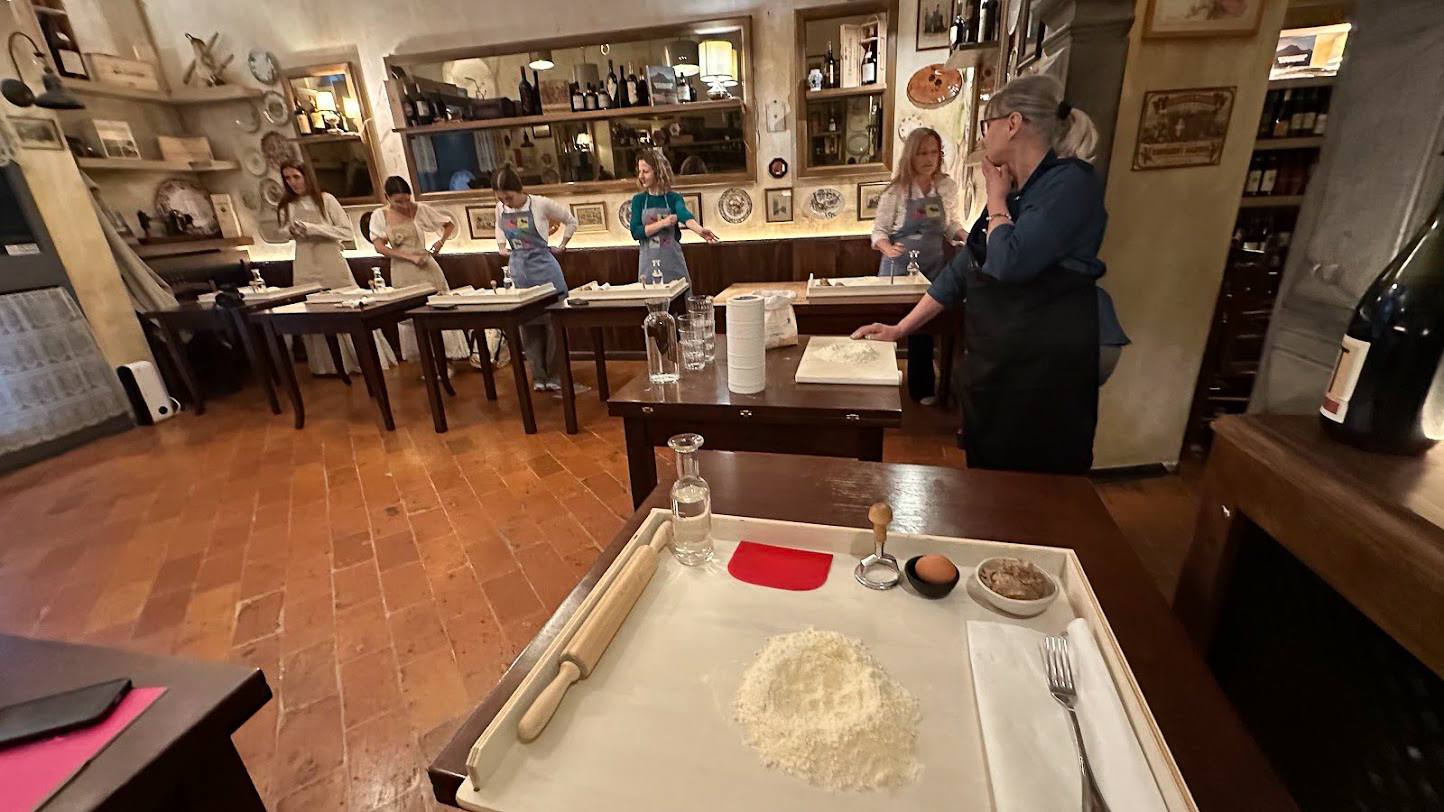
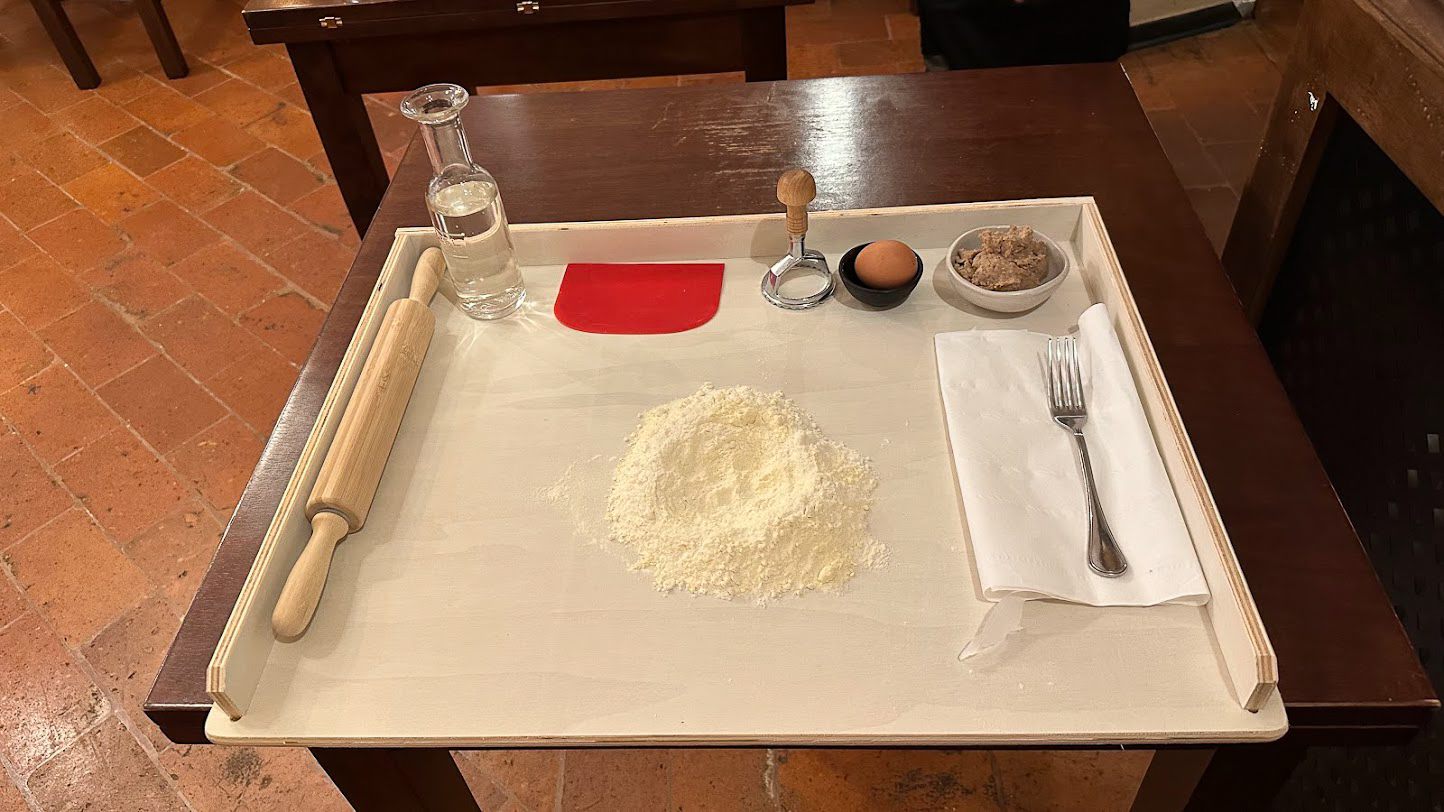
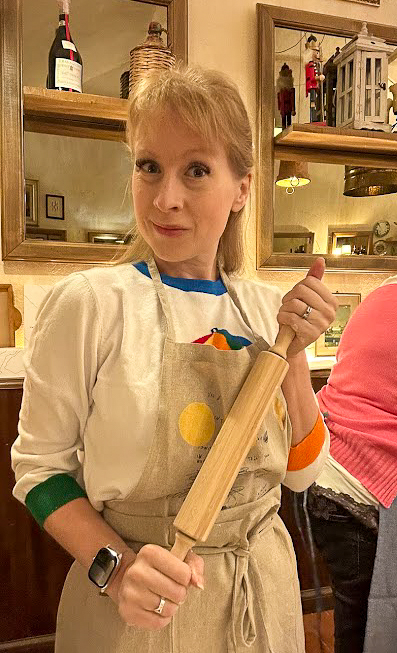
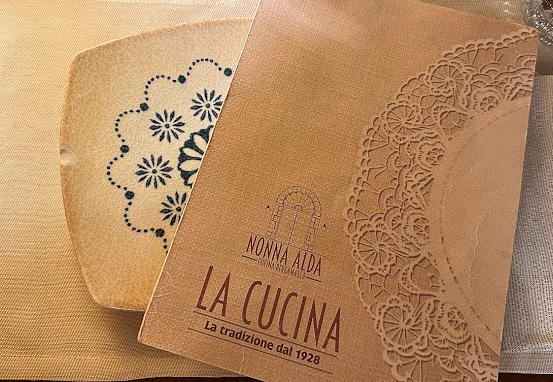
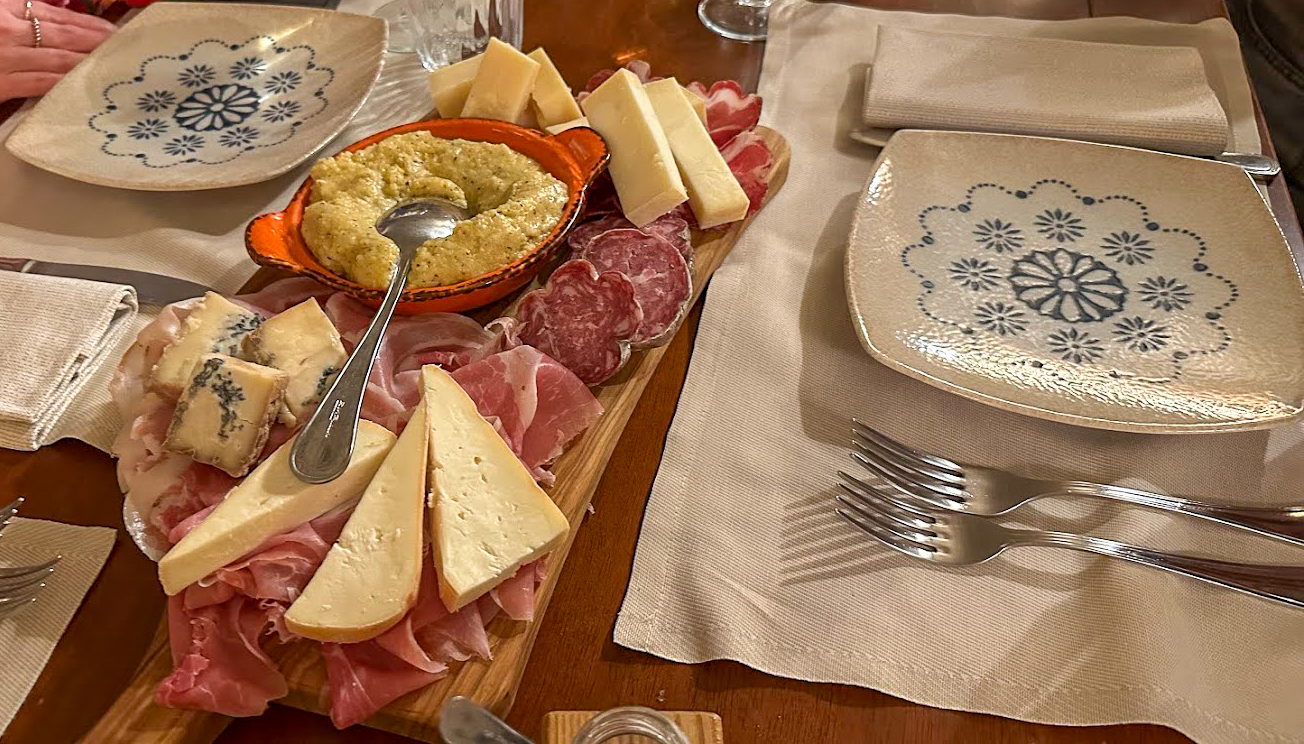
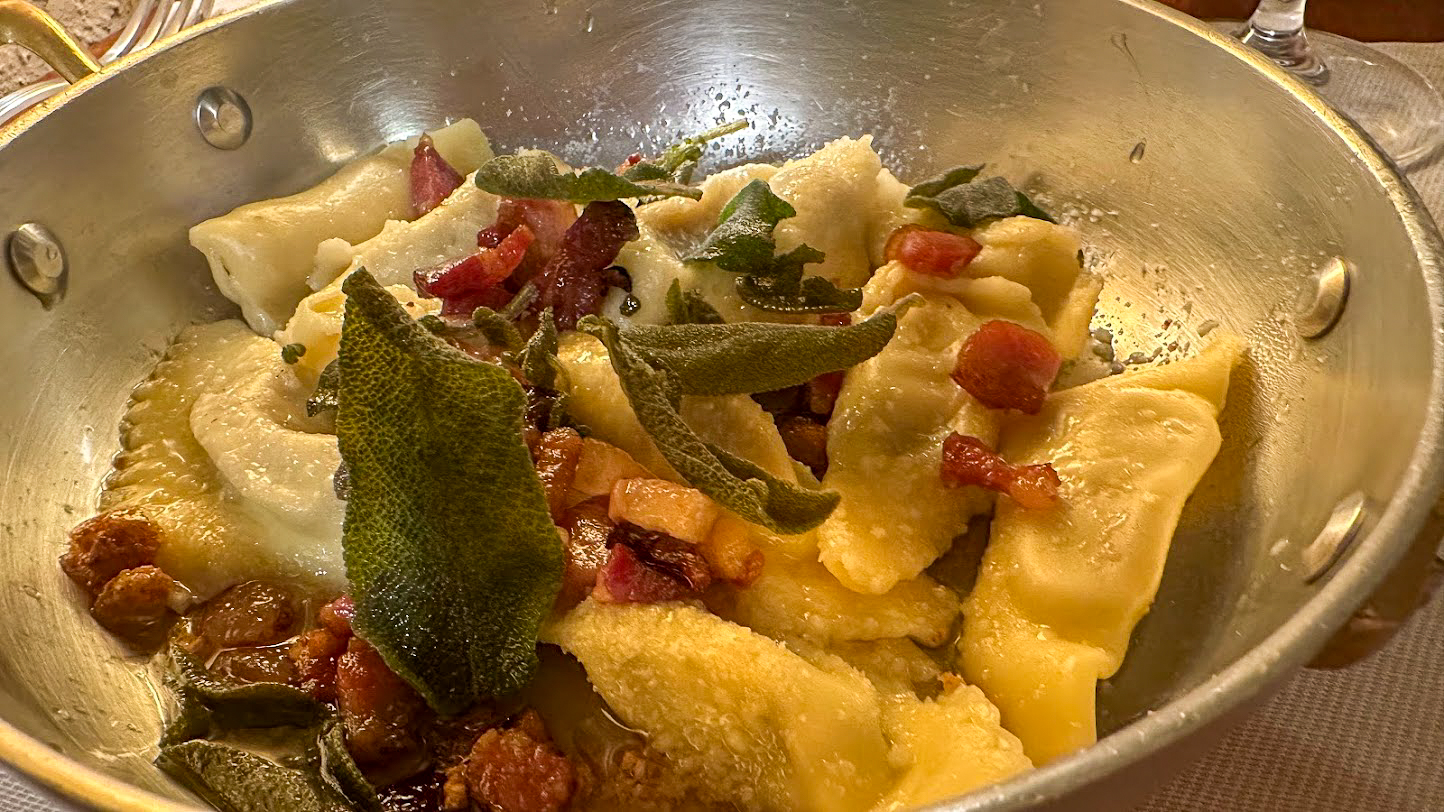
If you like to cook as well as eat, then make sure you sign up for a pasta lesson at Nonna Alda. This relaxed and enjoyable cookery lesson will teach you how to make casoncelli, the meat-stuffed pasta that originated in the villages around Bergamo, dating back hundreds of years. Take it from a pretty bad cook, this class was really fun, and it is incredible to learn how easy it is to make pasta from scratch! Plus, you don’t have to clean up the kitchen at a cookery class, so its great place to try mixing flour on a flat surface for the first time. You can take your pasta away to cook at your accommodation (so make sure you book a place with a kitchen if this is your plan). Alternatively, you can book a meal at Nonna Alda and have casoncelli made by an expert alongside loads of other absolutely delightful local dishes.


Peschiera del Garda – Where History Meets the Lake
Laidback lakeside living gives Peschiera del Garda its modern pace, but it was not always this chilled out. Once a strategic fortress town, its star-shaped Venetian walls still wrap around the historic centre, a reminder of its military past. Today, those same canals and ramparts are framed by cafés, bike paths and sparkling views across Lake Garda, making it one of the most relaxed gateways to the lake.
Join a Walking Tour
The tourist information shop at Piazzale Betteloni is the best place to start in the town. They run both hosted walking tours and audio tours for more independent travellers. This is the best way to see the city and learn the history behind the walls. From here, you can follow the Venetian fortifications as they curve around the water’s edge, with sections of the ramparts opening up to great views across Lake Garda. As you walk, the town’s history begins to unfold.
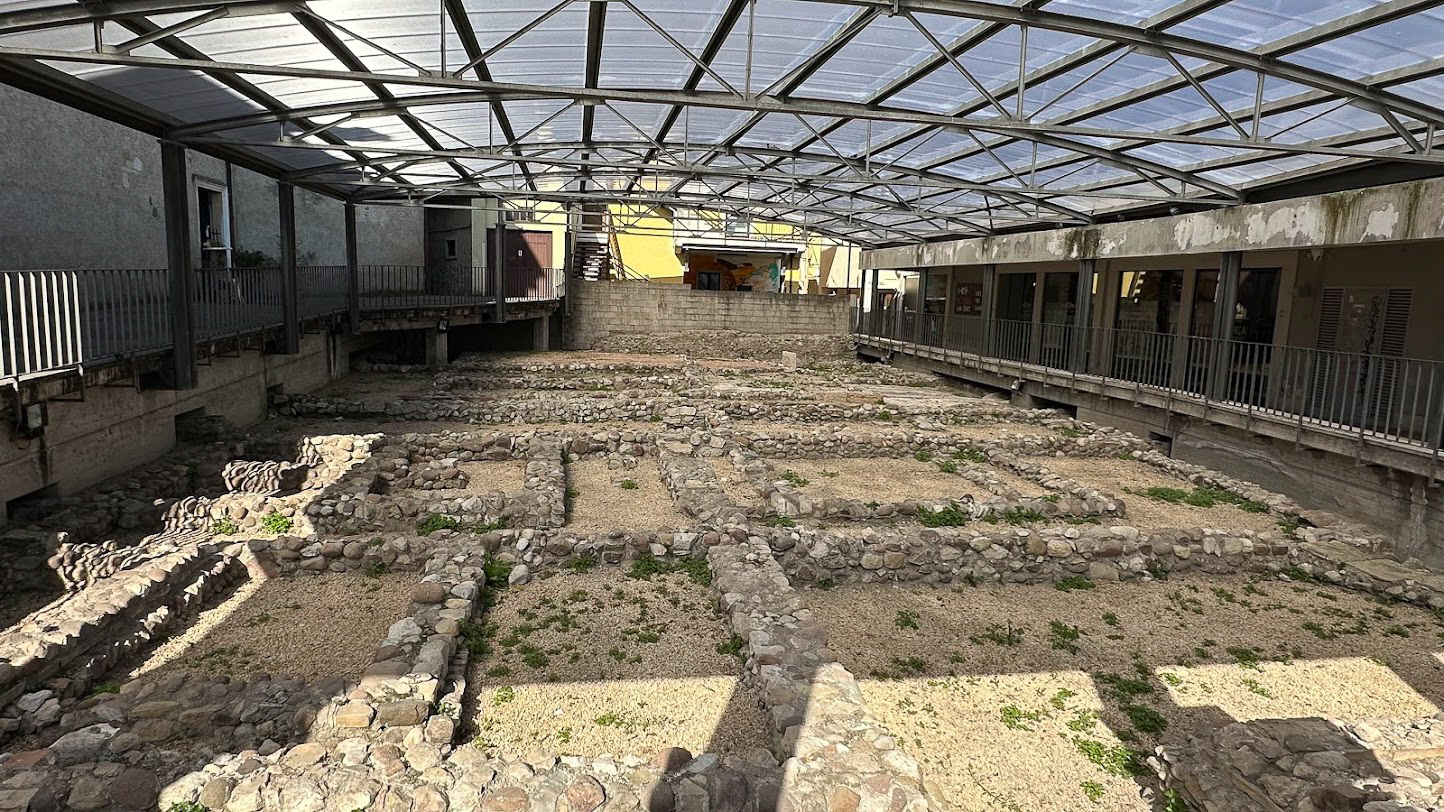
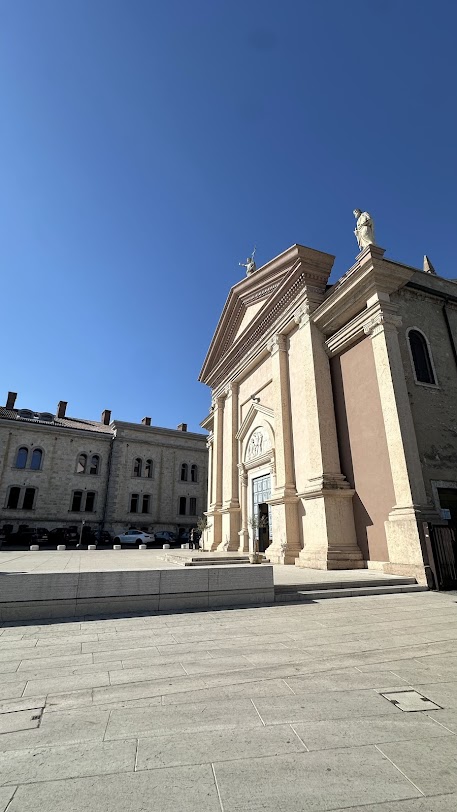
Just beyond the walls, you’ll find the remains of the Roman settlement, the Abitato Romano di Arilica, where foundations and mosaics from homes built over 2,000 years ago are free to peek at from the street above. Next door, the Parish Church of San Martino Vescovo is worth a quick stop, even if the interior is relatively simple, thanks to a beautifully restored fresco above the altar.
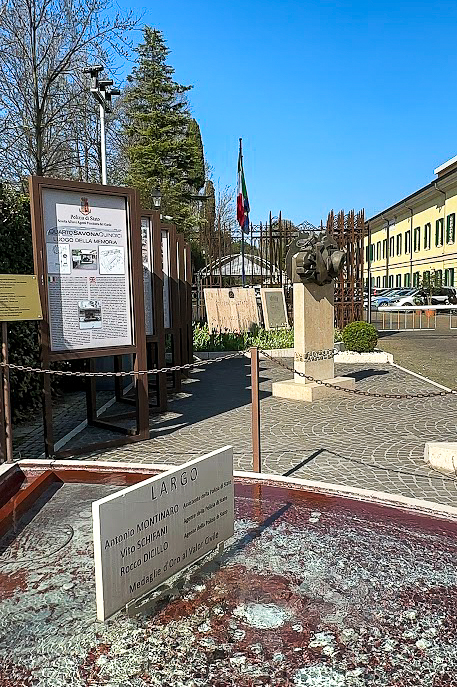
Across the Ponte dei Voltoni, you will come across the old soldiers’ barracks, the Caserma d’artiglieria di Porta Verona. Don’t miss the moving memorial dedicated to the police who lost their lives in service, as well as the elegant pavilion nearby, home to elegant shops and cute cafes.
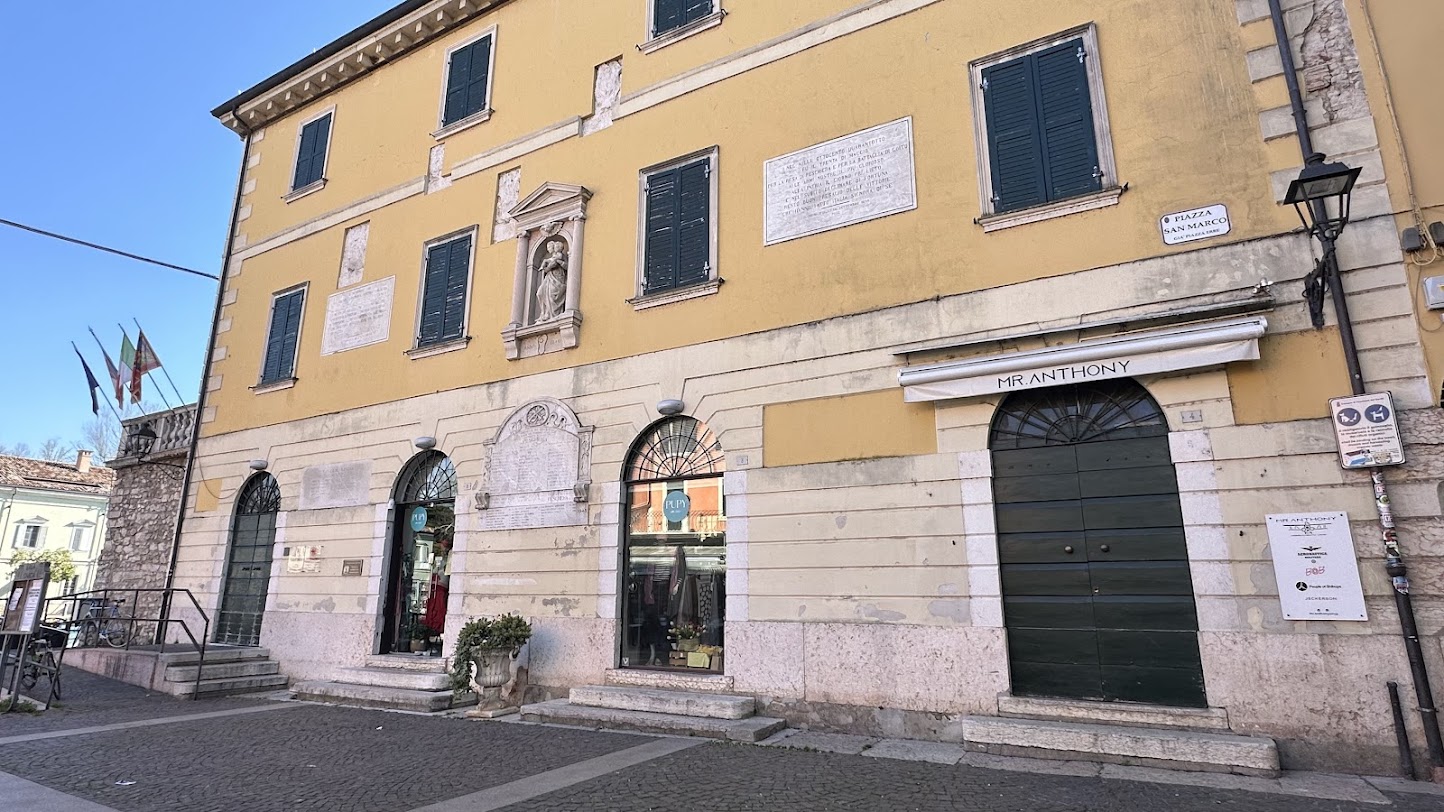
Relax at The Pavilion’s Cafes
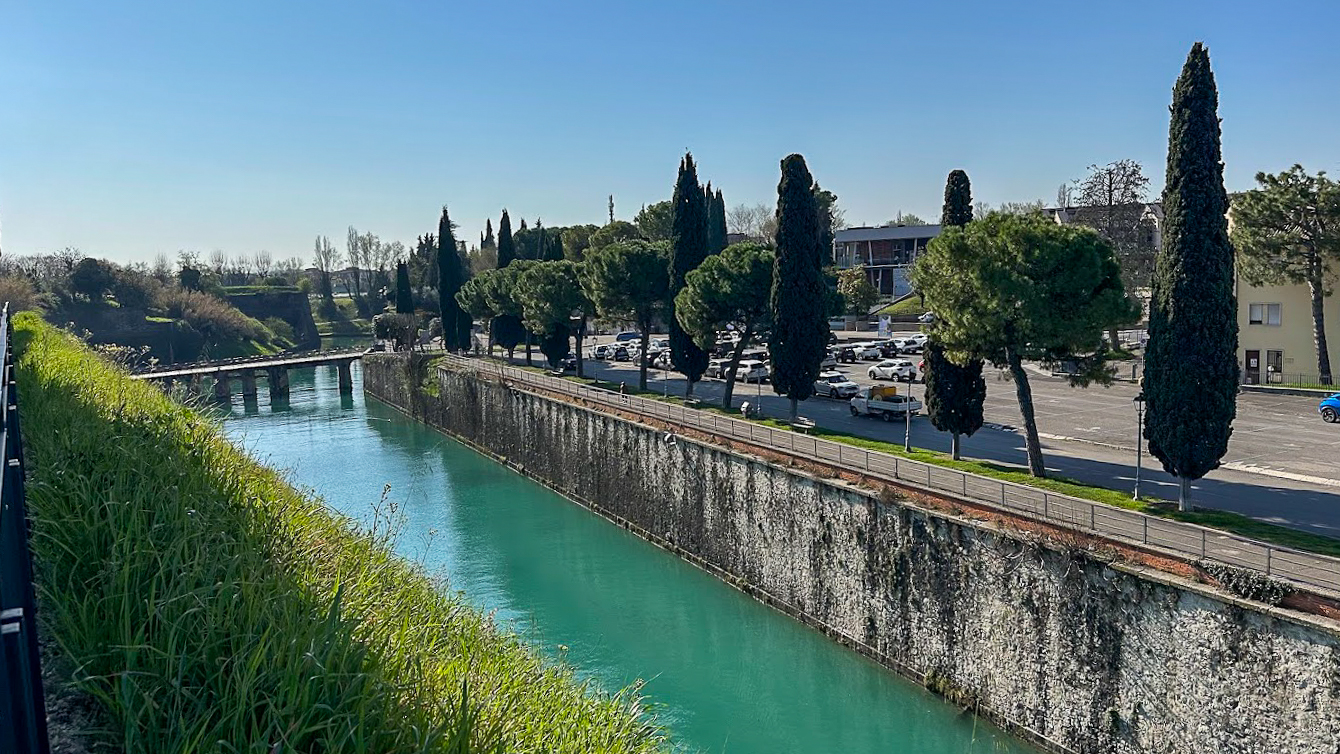
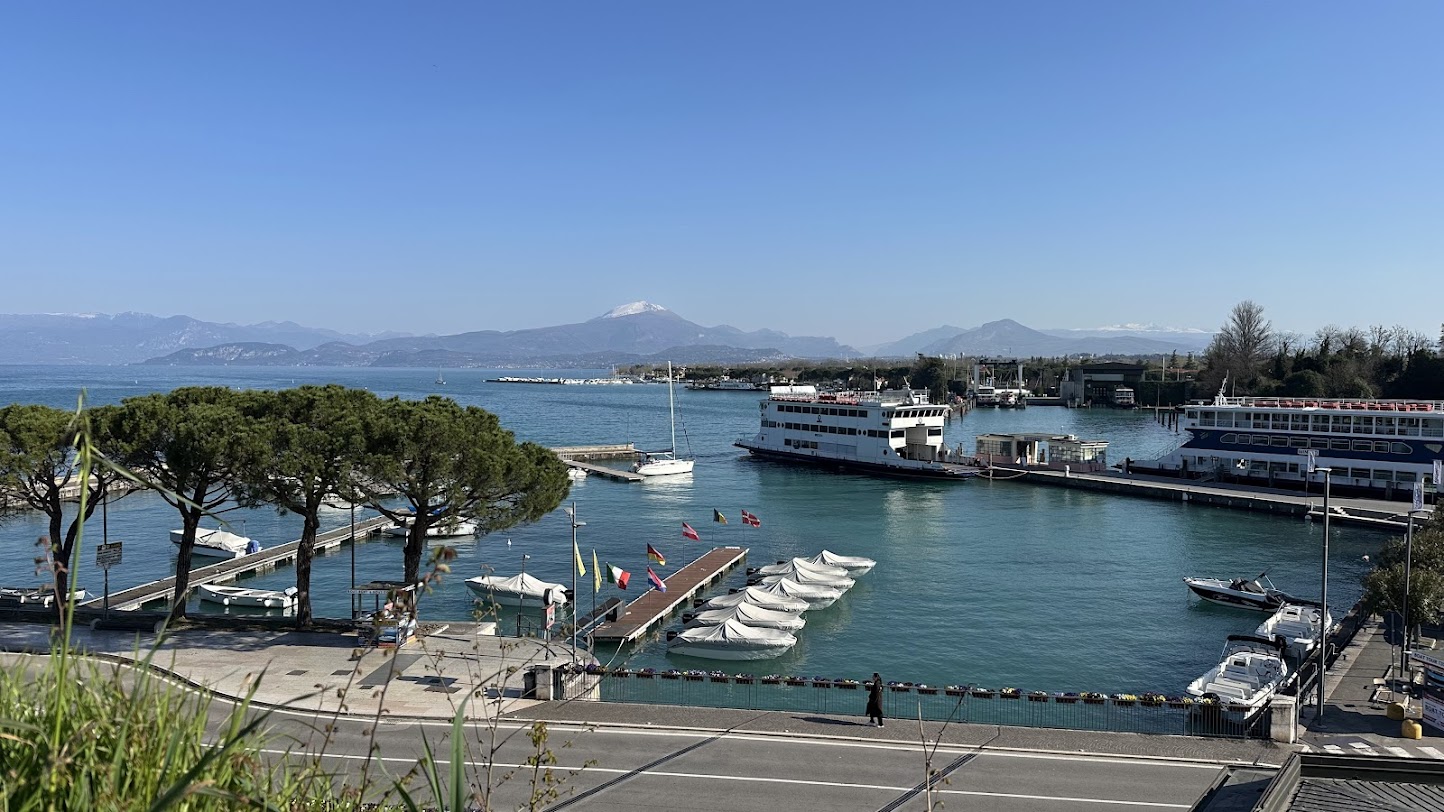
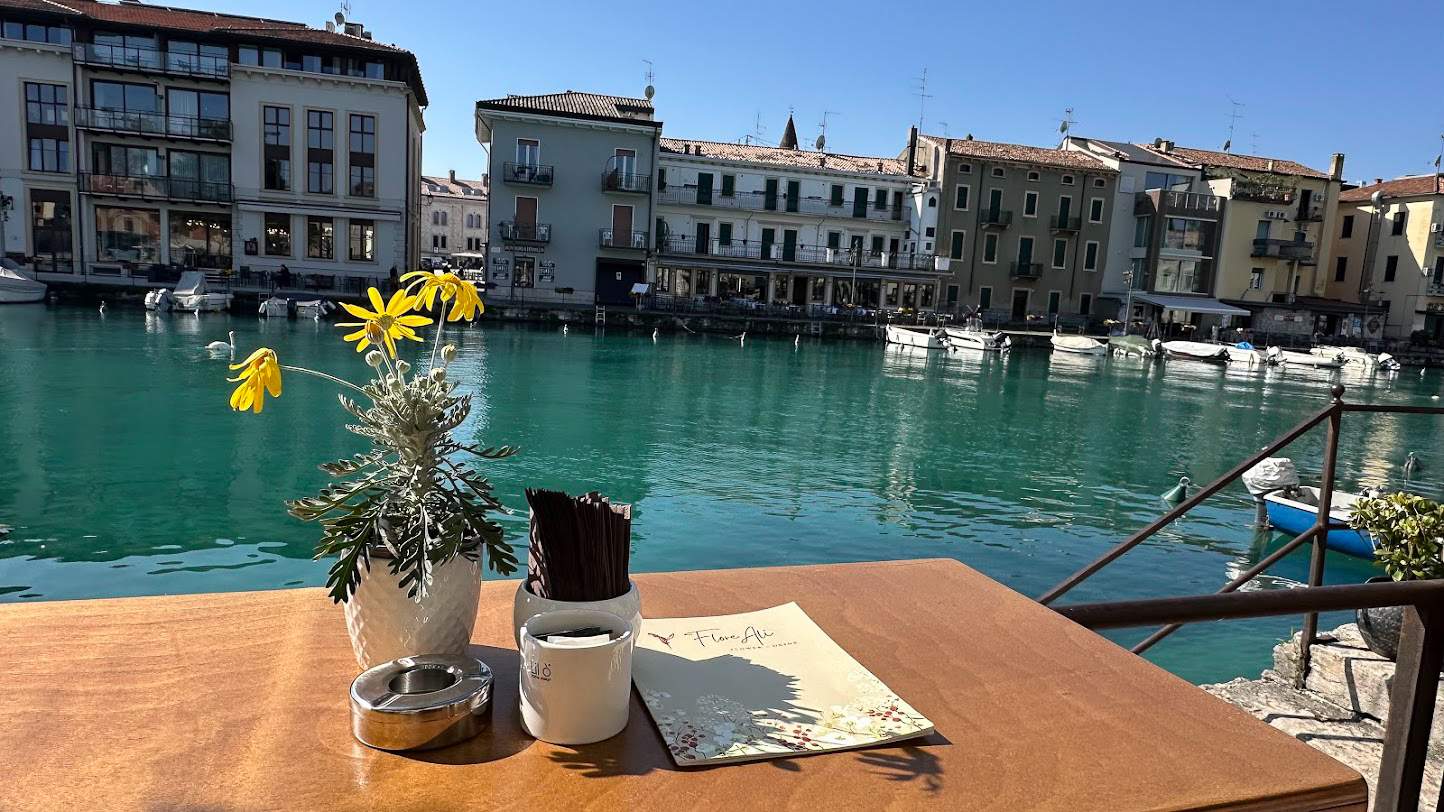
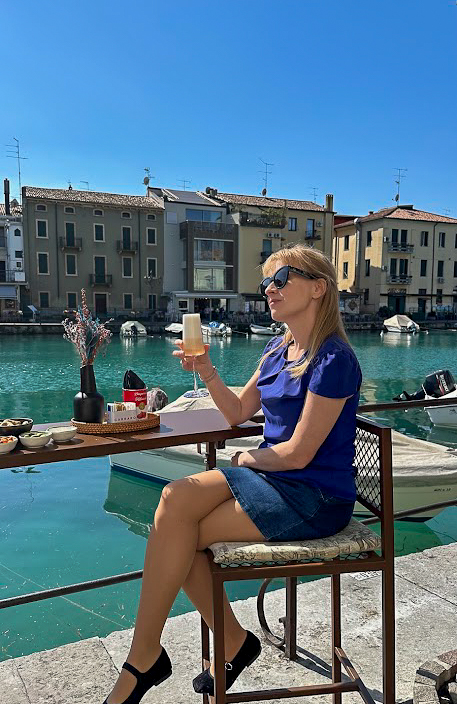
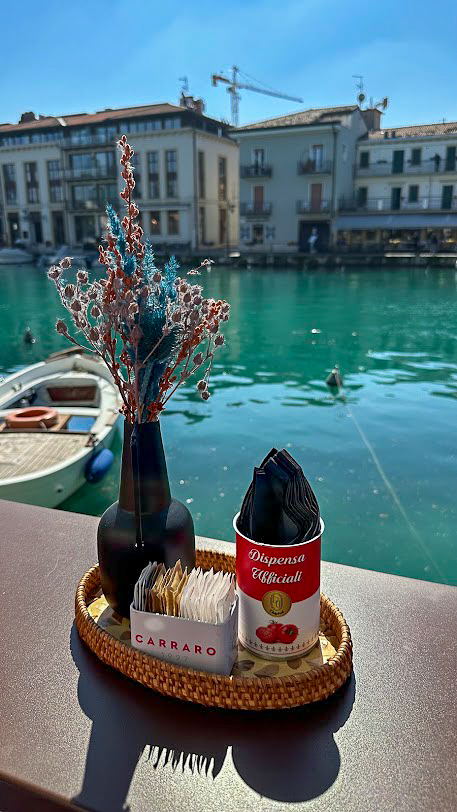
Speaking of those cafes, this is the perfect place to sit down and enjoy a coffee or an aperitivo. The Pavilion’s waterside edge is lined with cafes, bars and restaurants, all with high tables that overlook the dazzling blue water. Take a stroll along and pick the one with the menu that takes your fancy (or has a spare seat). Floreali is both a florist and the most Instagrammable cafe of the bunch…pun intended. Inside is obviously full of floral delights, but they even have cute flowers on their outdoor tables. Dispensa Ufficiali is a tapas bar with a delectable house bellini with cognac, peach and raspberry. Our other favourite is La Bottega, a deli with incredible charcuterie boards to linger over. Of course, they all do a mean spritz, so if that’s what you are after, you can take your pick.

Take to the Water
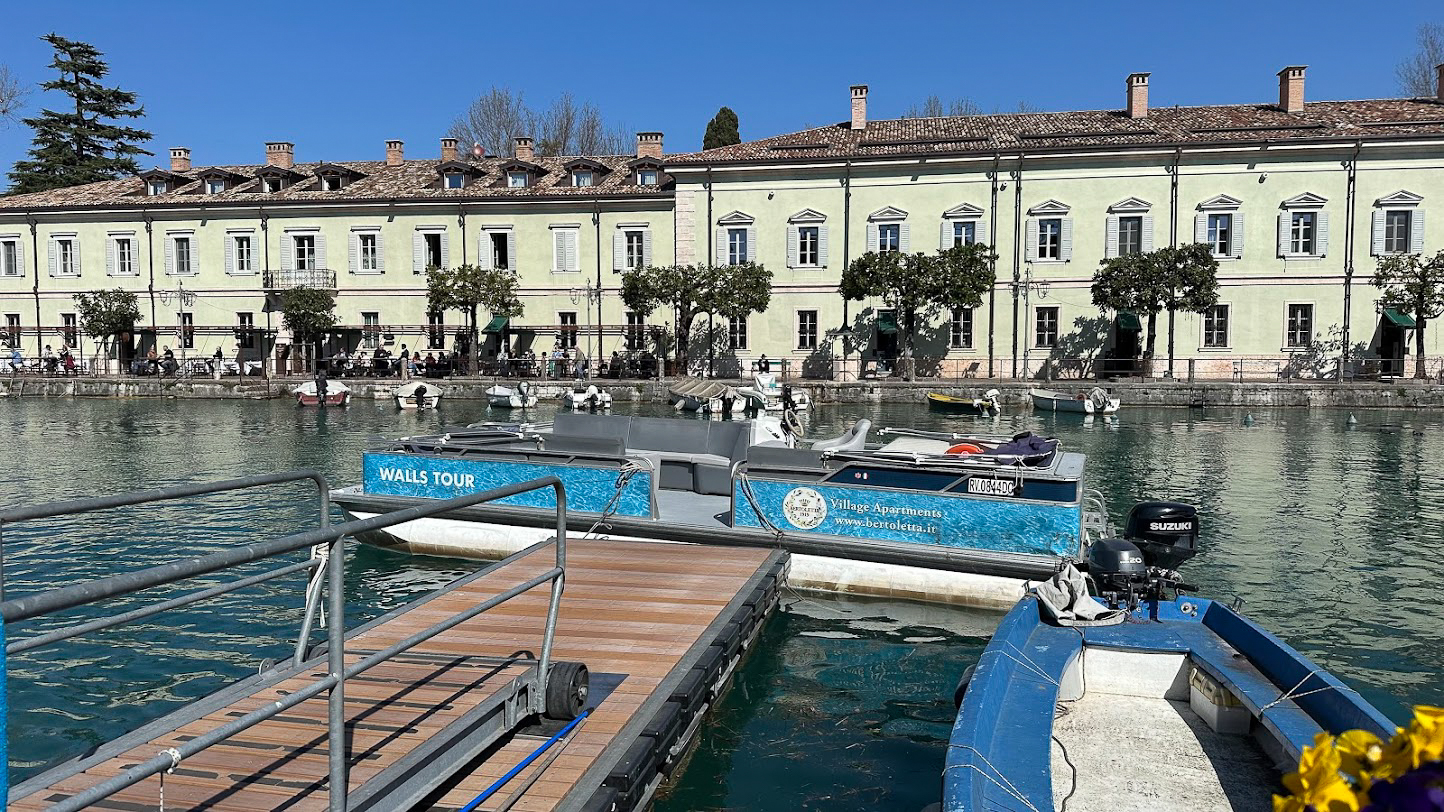
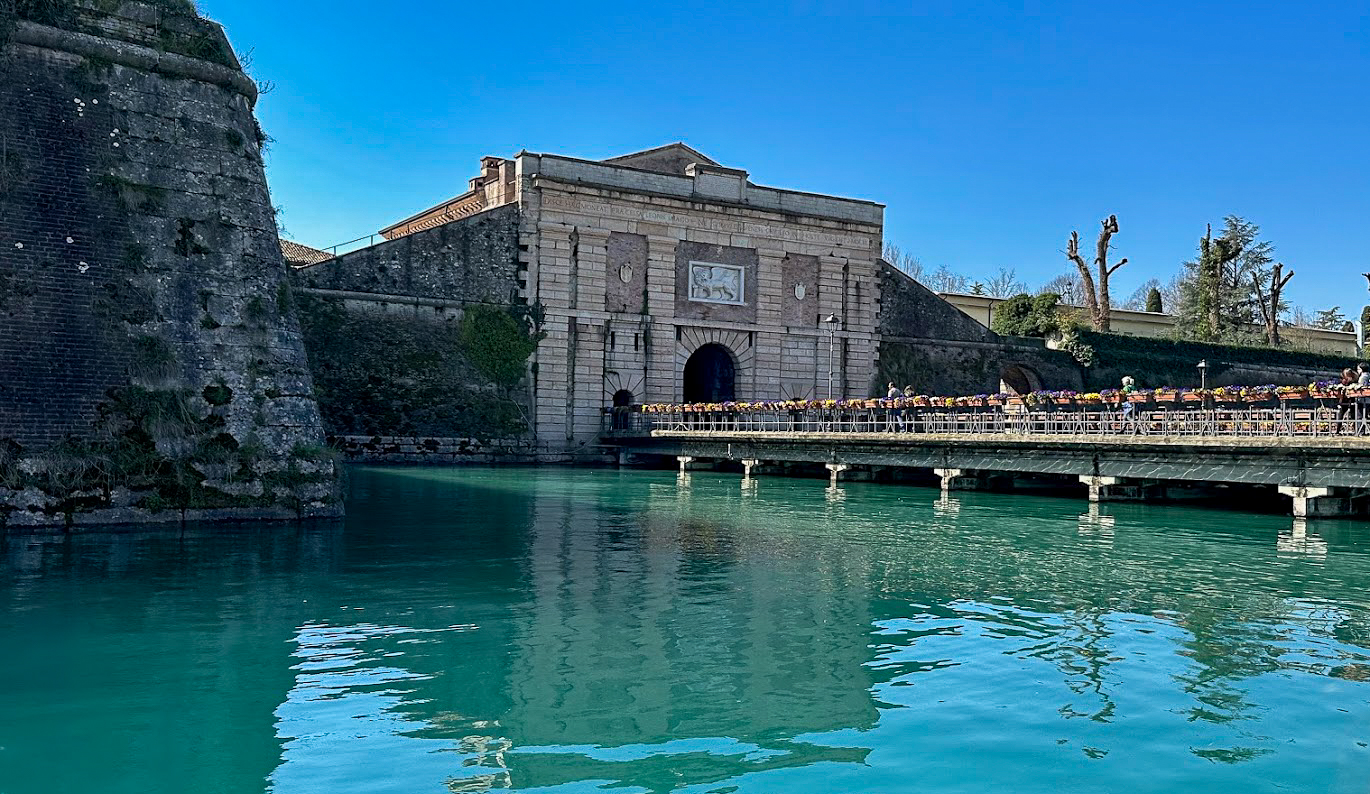
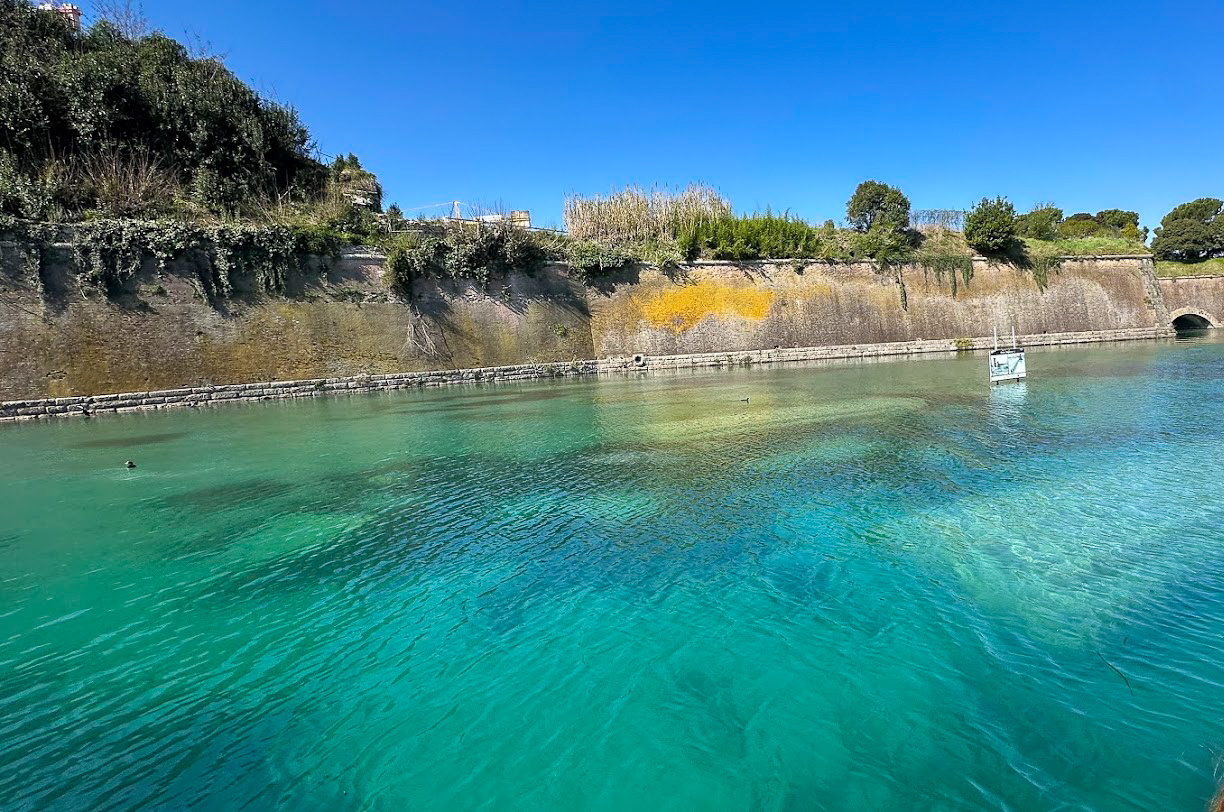
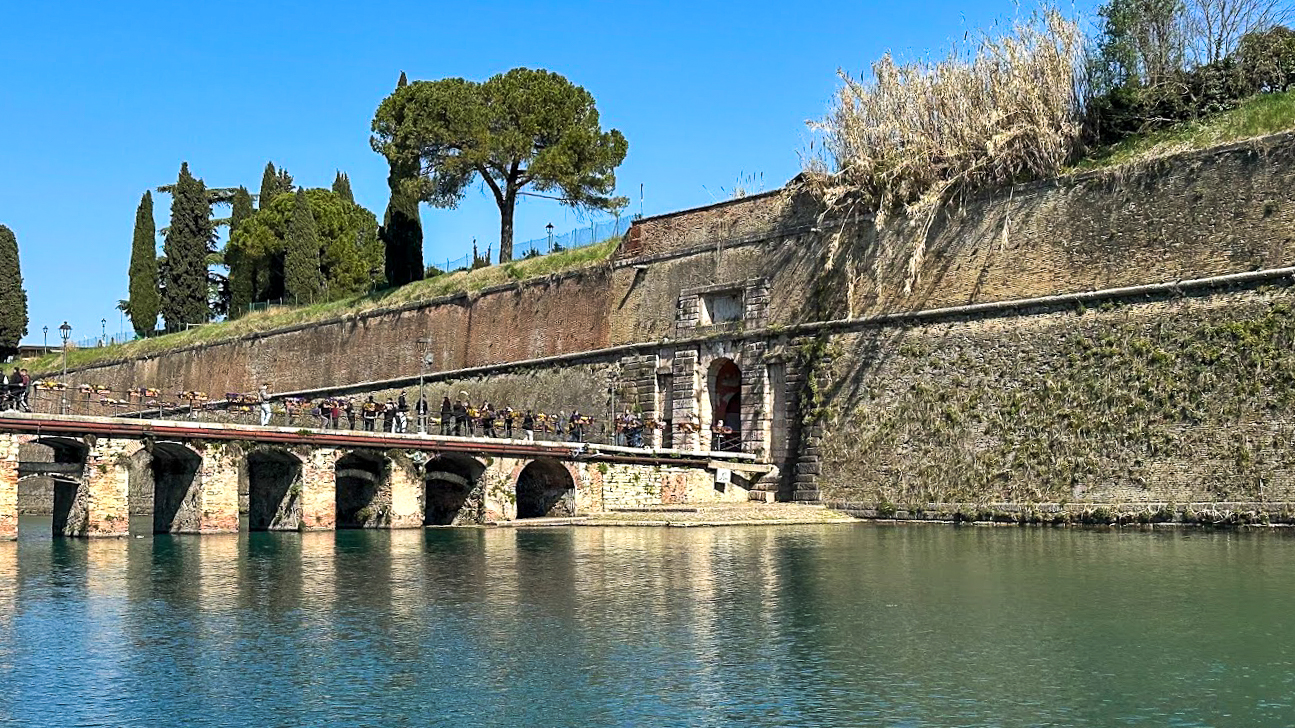
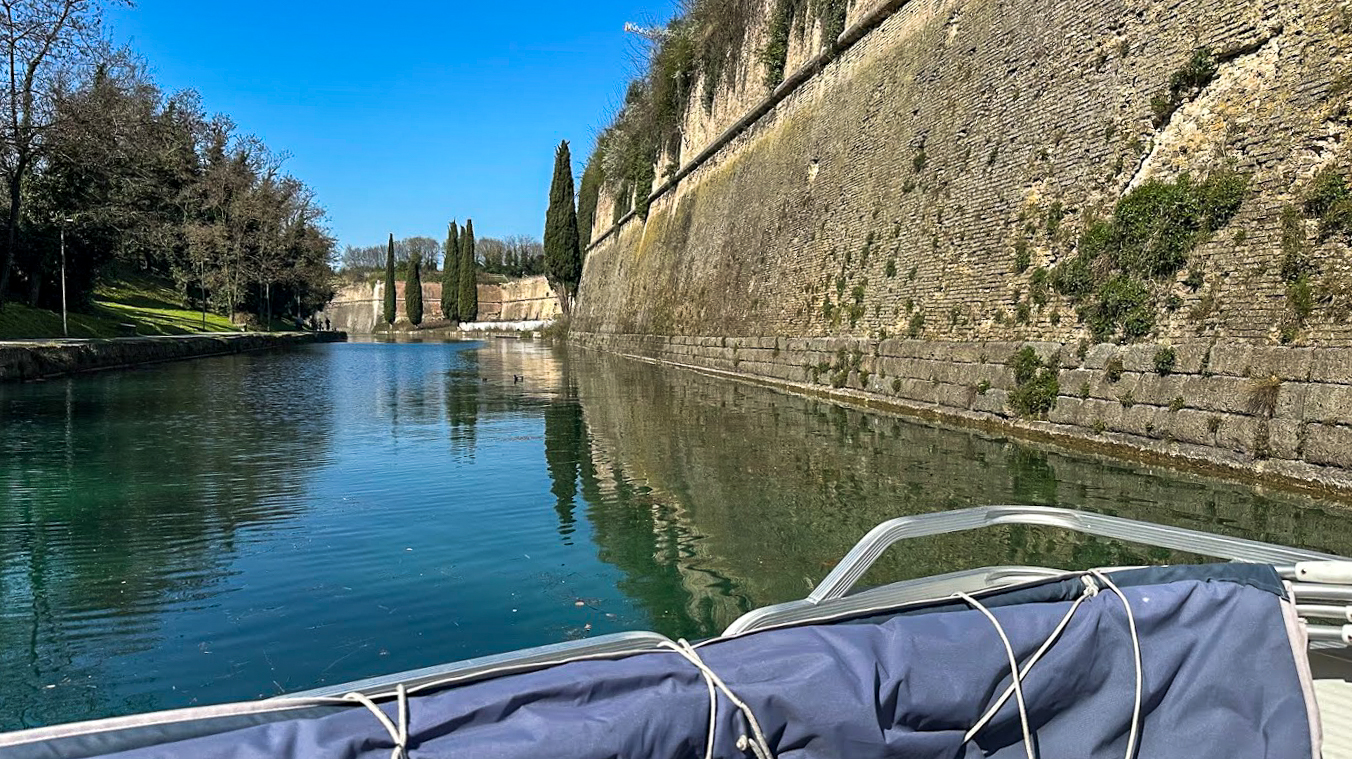
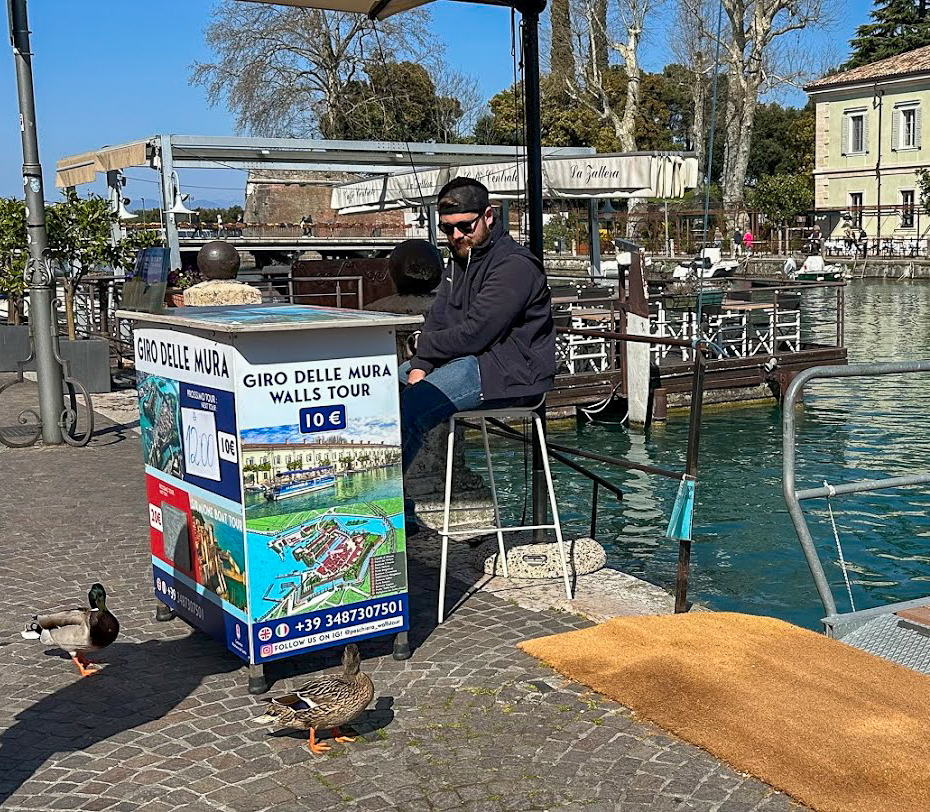
Peschiera del Garda is surrounded by water and as such, they do a good line in boat rides. A 30 minute trip around the fortress walls offers a different perspective, as well as a lovely excuse to relax. As you bob along, be sure to keep an eye out for the underwater foundations of the ancient Ponte Belgioioso, which, before 1550, connected the Scaligero castle to the mainland. The Venetians redesigned the area into a fortress and destroyed the bridge. Don’t worry, they built a couple of nice gates to make up for it, the most magnificent of which is the Porta Verona with its winged lion, also visible from the canals.

Visit a Vineyard for Some Wonderful Wine
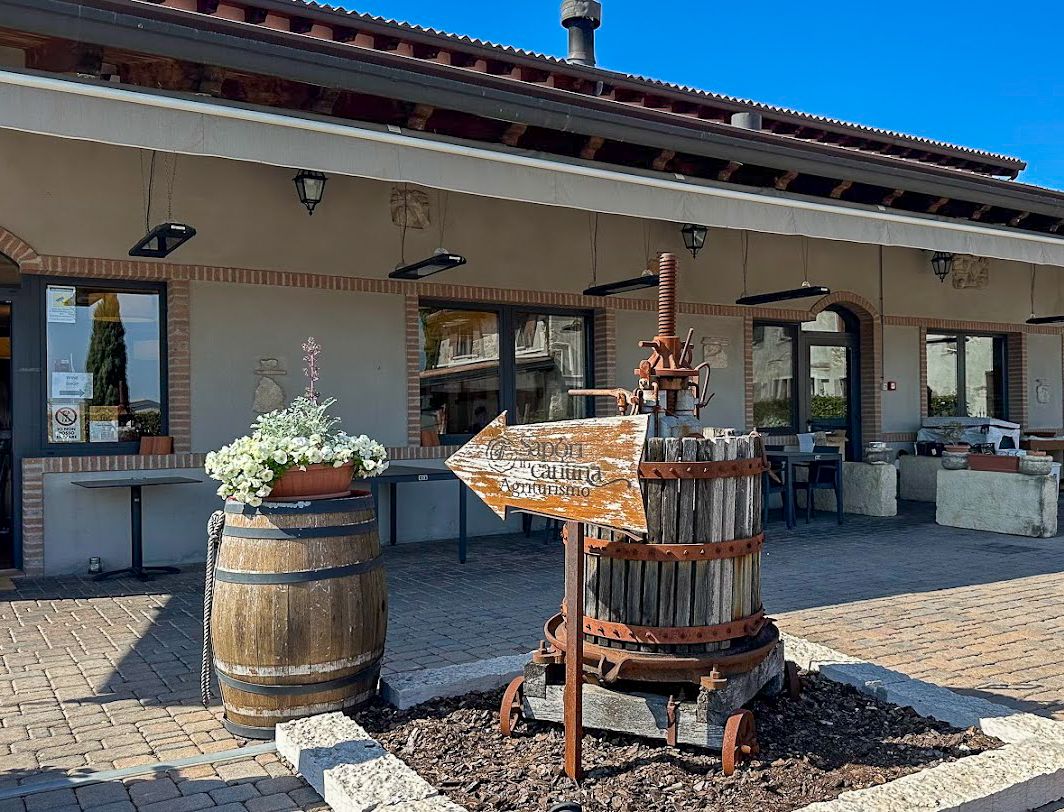
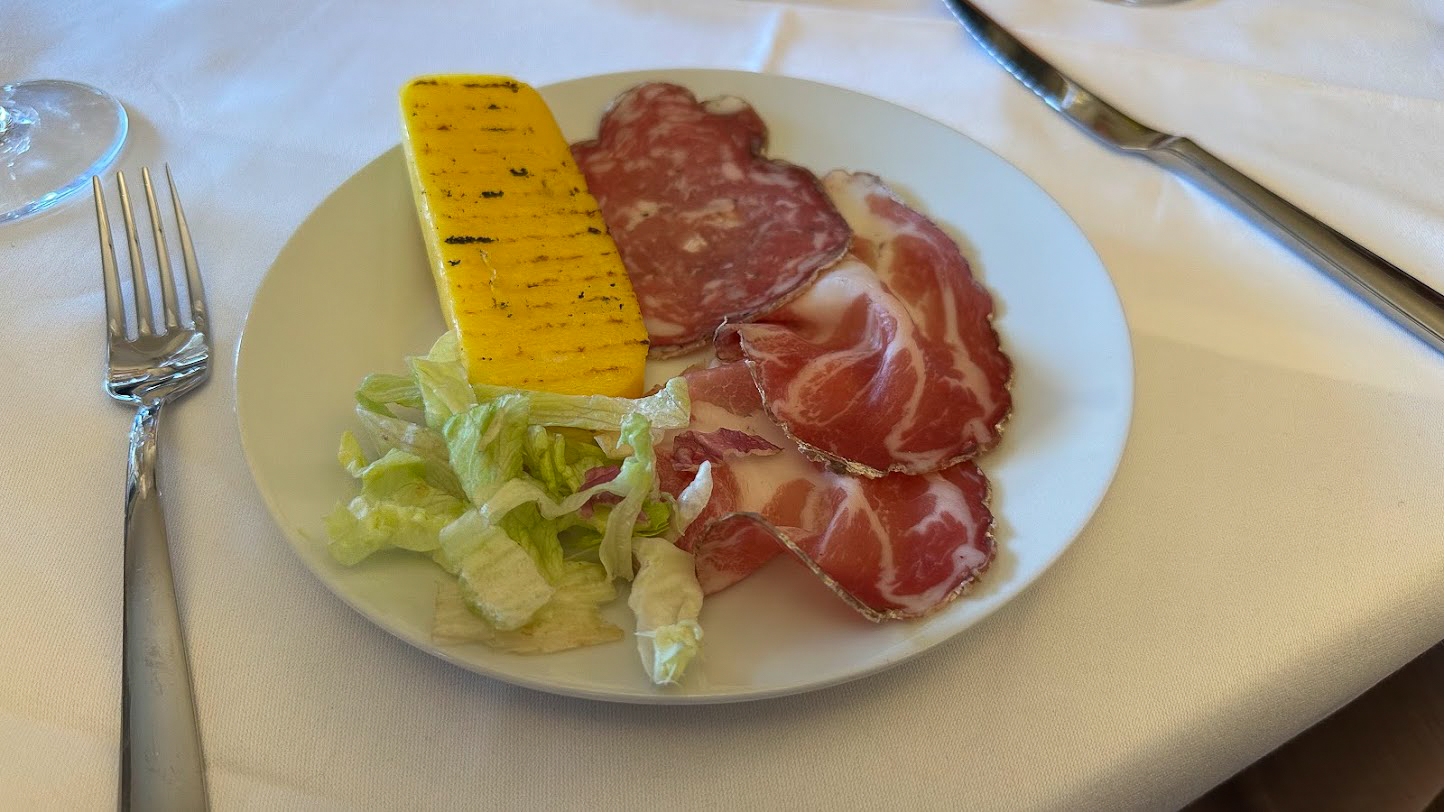
Peschiera del Garda is a fantastic base for exploring the area’s vineyards. You’ll be surrounded by the Lugana wine region, famous for its fragrant white wines, while the Bardolino area, just a short trip away, is celebrated for its easy-drinking reds and rosés. To try some of these delicious drinks, head to Domenico Fraccaroli Winery. Here you can enjoy a wine tasting or opt for a meal in Sapori, their agriturismo restaurant, which comes with a wine pairing.

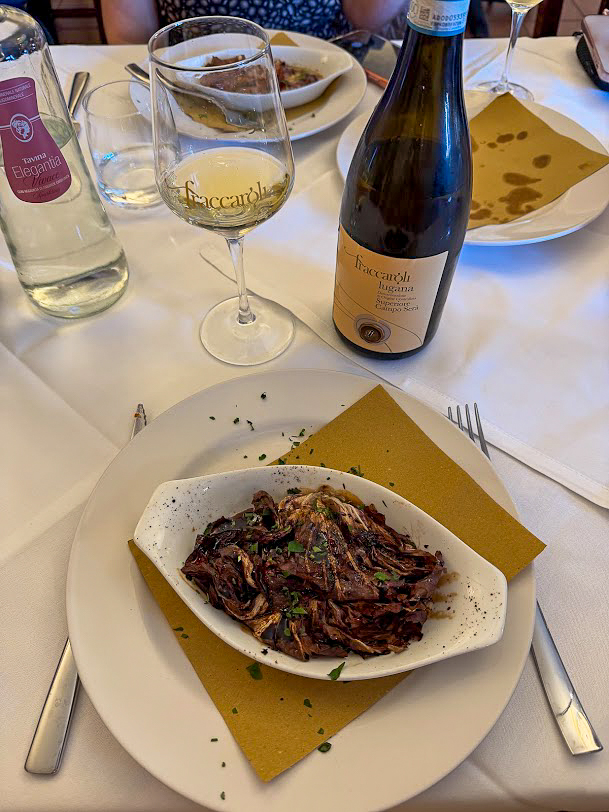
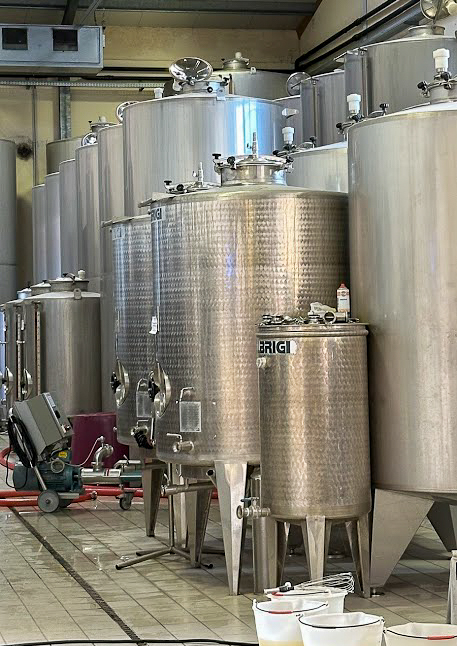
They also offer cellar tours, guiding guests through the story of the winery and some interesting details of the grapes and region. It also includes an intriguing look at their bottling plant too. It may not be as picturesque as the ageing barrels, but it’s a side of the winemaking process that isn’t usually included on these kinds of tours. Of course, you will exit through the gift shop, but when that means stocking up on a few bottles of crisp white wine, it is totally acceptable.


Palmanova – Italy’s Ideal Star-shaped City
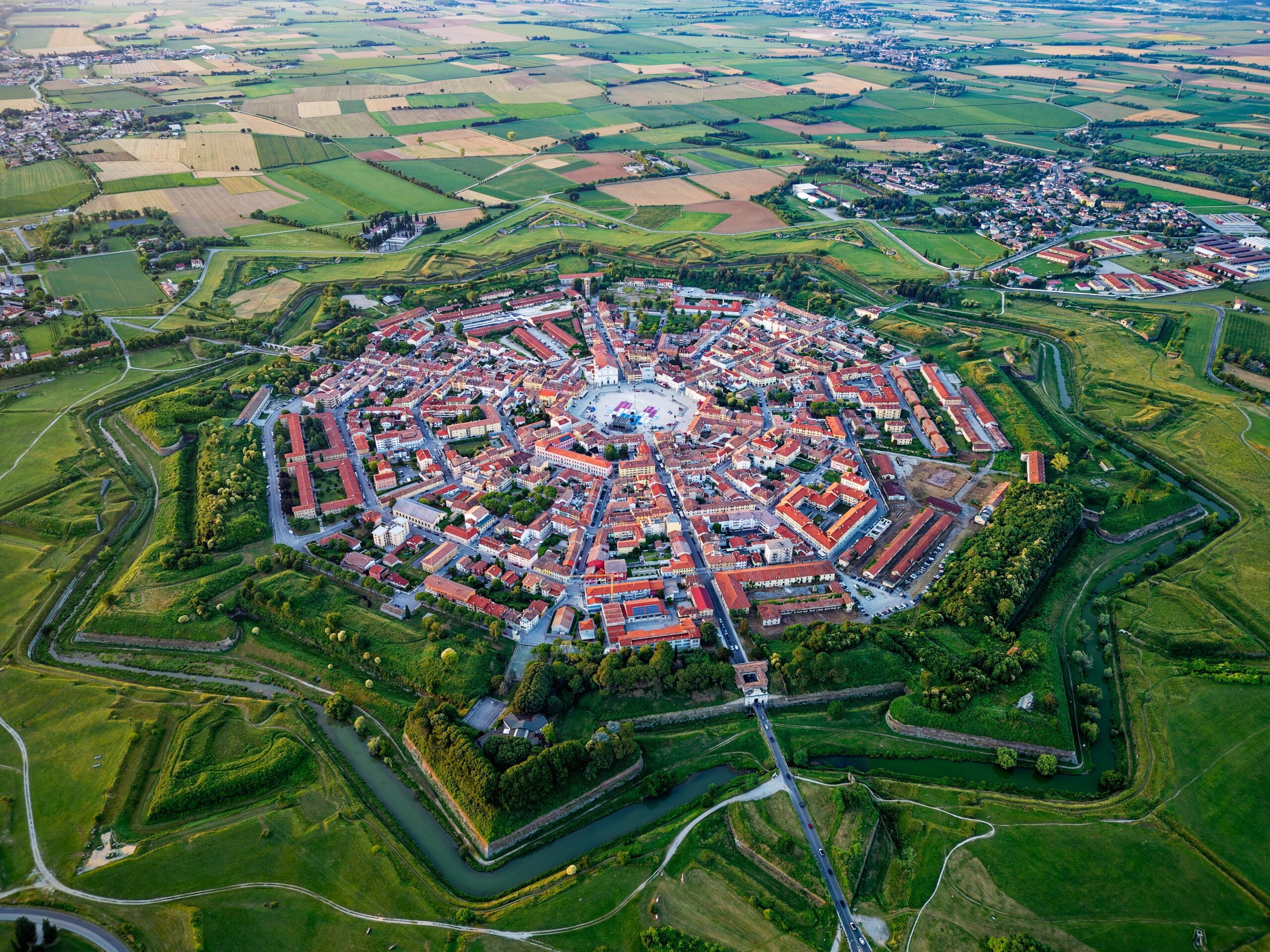
No, Palmanova is not just another small Italian town. Its perfectly symmetrical star-shaped design makes it one of the most unique places in the country, best appreciated from above, where the geometry really comes into its own. Compared to the organic sprawl of most historic towns, everything here feels perfectly precise. I wonder how difficult it is to furnish the properties in the city as the buildings are all at slightly odd angles to fit the architectural brief. It was once referred to as the “ideal city” thanks to its perfect planning and, perhaps surprisingly, the fact that it was never actually conquered, later coming under Napoleonic control and being expanded rather than destroyed. The military only left in 1995, which brought the population down to around 5,000 and left behind a remarkably quiet atmosphere for visitors today.
Walk the Walls
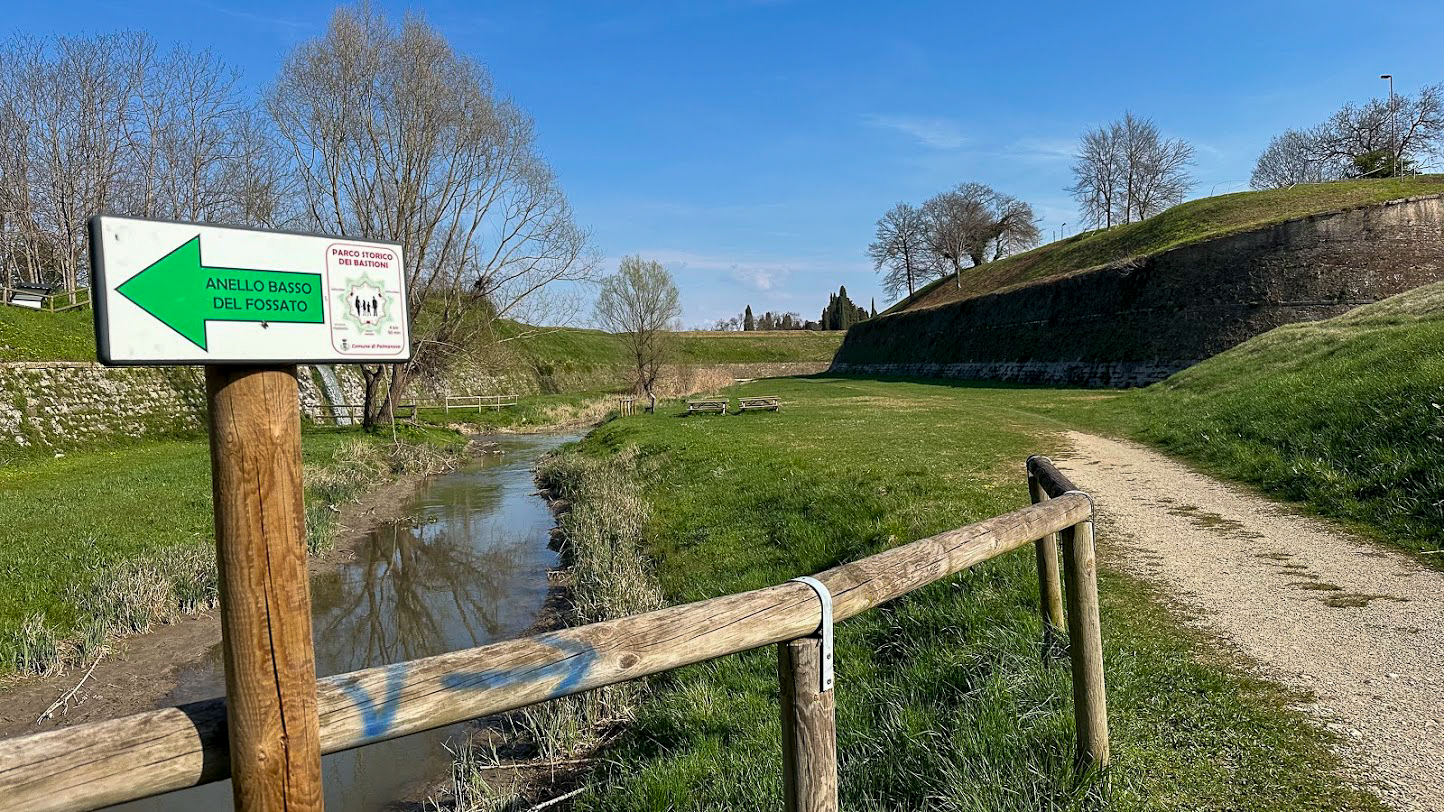
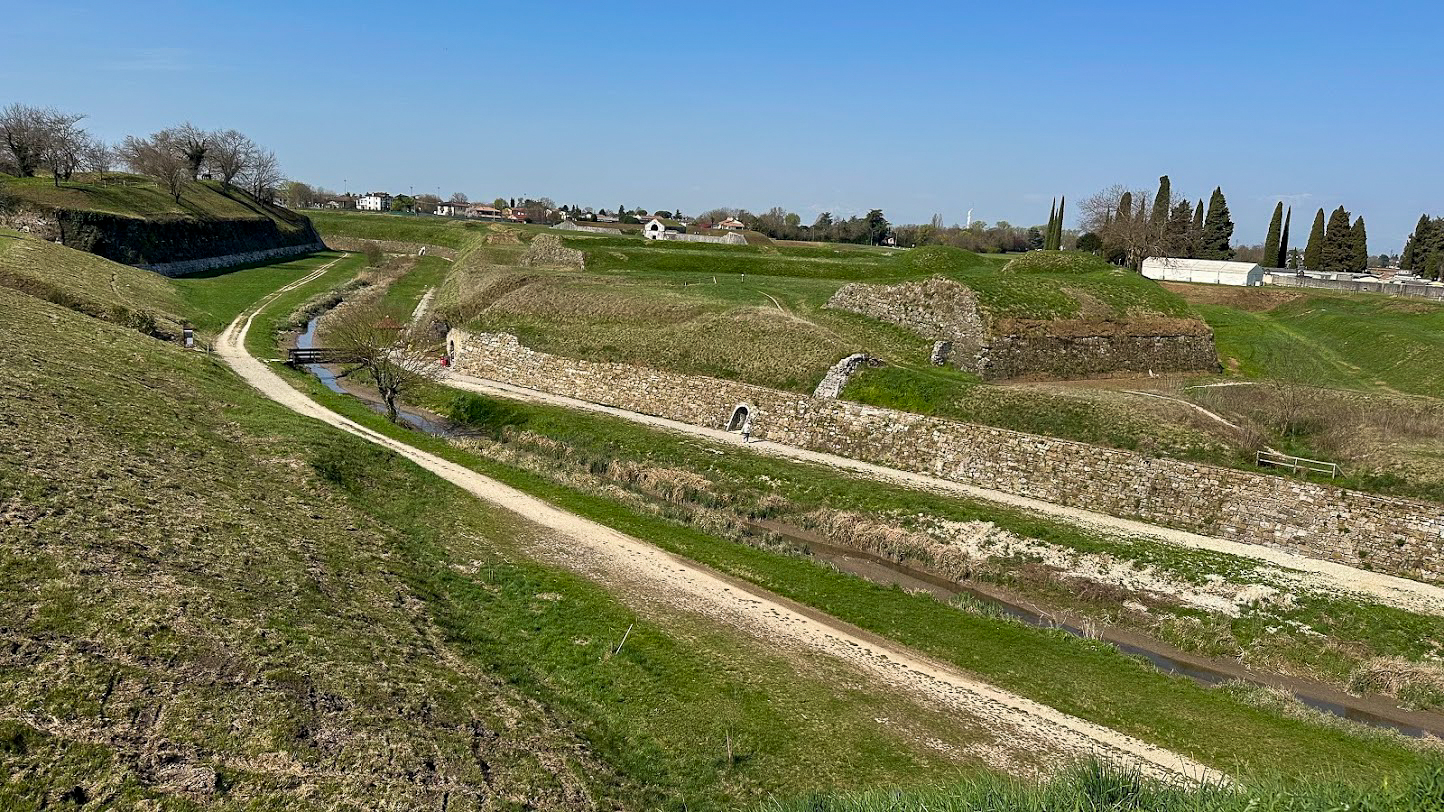
There is a trail that runs the whole way around walls of Palmanova, and it is a popular place to take a walk or go for a run. With the imposing walls on one side and grassy hillocks on the other, it’s a pleasant view and a real contrast from the streets inside. It takes around an hour to walk the whole path, with a little added time to enter the tunnels and ramparts that are available to explore. Don’t miss the three mighty main gates, which all date back to the early 1600s. Especially cool is Porta Udine which houses two giant wooden wheels that were used to raise and lower a drawbridge. Pack a little picnic and stop at one of the benches along the way, or lay out a blanket on the grass, for a foodie break along the way. There are a few small, artisan shops in town to pick up the most delectable nibbles.

Go Below in the Countermine Galleries
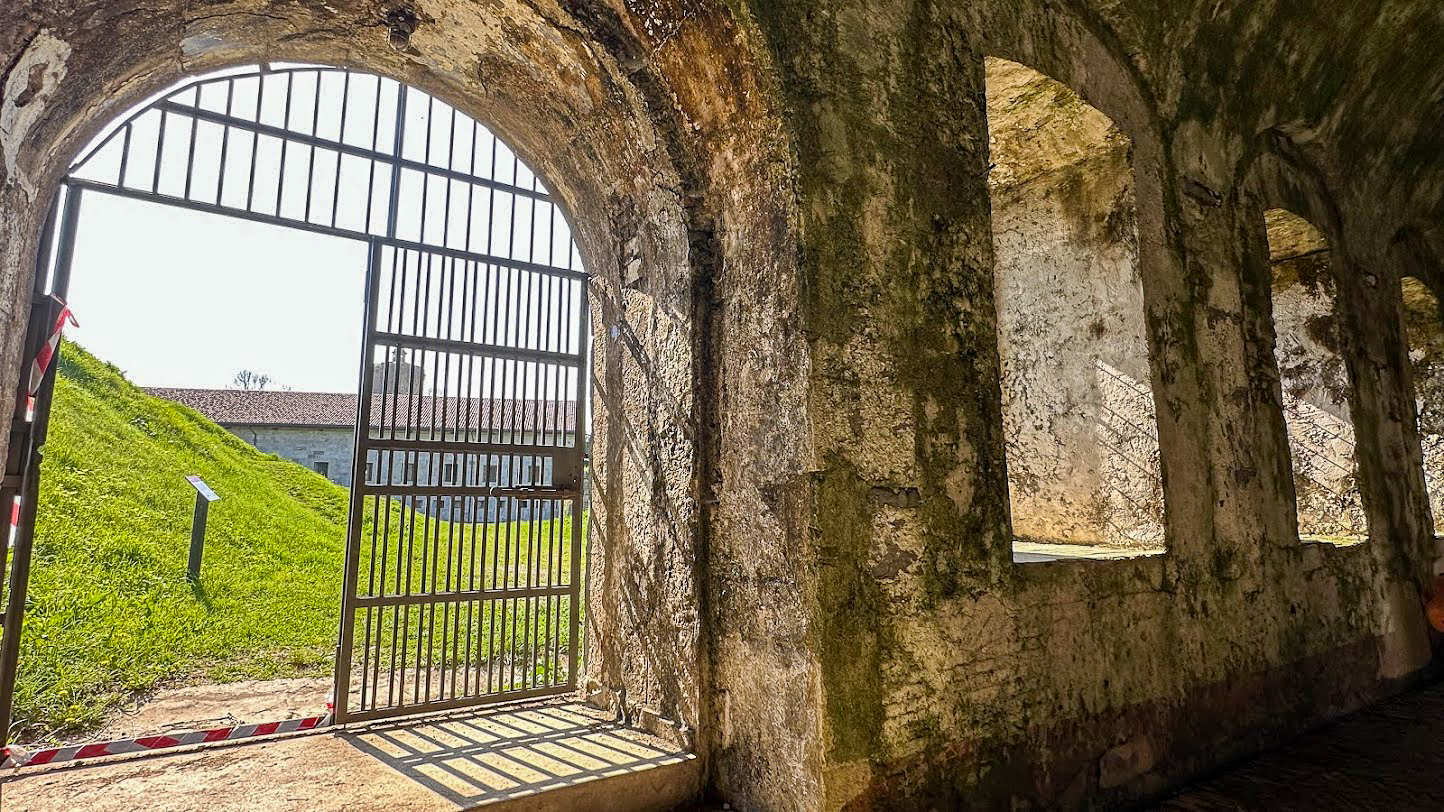
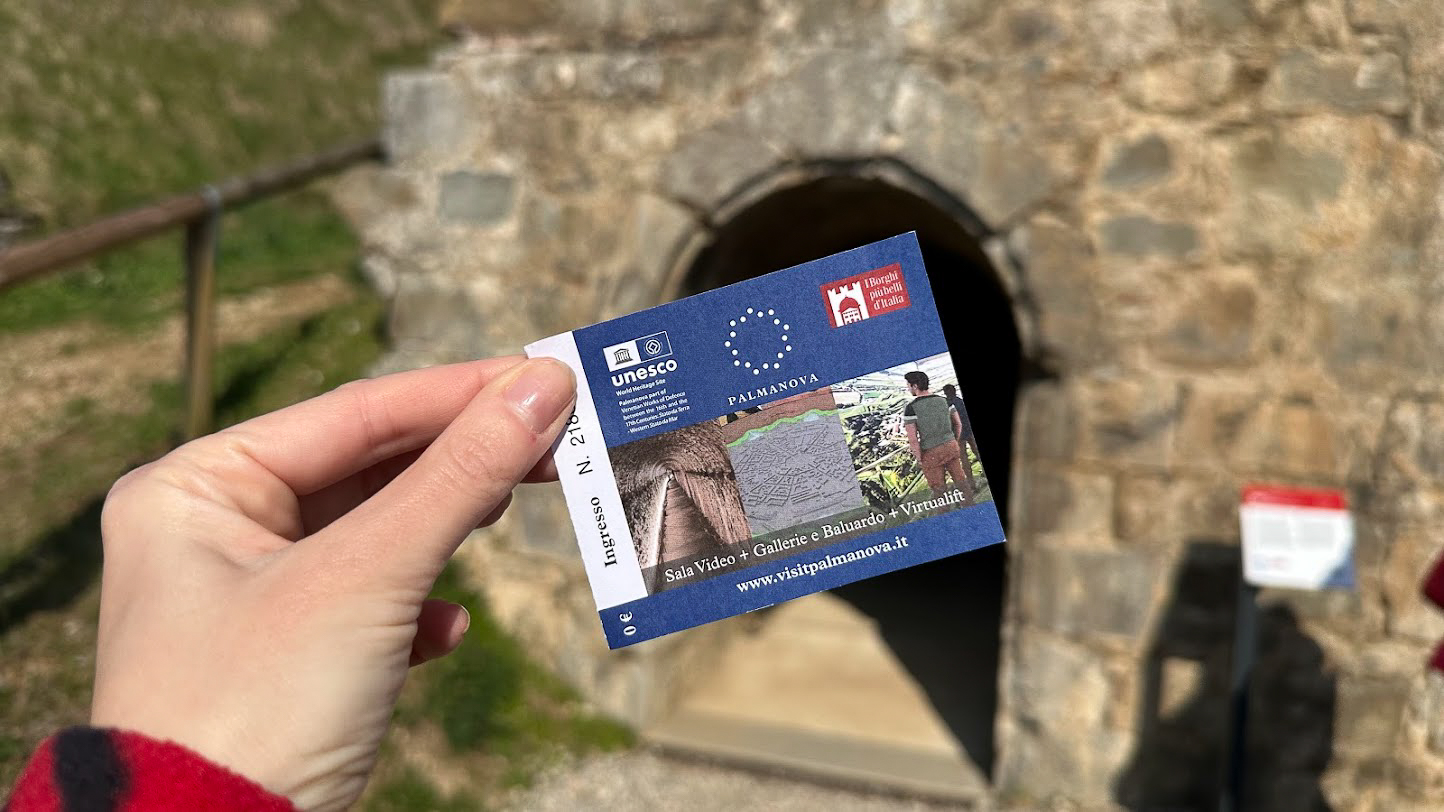
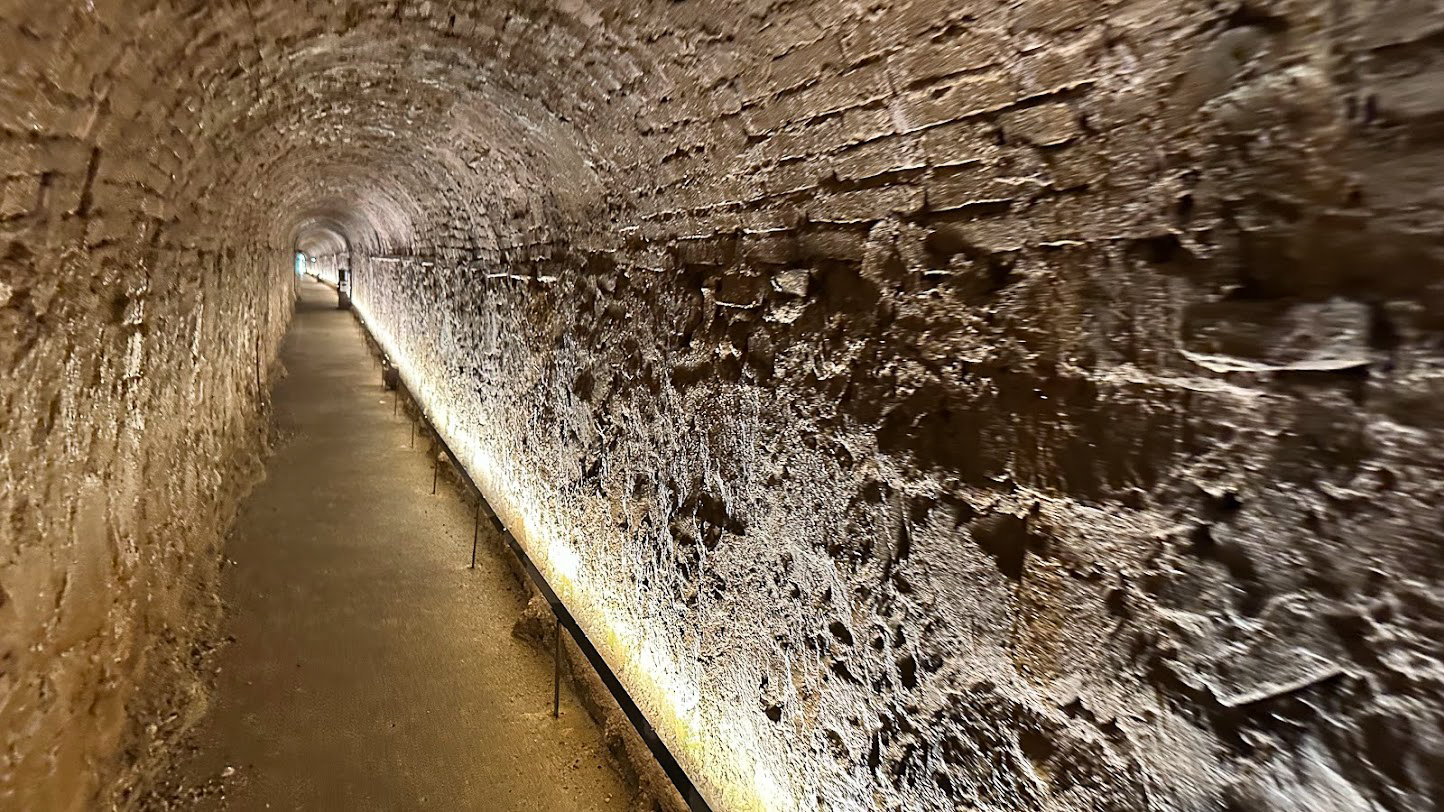
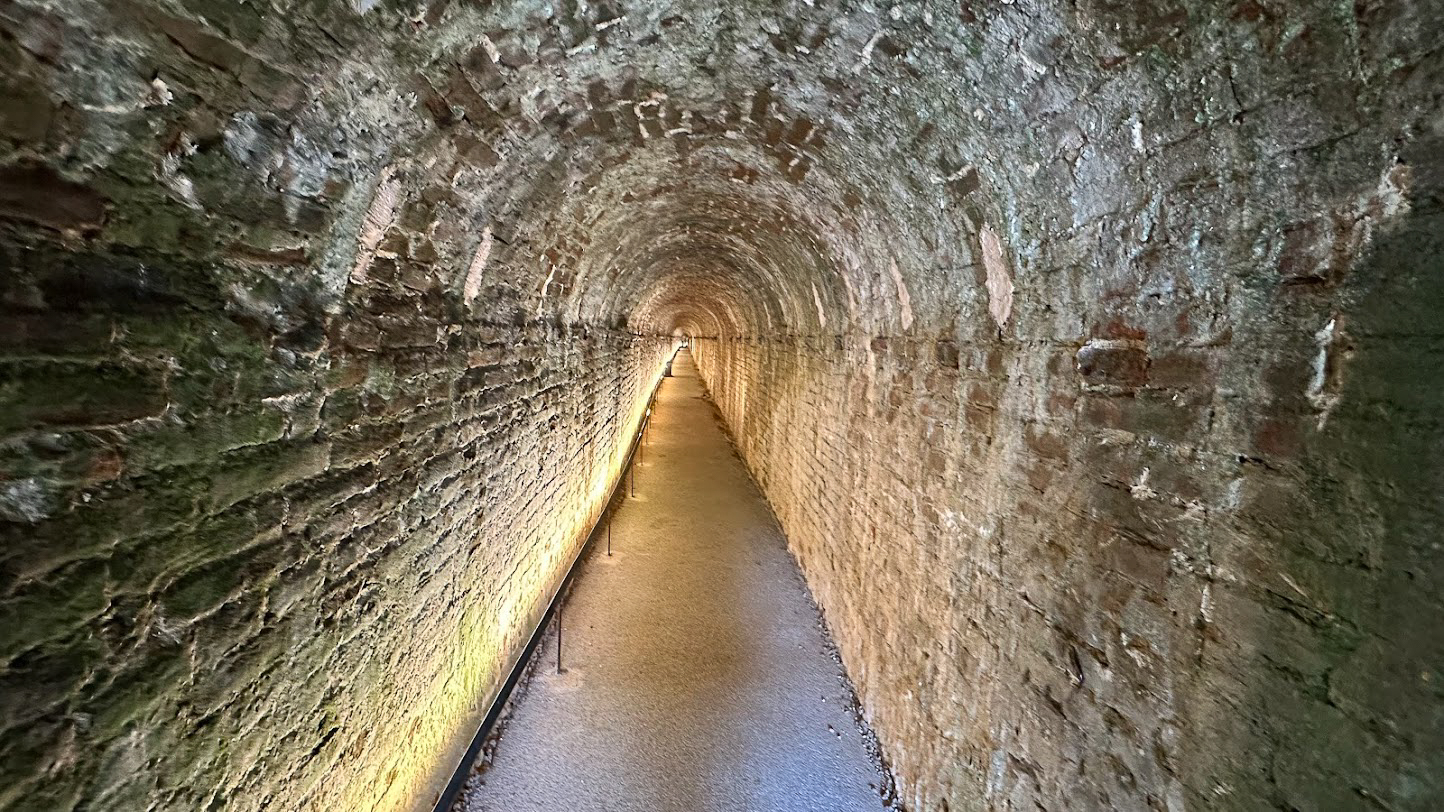
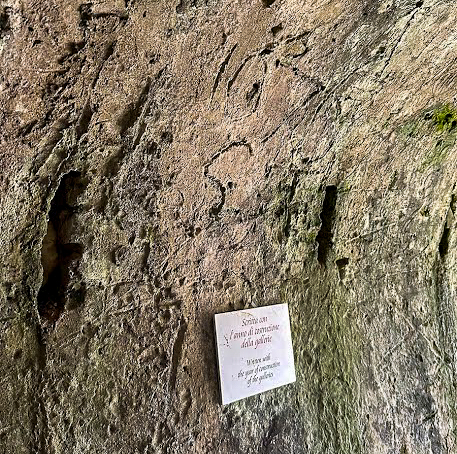
Running beneath the outer walls of Palmanova is a network of countermines, a series of tunnels designed for one very specific purpose, to stop an invading army before they could breach the town’s inner walls. These passages were originally lined with explosives so that if an enemy managed to cross the grassy embankments, they would be met with a controlled underground blast beneath their feet. Be sure to pick up a leaflet at the entrance, as the audio guide is genuinely excellent and really brings the tunnels to life with stories and context that you’d otherwise miss. Most of the wider tunnel system is closed off for safety reasons, there may be remaining explosives, so stick to the official museum route and avoid any temptation to explore beyond the barriers at other entrances.
Piazza Grande
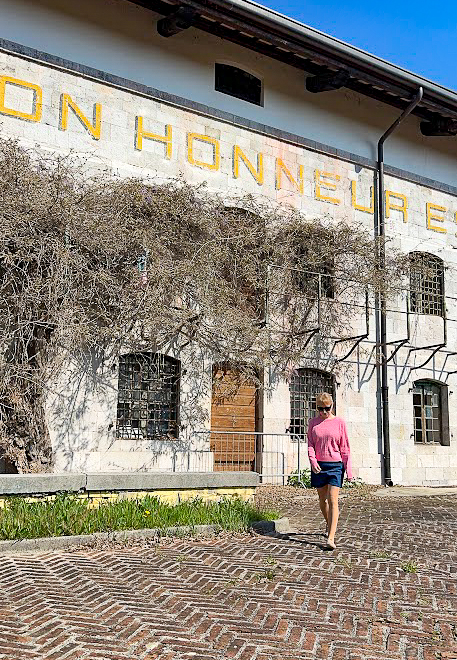
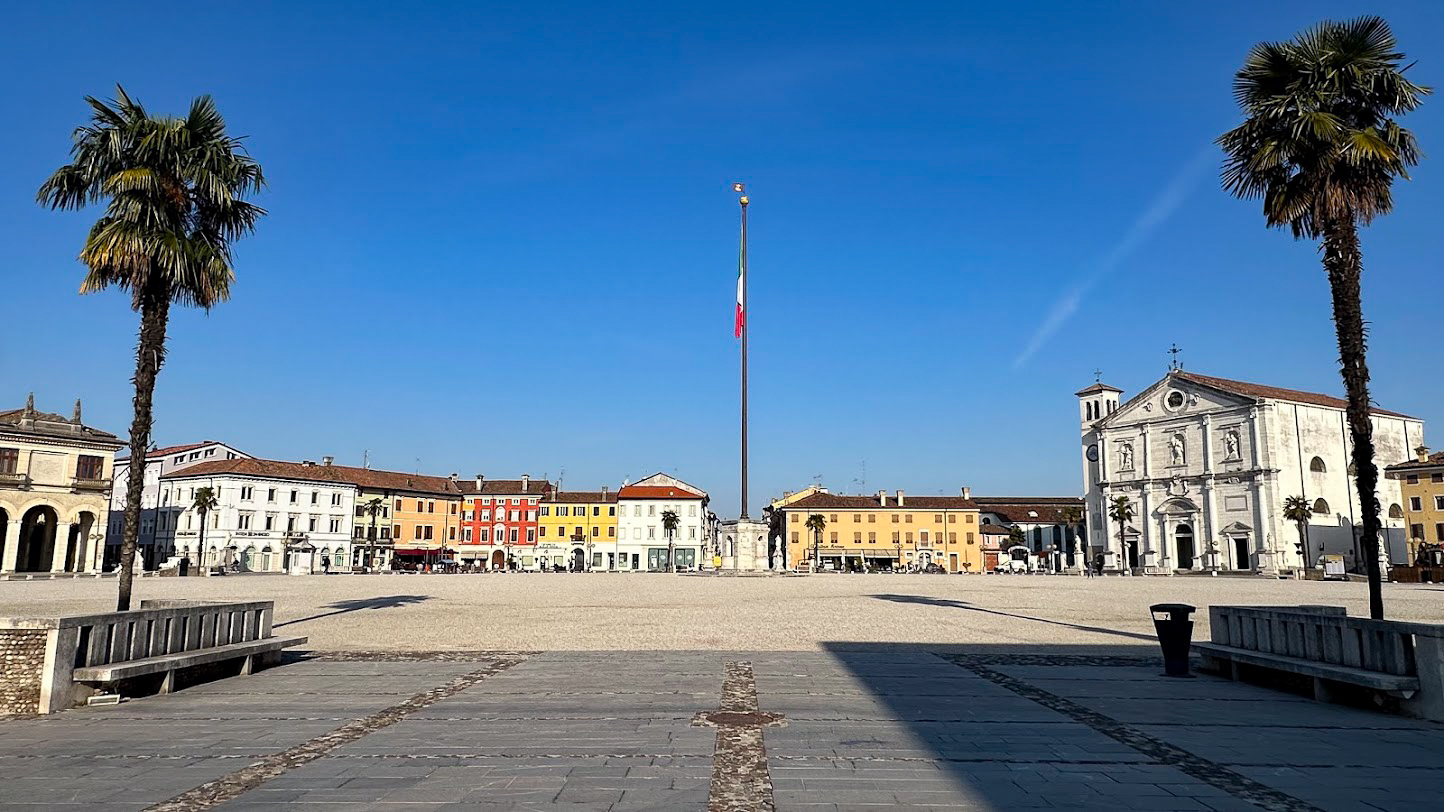
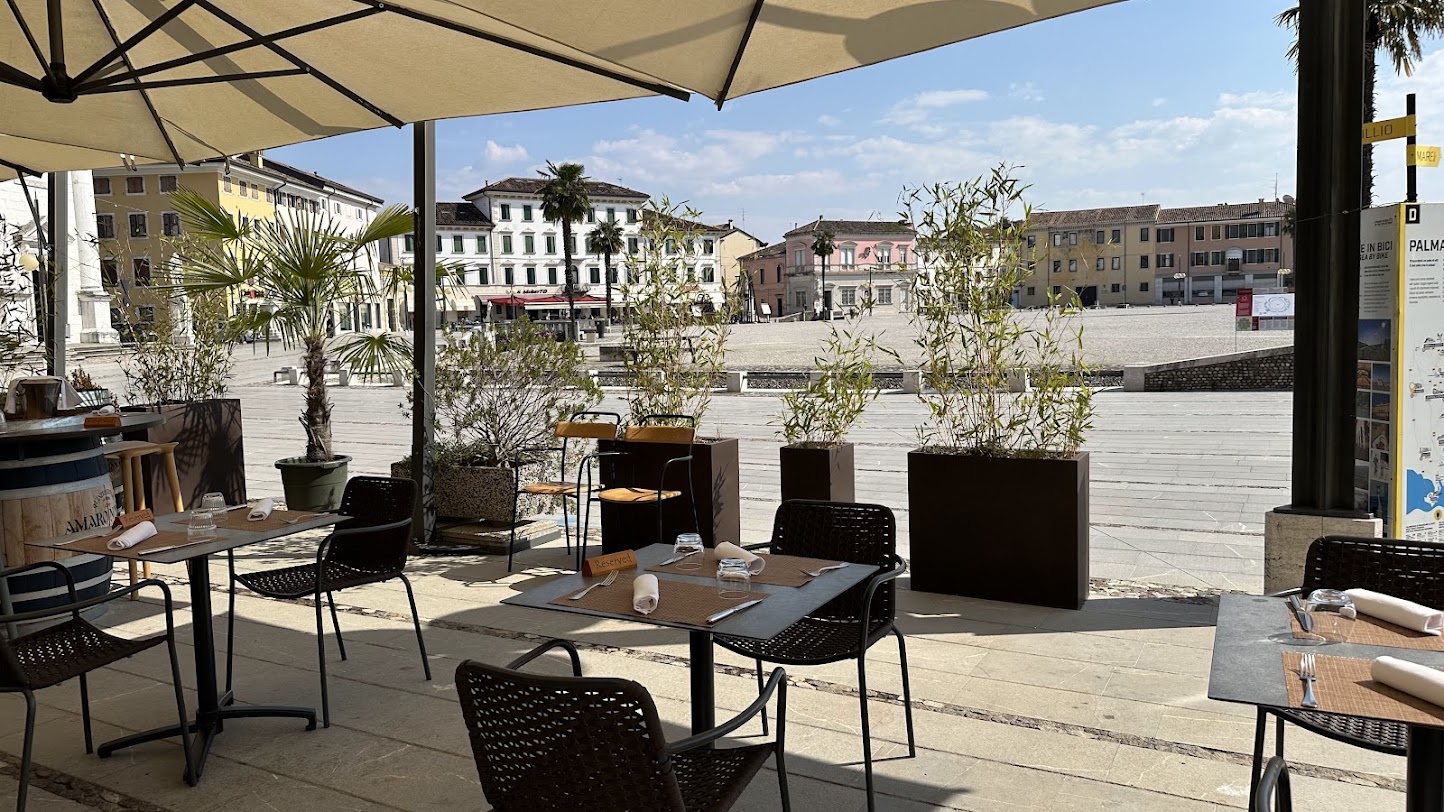
Piazza Grande is the hexagonal area at the centre of the city (can you say it’s a hexagonal square?). Once used for military parades and drills, it is now a quiet space surrounded by coloured facades and the odd cute cafe. The centre is gravel which doesn’t feel super welcoming, but it was used for musters and other military parades, and the city decided to keep it to remember the bygone years. Today, it plays host to festivals and concerts organised by the city. In the south west is the Loggia dei Mercanti, the Merchants’ Lodge or Grand Guard’s Lodge. It dates back to the 1620s and has some beautiful details, including amazing carved wooden doors and wrought iron decorative gates. It’s open and free, plus, there’s a handy map in here too.
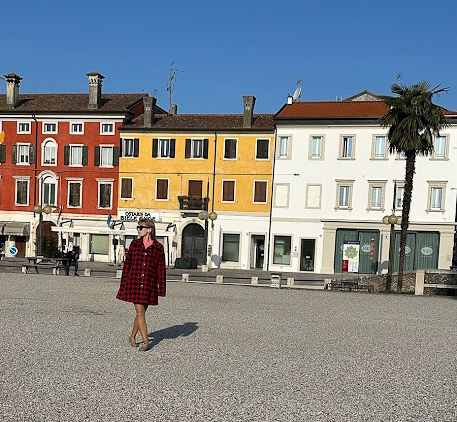
If you are looking for somewhere to stay, Hotel Ai Dogi has two locations right on the edge of Piazza Grande. It’s perfect for sightseeing.
Duomo del Santissimo Redentore
In a city full of buildings designed not to peek above the ramparts, the church overlooking Piazza Grande seems quite imposing. The grand facade is adorned with columns and three statues depicting (from left to right) St John, Christ the Redeemer and St Justina of Padua. St Justina is the patron saint of Palmanova as well as Padua and Venice. Above them is a the bronze lion of St Mark, another strong Venetian connection as you’ll find the original atop a column in St Marks Square, Venice.

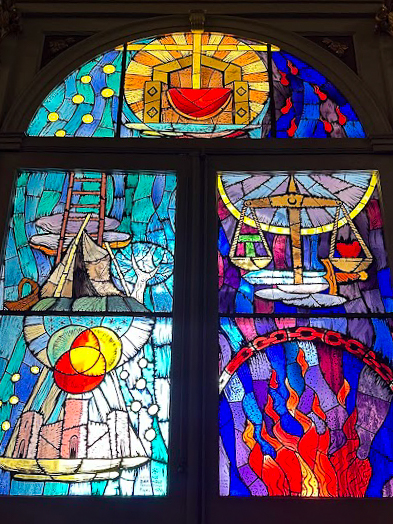
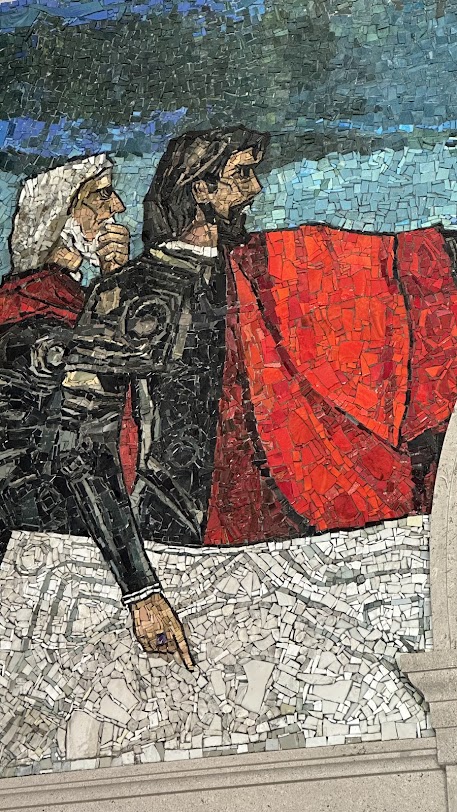
At first glance, the interior might seem a little plain but there are some lovely details. Bold and bright stained glass splashes colour across the pews, in contrast to the more muted paintings around the walls. Behind the altar is a fresco of Jesus in the ascendance that dates from the 17th century when the church was built. Finally, in the side entrance, you’ll see a modern mosaic which depict Palmanova and you can spot the bronze lion here too.


Take a Trip in the Virtualift
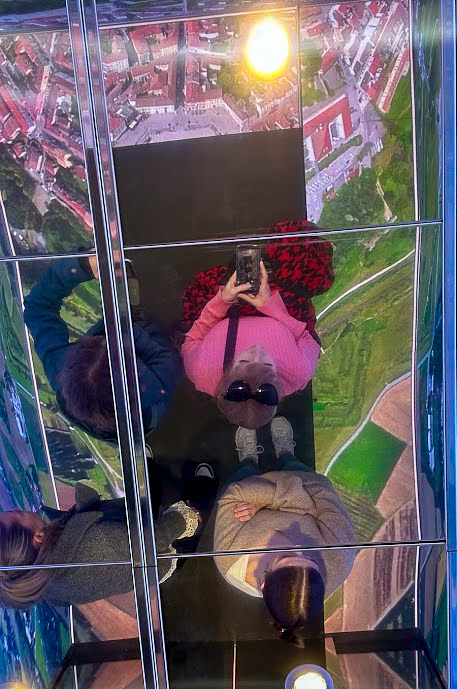
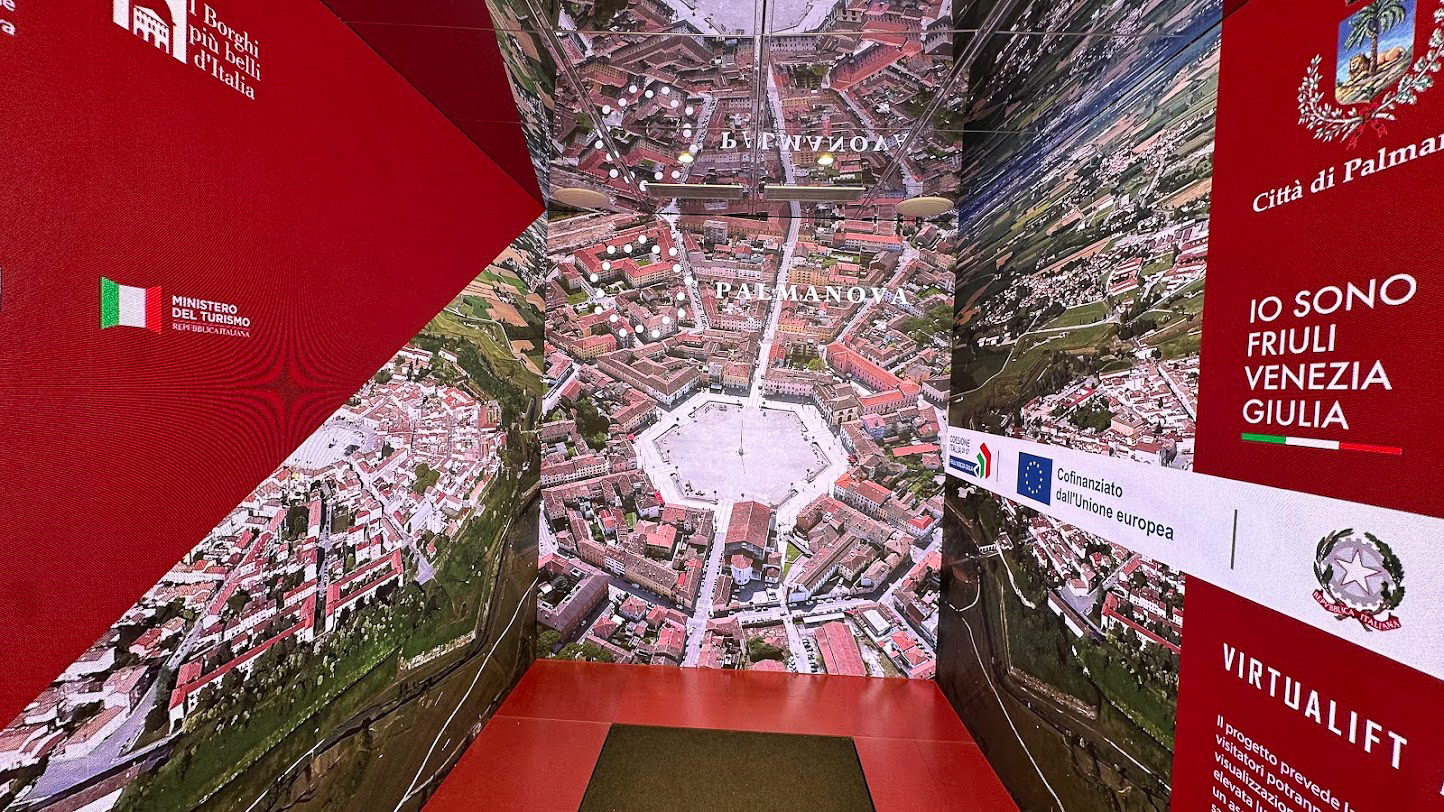
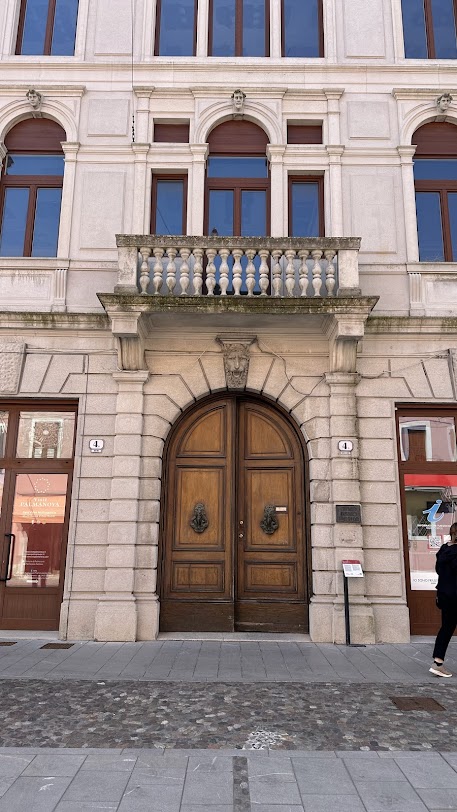
Hidden in a courtyard at the back of the tourism office is a new immersive screen experience called the Virtualift. Short of flying a drone, or growing wings yourself, this is the best way to see the city from above. You can choose from two different programs. The first is shorter at about five minutes, and just shows the city from above, but the longer one also includes some interesting shots of the historical re-enactments that happen here annually. The lift is open at the weekends and during special events.
Il Melograno Naturalmente Buono – Palmanova
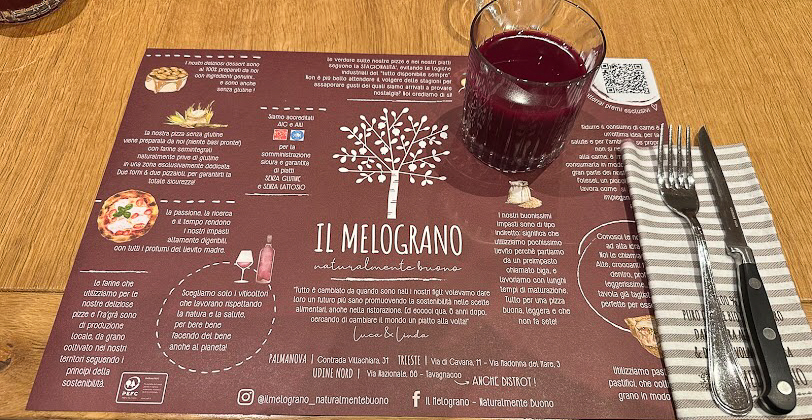
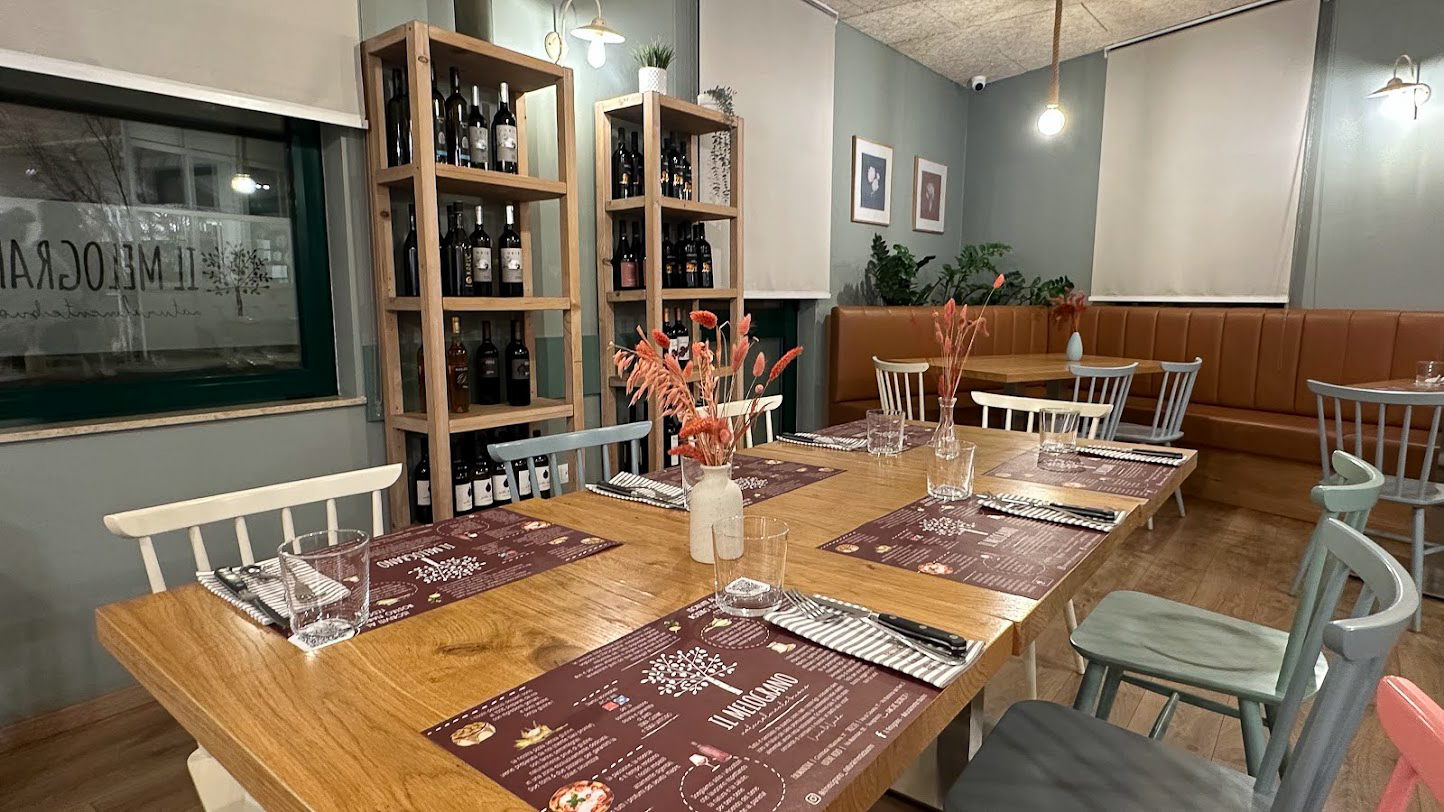
With restaurants in Udine, Trieste and Palmanova, Il Melograno focuses on local, fresh ingredients. They have a pizza oven but this isn’t their strongest option. Instead, go for a few starters and desserts. You can pick up things to take home. Il Melograno is an excellent spot if you are vegetarian as they have plenty of options that you won’t find elsewhere. Oh, and of course you need to have a glass of the tart and syrupy pomegranate juice to go with your meal!
Caffeteria Torinese
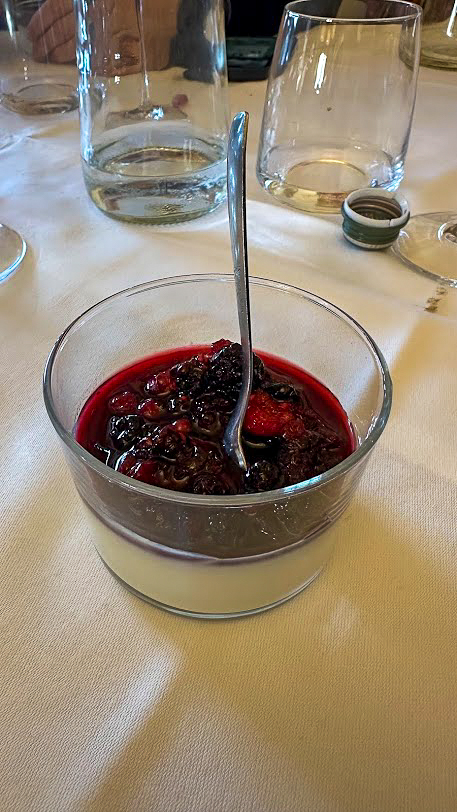
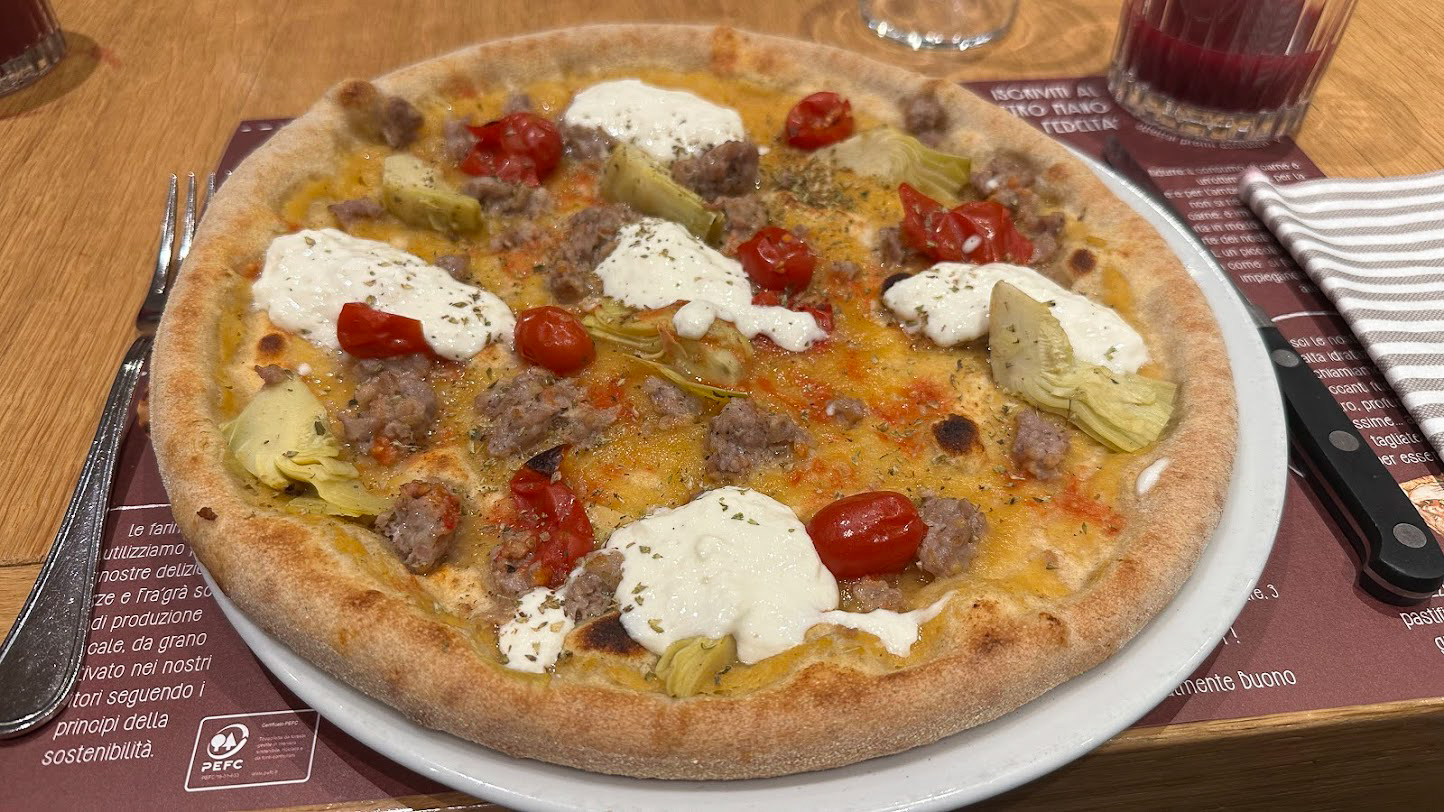
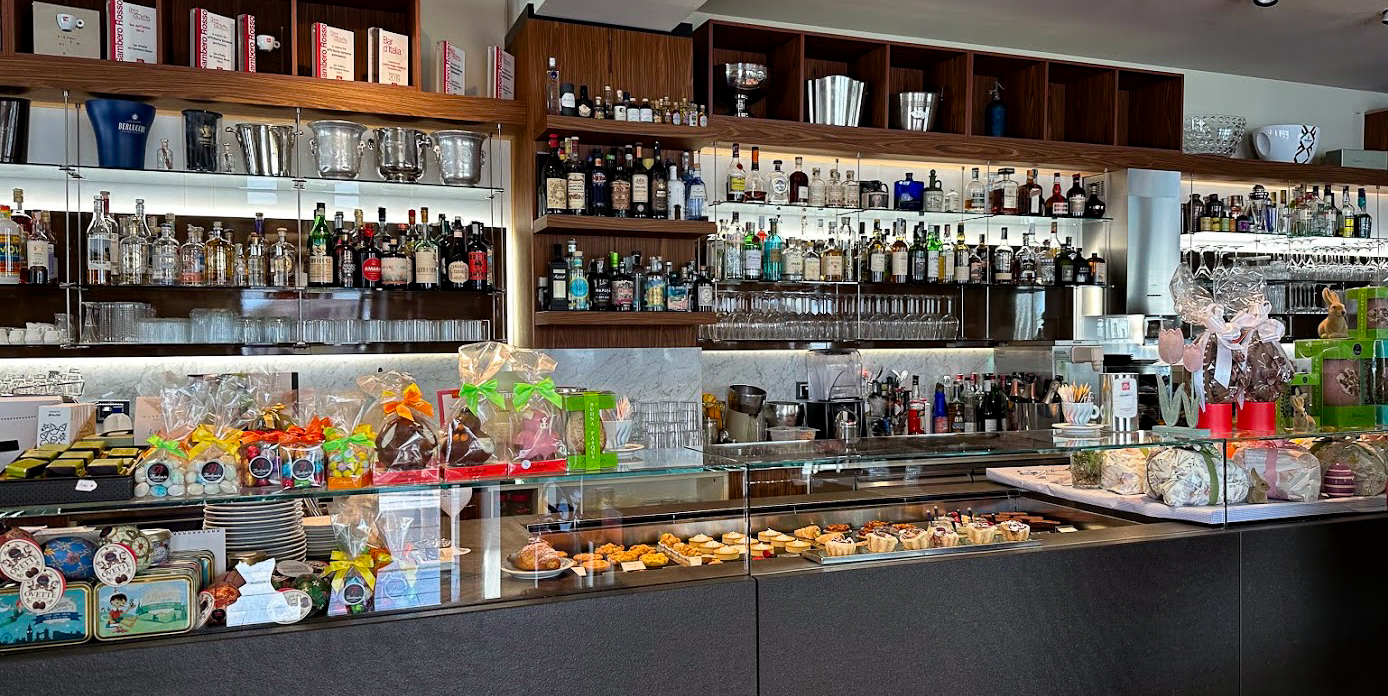
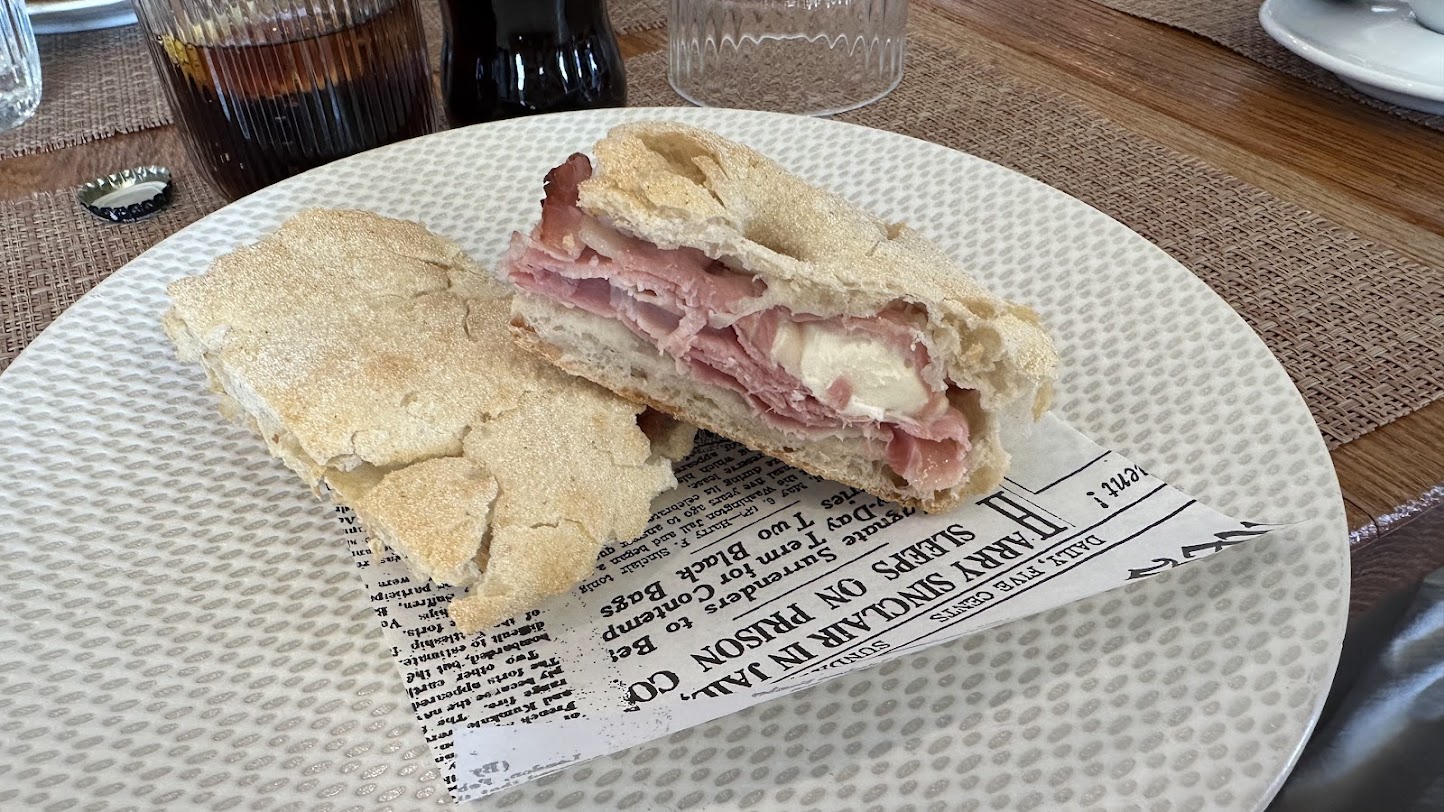
Right on the main square, is a café bar that is popular with both passing tourists in need of a quick caffeine fix and Palmanova residents enjoying a slow lunch date. With a glass of something stronger. This is an ideal spot to try frico, a Moorish combination of potatoes, onions, and the local Montasio cheese, a little reminiscent of emmental. Alternatively, they do excellent sandwiches I’m delicious pastries. From tiramisu complete with pipettes full of espresso to chocolate cookies and lemon tarts, they do a great selection of sweets. Just look at this adorable little fruit tart!


…and Venice?
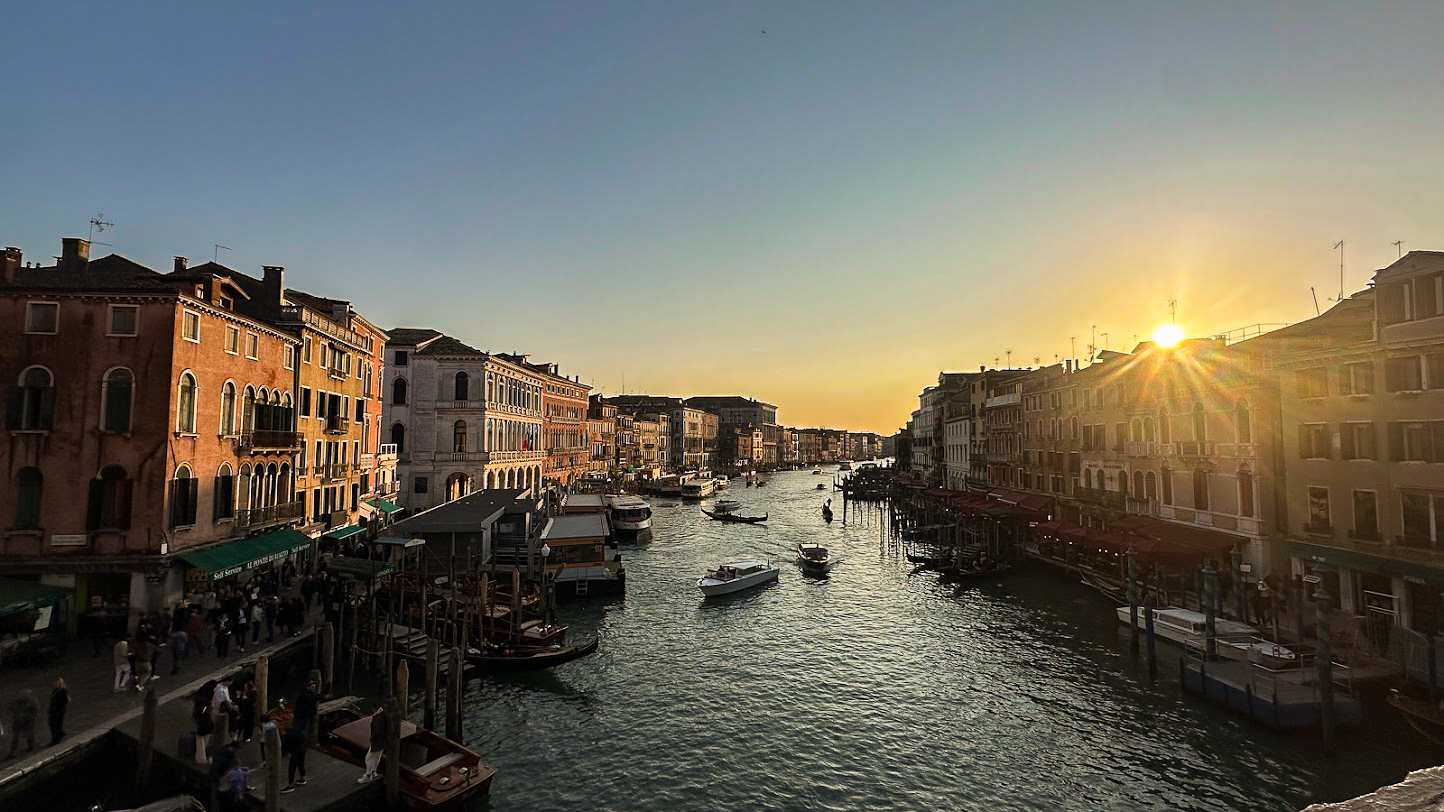
Well, I couldn’t go all the way to Friuli-Venezia Giulia and not pop down to the spot that started it all. I can only advise that you do the same. Venice is an incredible city, a unique water-based world with glamour, history and art that will take your breath away. The architecture contrasts bright white marble churches with crumbling building in beautiful faded colours. Youwill feel like you are in a gorgeous film set the entire time you are there. Grab a spritz, stroll the streets and grab some chiccheti for lunch. Perfection. (There is a reason Ive been back time and time again. Check out my blog post about Venice for a wonderful way to see the city in a day. There’s a food tour and a nearby hostel review too.


Final Thoughts on Exploring the Venetian Fortresses of Northern Italy
From mighty hilltop strongholds to perfectly designed star cities, these Venetian fortresses reveal a different side of Italy. Exploring them isn’t just about history, it’s about discovering quiet corners, incredible landscapes, and regional flavours in an Italy you’ve never thought of visiting. This adventure is very easy to do by car, with drives no longer than two and a half hours. However, if driving isn’t your thing (whether you can’t drive, want to relax, or want to enjoy a vino or two), you can do it using Italy’s excellent trains.
Once you’ve traced Venice’s legacy across the mainland, the next question is, “Are we heading to the Dalmatian coast to finish the list?”
Rosie xx